Loading Admission Guardian content
Loading Admission Guardian content
Provisional score based on available data. It may change as more information is verified.
Find a program, read its fee details and explore the admission requirements.
Summary of the programs shown below. Programs record different fee periods. Compare the individual amounts and their notes below.
| Course | Stream | Fees |
|---|---|---|
| Bachelor of Commerce [B.Com] | Commerce | 6400 |
| Master of Commerce [M.Com] | Commerce | 6900 |
| Certification | Computer Applications | 11500 |
| Post Graduate Diploma | Mass Communications | 150000 |
| Bachelor of Arts [BA] (Journalism and Mass Communication) | Mass Communications |
Specializations
Eligibility: 10+2
Specializations
Eligibility: Graduation
Specializations
Specializations
Specializations
Eligibility: 10+2
 Hindustan Times
If you're looking to break into the Hindi media landscape of Uttar Pradesh without the six-figure fees of a Delhi or Mumbai institute, Aizaz Rizvi College of Journalism and Mass Communication (ARCJMC) in Lucknow is a name that comes up. Established in 2005, it's built a reputation as a practical, no-frills training ground where the focus is on getting you camera-ready. The college is affiliated with Swami Vivekanand Subharti University, a UGC-recognized institution, which gives its degrees validity. But the real draw, according to students, isn't the theoretical pedigree—it's the hands-on studio work and faculty who are often still working in the regional newsrooms they're preparing you for. Just be aware: there's been some online chatter about its operational status, so a direct call to the campus is a smart first move before you apply.
ARCJMC’s academic slate is squarely focused on media, with some commerce programs in the mix. The undisputed flagship is the three-year BA in Journalism and Mass Communication, with an estimated intake of 60-120 students. It’s the program the college is known for, with a curriculum heavy on reporting, editing, and public relations basics. For postgraduates, there’s a two-year MA in the same field. They also offer a one-year PG Diploma in Mass Communication, which is described as more practical, and even a niche PG Diploma in Intellectual Property Rights (IPR).
Where the college tries to set itself apart is with its short-term certificate courses. These 35-45 day intensives in RJ & News Anchoring, Video Editing, and Media Writing are popular for a quick skills boost. The faculty pool is relatively small, around 15-20 core members, but the consistent praise in reviews is that many are industry professionals—working journalists, former editors, and media practitioners. That’s a decent advantage for a regional college. The academic calendar follows the Subharti University semester system.
This is where you need to read between the lines of the brochure. The college officially claims 100% placement support. Talking to alumni and scanning reviews on platforms like Shiksha paints a more nuanced picture: a realistic placement rate for active job-seekers is probably closer to 70-80%. That’s not bad, but it’s not a guarantee.
The packages are modest. The average starting salary for the 2023-24 batch was between ₹2.5 and ₹3.75 Lakhs Per Annum (LPA). The median was around ₹2.2 LPA. You’ll sometimes see a flashy figure like ₹17 LPA quoted from 2023, but that’s widely considered an outlier, likely for a non-media role. A more typical "highest" package for media streams is around ₹5.2 LPA.
The recruiter list tells the real story of ARCJMC’s strength. It’s a who’s who of regional Hindi media: Zee News, News18 UP/UK, ABP News, India News, Doordarshan Lucknow, and ETV. In print, you see Dainik Jagran, Amar Ujala, and The Print. About 60% of placed grads go into traditional journalism roles. The takeaway? If your goal is a reporting job in Lucknow, Varanasi, or Noida for a Hindi news channel, ARCJMC has a functional pipeline. If you’re aiming for a high-paying corporate communications role in Bangalore or an English national daily in Delhi, the path is less clear.
Affordability is one of ARCJMC’s main selling points. For the flagship BA program, annual tuition ranges from ₹23,500 to ₹50,000. Over three years, you’re looking at a total course cost of roughly ₹1.5 to ₹2.2 lakhs, excluding living expenses. The MA program runs between ₹35,000 and ₹60,000 per year. Their B.Com program is notably cheaper, at just ₹6,400 to ₹15,000 annually.
Hostel fees add another ₹40,000 to ₹60,000 per year, which includes mess charges. Reviews describe the hostel food as average but hygienic. For financial aid, the college offers a 10% discount for the first five admissions in specific "theme-based" cycles—a vague but potentially useful offer. There are also merit-based scholarships for students who scored over 75% in their Class 12 exams.
Admissions at ARCJMC are primarily merit-based. For undergraduate programs like the BA, your Class 12 marks are the key. There’s no major national entrance exam requirement. Some postgraduate courses might involve a college-level aptitude test, but the process generally hinges on academic scores.
The selection process is straightforward: submit an online or offline application (with a ₹600 fee), get shortlisted based on your marks, and then face a personal interview. That PI is crucial. They’re looking for communication skills, awareness of current affairs, and a genuine interest in media. The application window typically opens in May and runs through August for the July session.
And yes, a management quota exists. If your marks aren’t quite there, you can contact the campus office directly to explore that route—just be prepared for potentially higher fees.
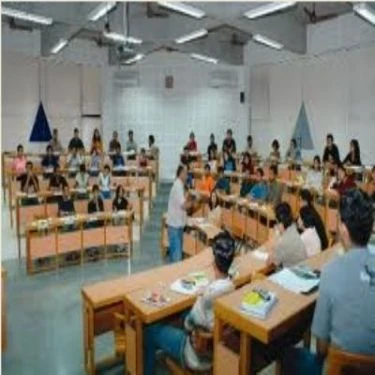
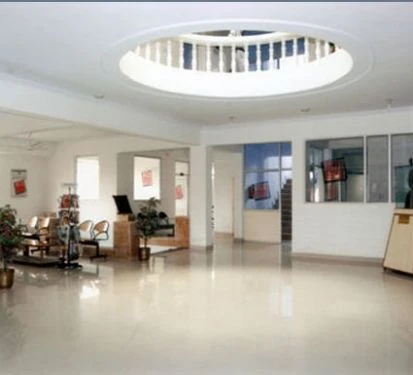
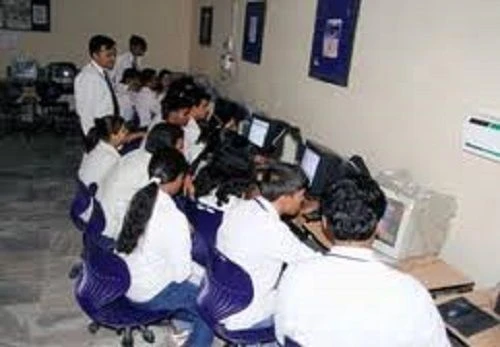
Don’t expect a sprawling university campus. ARCJMC’s facilities are functional and centered around its media training mission. The highlight, unanimously cited by students, is the media lab infrastructure. They have a professional TV studio, a newsroom setup, and editing suites equipped with software like the Adobe Creative Suite. That hands-on access from the first year is a big plus.
The library holds over 5,000 books, though digital journal access is noted as limited. Wi-Fi is available in the academic block, but students call the speed "moderate." Other basics are covered: an auditorium, canteen, ATM, and medical room.
Hostels are separate for boys and girls, with quality rated around 3.5 out of 5 in reviews. The social life is described as limited. You’re not going for a vibrant campus experience; you’re going for the studio time and the industry connections. The location in Chinhat means the nearest major metro link (Munshipulia) is 8-10 km away, and Lucknow’s main railway station is about 15-18 km.
Synthesizing feedback from education portals and forums, the consensus on ARCJMC is clear and practical.
Students love the practical exposure. “The studio is the best part. We get to handle real cameras and do mock anchoring from the first year,” is a typical sentiment. The faculty, often comprised of working professionals, gets high marks for bringing real-world insights into the classroom. And the affordability is constantly highlighted—it’s a fraction of the cost of big-name media schools.
But the criticisms are consistent, too. The campus is small, and social life is quiet. The placement quality, while decent for the region, comes with modest starting salaries—think ₹15,000 to ₹20,000 a month for many entry-level media jobs. There are also recurring grumbles about administrative delays, particularly in getting mark sheets and final degrees from the affiliated university.
One critical note: In late 2024, a single review on Shiksha claimed the college was "permanently closed." However, as of early 2025, major education portals like CollegeDekho and Shiksha itself continue to list active 2025-2026 admission cycles. This contradiction makes direct verification essential. Before you spend any time or money on an application, pick up the phone and call the campus.
ARCJMC is a specific solution for a specific problem. It’s worth it if you are a Hindi-medium student firmly targeting a career in the Uttar Pradesh/Uttarakhand media ecosystem—think reporter, video journalist, or sub-editor for channels like News18 UP or newspapers like Dainik Jagran. For that goal, its practical training, industry-tied faculty, and affordable fees make it a sensible, low-risk choice. You’ll likely get a job, but you’ll start on a local salary scale.
Look elsewhere if you aspire to the English-language national media, high-paying corporate PR, or prestigious broadcast networks based in Delhi or Mumbai. The brand pull and placement networks there are weaker. Also, if a vibrant, residential campus life is important to you, ARCJMC’s limited setup might feel disappointing. Do your due diligence on its current operational status, but for a budget-conscious launch into regional Hindi journalism, it still holds a credible spot in the Lucknow landscape.

In this preview: 5 photos · 0 videos
ARCJMC offers good placement opportunities, particularly for students seeking careers in regional media within Uttar Pradesh and Uttarakhand. However, students aiming for national-level English media organizations may find the placement scope more limited.
The annual tuition fee for the Bachelor of Journalism and Mass Communication (BJMC) program at ARCJMC ranges from approximately Rs. 23,500 to Rs. 50,000. The final fee depends on the academic year and the student's scholarship status.
Yes, the degree from Aizaz Rizvi College of Journalism and Mass Communication is valid. The college is affiliated with Swami Vivekanand Subharti University, which is recognized by the University Grants Commission (UGC).
Yes, ARCJMC provides separate hostel accommodations for male and female students. These hostels are located near the college campus.
There are conflicting reports regarding the operational status of ARCJMC. While some sources have mentioned closure, most major education portals indicate the college is active and are listing admissions for the 2025-2026 academic cycle. Prospective students are strongly advised to contact the college directly for verification.
Share what future students should know about ARCJMC.
Student voices are not rewritten by colleges. We remove spam and abuse.
Wider admission question? Community PulseWhat should future students know?
Tell us which course you're considering. We'll help you work out the next step.
Get instant Partner access after mobile verification. Your public edits are reviewed before they go live.
Claim this college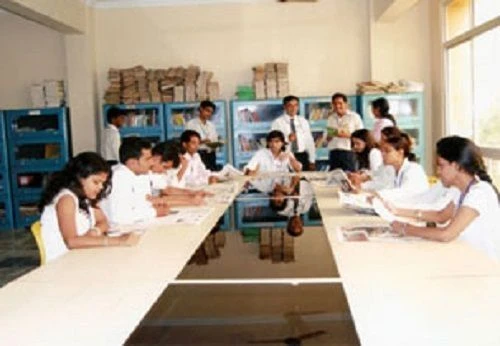
 Auditorium
 Cafeteria
 Computer Labs
 Hostel
 Science Labs
 Sports Complex
 Study Library