Loading Admission Guardian content
Loading Admission Guardian content

Provisional score based on available data. It may change as more information is verified.
Selected ranking categories, with the recorded year beside each result. Open all records for the complete history.
39 published records · Lower numeric ranks are stronger
NIRF
B.Tech
#962021
Outlook
Engineering · private
#142020
IIRF
Engineering · private
#82024
The Times Of India
Engineering · private
#92021
India Today
Engineering · private
#102020
Find a program, read its fee details and explore the admission requirements.
Summary of the programs shown below. First-year fee. Check the note beside each amount for inclusions and exclusions.
| Course | Stream | Fees |
|---|---|---|
| Master of Technology [M.Tech] | Engineering | 50000 |
| Bachelor of Technology [B.Tech] {Lateral} | Engineering | 157500 |
| Bachelor of Technology [B.Tech] | Engineering | 183750 |
Specializations
All accepted exams
Eligibility: Pass in Graduation + GATE
Specializations
All accepted exams
Eligibility: 10+3 with 50% + BVP CET
Specializations
All accepted exams
Eligibility: 10+2 with 50% + BVP CET
 Accenture
 Adani Power Limited
 Aditya Birla Group
 Amdocs
 Atos Origin
 Barclays Technology Centre India (BTCI)
 Bosch Ltd
 BRIDGEi2i Analytics Solutions
 Cognizant
 Cummins India Ltd
 Cybage Software
 Dell
Dell Deloitte
 Emirates
 Extra Marks
 Faurecia
 Fluor Daniel
 Hewlett-Packard (HP)
 Hinduja Group
 Hindustan Copper Limited (HCL)
 HSBC Bank
 Hudl
Hudl Hyundai Motors
 IBM
IBM Idea Cellular
 Infosys
 InfoTech
 Jindal Steel and Power (JSPL)
 JP Morgan
 Knight Frank
 KPIT
KPIT Lucas TVS
 Mahindra & Mahindra
 Moglix
 Neeyamo Enterprise
 Neilsoft
 Nokia
Nokia NTT DATA
 Pinclick
 Sanmar Group
 Schenider Electric
 Siemens
 Tata Consulting Engineers Ltd.
 Tata Motors
 TATA Technologies
 TCS
TCS Tech Mahindra
 ThoughtWorks Technologies
 Torrent Power
 Toshiba
 Trident Group
 VMware
 Volkswagen
 Willis Towers Watson
 Wipro
Wipro Yodlee
Bharati Vidyapeeth University College of Engineering (BVUCOE) has been a fixture on Pune's engineering map since 1983, and its story is one of steady, pragmatic growth. It's not the flashiest name in the city, but for students who clear the MHT-CET or JEE Main cutoffs, it represents a solid, reliable option—a private institution with the backing of a deemed university that has consistently held an 'A+' NAAC grade. The numbers tell a clear story: a placement rate hovering around 90%, a highest package of ₹35 LPA for 2025, and a sprawling 85-acre campus that houses everything from engineering to medical colleges. But the real character of BVUCOE emerges in the details—the supportive faculty, the active club scene, and the mixed reviews on hostel food that you'll find on any student forum. This is an institution that has built its reputation on consistency rather than hype, and for many, that's exactly what they're looking for.
BVUCOE offers a fairly standard but comprehensive suite of engineering programs. The B.Tech is the main draw, with 13 specializations. The seat matrix shows where the college's focus—and student demand—lies: Computer Science and Computer Engineering each have 180 seats, followed by Electronics and Communication and Electronics and Telecommunication with 120 each. Information Technology also gets 120 seats. The other core branches like Civil, Mechanical, Chemical, and Electrical & Computer Engineering are present, but intake numbers aren't as prominently advertised. That's a common market signal.
Academics are described as "tough and competitive" across reviews, which isn't a bad thing. The structure is the typical 8-semester format with two unit tests per semester. A notable feature is the option for a branch change at the start of the second year, a lifeline for students who want to shift into a more in-demand stream based on their first-year performance.
The faculty gets consistently high marks in student sentiment. Most professors are highly qualified, and the feedback is that they're supportive and bring real-world experience to the classroom. The teacher-to-student ratio is officially 1:68, which is on the higher side, but students don't seem to complain about accessibility. Teaching methods blend PPTs, whiteboards, and group discussions, with some faculties holding weekly feedback meetings. It's a structured, traditional approach that works if you engage with it.
This is where the college's marketing material and ground reality need a bit of unpacking. The official numbers for 2025 are strong: a 90% placement rate, a highest package of ₹35 LPA, and an average of ₹6.50 LPA. The median package for 2024 was ₹5.5 LPA, which is often a more telling figure than the average. The recruiter list is respectable and exactly what you'd expect from a Pune engineering college: Infosys, Wipro, TCS, Accenture, Capgemini, LTI, KPIT, Tata Technology, and Amazon. You'll also see core and manufacturing names like Godrej, Reliance, and Varroc.
But you have to read between the lines. Some unverified reports from alumni on review sites suggest the "average selection package"—what most students actually end up with—might be closer to ₹3.5-4.5 LPA. That's a significant gap from the official ₹6.5 LPA average and worth keeping in mind. The sky-high claims of a ₹58.4 LPA international package should be taken with a large grain of salt unless you see a named student and company attached to it.
The consensus, though, is that the placement cell is active and provides decent training. Placements are genuinely good for CSE, IT, and ECE/ETE students. For core branches, opportunities exist but are less prolific, which is the industry norm. The 90% placement rate likely includes a wide net of offers, so while the cell works hard, students in non-CS branches need to hustle more.
Let's talk numbers. For B.Tech (2026), the total course fee ranges from ₹7.0 lakhs for Civil Engineering to ₹11.60 lakhs for Computer Science, Computer Engineering, and IT. That breaks down to an annual tuition between ₹1.51 lakhs and ₹2.25 lakhs. Fees increase by about 5% each year, so budget for that.
Hostel and mess fees are a major additional cost. For the 2025-26 academic year, the total for boys was around ₹89,000 (including a ₹40k hostel fee and ₹43k mess charges). For girls, it was about ₹1,08,500 (₹55k hostel + ₹47.5k mess). There are more expensive 2-seater options. Add registration, uniform, and exam fees on top.
Scholarships are a strong point here. The college facilitates a wide array, primarily through the MahaDBT portal. There are government schemes for SC, ST, OBC, and Economically Backward Class (EBC) students. The EBC scholarship, for example, covers 50% of tuition and exam fees for eligible students admitted through the Centralized Admission Process (CAP) with family income under ₹8 lakhs. There are also merit-based scholarships offering up to a 50% tuition waiver based on Class 12, CET, or JEE Main scores. A crucial note: scholarships and loans are generally not available for management quota admissions.
For B.Tech, your ticket in is through one of three exams: MHT-CET (for the state quota), JEE Main (for All India quota), or the university's own BVP CET (for institutional and management merit seats). The process is centralized and score-based. Shortlisted candidates are called for document verification. For B.Tech Lateral Entry, it's through MHT-CET Lateral Entry counseling.
Specific cutoff ranks aren't provided in the brief, but being in the 151-200 NIRF band suggests you need a decent, but not necessarily stellar, CET or JEE score. The competition is fiercest for the 180-seat Computer Science program.
For M.Tech, admissions are based on GATE, BVP CET, or MAH M.Tech CET scores. GATE-qualified candidates get the double benefit of a lower fee (₹52,500 vs. ₹1,05,000) and are eligible for an AICTE stipend.
Application windows follow the standard cycles: MHT-CET registration typically opens in January, JEE Main sessions have their own schedules, and BVP CET announcements are made on the university website. Keep an eye on those dates.
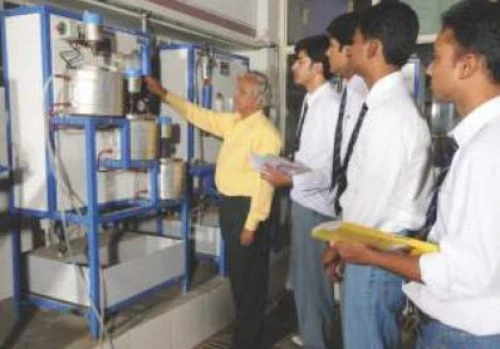
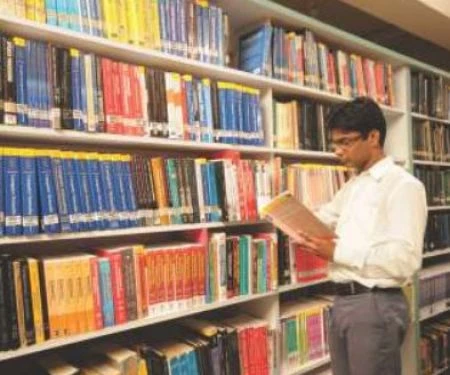
The campus is big—85 acres shared with other institutions—and is described as green and lush. Classrooms are generally well-furnished with smart boards, though some older reviews mention a few in need of repair. Labs are well-maintained. The central library is a five-story building with a solid collection of over 69,000 volumes and access to thousands of e-journals.
Hostels are a mixed bag, a classic source of student gripes and praise. Capacity is limited (281 for boys, 200 for girls), so not everyone gets a spot. Rooms are mostly triple-sharing, equipped with basic furniture, LAN ports, and Wi-Fi. Amenities like a gym, common rooms, and sports facilities are there. The big variable is food. Reviews range from "hygienic and delicious" to "average" and, in one stark 2019 review, a claim of widespread food poisoning. It seems the mess is a perennial roll of the dice. The location in Dhankawadi is a bit remote, about 10 km from Pune Junction, so hostel life is somewhat insular.
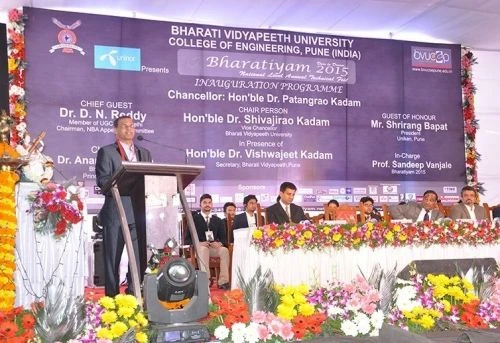
But campus life itself gets positive reviews. There's a friendly, ragging-free environment. Clubs are active—Google Developer, drama, theatre, dance—and fests and cultural events keep the calendar busy. Sports facilities are available, though one unverified comment said they're only open from 4-7 PM. There's an on-campus bank (Bharati Sahakari) and medical services through Bharati Hospital.
Synthesizing the sentiment from various forums, a clear picture emerges. The overwhelming positive is the faculty. Students consistently call them knowledgeable, approachable, and supportive, which is perhaps the most important factor in any college experience.
The campus environment and social life also get high marks. It's seen as positive, friendly, and diverse with plenty of club activities. The infrastructure, while not ultra-modern, is considered more than adequate.
Placements are viewed favorably, especially for CS/IT folks, with an acknowledgment that the placement cell puts in the work.
On the negative side, the hostel experience is the primary pain point. Concerns revolve around food quality variability, the cost of hostel fees, and, in older reviews, cramped rooms (particularly in an old girls' hostel block). Some minor infrastructure grumbles about Wi-Fi reliability in certain spots pop up, but nothing systemic. The remote location means you're reliant on campus facilities.
BVUCOE Pune is a solid, middle-tier engineering college in a major educational hub. It's not going to compete with the top-tier IITs or NITs, but it doesn't try to. Its value proposition is clear: consistent NAAC 'A+' accreditation, a decent NIRF ranking band, a strong track record of placing a high percentage of its students with reputable companies, and a supportive teaching faculty. The scholarship ecosystem is a genuine benefit for eligible students.
It's best for students who have secured a good MHT-CET or JEE Main rank, enough to get into CS, IT, or ECE streams, and who want a stable, established campus environment in Pune without the extreme competition or cost of some premier private institutes. If your priority is cutting-edge research or global exposure, you might look elsewhere.
But if you want a college that will provide a good education, decent placement opportunities—particularly in IT—and a traditional campus experience, BVUCOE delivers reliably. Just go in with realistic expectations about hostel life and know that your final package will depend heavily on your branch and your own skills, not just the college's brochure.


In this preview: 5 photos · 0 videos
Admission to B.Tech programs at BVUCOE Pune for 2026 is primarily based on entrance exam scores. The college accepts MHT-CET scores for the Maharashtra state quota, JEE Main scores for the All India quota, and its own Bharati Vidyapeeth Common Entrance Test (BVP CET) for institutional and management merit seats. Eligibility requires passing 10+2 with Physics, Chemistry, and Mathematics. The selection process involves applying with a valid score, followed by counseling and document verification.
For the 2025 placement season, BVUCOE Pune reported a highest package of ₹35 LPA and an average package of ₹6.50 LPA. The median package for the previous year (2024) was ₹5.5 LPA. The college claims a placement rate of approximately 90%. Major recruiters include IT and consulting giants like Infosys, Wipro, TCS, Accenture, Capgemini, LTI, and Amazon, as well as core engineering companies such as Tata Technology, KPIT, Godrej, and Reliance.
For B.Tech programs in 2026, the total course fee ranges from ₹7.0 lakhs for Civil Engineering to ₹11.60 lakhs for Computer Science, Computer Engineering, and Information Technology. Annual tuition fees fall between ₹1,51,935 and ₹2,25,750. For M.Tech, the fee is ₹52,500 per year for GATE-qualified candidates and ₹1,05,000 for non-GATE candidates. Scholarships are widely available, including government schemes for SC, ST, OBC, and EBC categories offering up to 100% fee relief, and merit-based scholarships offering up to a 50% tuition waiver.
BVUCOE Pune has separate hostels for boys (capacity 281) and girls (capacity 200). Rooms are typically triple-sharing, furnished with beds, study tables, and storage. Hostels provide Wi-Fi, LAN connections, 24/7 water and electricity, hot water supply, gyms, common rooms, and indoor games. Security is strict with curfews. Mess food receives mixed reviews from students; while described as hygienic and offering three meals daily, opinions on taste and quality vary, with some finding it average.
The student consensus highlights teaching quality as a major strength, with faculty described as knowledgeable, experienced, supportive, and bringing real-world insight. Campus life is generally rated positively, characterized by a friendly, ragging-free environment, a lush green campus, and an active student community. Numerous clubs (Google Developer, drama, dance) and regular cultural events and fests contribute to a vibrant and engaging social atmosphere.
Share what future students should know about BVUCOE.
Student voices are not rewritten by colleges. We remove spam and abuse.
Wider admission question? Community PulseWhat should future students know?
Tell us which course you're considering. We'll help you work out the next step.
Get instant Partner access after mobile verification. Your public edits are reviewed before they go live.
Claim this college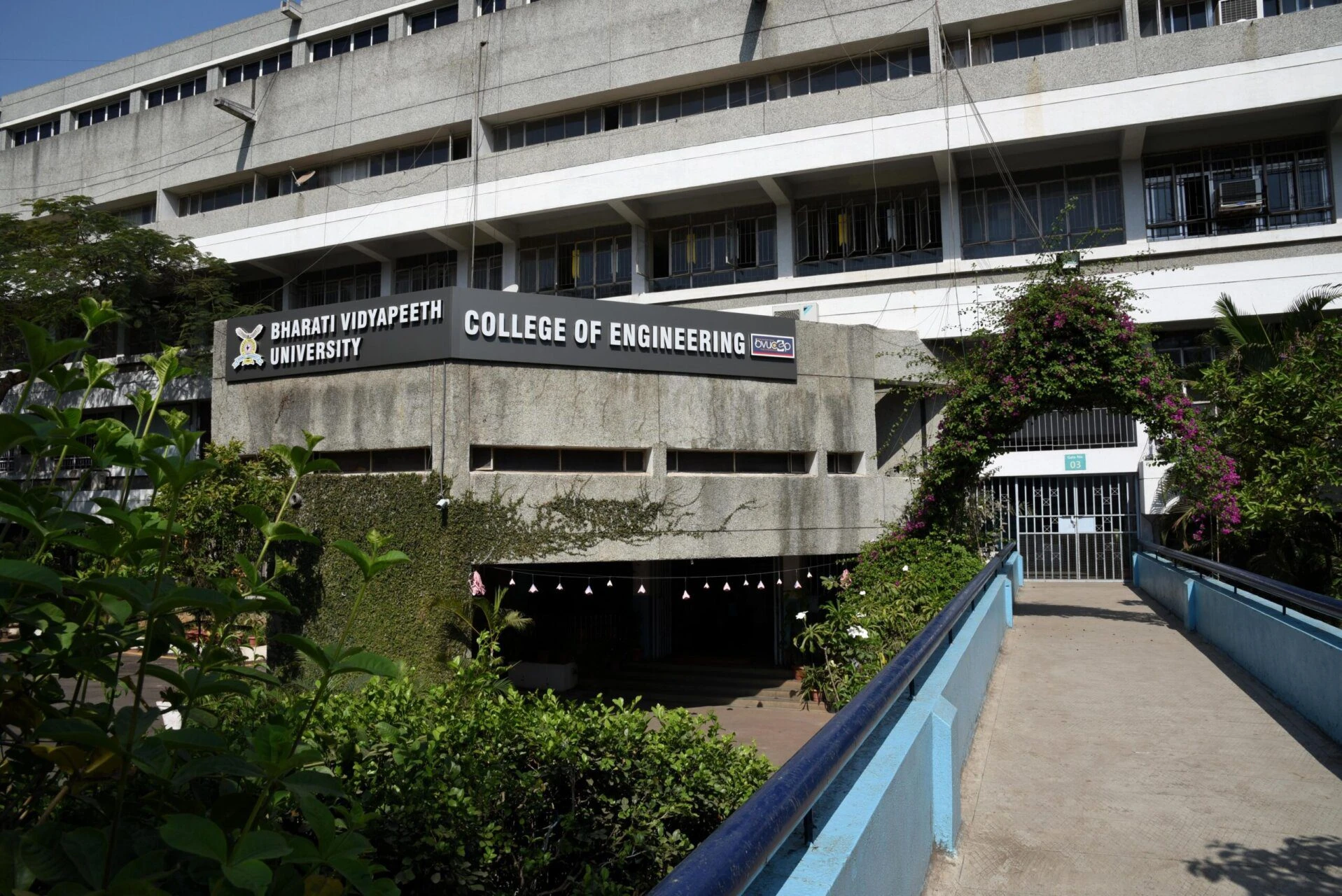

 Auditorium
 Cafeteria
 Computer Labs
 Gym
Gym Hostel
 Medical
 Science Labs
 Sports Complex
 Study Library