Loading Admission Guardian content
Loading Admission Guardian content

Provisional score based on available data. It may change as more information is verified.
Selected ranking categories, with the recorded year beside each result. Open all records for the complete history.
1 published record · Lower numeric ranks are stronger
Find a program, read its fee details and explore the admission requirements.
Summary of the programs shown below. First-year fee. Check the note beside each amount for inclusions and exclusions.
| Course | Stream | Fees |
|---|---|---|
| Bachelor of Engineering [BE] {Lateral} | Engineering | 25000 |
| Bachelor of Technology [B.Tech] {Lateral} (Information Technology) | Engineering | 25000 |
| Bachelor of Engineering [BE] | Engineering | 25500 |
| Bachelor of Technology [B.Tech] (Information Technology) | Engineering | 25500 |
| Master of Engineering [ME] | Engineering | 50500 |
Specializations
All accepted exams
Eligibility: Diploma
Specializations
All accepted exams
Eligibility: Diploma
Specializations
All accepted exams
Eligibility: 10+2
Specializations
All accepted exams
Eligibility: 10+2
Specializations
Eligibility: Graduation
1 exam with cutoff data available - showing recent entries
 Axis Bank
 BlackNGreen
 CMS IT Services
 Cognizant
 Dell
Dell HCL
HCL HGS
HGS Infosys
 Infoview
 Just Dial
 Obo Bettermann
 SIFY
SIFY TCS
TCS Tech Mahindra
 TVS Motors
 Voltech
 Zoho
ZohoCape Institute of Technology (CAPE) in Tirunelveli is a study in contrasts. It's a private engineering college with a sprawling, peaceful campus that feels far removed from city chaos, but its academic standing within the vast Anna University system is firmly in the middle of the pack—ranked #253 out of 314. For students scoring in the mid-range of the TNEA counseling, it represents a pragmatic, affordable choice, especially for government quota seats. The college's real story is told in the gap between its serene environment and the pragmatic realities of its placement outcomes, where IT and CSE students fare noticeably better than their peers in core engineering branches.
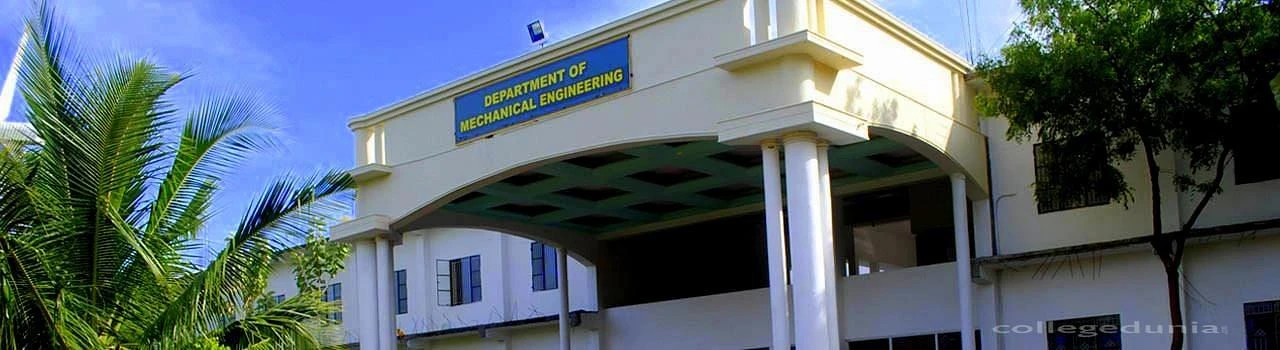
CAPE offers a standard set of engineering programs under the Anna University curriculum. The B.E. and B.Tech intake is telling: CSE leads with 120 seats, followed by IT, ECE, EEE, and Mechanical at 60 each. The newer B.E. in AI & ML has a smaller intake of 30. At the postgraduate level, you can pursue M.E. in five specializations or an MBA. There's also a Ph.D. program in Mechanical Engineering.
The academic rhythm is dictated by Anna University's schedule. You'll follow their syllabus, their exam patterns, and their 10-point CGPA system. Faculty quality gets mixed but generally positive remarks, especially in the Mechanical and CSE departments where experienced professors are a noted strength. A unique academic feature is the optional Japanese language training, aimed at students targeting the international job market. It's a practical add-on you don't see everywhere.
This is where you need to read between the lines. The official placement percentage claim floats between 70-90%. Dig into student reviews on platforms like Shiksha and CollegeDunia, and a different picture emerges. The working number alumni cite is closer to 30-40% for core branches like Civil or Mechanical, and maybe 60% for CSE and IT. That disparity is the single most important thing to understand about CAPE.
The numbers for 2023-24 tell a clear story: a highest package of ₹6.8 LPA, an average of ₹3.6 LPA, and a median of ₹3.3 LPA. Recruiters are a mix of IT service giants (TCS, Infosys, Wipro, HCL, Zoho) and core/engineering firms (TVS, Voltech, JK Construction). For a CSE student okay with a mass-recruiter role at ₹3.5 LPA, the system works. For a Mechanical graduate hoping for a specialized, high-paying core job on campus, the path is much tougher. Internships open up from the 6th semester, and some students do land them with placement companies.
CAPE's affordability is its major draw for many. For the 2024-25 academic year, a government quota B.Tech student can expect tuition between ₹50,000 to ₹65,000. Management quota seats are higher, ranging from ₹85,000 to ₹1.1 lakhs. The big variable is hostel and mess, which adds another ₹70,000 to a significant ₹1.27 lakhs annually. Throw in other fees, and the total annual cost for a hostelite under the government quota lands between ₹1.3 to ₹1.9 lakhs.
Over four years, you're looking at a total cost of roughly ₹5.5 to ₹8.5 lakhs. That's a decent price for a full engineering degree. Financial aid helps: there's a First Graduate Scholarship offering a ₹25,000 annual fee waiver. Merit scholarships can cover 50-100% of tuition for high TNEA scores (above 180-190). Government post-matric scholarships for SC/ST students are also available. You can find more details on the official CAPE website.
For B.E./B.Tech, admission is 100% through TNEA (Tamil Nadu Engineering Admissions) counseling, based on your Class 12 marks. The 2024 cutoff ranks for the General category show where the demand lies. CSE filled seats between ranks 84,163 to 139,029. The newer AI & ML program had a wider range, from 55,333 to 120,000. IT and ECE/EEE slots went to students with ranks deeper into the 150,000-195,000 range. These are not highly competitive cutoffs, which aligns with the college's mid-tier Anna University ranking.
For M.E., you need a GATE or TANCET score. MBA admissions require TANCET. Management quota seats exist for both UG and PG programs, typically involving direct application to the college, often with a group discussion and personal interview.
The campus is consistently the most praised aspect. Described as serene, clean, and eco-friendly, it's set against a backdrop of mountains and windmills. The official claim is 100 acres, though some sources note 27. Either way, it's spacious. Hostels are on-campus, separate for genders, with rooms typically housing 2-3 students. Reviews give hostels a 3.9/5 for basic, functional living.
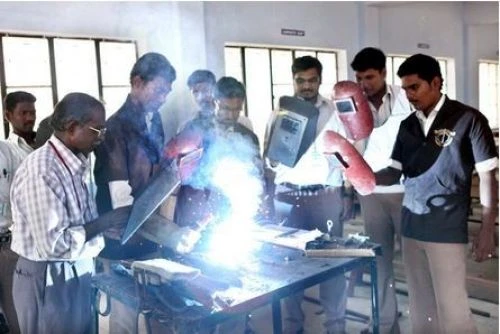
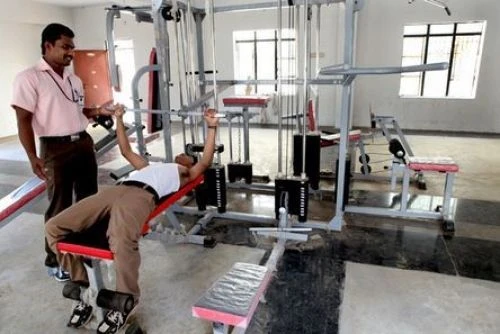
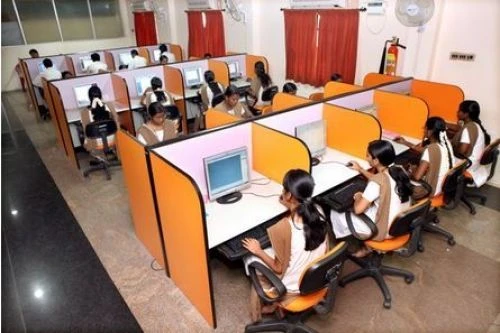
Infrastructure is adequate. Labs are well-equipped, with power backup and AC in key computer labs. The library has a digital system and a solid collection. Sports facilities include large grounds for cricket/football and indoor options. Wi-Fi is there, but speed can be spotty. The college runs a bus fleet covering nearby districts. The canteen, however, is a recurring point of contention in reviews—rated average (3.5/5) with complaints about monotony. And some students find the overall discipline and attendance rules stricter than expected.
Synthesizing feedback from CollegeDunia, Shiksha, and other forums, a clear consensus forms. The positives are strong: a beautiful, peaceful campus perfect for focused study; approachable and supportive faculty, particularly in core departments; and undeniable value for money for those with a government quota seat or scholarship.
The negatives are equally consistent. The placement disparity between IT and core branches is the biggest gripe. There's a sense that for a good software job, you must supplement the syllabus heavily on your own. The "school-like" strictness and canteen food quality are frequent nitpicks. One alumni review summed it up well: "The campus is the best part—very peaceful for studying. But if you want a high-paying IT job, you have to work on your own skills outside the syllabus."
Cape Institute of Technology is a solid, no-frills option for a specific student profile. If you have a TNEA rank between 80,000 and 1,80,000, are seeking an affordable engineering degree (especially under government quota), and prioritize a calm, studious environment over a bustling city campus, CAPE makes sense. It's a particularly pragmatic choice for CSE or IT aspirants who are self-motivated to build skills beyond the curriculum to secure a standard IT services job.
However, if you're passionate about core engineering fields like Mechanical or Civil and have your heart set on high-paying, specialized campus placements, you might feel underserved here. The placement support for those branches is simply not as strong. Similarly, if you crave a liberal, unstructured college life with vibrant city access, CAPE's remote location and reported strictness could be a drawback. It's a college that delivers on its core promise of a decent, affordable education in a pleasant setting, but it doesn't over-deliver. Your ROI depends almost entirely on your branch choice and your own proactive efforts.
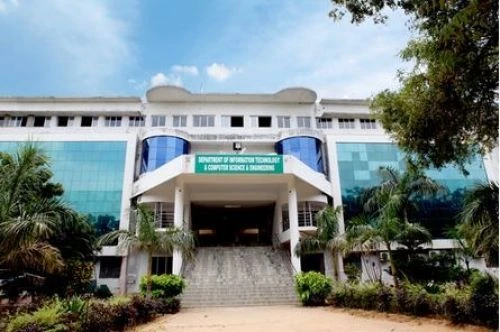
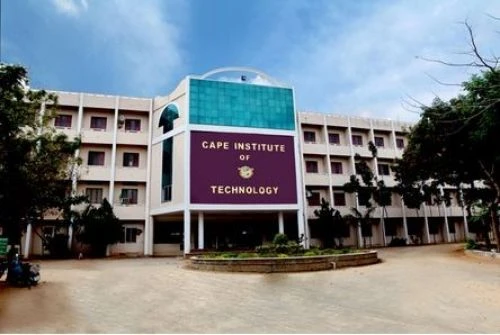
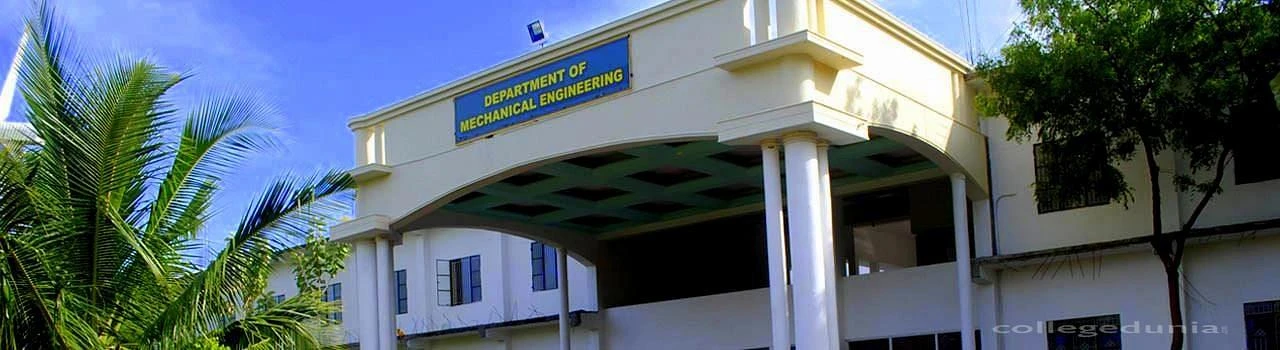
In this preview: 5 photos · 0 videos
Yes, the Computer Science Engineering department is considered one of the strongest at CAPE. It has the highest student intake and its placement records are typically better than those of the core engineering branches.
The total annual cost for hostel accommodation and mess charges at CAPE Tirunelveli ranges from approximately ₹70,000 to ₹1.27 Lakhs. The exact fee depends on the type of room selected by the student.
Yes, the college provides a scholarship for first-generation graduates. As per Tamil Nadu government norms, eligible students receive an annual tuition fee waiver of ₹25,000.
Placements for Mechanical Engineering at CAPE are moderate. Many students secure roles in core engineering firms such as TVS and JK Construction, but the offered salary packages are generally lower than those for IT roles, typically ranging from 2 to 3 LPA.
Yes, Cape Institute of Technology is a self-financing college that is affiliated with Anna University, Chennai.
Share what future students should know about CAPE.
Student voices are not rewritten by colleges. We remove spam and abuse.
Wider admission question? Community PulseWhat should future students know?
Tell us which course you're considering. We'll help you work out the next step.
Get instant Partner access after mobile verification. Your public edits are reviewed before they go live.
Claim this college
 Auditorium
 Cafeteria
 Computer Labs
 Gym
Gym Hostel
 Medical
 Science Labs
 Sports Complex
 Study Library