Loading Admission Guardian content
Loading Admission Guardian content

Provisional score based on available data. It may change as more information is verified.
Find a program, read its fee details and explore the admission requirements.
Summary of the programs shown below. First-year fee. Check the note beside each amount for inclusions and exclusions.
| Course | Stream | Fees |
|---|---|---|
| Bachelor of Technology [B.Tech] {Lateral} | Engineering | 52700 |
| Bachelor of Technology [B.Tech] | Engineering | 52950 |
| Master of Computer Applications [M.C.A] | Computer Applications | 60500 |
Specializations
All accepted exams
Eligibility: 10+3 with 50% + KEAM
Specializations
All accepted exams
Eligibility: 10+2 with 50% + KEAM
Eligibility: Graduation
If you're looking at engineering colleges in North Kerala and want something that's not a typical private institute but doesn't carry the full weight of a government college's cutoffs, the College of Engineering Vadakara (CEV) is a name that pops up. Originally the Co-operative Institute of Technology, Vadakara (CITV), this place has a specific, almost niche appeal. It's perched on a hilltop, offers a B+ grade NAAC-accredited education under KTU, and has a fee structure that's a fraction of what private colleges charge. But you trade the urban convenience for that hilltop serenity, and the placement packages reflect a more modest, realistic starting point for a career. It's a solid, no-frills option for students who score in the mid-range of KEAM and want a campus with a distinct character and active student clubs, without the financial burden.
CEV runs a focused set of programs, with B.Tech being the main draw. The total intake is around 360 per year, which keeps batch sizes manageable. Computer Science and Engineering (CSE) is the star, with an intake of 60-120 and a curriculum that's evolved to include electives in AI and Data Science. Electronics & Communication (ECE) and Information Technology (IT) are the other tech-heavy choices, with IT having a noted focus on Free and Open Source Software (FOSS). For core engineering, Civil and Electrical & Electronics (EEE) are available. Note that Mechanical Engineering appears to be discontinued.
The academic culture is defined by its affiliation with KTU. That means a rigorous 10-point CGPA system, a packed schedule, and the infamous 75% minimum attendance rule students talk about. The faculty, around 35-45 permanent members, gets consistently good reviews for being accessible and knowledgeable—many hold PhDs from institutes like NITs. It's not a research powerhouse, but for undergraduate teaching, they get the job done. The college leverages some interesting industry and academic tie-ups, most notably the e-Yantra Robotics Lab set up in collaboration with IIT Bombay, which is a genuine asset for ECE students. Active chapters of FOSS United, TinkerHub, and an IEDC cell add practical, peer-driven learning layers you don't always find at this fee level.
Let's separate the brochure talk from the ground reality. The Training and Placement Cell (TPC) is active and does bring companies to campus. The top recruiter, year after year, is TCS. You'll also see Infosys, Wipro, Cognizant, Capgemini, and a mix of mid-tier firms like QBurst and UST Global. For core branches, names like Quest Global and Aarbee Structures show up.
The official placement percentage is quoted between 70-80%. Dig into student reviews on platforms like Shiksha, and a more nuanced picture emerges. For CSE and IT, that number might hold true. For Civil or EEE, the on-campus placement rate is closer to 60%, with many students needing to hustle off-campus. The packages tell a clear story. The highest package for 2024 was 7 LPA, likely from TCS. The average sits firmly in the ₹3 to 3.5 LPA range, with a median around ₹3.25 LPA. You might hear whispers of 10 LPA offers, but those are almost certainly off-campus achievements.
So, the placement scene is decent, not dazzling. It provides a reliable launchpad into the IT services sector, especially for CSE/IT students. If you're in a core branch dreaming of a high-paying core job from campus, temper those expectations. Internship support is there, with links to Keltron, BSNL, and startups in Kozhikode's Cyberpark.
This is where CEV makes a compelling case. For a B.Tech student admitted through the KEAM merit quota, the first-year cost for 2025-26 is approximately ₹65,470. That breaks down to a ₹45,000 tuition fee plus mandatory charges like admission, university, PTA, and a refundable caution deposit. Over four years, you're looking at a total cost of roughly ₹2.8 lakhs.
Management quota fees are higher (₹65,000 tuition, ~₹85,470 first year total), and NRI quota is higher still. But compared to purely private institutions, it's a significant saving. For SC/ST/OEC students, tuition is free; they pay only the mandatory fees of about ₹12,470 per year.
Scholarships are available through the state's E-grantz scheme for eligible categories, along with MCM and CAPE-specific merit scholarships. The financial accessibility is a major part of CEV's value proposition.
Getting into CEV is straightforward but entirely dependent on one exam: the Kerala Engineering Architecture Medical (KEAM) entrance. There's no direct management quota admission; all seats, including management quota, are allotted through the state's Centralised Allotment Process (CAP) run by the Commissioner for Entrance Examinations (CEE).
The competition is reflected in the closing ranks. For the 2024 admission cycle, the General category cutoffs in the third round were:
These ranks give you a clear idea of the hierarchy. CSE is the most competitive, while EEE and Civil have more relaxed cutoffs. The application window for KEAM typically opens in February. Your entire strategy hinges on your KEAM rank and your branch preference during the CAP counseling.
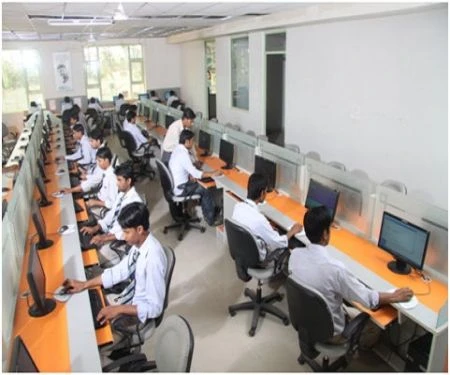
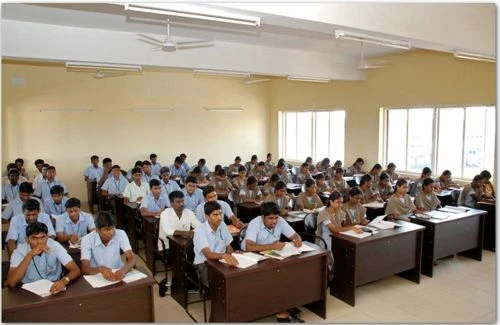
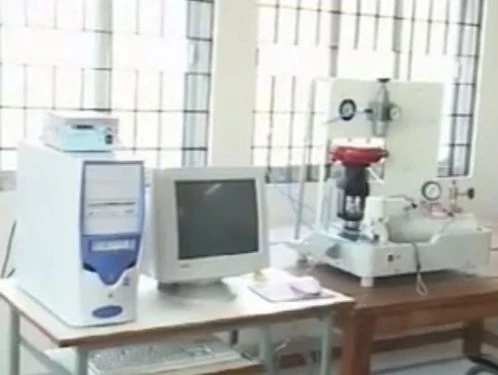
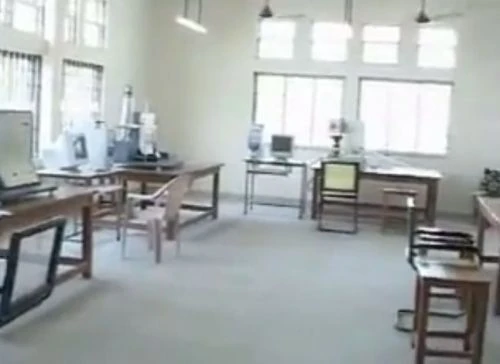
The campus is CEV's most distinctive feature—and its biggest logistical challenge. Spread over 26 acres on Kakoramala hill, it's scenic, often misty, and feels isolated in a way students either love or find frustrating. The "walk up the hill" from the bus stop is a rite of passage. Infrastructure is a mixed bag. Labs are well-maintained, especially the computer center and the e-Yantra lab. The library is automated and adequate. But students consistently note that some older classrooms and blocks show wear—think dust and occasional maintenance issues.
The hostel situation is a major point of discussion. For girls, there are three hostels with decent facilities, costing around ₹3,500 per month for mess and rent. For boys, it's a problem. As of 2025, there is no official on-campus boys' hostel (one is under construction). Male students live in private PGs or rented houses in nearby areas like Mandarathur, costing ₹3,000–4,500 per month. This lack of a unified campus life for boys is a significant downside.
Social life revolves around clubs and festivals. The tech fest Quasso Liberum (QL) has a good reputation. Chapters of IEEE, FOSS, TinkerHub, and a strong NSS unit keep students engaged. The big complaint? Sports. The hilly terrain means there's no proper flat ground for a full-sized football or cricket field. Facilities for basketball, volleyball, and table tennis exist, but that's about it.
Scouring Reddit (r/KeamKerala), CollegeDunia, and Shiksha reveals a clear consensus. The positives are emotional and practical. Students rave about the "vibe"—the hilltop sunsets, the mist, the sense of community. They praise the faculty for being genuinely supportive and approachable. The active club culture and the value-for-money education are huge pluses.
And the negatives are just as consistent. The remote location is a daily hassle. The lack of a boys' hostel is a constant grievance for outstation students. The strict KTU academic schedule and 75% attendance rule create pressure. Infrastructure maintenance can be spotty, and the sports facilities are lacking.
One alumnus summed it up well: "The college has its own vibe... the mist and the wind make it feel like a hill station, but the walk up from the bus stop is a workout." Another noted, "Placements are decent for CSE, but if you are in Civil or EEE, you really have to work on your own." The reviews paint a picture of a college with soul and some very real compromises.
CEV is a specific choice for a specific type of student. It's worth serious consideration if: your KEAM rank is between 20,000 and 50,000; you want a recognizable, accredited engineering degree with minimal financial debt; and you value an active, club-driven campus life over urban amenities. It's a particularly good deal for CSE/IT aspirants who get the best placement attention at a very low cost.
Look elsewhere if: you need the buzz of a city campus, can't handle the isolation and commute, or are a male student who absolutely requires on-campus hostel facilities. If your rank is high enough for a top government college like CET or NIT Calicut, obviously aim there. And if you're dreaming of lavish infrastructure and guaranteed high-paying core placements, a premium private college might be a better fit, albeit at 5-10 times the cost.
In the end, CEV delivers exactly what it promises on its website: a affordable, government-backed technical education in a unique setting. It's not fancy, and it has clear flaws, but for the right student, it represents a very sensible and rewarding path through an engineering degree.
In this preview: 5 photos · 0 videos
Co-operative Institute of Technology (CITV) Vadakara is a "Government-controlled self-financing" college. It is managed by CAPE, an organization established by the Government of Kerala, but it operates with a self-financing fee structure.
For the 2025-26 academic year, the management quota tuition fee at CITV Vadakara is ₹65,000 per year. The total approximate cost for the first year, including other fees, is around ₹85,470.
Computer Science and Engineering (CSE) is considered the most sought-after branch at CITV Vadakara. This is due to its high placement rate and comparatively lower KEAM entrance exam cutoff ranks for admission.
As of 2025, an official boys' hostel for CITV Vadakara is under construction. Currently, male students typically arrange accommodation in private paying guest facilities (PGs) or rented houses near the college campus.
The college is located approximately 14 kilometers from the Vadakara Railway Station. Transportation options for students include college buses and local public bus services.
Share what future students should know about CITV.
Student voices are not rewritten by colleges. We remove spam and abuse.
Wider admission question? Community PulseWhat should future students know?
Tell us which course you're considering. We'll help you work out the next step.
Get instant Partner access after mobile verification. Your public edits are reviewed before they go live.
Claim this college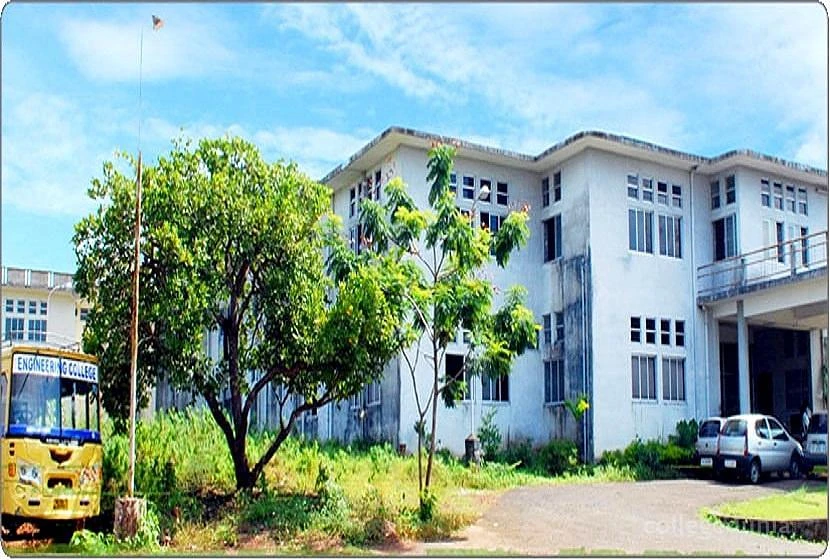
 Auditorium
 Computer Labs
 Hostel
 Medical
 Science Labs
 Sports Complex
 Study Library