Loading Admission Guardian content
Loading Admission Guardian content

Find a program, read its fee details and explore the admission requirements.
Summary of the programs shown below. Total course fee. Check the note beside each amount for inclusions and exclusions.
| Course | Stream | Fees |
|---|---|---|
| Master of Engineering [ME] | Engineering | 5400 |
| Bachelor of Engineering [BE] | Engineering | 10310 |
| Diploma in Applied Mechanics | Engineering | |
| Diploma in Engineering (Polytechnic) | Engineering |
Specializations
All accepted exams
Eligibility: Pass in Graduation + GATE
Specializations
All accepted exams
Eligibility: 10+2 with 45% + GUJCET
Specializations
Eligibility: 10+2
Specializations
Eligibility: 10+2
3 exams with cutoff data available - showing recent entries
 Essar Steels
 Welspun
Dr. S & S.S. Ghandhy Government Engineering College in Surat is a study in contrasts. It’s a government-run institution where the annual tuition fee is less than a mid-range smartphone, but where the placement data tells a more complicated story. Officially, the 2026 batch saw an 88% placement rate with an average package of INR 4.5-5.5 LPA. Talk to students, though, and you’ll hear numbers that swing from 30% to 75%, with average salaries often pegged closer to 3-4 LPA. That gap between the brochure and the ground reality is the first thing you need to understand. What you’re getting here is an incredibly affordable, AICTE-approved, NBA-accredited engineering education under Gujarat Technological University (GTU). The faculty, by nearly all accounts, is a genuine strength. The infrastructure is functional, if occasionally inconsistent. For a student from Gujarat looking for a low-cost, decent-quality engineering degree with a shot at IT and core sector jobs, it’s a pragmatic choice. Just don’t expect the polish or the placement certainty of a top-tier private institute.
The academic offering is straightforward and focused on core engineering disciplines. At the undergraduate level, the college has an intake of over 672 seats spread across six B.E. programs: Computer, Electronics & Communication, Electrical, Mechanical, Civil, and Environmental Engineering. Postgraduate M.E. programs are available in Civil and Electronics & Communication Engineering. There are no doctoral programs.
Academically, you’re signing up for the full GTU experience. The semester structure, curriculum, and notoriously challenging GTU exams are all part of the package. Students often note that the exam pattern and difficulty here are a step up from other board colleges. The academic calendar and departmental activities are governed by GTU norms, which means a standardized, if sometimes rigid, approach to engineering education.
The faculty consistently emerges as a high point in student reviews. Descriptions like “intelligent, knowledgeable, and supportive” are common, with some professors bringing valuable industry experience to the classroom. That’s a significant asset for a government college at this fee point. The college’s official website provides the academic calendar and syllabus details, but for the real vibe, you have to listen to students. They say the teaching quality is where this college punches above its weight.
This is where you need to read carefully. The official placement cell releases optimistic figures. For the 2026 batch, they cite an 88% placement rate, a highest package of INR 8-12 LPA, and an average of INR 4.5-5.5 LPA. The recruiter list is respectable, featuring IT giants like TCS, Infosys, Wipro, Accenture, and Cognizant, alongside core sector players like L&T, Torrent Power, Reliance, Adani, and GNFC.
But student reviews paint a more nuanced, and sometimes starkly different, picture. Placement percentages quoted by alumni range wildly from 30% to about 75%. The average package in these anecdotes is frequently mentioned as INR 3-4 LPA, with some reviews citing figures as low as INR 3.5 LPA. There’s also a notable branch-wise disparity. Data from the 2023-2024 cycle showed Mechanical at 62.5% and Electrical at 55%, while Civil and Environmental Engineering were below 40%. That tells you your branch choice matters—a lot.
Internship facilitation is a mixed bag. The college has industry connections and a training cell that works on it. Some students report good internship opportunities, with about 30% of Electrical students landing roles at companies like Adani Torrent Power. Others say it’s inconsistent. The takeaway? The placement cell is active and brings companies, but outcomes are not uniform. For top-tier packages, you’re largely on your own. For mass recruiters offering 3-5 LPA, the college provides a platform. That’s a decent outcome for the price, but manage your expectations.
The affordability is this college’s single most compelling feature. We’re talking about an annual tuition fee of approximately INR 6,000 for a B.Tech program. Let that sink in. For general category boys, it can be as low as INR 1,500 per year. Girls and students from reserved categories often pay no tuition fee at all.
Hostel fees are similarly minimal, ranging from INR 1,500 to INR 3,000 per year, though this typically excludes meals. Mess facilities are available at an additional, reasonable cost—think around INR 1,200 per month according to some students. You’ll encounter minor additional charges for registration and amenities, but the total cost of attendance is astonishingly low.
Financial aid is robust, as you’d expect from a Gujarat government institution. State merit and means-based scholarships are available, along with schemes like the Mukhyamantri Yuva Swavalamban Yojana (MYSY). The fee waivers themselves act as a major scholarship. If cost is a primary constraint, this college is virtually unbeatable in the region.
Admission is a centralized, transparent process run by the state. For the B.E./B.Tech programs, you need a qualifying score in either GUJCET (for Gujarat domicile students) or JEE Main (for both state and all-India quota candidates).
The entire selection is merit-based and managed by the Admission Committee for Professional Courses (ACPC), Government of Gujarat. The process is standard: qualify for the exam, register online on the ACPC portal during the window (typically April–June), fill your college and branch choices, and wait for allotment based on your rank, category, and seat availability. After allotment, you complete document verification and fee payment through the ACPC system.
Cutoff information is available for GUJCET and JEE Main ranks through the ACPC. They fluctuate each year based on applicant pool and seat availability. For PG (M.E.) admissions, a valid GATE score or performance in the state PGCET is required, followed by a similar counseling process.
The campus, spread over about 10,410 square meters, is functional. The building was renovated a few years ago, and there’s a new block for the Civil Engineering department. Classrooms are generally clean and comfortable, though the presence of smart boards or projectors isn’t universal. Some students wish for more tech-enabled classrooms.
Labs get mixed reviews. Some describe them as well-equipped with modern instruments, especially for ECE and Computer Engineering. Others call them average or in need of an upgrade. The central library is a highlight for many, stocked with over 15,000 books and digital resources, though its timings and collection of non-technical books have drawn some criticism.
Hostels are basic. Separate facilities for boys (capacity ~192) and girls (capacity ~30) are available. Rooms are usually shared by three, are well-ventilated and furnished, but maintenance and cleanliness are recurring pain points. Reviews mention water problems and network issues in the hostel blocks. The mess and canteen food is described as “average” at best, with significant variance in opinion—some find it healthy and enjoyable, others don’t.
Wi-Fi is officially available across campus and hostels, but its reliability is a common complaint. “Available but not always working” is a frequent refrain. Sports facilities are decent, with grounds for cricket, football, and volleyball, and courts for basketball and badminton. Indoor games like chess and carrom are also available.
Student life is active with technical festivals (TECHFEST), cultural events like Garba, sports weeks, and various competitions. There’s a sense of community, and students generally report a good, if not extravagant, campus life.
Synthesizing the student sentiment reveals a clear consensus on strengths and weaknesses.
The Good:
The Not-So-Good:
The overall feeling is one of pragmatic satisfaction. Students know they aren’t at a lavish private institute, but for the money, they feel they get capable teachers, a degree from a recognized government college, and a fair shot at the job market.
It depends entirely on your priorities and budget. If you are a cost-conscious student from Gujarat, looking for a legitimate, accredited engineering degree at almost no tuition cost, this college is an excellent, pragmatic choice. The quality of teaching is reliably good, which is the core academic product. You’ll get a functional campus life and access to a decent roster of recruiters, particularly in IT services.
But you have to be realistic. Don’t enroll in Environmental or Civil Engineering expecting the same placement activity as Computer or Electronics. Be prepared to supplement average infrastructure with self-study and external resources for competitive exams or high-end placements. The hostel is a place to sleep and study, not a luxury resort.
Who should look elsewhere? If you have a high JEE Main rank and can secure a seat in a top-tier NIT or IIIT, or if your family can comfortably afford a premium private university with stronger brand equity and consistent high placements, those are likely better paths. Dr. S & S.S. Ghandhy GEC is for the smart, budget-aware student who wants to get a solid engineering foundation without financial burden, and is willing to hustle a bit more for their dream job. For that specific profile, it’s absolutely worth it.
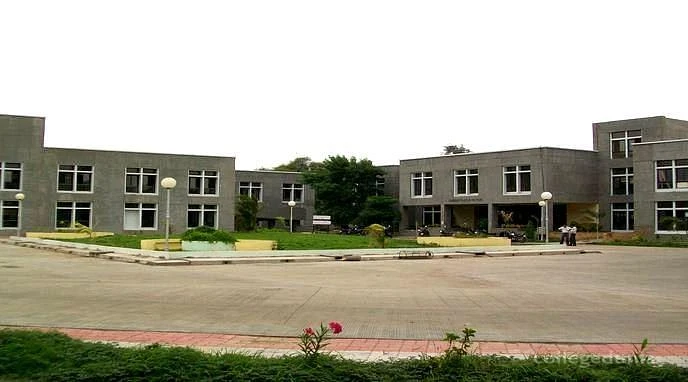
In this preview: 1 photo · 0 videos
The college offers B.E./B.Tech in six core branches: Computer, Electronics & Communication, Electrical, Mechanical, Civil, and Environmental Engineering, with over 672 seats. Admission is centralized through the Gujarat government's ACPC counseling. You need a valid score in either GUJCET (for state candidates) or JEE Main. Your rank in these exams determines your branch allotment during the counseling rounds.
The official 2026 placement report cites an 88% placement rate, with an average package of INR 4.5-5.5 LPA and a highest package of INR 8-12 LPA. Top recruiters include TCS, Infosys, Wipro, Accenture, L&T, and Torrent Power. It's important to note that student reviews often mention lower average packages (INR 3-4 LPA) and more variable placement rates, especially for non-IT branches like Civil and Environmental Engineering.
The annual tuition fee is remarkably low, around INR 6,000 for general category students. Girls and reserved category students frequently receive full tuition waivers. Hostel fees are between INR 1,500 to INR 3,000 per year, excluding food. Mess charges are extra and typically cost around INR 1,200-1,500 per month. The total cost of a four-year degree here is a fraction of most private colleges.
The campus provides modern classrooms (some with smart boards), well-equipped departmental labs, a central library with over 15,000 books, and sports grounds for cricket, football, and volleyball. Hostels are available but are basic, with noted issues around maintenance and Wi-Fi consistency. A canteen and first-aid medical facilities are also present on campus.
Students consistently praise the teaching faculty, describing them as highly qualified, knowledgeable, and supportive—a major strength of the college. Hostel life receives mixed reviews: rooms are furnished and livable, but complaints about cleanliness, water supply, and inconsistent Wi-Fi are common. The mess food quality is generally rated as average.
Share what future students should know about Dr. S & S.S. Ghandhy Government Engineering College.
Student voices are not rewritten by colleges. We remove spam and abuse.
Wider admission question? Community PulseWhat should future students know?
Tell us which course you're considering. We'll help you work out the next step.
Get instant Partner access after mobile verification. Your public edits are reviewed before they go live.
Claim this college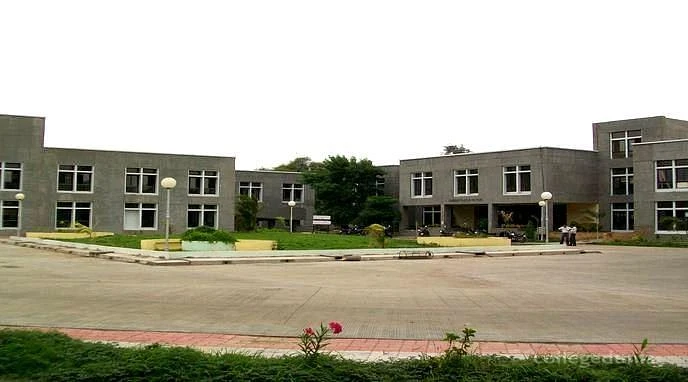
 Auditorium
 Cafeteria
 Computer Labs
 Gym
Gym Science Labs
 Sports Complex
 Study Library