Loading Admission Guardian content
Loading Admission Guardian content

Provisional score based on available data. It may change as more information is verified.
Find a program, read its fee details and explore the admission requirements.
Summary of the programs shown below. Total course fee. Check the note beside each amount for inclusions and exclusions.
| Course | Stream | Fees |
|---|---|---|
| Master of Technology [M.Tech] (Machine Design) | Engineering | 120000 |
| Bachelor of Engineering [BE] | Engineering | 221600 |
Specializations
All accepted exams
Eligibility: Graduation with 50%
Specializations
All accepted exams
Eligibility: 10+2 with 45%
1 exam with cutoff data available
 Accenture
 Amazon
 Capgemini
 Dell EMC
 Essar Steels
 Euthissa
 Hinduja Global Solutions Company
 Infosys
 Intel
Intel McAfee
 MindTree
 NTT DATA
 Titan Industries
 Virtusa
Dr. T. Thimmaiah Institute of Technology (DRTTIT) in Kolar is a private engineering college that’s been around since 1986, affiliated with Visvesvaraya Technological University (VTU). It holds an NAAC 'A' grade and NBA accreditation, which is a solid sign of institutional quality. But the story here is one of contrasts. You’ve got a sprawling 42-acre campus (though some sources say 8, so maybe it's a bit of both) in the Kolar Gold Fields area, a faculty with a high number of PhDs, and a wide range of engineering programs including niche ones like Mining. Yet, its placement data for 2023 tells a different, more sobering tale: a median package of ₹4.6 LPA and a placement rate of just 23.56% for UG engineering students. That gap—between institutional credentials and graduate outcomes—is what defines DRTTIT. It’s a college with a long history and decent infrastructure, but one where your job prospects post-graduation are far from guaranteed.
DRTTIT offers a standard VTU curriculum across eight B.E. programs with a total intake of 360 students. The program list includes the usual suspects—Computer Science, Information Science, AI & ML, ECE, EEE, Civil, and Mechanical—but also has a distinctive offering: Mining Engineering. That’s a nod to its location in the historic Kolar Gold Fields region. For postgraduates, there are M.Tech programs in Machine Design and Digital Communication, plus doctoral studies.
The academic strength seems to lie in its faculty. With 54 teachers and about 68 doctorates among them, the student-faculty ratio is theoretically favorable. You’ve got senior professors like Dr. Syed Ariff (Mining, 30 years exp.) and Mrs. Ruckmani Divakaran (ECE HOD, 30 years exp.) providing experience. The college talks up a focus on research, innovation, and practical learning, running faculty development programs on Outcome Based Education and student workshops on topics like deep learning. It’s the kind of academic environment that should, on paper, produce capable engineers. You’ll follow the VTU semester schedule and grading pattern, which is standard across hundreds of colleges in Karnataka.
This is where you need to pay close attention. The official NIRF data for 2023 is publicly available and tells a specific story. For UG Engineering, the median package was ₹4.6 LPA. The average package figures floating around are all over the map—₹3 LPA, ₹3.5 LPA, ₹5.5 LPA—which suggests inconsistent outcomes year-to-year or across branches. But the most critical number is the placement percentage: 23.56%. That means out of 211 eligible graduates, 45 got placed through the campus process.
Now, compare that to student reviews and other claims. You’ll see unverified mentions of a ₹18 LPA offer from Amazon and a ₹10 LPA from Byju's. Some reviews claim placement rates of 50%, 70%, or even over 90%. The gap between the official data and these anecdotal claims is notable. It’s possible a handful of top performers in CS or AI/ML land good roles, pulling up the "highest package" figure, while the majority in core branches struggle.
The recruiter list looks decent on paper: TCS, Wipro, Accenture, Cognizant, Infosys, Bosch, and even core companies like Coal India and Tata Steel for Mining. But the low placement percentage indicates these companies aren't hiring in large numbers here. The college mentions strong industry connections and that internships at places like Cisco can lead to PPOs. That’s a potential path, but not a guaranteed one for most.
The reality check? Treat the high placement percentage claims with skepticism. The verified data suggests campus placement is a competitive event for a minority of students. You’ll likely need to be in the top quartile of your class, probably in a CS-related branch, and be proactive in seeking off-campus opportunities to secure a job near graduation.
The fee structure is a bit of a range. For B.Tech, annual tuition can be anywhere from ₹64,000 to ₹3,60,000. The total course fee for four years is typically cited between ₹4.17 lakhs and ₹4.5 lakhs. That’s on the more affordable side for a private engineering college. Hostel and mess fees add about ₹90,000 per year. So, a rough total annual cost for a student staying on campus could be around ₹2 lakhs, as per some student estimates.
Where DRTTIT does reasonably well is in scholarship support. They list a wide array of options: Government of India merit scholarships, full fee-reimbursement for SC/ST students, Karnataka state scholarships (up to ₹88,000 for SC/ST), minority scholarships, and even their own alumni and endowment scholarships. If you have the merit or belong to a reserved category, the net cost can become very manageable. It’s worth digging into the specifics on their official website or with the college administration to see what you qualify for.
For B.E./B.Tech, admissions are primarily through Karnataka's state entrance exam, KCET. COMEDK UGET and JEE Main scores are also accepted. The cutoffs are where you see the college’s current demand. Looking at KCET 2025 Home State Ranks, the closing ranks are quite high (meaning the rank number is high, indicating lower demand). For example, Computer Science and Engineering closed at 151667, and AI & ML at 124649. For 2024, ranks were similar, with Mechanical Engineering going to a rank of 177548 in one category.
What does that mean? These are not competitive cutoffs. Students with moderate KCET ranks can easily get a seat here, especially in non-CS branches. For M.Tech, the gateway is the Karnataka PGCET or GATE. The selection process is standard: qualify in the entrance exam, participate in the centralized counseling (KCET, COMEDK, PGCET), get allotted a seat, and then complete document verification and fee payment at the college. The application windows follow the respective exam calendars—KCET typically in the early part of the year.
The campus is reportedly spacious, either 42 or 8 acres depending on the source you believe. It’s located in Oorgaum, part of the KGF area, which is a quieter, historic mining district about 100 km from Bangalore. That’s both a pro and a con. You get a large, possibly self-contained campus away from city distractions. But you’re also relatively isolated, with limited access to the internships, meetups, and exposure that a metro like Bangalore offers.
Infrastructure includes the necessary labs, workshops, and a library as per VTU norms. Hostels are available, with the combined mess and accommodation cost around ₹90,000 per year. Student reviews often mention the food as just okay—typical college mess fare. Social life will revolve around campus festivals, technical events, and sports facilities. Don’t expect a "vibrant" city life. It’s a campus where you’ll spend most of your time. If you’re looking for a focused, perhaps quieter study environment, this works. If you crave a bustling college town, it might feel remote.
Synthesizing the sentiment from various review platforms paints a picture of a college with decent fundamentals but clear frustrations. The positives often highlight the experienced faculty, the large campus, and the low fee structure (especially with scholarships). Some students in Computer Science or AI branches who secured good placements speak well of their specific department’s training.
The negatives are more consistent and concerning. The most common complaint is the dismal placement scene for the majority. Many reviews explicitly warn that unless you are a top performer, you cannot rely on campus placements. There’s also mention of administrative rigidity, average hostel food, and the location being a bit of a backwater, limiting industry interaction. The disparity between the college’s official claims (sometimes cited in brochures) and the ground reality of job searches is a recurring theme in critical reviews.
DRTTIT is a classic case of "it depends on your context." If you have a moderate KCET rank, are seeking an affordable NAAC 'A' grade engineering degree with decent faculty, and belong to a category that qualifies for substantial scholarships, it can be a value-for-money option. This is especially true for branches like Mining Engineering, where its location and heritage might offer unique relevance. The low fees reduce the financial risk.
However, if your primary goal is a high probability of campus placement with a strong package, you should probably look elsewhere. The verified 23.56% placement rate is a major red flag. It indicates that success here is largely self-driven. You’ll need to leverage the decent faculty, use the time for rigorous self-study and projects, and aggressively pursue off-campus internships and jobs from Day One. The college provides a platform, but it won’t hand you a career.
So, who is it for? Budget-conscious students who didn’t crack top college cutoffs, are self-motivated learners, and see the degree as a baseline to build upon through external efforts. Who should avoid it? Students who expect the college’s placement cell to be a reliable gateway to the corporate world. For them, the risk of being among the 76% not placed from campus is too high, regardless of how green the 42-acre campus might be.
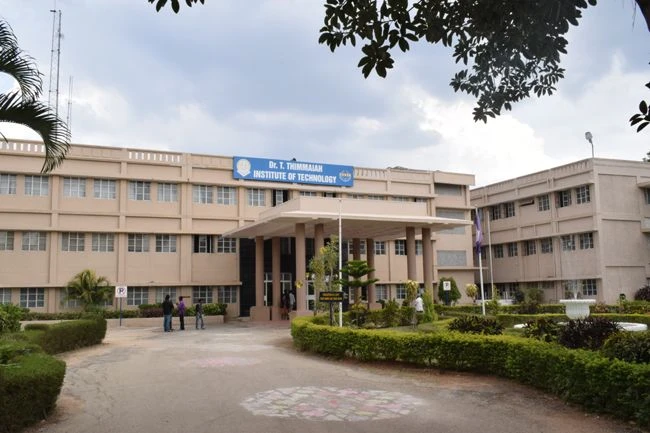
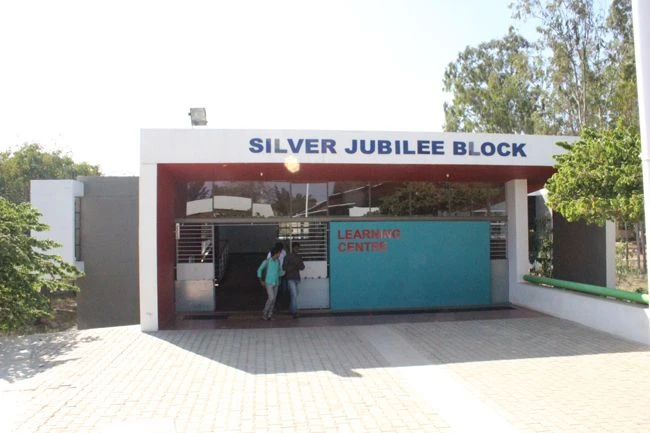
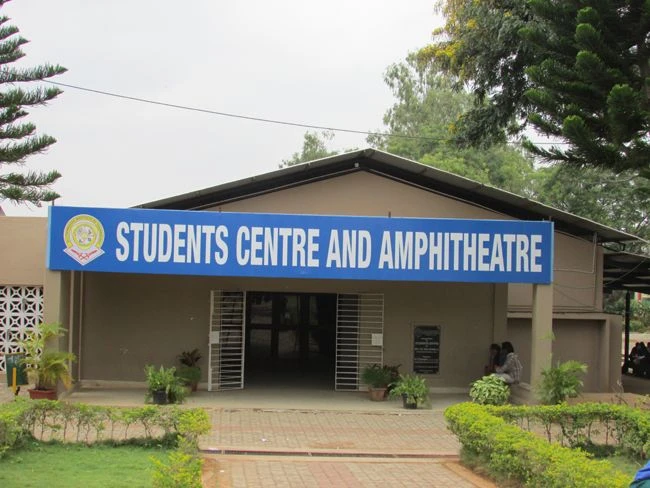
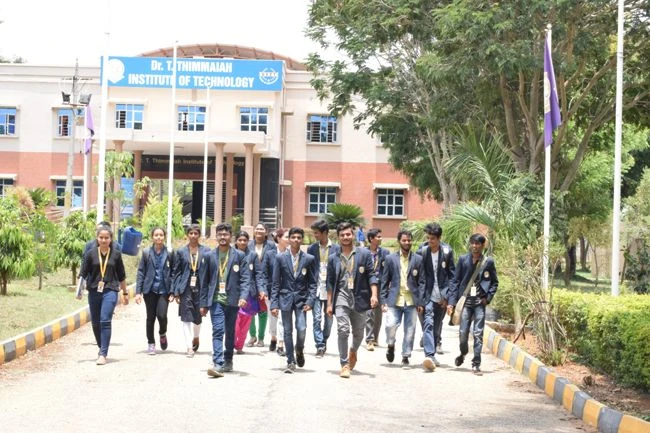

In this preview: 5 photos · 0 videos
Verified data from the NIRF 2023 report shows the median package for UG Engineering graduates was ₹4.6 LPA. Various unverified sources cite average packages ranging from ₹3 LPA to ₹5.5 LPA, indicating significant variation. The highest package claim is ₹18 LPA from Amazon, but this is an outlier for top performers, not the average.
The annual tuition fee for B.Tech programs at DRTTIT ranges from approximately ₹64,000 to ₹3,60,000, depending on the specialization and management quota. The total course fee for four years is typically between ₹4.17 lakhs and ₹4.5 lakhs. Hostel and mess charges are extra, costing around ₹90,000 per year.
For the 2025 admission cycle, the closing Home State Rank for the B.E. in Computer Science and Engineering at DRTTIT was 151667. In the previous year (2024), the cutoff rank was 166042 for the general category. These are relatively high ranks, meaning seats are available for students with moderate KCET scores.
Placement performance is a major concern. The official NIRF 2023 data reports a campus placement rate of only 23.56% for UG Engineering students. While the college has a list of good recruiters like TCS, Wipro, and Accenture, they hire in limited numbers. Success in placements is highly selective and often depends on the student's branch (CS/AI/ML have better odds) and individual initiative to seek off-campus opportunities.
DRTTIT offers numerous scholarship options including Government of India Merit Scholarships, full fee-reimbursement for SC/ST students, Karnataka State Scholarships (up to ₹88,000 for SC/ST), Minority Religion Scholarships, and institution-specific scholarships like the TTIT Alumni Scholarship and TTIT Freedom Fighter Endowment Scholarship. Eligibility is based on merit, category, and need.
Share what future students should know about DRTTIT.
Student voices are not rewritten by colleges. We remove spam and abuse.
Wider admission question? Community PulseWhat should future students know?
Tell us which course you're considering. We'll help you work out the next step.
Get instant Partner access after mobile verification. Your public edits are reviewed before they go live.
Claim this college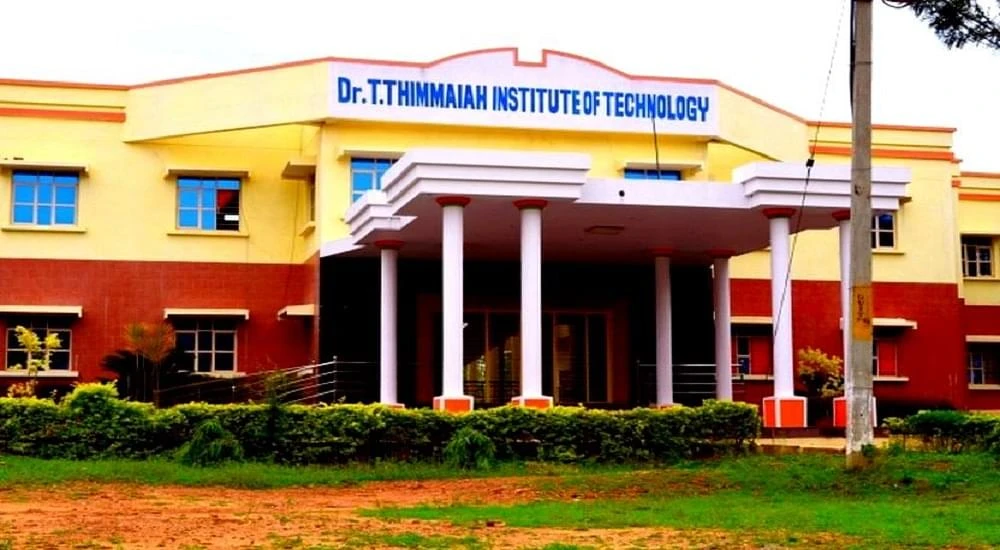

 Auditorium
 Cafeteria
 Computer Labs
 Gym
Gym Hostel
 Medical
 Science Labs
 Sports Complex
 Study Library