Loading Admission Guardian content
Loading Admission Guardian content
Provisional score based on available data. It may change as more information is verified.
Find a program, read its fee details and explore the admission requirements.
Summary of the programs shown below. First-year fee. Check the note beside each amount for inclusions and exclusions.
| Course | Stream | Fees |
|---|---|---|
| Diploma in Engineering (Polytechnic) | Engineering | 28000 |
| Bachelor of Technology [B.Tech] | Engineering | 49000 |
Specializations
Specializations
All accepted exams
Eligibility: 10+2 with 45% + JEE Main
If you're looking for an engineering degree in the Dungarpur region and your primary concern is cost, Dungarpur College of Engineering and Technology (DCET) is likely on your list. But there's a catch. The college's official website has been suspended for some time, and recent, concrete data on placements is hard to come by. What you'll find is a private, AICTE-approved institution that serves a specific, local need—offering B.Tech and Diploma programs at a fraction of the price of colleges in Jaipur or Udaipur. It's a pragmatic choice for some, but one that requires tempered expectations, especially when it comes to campus recruitment and cutting-edge facilities. The story here isn't about rankings or high-flying packages; it's about accessibility and a degree within reach.
DCET's academic offerings are straightforward, centered on traditional engineering disciplines. All programs operate under the syllabus and semester system of Rajasthan Technical University (RTU). The B.Tech program has a total intake of around 240-300 students, split across core branches: Civil, Mechanical, Electrical, and Electronics & Communication Engineering, each with about 60 seats. Computer Science Engineering has been listed inconsistently in recent years. For those seeking a shorter technical route, the three-year Diploma (Polytechnic) programs in Mechanical and Electrical Engineering are also available.
The academic culture is what you'd expect from a smaller, regional college. The faculty, numbering around 28-30, is a mix. Most hold M.Tech degrees, with PhDs typically limited to senior roles like the Principal, Dr. Mohammad Israr. Student reviews frequently mention that the local professors are approachable and supportive—a definite positive. But there's a noted turnover issue. Talented faculty often move on to better opportunities in bigger cities, which can disrupt continuity. The college historically functioned as a remote center for IIT Bombay workshops, though it's unclear how active that collaboration is today.
This is where you need to read between the lines. Official placement reports for recent years (2023-2025) aren't publicly available. The figures you'll see are a blend of historical highs and student-shared anecdotes. The highest package touted is ₹10.5 LPA from TCS, but that's from a decade ago, in 2015. A more recent, and perhaps more telling, benchmark is the average package cited in student reviews: between ₹3 and ₹4.2 lakhs per annum.
The gap between the college's claimed placement rate (often 80-90%) and the reality described by alumni is notable. The consensus from forums like CollegeDunia and Shiksha suggests the actual on-campus placement rate is closer to 40-50% for core branches. Many students end up seeking opportunities off-campus, traveling to pool drives in Udaipur or Ahmedabad. Recruiters that have visited include IT service giants like TCS, Infosys, Wipro, and HCL, along with industrial names from the Tata Group, L&T, and Vedanta. That's a decent list for a college in this tier, but the frequency and number of offers are the limiting factors. Don't expect a parade of recruiters.
Affordability is DCET's strongest card. The fees are regulated under the state's TFAC structure, keeping costs low. For the 2024-25 session, the B.Tech tuition fee is approximately ₹49,000 per year. Over four years, that's roughly ₹1.96 lakhs in total tuition—a figure that's hard to find elsewhere for a private B.Tech. The Diploma program is even more affordable at about ₹28,000 annually. On top of tuition, you need to budget for hostel and mess fees, which range from ₹24,000 to ₹30,000 per year, plus other one-time and semester-based charges like development and exam fees.
Financial aid is primarily available through state government schemes. Scholarships from the Rajasthan Samaj Kalyan Vibhag (Social Justice and Empowerment Department) are accessible for eligible SC, ST, OBC, and BPL category students. It's a crucial support system that makes this college a viable option for many in the region.
Admission is centralized through the Rajasthan Engineering Admission Process (REAP). Eligibility is fairly straightforward: a minimum of 45% aggregate in PCM for general category students, or 40% for reserved categories. While JEE Main scores are accepted, especially for the 15% outside-Rajasthan quota, the primary mode is REAP counseling based on Class 12th board marks.
The cutoffs aren't fiercely competitive. In fact, seats often remain available into the final rounds of REAP counseling, indicating that the college typically fills its intake from students within the local catchment area. There is also a management quota, accounting for roughly 15% of seats, which allows for direct admission at the institute level, though details on that process are not publicly transparent.
The 8-acre campus provides the essentials, but don't picture a sprawling, luxurious institute. Infrastructure is functional. The hostels, separate for boys and girls, offer basic accommodation with rooms typically shared between two or three students. Reviews rate them around a 3 out of 5—adequate, not impressive. The canteen and mess food gets similar middling reviews, with a common complaint being repetitive menus, though hygiene is generally considered acceptable.
Labs for core engineering subjects exist, but student comments suggest the equipment is aging. A recurring theme in reviews is that some machines in workshops are "just for show." The library holds a collection of over 10,000 books. Wi-Fi is available but reportedly spotty, confined to specific zones like the library and labs. On the extracurricular front, there's a large playground for cricket and football, plus basic indoor games facilities. Social life is quiet and revolves around the campus and town.
Sifting through student feedback paints a consistent picture. The median consensus is that DCET is a "budget-friendly" option for local students from the Dungarpur and Banswara region who can't or don't want to relocate to larger cities for their education. It's not seen as a destination for high-flying careers, but as a pathway to a degree.
The positives are clear: extreme affordability, local accessibility, and a faculty body that students often describe as supportive and helpful. These aren't small things.
The negatives, however, are significant for those with different expectations. Placement reality is the biggest gripe—the promise doesn't match the on-ground experience, with many having to hustle off-campus. Infrastructure maintenance is another common critique, from the canteen food to lab equipment. Students also mention administrative delays, particularly with scholarship paperwork, and note that better faculty members tend to leave, leading to a turnover problem.
One paraphrased student quote sums it up: "If you want a degree at a low cost and live nearby, it's okay. But don't expect a 10 LPA job from the campus."
The answer depends entirely on your context and goals. For a student from the Dungarpur district with limited financial means, seeking a recognized B.Tech or Diploma degree close to home, DCET serves a clear purpose. Its low fees and local presence fill a gap that more prestigious colleges in distant cities cannot. In that scenario, it can be a pragmatic and worthwhile choice.
However, if your primary aim is robust campus placements, exposure to industry-leading infrastructure, or a vibrant college social scene, you will likely be disappointed. The placement data is dated and modest, the facilities are basic, and the location is remote. Students with the option and ambition to compete for seats in government colleges or better-established private institutions in Jaipur, Kota, or Udaipur should probably look elsewhere. DCET is a specific solution for a specific need—understand that need clearly before you decide.

In this preview: 1 photo · 0 videos
The current operational status of DCET Dungarpur is uncertain as its official website appears to be suspended. However, the college was still listed in the 2024 REAP counseling databases, indicating it was active for admissions in that cycle.
The tuition fee for the B.Tech program at Dungarpur College of Engineering and Technology is approximately ₹49,000 per year.
No, Dungarpur College of Engineering and Technology does not provide 100% placements. While the college may claim high placement numbers, the actual on-campus placement rate is reported to be significantly lower.
Yes, Dungarpur College of Engineering and Technology provides separate hostel facilities for both boys and girls on its campus.
The better choice depends on your academic goal. Government Polytechnic Dungarpur is generally preferred for Diploma courses due to its lower fees and government status. Dungarpur College of Engineering and Technology (DCET) is the option for students specifically seeking a B.Tech degree.
Share what future students should know about Dungarpur College of Engineering and Technology.
Student voices are not rewritten by colleges. We remove spam and abuse.
Wider admission question? Community PulseWhat should future students know?
Tell us which course you're considering. We'll help you work out the next step.
Get instant Partner access after mobile verification. Your public edits are reviewed before they go live.
Claim this college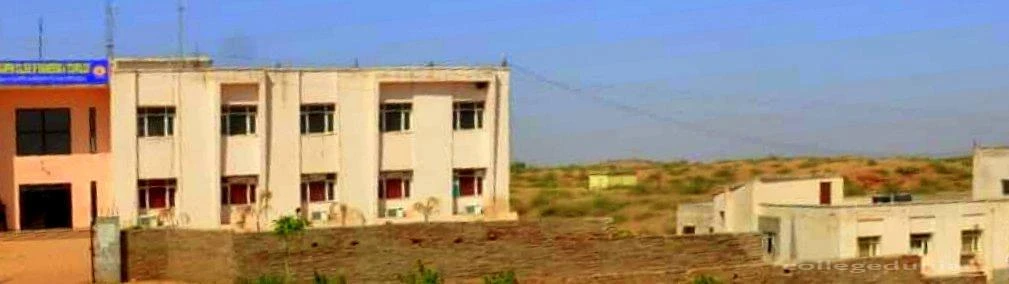
 Auditorium
 Cafeteria
 Computer Labs
 Gym
Gym Hostel
 Medical
 Science Labs
 Sports Complex
 Study Library