Loading Admission Guardian content
Loading Admission Guardian content

Provisional score based on available data. It may change as more information is verified.
Selected ranking categories, with the recorded year beside each result. Open all records for the complete history.
1 published record · Lower numeric ranks are stronger
Find a program, read its fee details and explore the admission requirements.
Summary of the programs shown below. First-year fee. Check the note beside each amount for inclusions and exclusions.
| Course | Stream | Fees |
|---|---|---|
| Bachelor of Technology [B.Tech] | Engineering | 70000 |
| Master of Technology [M.Tech] | Engineering |
Specializations
All accepted exams
Eligibility: 10+2 with 45% + KCET
Specializations
All accepted exams
Eligibility: Pass in Graduation + GATE
3 exams with cutoff data available - showing recent entries
G. Made Gowda Institute of Technology (GMIT) in Mandya is a private engineering college that tells a story of potential and growing pains. Established in 2011 on a 27-acre campus, it's affiliated with the massive Visvesvaraya Technological University (VTU). The college has NBA accreditation for its programs, which is a solid mark of quality for a relatively young institution. But the real narrative here is in the numbers—a highest package that jumped from ₹6 LPA in 2021 to ₹14.5 LPA in 2024, and an overall placement rate that sat at 43.6% for the 2023-24 batch. That's the kind of data that makes you lean in. It's a college clearly trying to climb, offering newer specializations like AI & ML and Computer Science & Design, but still wrestling with the placement challenges common to many Tier-2/3 private colleges in Karnataka. For students who clear the KCET with a rank around 200,000, it presents a viable, affordable option. Whether it's the right one depends heavily on what you're looking for and how much you're willing to push beyond the classroom.
GMIT offers a standard suite of engineering programs under the VTU umbrella, with a noticeable tilt towards computer-related fields. The intake numbers tell the story of demand: Computer Science & Engineering leads with 120 seats, followed by 60 each for ECE, EEE, and the newer AI & ML and CS & Design streams. Core branches like Mechanical and Civil have a more modest intake of 30 seats each. That's a clear market signal.
On the postgraduate side, the college runs two M.Tech programs (Digital Electronics & Communication Systems, Product Design & Manufacturing) with very small intakes of 9 students each, alongside MBA and MCA programs with 60 seats apiece. The faculty strength is noted as "more than 60" qualified members, though specific data on PhD holders isn't publicly highlighted. Academically, the college emphasizes project-based learning and an industry-oriented curriculum, which is a common claim. The real test of that is in the internship and placement outcomes, which are a mixed bag. Being part of VTU means the syllabus, exam patterns, and academic calendar are standardized, which has its pros and cons.
This is where you need to read between the lines. The official data shows a college in transition. The highest package jumped to ₹14.5 LPA in 2024, which is a positive sign. However, the average package was reported at ₹3 LPA for the same year, and the overall placement percentage for 2023-24 was 43.6%. That last number is crucial—it means a little over four in ten graduating students secured a job through the campus process that year.
Branch-wise, the story varies wildly. In 2023-24, Civil Engineering reportedly saw 100% placement, and Mechanical hit 88.24%. But for the flagship Computer Science & Engineering, the rate was 49.02%. That gap between core and CS is notable and suggests placement efforts or opportunities aren't evenly distributed.
Student reviews add another layer. Some claim placement rates of 80-90%, while others cite figures as low as 10-35%. This extreme variance is common on review platforms and often reflects individual batch luck, specific departments, or personal experience. The median package data provides a more stable middle ground: ₹4 LPA overall for 2023-24.
Recruiters are a mix of IT service giants and smaller firms. Names like Infosys, Wipro, TCS, Capgemini, HCL, and Bosch appear on the official list. You'll also see QSpiders, Torry Harris, Kaynes, and various tech solutions companies. Some student reviews mention Amazon, Adobe, and Cognizant, but these aren't verified in the official brief. Internship support is mentioned as being facilitated through ties, but some students have expressed a desire for more robust opportunities.
The takeaway? The placement cell is active and brings companies, but outcomes are inconsistent. Securing a job here likely requires significant individual initiative alongside the college's efforts.
For a private institution, GMIT's fee structure for the Karnataka CET quota is relatively affordable. Annual tuition for B.E. programs ranges from about ₹85,050 to ₹1,07,315. The total estimated program cost for a B.Tech is between ₹7.16 and ₹7.59 lakhs over four years. That's a decent price point for an NBA-accredited engineering degree.
Management quota seats will cost more, as is standard. For postgraduates, the total program cost for M.Tech is indicated between ₹1.37 to ₹3.0 lakhs, and MBA between ₹1.5 to ₹2.5 lakhs.
Hostel and mess fees are separate. One student review pegged the mess fee at around ₹2,000 per month, which is plausible. The college states it facilitates access to state and central government scholarships for eligible students (SC/ST/OBC/EWS, minorities, based on income or merit). These can include tuition fee reimbursement and maintenance allowances, which is a significant benefit for those who qualify.
Admission to the B.E./B.Tech programs is primarily through the Karnataka Common Entrance Test (KCET). COMEDK UGET is also accepted. For postgraduates, it's Karnataka PGCET or GATE for M.Tech, and PGCET for MBA/MCA.
The KCET cutoffs give you a sense of the competition—or lack thereof. For the 2025 cycle, the cutoff rank for B.Tech Mechanical Engineering in the General Merit (GM) category ranged from 178,188 to 259,158. For the 2AG category, the 2024 cutoff was 259,811. These are not highly competitive ranks. They indicate GMIT is an option for students with moderate KCET scores who are looking for an affordable, accredited private college.
The selection process is straightforward: score in the entrance exam, participate in the centralized counseling (like KCET counseling), get allotted a seat, verify documents, and pay the fees. The college's website or the official Karnataka Examinations Authority site is the source for exact application windows and fees. A management quota exists, typically filling 20% of PG seats, with higher associated fees.
The 27-acre campus is frequently cited as a positive. Infrastructure includes spacious, ICT-enabled classrooms, a central library with digital resources, and well-maintained departmental labs. The sports facilities are a standout feature, with grounds for cricket and football, an indoor games area, a swimming pool, and a gym. That's more than many comparable colleges offer.
Hostels have a capacity for over 750 students, with separate blocks for boys and girls. Rooms are described as spacious and furnished with basic amenities. The college claims high hygiene standards. Food gets a mention too, with the mess and canteen said to provide nutritious options at reasonable prices—one student review called it "delicious."
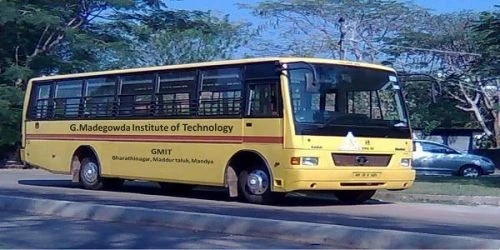
Other amenities include an on-campus ATM, post office, health center, and a transport fleet for commuters. The college claims campus-wide Wi-Fi, though a contradictory student review states "no Wi-Fi available." Such conflicts in user reviews are common and hard to verify without a campus visit.
Location-wise, it's in a quieter, semi-rural setting in Bharathinagara. The nearest major rail link is Maddur Railway Station (16 km away), and Mysuru Airport is about 50-68 km away. It's not a city campus, so social life is largely contained within the college community.
Sifting through the sentiment, a consensus emerges: the infrastructure and physical facilities are genuinely good, especially for the fee. The labs, library, hostels, and sports facilities receive consistent praise. That's a big plus.
The academic experience gets a middling review. Faculty are described as a mix—some helpful and qualified, others less so. The VTU system's rigid curriculum and exam-heavy approach are noted, which isn't unique to GMIT. Where opinions diverge sharply is on placements and opportunities. Some students report satisfactory training and decent outcomes, particularly in core branches. Others express frustration with the placement cell's effectiveness and the number of companies visiting, especially for CS and IT streams.
The rural location is a double-edged sword. It ensures a distraction-free environment for study, but some find it too isolated, with limited access to city-based internships, events, or networking.
Overall, the review landscape paints GMIT as a college with a good physical foundation but where the onus of academic and career success falls heavily on the student. It's not a college that will carry you to a job; it's one that provides a platform you'll need to build upon yourself.
GMIT Mandya is a specific kind of bet. It's worth serious consideration if you have a KCET rank in the 180,000-260,000 range and are seeking an NBA-accredited, affordable private engineering college. The infrastructure is a legitimate strength, and the fees for the CET quota are reasonable. If you're entering Civil, Mechanical, or EEE, the historically higher placement percentages are a positive signal.
You should probably look elsewhere if your primary goal is a vibrant, city-based campus life with easy access to a plethora of internships and a high-probability, high-paying campus placement in IT. The 43.6% overall placement rate and the mixed student reviews on career support are real caveats. Success here, particularly in competitive streams like CSE or AI&ML, will require you to be highly self-motivated—leveraging online courses, building your own projects, and aggressively seeking off-campus opportunities.
In short, GMIT provides a decent, accredited academic base at a fair price. It's a canvas. What gets painted on it depends almost entirely on the student holding the brush.
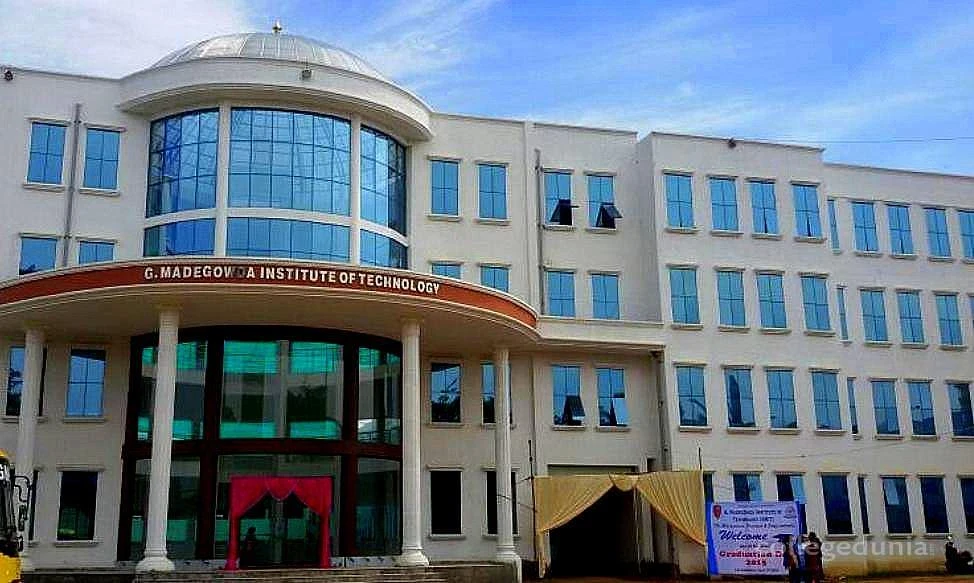
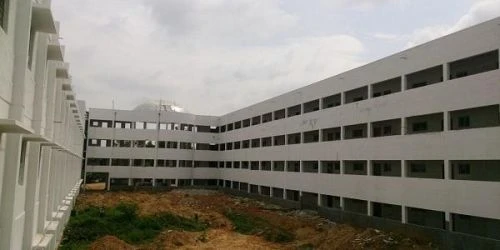
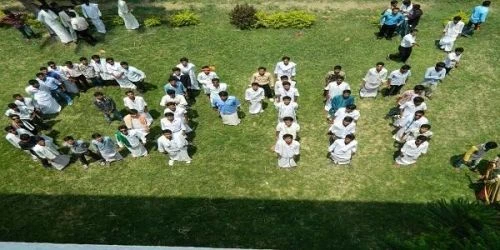
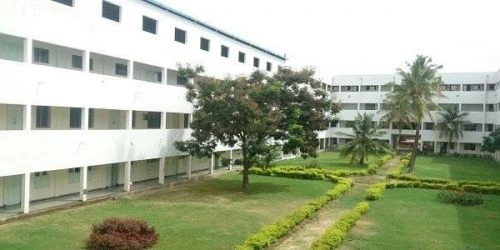
In this preview: 5 photos · 0 videos
The highest package offered at GMIT Mandya, as per official data, was ₹14.5 Lakhs Per Annum (LPA) for the 2024 placement season. Some unverified student reviews have mentioned figures as high as ₹40 LPA, but the officially reported number for recent years is ₹14.5 LPA.
For B.E./B.Tech programs under the Karnataka CET quota, the annual tuition fee at GMIT Mandya is approximately ₹85,050 to ₹1,07,315. The total estimated program cost for a four-year B.Tech degree ranges from ₹7.16 lakhs to ₹7.59 lakhs. Management quota seats and specific specializations may have different fee structures.
Placements for Computer Science & Engineering (CSE) at GMIT Mandya show variability. For the 2023-24 academic year, the official placement percentage for CSE was 49.02%. The college has recruiters like Infosys, Wipro, TCS, and Capgemini visiting campus. However, student reviews indicate that securing a good placement often requires significant individual effort alongside the college's placement cell activities.
The KCET cutoff ranks for GMIT Mandya are not highly competitive. For the 2025 cycle, the cutoff for B.Tech Mechanical Engineering in the General Merit (GM) category ranged from 178,188 to 259,158. In the previous year (2024), the cutoff for the 2AG category was 259,811. These ranks indicate the college is an option for students with moderate KCET scores.
GMIT Mandya can be a good choice for students seeking an affordable, NBA-accredited engineering college with good infrastructure, especially if they secure admission through the CET quota with a moderate rank. Its strengths include modern facilities, sports amenities, and a distraction-free campus. However, its placement record is mixed (43.6% overall in 2023-24), and career success often depends on student initiative. It is best suited for self-motivated learners comfortable with a semi-rural location.
Share what future students should know about GMIT.
Student voices are not rewritten by colleges. We remove spam and abuse.
Wider admission question? Community PulseWhat should future students know?
Tell us which course you're considering. We'll help you work out the next step.
Get instant Partner access after mobile verification. Your public edits are reviewed before they go live.
Claim this college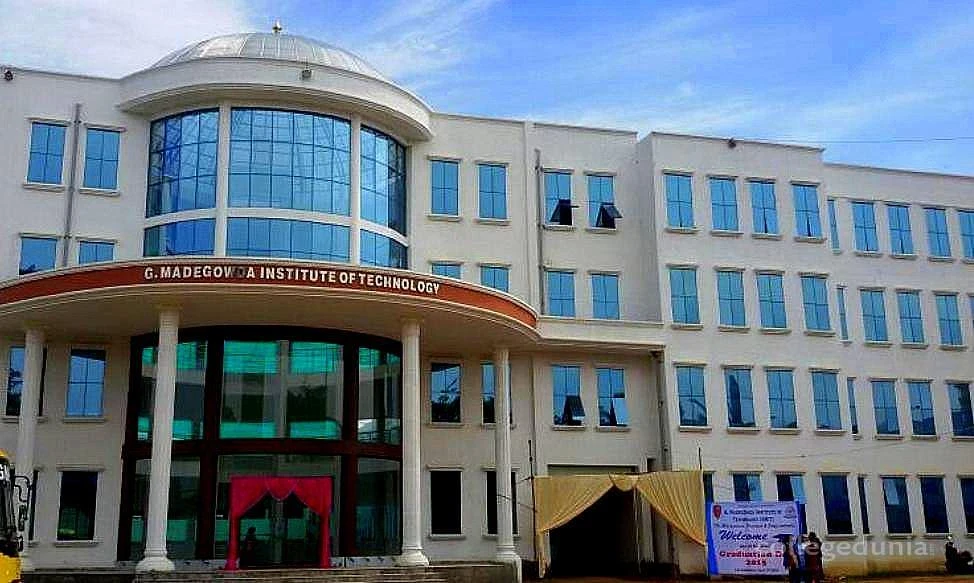
 Auditorium
 Cafeteria
 Computer Labs
 Gym
Gym Hostel
 Medical
 Science Labs
 Sports Complex
 Study Library