Loading Admission Guardian content
Loading Admission Guardian content
Provisional score based on available data. It may change as more information is verified.
Find a program, read its fee details and explore the admission requirements.
Summary of the programs shown below. First-year fee. Check the note beside each amount for inclusions and exclusions.
| Course | Stream | Fees |
|---|---|---|
| Post Graduate Diploma in Medical Laboratory Technology | Medical | 51100 |
| Doctorate of Medicine [MD] | Medical | 139200 |
| M.B.B.S. | Medical | 139200 |
| Master of Surgery [MS] (Ophthalmology) | Medical | 139200 |
| Diplomate National Board [DNB] | Medical |
Specializations
Eligibility: Graduation
Specializations
All accepted exams
Eligibility: Post Graduation
All accepted exams
Eligibility: 10+2 with 50% + NEET
Specializations
All accepted exams
Eligibility: Graduation
Specializations
3 exams with cutoff data available - showing recent entries
Government Medical College & Hospital (GMC), Akola, is a state-run institution that punches above its weight. Established in 2002, it’s a relatively young player in Maharashtra’s dense medical education landscape, but it’s carved out a solid reputation for delivering robust clinical training without the astronomical price tag of a private college. With 200 MBBS seats and a growing portfolio of postgraduate programs, it’s a primary destination for NEET qualifiers from the region who want a government-backed degree and the hands-on experience that comes with a 1,000-bed attached hospital. The campus, described as modern and spacious with lush greenery, sits right in the heart of Akola city. That’s a major plus for connectivity, though it means you’re in an urban setting, not an isolated academic enclave. For students who clear the NEET cutoff, GMC Akola represents a pragmatic choice: solid education, extensive patient exposure, and fees that are a fraction of what private colleges demand.
GMC Akola’s academic structure is classic government medical college: a high-intake MBBS program feeding into a developing suite of postgraduate courses. The 200 MBBS seats form the core. The curriculum follows the MUHS annual exam pattern, with classes typically running from 8 or 9 AM to 4 or 5 PM. Passing requires a minimum of 50 marks in each paper. It’s a traditional, exam-focused system, but the college emphasizes practical learning. That’s where its strength lies.
The clinical training is extensive, leveraging the attached 1,000-bed hospital. You’re not just reading about cases; you’re seeing a high volume of them daily. This is the college’s biggest selling point. For postgraduates, the options have expanded. There are 43 PG seats across 13 disciplines. The MD specializations are comprehensive, covering everything from Anaesthesiology and Paediatrics to Psychiatry and Radiodiagnosis. MS programs are offered in Obstetrics & Gynaecology, Ophthalmology, and ENT. They also run DNB programs and diplomas like DMLT.
The faculty of 69, led by Dean Dr. Meenakshi Gajbhiye, is described as experienced. They provide what students generally call “top-notch” clinical training. The labs are reported to be well-equipped for pre-clinical and para-clinical subjects. It’s a no-frills, workmanlike academic environment. You come here to learn medicine through immersion, not for a luxurious campus life. The tie-ups with other reputed hospitals for additional clinical exposure round out a training regimen that’s hard to fault for the price.
Talking about “placements” and “packages” at a medical college is missing the point. Graduates don’t get placed by recruiters; they build careers. The real metric here is the quality of training that enables those careers. After 4.5 years of MBBS, students undertake a one-year compulsory rotating internship. This is where you earn a modest stipend—reports indicate between ₹7,000 to ₹8,000, and sometimes ₹15,000 to ₹25,000 per month from the hospital. No fee is charged during this internship year.
The college states that graduates have “good job prospects,” which is a broad claim. The reality, inferred from the typical trajectory for government college graduates, is strong. An MBBS from a recognized NMC college like GMC Akola allows you to appear for the NEET PG exam, pursue a government service posting, or begin practice. The extensive hands-on experience in a busy hospital is the real value. It makes you clinically competent faster. For PG students (MD/MS), the specialization itself is the ticket to higher earning potential and coveted senior residency or consultant positions. There’s no corporate placement cell handing out offer letters, but the degree’s legitimacy and the practical skills acquired are the currency.
This is where government colleges like GMC Akola become irresistible. The affordability is staggering compared to the private sector. For the 2025-26 batch, the annual tuition fee for MBBS is approximately ₹1.35 to ₹1.40 lakhs. Over the 4.5-year academic period (excluding internship), the total tuition sums to about ₹7.6 to ₹7.74 lakhs.
But you have to budget beyond tuition. The hostel fee is an almost symbolic ₹4,000 per year. Mess charges are extra, around ₹2,500 per month, plus a one-time refundable deposit. Then add annual examination fees (₹10,000-₹15,000), library/lab charges (₹20,000-₹30,000), and other incidentals like maintenance and electricity. Even with all this, the total cost for an MBBS degree here is less than a single year’s fee at many private medical colleges.
Financial aid is robust, primarily through government scholarships. There’s substantial support for reserved categories (SC, ST, NT, VJ, OBC) including the Rajshri Shahu Maharaj scholarship for OBC and Swarnim Yojna for SC/ST students. EWS (Economically Weaker Section) scholarships are also available, along with central post-matric scholarships. Eligibility usually hinges on a family income cap (often ₹4.5 lakhs for central schemes) and maintaining a minimum academic standard (like 75-80% in previous exams and a 50%+ CGPA in college). These scholarships typically require annual renewal. For the meritorious and needy, the cost of becoming a doctor here can be reduced to nearly zero.
Admission is a straight shootout based on NEET scores. For MBBS, you need a qualifying score in NEET UG. The selection is purely merit-based, with counseling conducted by two bodies: the Medical Counselling Committee (MCC) handles the 15% All India Quota seats, and the Directorate of Medical Education and Research Maharashtra (DMER) manages the 85% State Quota seats.
The cutoffs are competitive but accessible for a government college. For the 2025 NEET UG cycle, the All India Quota cutoff for the General category was a rank of 19,411 (score ~547). For the State Quota, the score cutoff for General was around 530. Cutoffs for reserved categories are lower, as seen with OBC (Women) at 514 and ST at 362 for the state quota. These numbers shift each year based on exam difficulty and applicant pool, but they give a solid benchmark. GMC Akola isn’t in the tier of top-tier Mumbai or Pune colleges, but it’s a solid second-rung option with a respectable cutoff.
For postgraduate MD/MS/DNB programs, you must qualify in NEET PG. The 2024 round 1 rank ranges were broad: MD from 1,775 to 124,264, MS from 6,077 to 32,099, and DNB from 3,478 to 14,243. This indicates decent availability across specializations. The process is the same: MCC for AIQ, DMER for state quota. There’s a 10% EWS reservation across seats. NRI/OCI candidates are eligible under specific quotas. Keep an eye on the official GMC Akola website and DMER/MCC portals for exact application windows and fees.
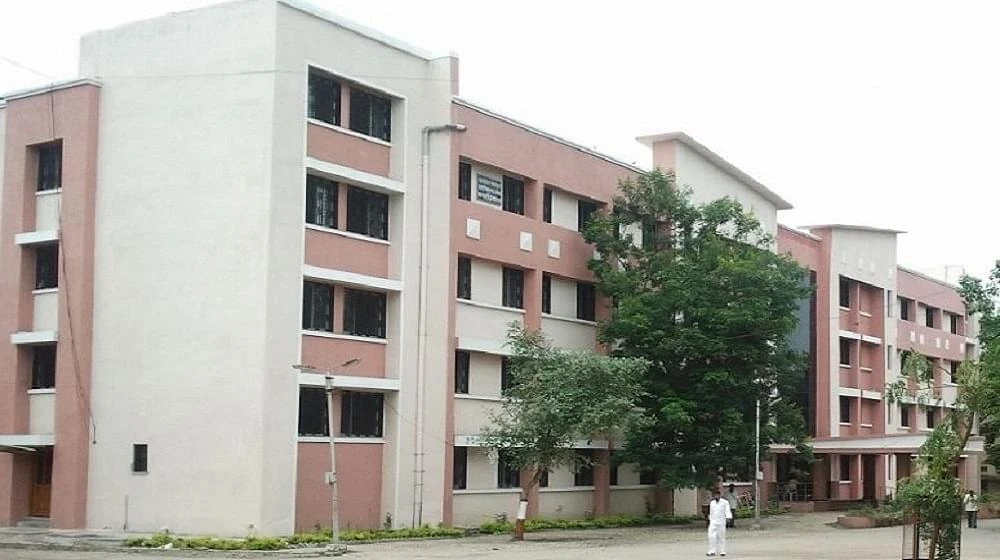
The campus is described as modern, spacious, and green—a positive in an urban setting. The infrastructure is functional. Academic labs are reportedly well-equipped with modern instruments for hands-on training. The library, hostels, and sports facilities exist, but reviews suggest they are adequate, not exceptional.
The hostels are a mixed bag, which is common for many government colleges. There are separate hostels for boys (179 rooms) and girls (125 rooms). The annual fee of ₹4,000 is unbeatable. However, the trade-off is in space and sometimes maintenance. First-year students often face congestion, with 2-4 sharing a room. Student feedback points to concerns about cleanliness, drinking water facilities, and general upkeep. It’s livable, especially for the price, but don’t expect luxury.
The mess food gets a frequent mention in reviews, and not usually as a highlight. It’s described as average to below average, with some students calling it unhygienic. This is, unfortunately, a recurring theme in many institutional hostels. Students often rely on nearby eateries. Social life revolves around college and hostel interactions. Being in the city center means access to town, but Akola isn’t a metropolitan hub like Mumbai or Nagpur. The student life is what you make of it, heavily focused on academics and hospital duties.
Synthesizing the common threads from student feedback paints a clear picture. The overwhelming positive is the clinical exposure. Students consistently praise the volume and variety of cases in the attached hospital, calling the practical training “excellent” and the core reason to choose GMC Akola. The low fee is the other giant plus, making a medical degree financially feasible.
The faculty gets good marks for being knowledgeable and helpful, especially in clinical settings. The academic pressure is real, with the annual exam system keeping students on their toes.
On the downside, hostel conditions are the most frequent complaint. Congestion, maintenance issues, and food quality are pain points. Some feel the administration could be more responsive. The infrastructure, while functional, isn’t state-of-the-art. It’s a typical government college trade-off: you sacrifice some comfort and polish for unparalleled clinical experience and affordability. The student consensus isn’t about glamour; it’s about getting the job done and becoming a competent doctor.
Absolutely, for the right student. GMC Akola is a classic value-for-money government medical college. Its greatest strength isn’t in shiny buildings but in the gritty, real-world clinical training offered by its busy hospital. If your priority is to become a clinically sound doctor without incurring lifelong debt, this college is a fantastic choice. The fees are a fraction of private colleges, and the scholarship support is substantial. The NEET cutoffs are within reach for serious students who may not have the ranks for older, more famous institutions.
But you have to be pragmatic. You’re choosing robust education over comfort. The hostels and food are basic, sometimes lacking. The city of Akola is a regional hub, not a metro. If you crave a cosmopolitan campus life with premium amenities, you’ll be disappointed.
Who is it best for? NEET qualifiers from Maharashtra (and AIQ) seeking affordable, high-quality clinical training. Students from middle-class and economically weaker backgrounds for whom a government college fee structure is essential. Those who are self-driven and see the hostel as a place to sleep, not a primary lifestyle feature. Who should look elsewhere? Those who prioritize campus luxury and metropolitan life. Students with ranks high enough to secure seats in older, more established government colleges in bigger cities might find better infrastructure there. But if your rank lands you here, choosing GMC Akola is a smart, career-focused decision.
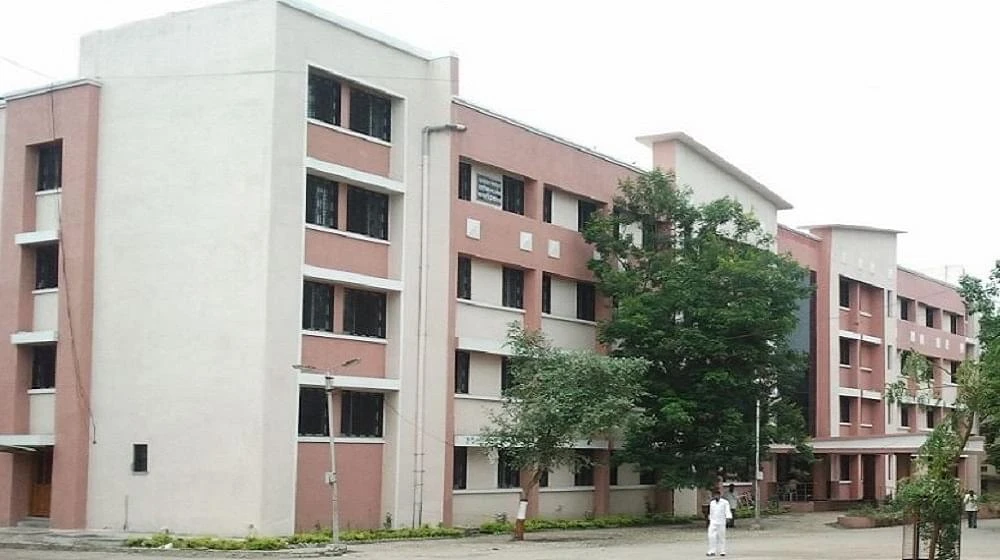
In this preview: 1 photo · 0 videos
For the 2025-26 academic year, the annual tuition fee for MBBS at Government Medical College, Akola is approximately ₹1.35 to ₹1.40 lakhs. The total course fee for the 4.5-year academic program is around ₹7.6 to ₹7.74 lakhs. Additionally, hostel fees are very affordable at ₹4,000 per year, with mess charges around ₹2,500 per month. Students should also budget for annual examination fees (₹10,000-15,000) and other miscellaneous charges.
For the 2025 admission cycle, the NEET UG cutoff for the General category under the All India Quota was a rank of 19,411 (score approximately 547). For the Maharashtra State Quota, the cutoff score for General category candidates was around 530. Cutoffs for reserved categories are lower; for example, the state quota score for OBC (Women) was 514 and for ST was 362. These cutoffs vary each year.
As a medical college, GMC Akola does not have corporate "placements." The career path involves a compulsory one-year rotating internship after MBBS, where students earn a monthly stipend (reported between ₹7,000-₹25,000). The real value is the extensive clinical training in its 1,000-bed hospital, which prepares graduates for NEET PG, government service, or private practice. The degree is recognized by the NMC, ensuring good career prospects for competent graduates.
Hostels at GMC Akola are separate for boys and girls and are very affordable (₹4,000/year). However, they are often congested, especially for first-year students who may share rooms with 2-4 people. Student reviews indicate concerns about maintenance, cleanliness, and drinking water facilities. The mess food is generally described as average. The campus is spacious and green, but student life is heavily focused on academics and hospital duties, with Akola city providing basic amenities.
GMC Akola offers several government scholarships, primarily for reserved categories. These include the Rajshri Shahu Maharaj scholarship for OBC students and the Swarnim Yojna for SC/ST students. EWS (Economically Weaker Section) scholarships and central post-matric scholarships are also available. Eligibility typically requires a family income below a threshold (often ₹4.5 lakhs) and maintaining a minimum academic performance (e.g., 75-80% in previous exams and a CGPA above 50% in college).
Share what future students should know about Government Medical College & Hospital.
Student voices are not rewritten by colleges. We remove spam and abuse.
Wider admission question? Community PulseWhat should future students know?
Tell us which course you're considering. We'll help you work out the next step.
Get instant Partner access after mobile verification. Your public edits are reviewed before they go live.
Claim this college
 Auditorium
 Cafeteria
 Computer Labs
 Gym
Gym Hostel
 Medical
 Science Labs
 Sports Complex
 Study Library