Loading Admission Guardian content
Loading Admission Guardian content
Provisional score based on available data. It may change as more information is verified.
Find a program, read its fee details and explore the admission requirements.
Summary of the programs shown below. First-year fee. Check the note beside each amount for inclusions and exclusions.
| Course | Stream | Fees |
|---|---|---|
| M.B.B.S. | Medical | 18073 |
| Doctorate of Medicine [MD] | Medical | 50000 |
| Master of Surgery [MS] | Medical | 50000 |
| Diploma | Medical | |
| Certification | Paramedical |
All accepted exams
Eligibility: 10+2 with 50% + NEET
Specializations
All accepted exams
Eligibility: Graduation
Specializations
All accepted exams
Eligibility: MBBS + NEET
Specializations
Eligibility: 10+2
Specializations
Eligibility: 10+2
2 exams with cutoff data available - showing recent entries
If you want to learn medicine by seeing medicine, Government Thoothukudi Medical College (TKMCH) is a serious contender. Forget polished corridors and digital libraries. This is a government workhorse where the daily patient load—over 2,300 outpatients and 1,300 inpatients—is the real curriculum. Established in 2000, it’s a relatively young institution, but it’s carved out a reputation as the 8th best government medical college in Tamil Nadu precisely because of that raw, unfiltered clinical exposure. You won’t find many frills here. The infrastructure, especially in the older sections, shows its age. But for students who prioritize hands-on experience over creature comforts, TKMCH delivers a fundamental medical education at a cost that’s almost negligible by today’s standards.
This is a full-spectrum medical institution, but the MBBS program is the undisputed core. With an intake of 150 students, it’s a sizable batch. The academic structure is traditional, following the annual exam pattern of the affiliating Tamil Nadu Dr. M.G.R. Medical University. That means one major exam at the end of the year, not semesters. The pass mark is a firm 50% in both theory and practicals.
Postgraduate offerings are solid, with MD seats in high-demand fields like General Medicine, Paediatrics, and Anaesthesiology, and MS seats in Surgery, OBG, and Orthopaedics. They’ve also started super-specialty DM programs in Gastroenterology and Neurology, which is a sign of the hospital’s growing capabilities. Beyond that, there’s a range of paramedical diplomas and certificate courses, from DMLT to technician roles, which feed directly into the hospital’s operational needs.
Faculty strength is around 180-195 sanctioned posts. Reviews consistently highlight the professors as a major asset—calling them highly qualified, supportive, and experienced clinicians. That’s a critical point. You’re being taught by doctors who are actively managing the heavy patient flow in the attached hospital. The theory comes with a daily, practical footnote.
Let’s be clear: medical colleges don’t have "placements" like engineering schools. Your career launchpad is the compulsory rotating internship (CRRI). At TKMCH, as with all Tamil Nadu government colleges, this comes with a stipend—a decent ₹27,315 per month as of 2025. For postgraduates (MD/MS), the residency stipend ranges from about ₹52,451 to ₹65,000.
There is a service bond. MBBS graduates owe 5 years of rural service to the state, and PG graduates owe 2 years. The financial penalties for skipping are severe (₹5 lakh and ₹40 lakh, respectively), so this is a serious commitment. The flip side is 100% of graduates are licensed to practice, and the college’s track record for sending alumni to prestigious PG institutes like AIIMS and JIPMER is a point of pride. Your "placement" is essentially your own performance in the NEET-PG exam, but the clinical grounding here is designed to give you a fighting chance.
This is where government colleges shine. The annual tuition fee for MBBS is astonishingly low, between ₹13,610 (for All India Quota seats) and ₹18,073 (for State Quota seats). Over the 4.5-year academic period, you’re looking at a total tuition cost of roughly ₹81,328. That’s less than a single year’s fee at most private colleges.
Living costs are extra, of course. Hostel room rent is around ₹1,500 per month. The mess, which is notably student-run, costs between ₹3,500 and ₹6,000 monthly. So, all in, a year’s education and basic living can be managed for well under ₹1.5 lakhs. Financial aid is available through state and central government post-matric scholarships for SC/ST/OBC and merit-cum-means students. With no management or NRI quotas, the playing field is level and affordable.
Your ticket in is the NEET score. For MBBS, it’s NEET-UG; for PG, it’s NEET-PG; for super-specialties, NEET-SS. The selection is purely merit-based through centralized counseling. The 150 MBBS seats are split: 15% (23 seats) go through the Medical Counseling Committee (MCC) for the All India Quota, and the remaining 85% (127 seats) are filled by the Tamil Nadu Directorate of Medical Education (DME).
The cutoffs reflect its position as a respected but not top-tier government college. For the 2024/2025 cycle, the closing All India Rank for the General category under AIQ was around 16,392. For the State Quota, the closing AIR was roughly 20,727 (which translated to a state merit rank near 1,160). For reserved categories, the closing ranks go much deeper into the list. These numbers shift each year, but they give you a ballpark. You need a strong, but not necessarily stellar, NEET rank to get in.
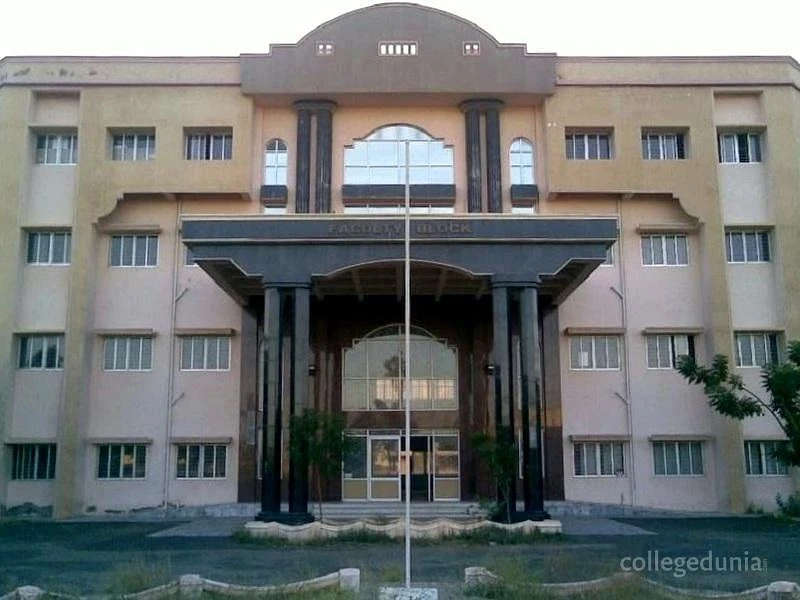
This is the most polarizing aspect of TKMCH. The infrastructure is a tale of two cities. The hospital is massive, with over 1,100 beds and a new 600-bed Super Specialty Hospital for Maternity and Child Health (built at a cost of ₹136 crore) nearing completion. The clinical facilities are where the college lives.
The academic and hostel blocks are another story. Student reviews are blunt: the older hostel buildings are "below standard," with complaints about maintenance and sanitation. Newer hostel blocks have been added, which are better, but it’s a mixed bag. There’s no campus-wide Wi-Fi—a frequent griate. There’s also no official college canteen; students rely on nearby shops.
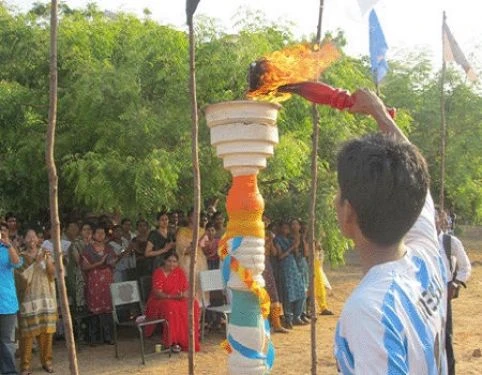
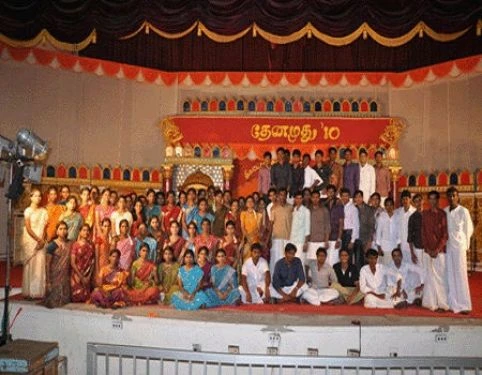
But life isn’t all bleak. The student-run mess is a huge positive, often leading to better food quality than centrally managed systems. The annual cultural fest, Radiance, is a major highlight for social life. Sports facilities for cricket, football, basketball, and volleyball are present, along with a gym. You’re in Thoothukudi, a port city, not a metro. The social scene is what you and your batchmates make of it.
Scouring platforms like Quora and Shiksha reveals a clear consensus. The praise is loud and specific: unmatched clinical exposure. Students call it a "place to learn and excel" because you see so much, every single day. The faculty gets consistent applause for being both knowledgeable and approachable. The student-managed mess is another big win.
The criticism is equally specific and repeated. Infrastructure is the biggest drawback. Words like "very old," "poorly ventilated," and "needs renovation" appear constantly. The lack of Wi-Fi is a universal complaint. The administration is described as typically bureaucratic—slow to respond to grievances. Some reviews from postgraduates mention poor upkeep in older residential quarters.
The takeaway from students is practical: you come here for the medical training, not the ambiance. You tolerate the rough edges for the educational core. It’s a trade-off most alumni seem to accept, if not happily, then resignedly.
Government Thoothukudi Medical College is for a specific type of student. If your priority is to become a clinically confident doctor and you define a college’s quality by patient turnover and faculty expertise, TKMCH is an excellent, affordable choice. The value for money is incredible, and the daily hands-on experience is what medical education is fundamentally about. It’s best for resilient, self-motivated students who aren’t fazed by Spartan living conditions and slow bureaucracy.
You should probably look elsewhere if you prioritize modern infrastructure, digital connectivity, and a cushy campus life. The lack of Wi-Fi and the variable hostel quality are real downsides. It’s also located in a smaller city, not a major hub like Chennai or Coimbatore.
In short, TKMCH is a workbench, not a showroom. It will equip you with the skills, but it won’t spoon-feed you or dazzle you with amenities. For the right student, that’s more than enough.
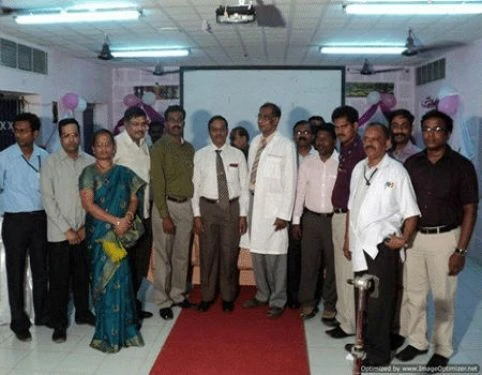
In this preview: 5 photos · 0 videos
Yes, Government Thoothukudi Medical College is considered good for MBBS, primarily due to its strong clinical exposure and high patient inflow, which are essential components of quality medical training.
For students admitted under the government quota, the annual tuition fee at Government Thoothukudi Medical College (TKMCH) is approximately ₹13,610 to ₹18,073.
For the 2025 admission cycle, the expected NEET closing rank for the General category at Government Thoothukudi Medical College (TKMCH) under the All India Quota (AIQ) is around 16,000 to 17,000.
The hostel facilities at Government Thoothukudi Medical College (TKMCH) are a mix of old and new buildings. While the new blocks are reported to be good, the older ones face maintenance issues. Notably, the hostels do not provide Wi-Fi.
As of 2025, the stipend for Compulsory Rotatory Residential Interns (CRRI) at Tamil Nadu government medical colleges, including Government Thoothukudi Medical College, is ₹27,315 per month.
Share what future students should know about Government Thoothukudi Medical College.
Student voices are not rewritten by colleges. We remove spam and abuse.
Wider admission question? Community PulseWhat should future students know?
Tell us which course you're considering. We'll help you work out the next step.
Get instant Partner access after mobile verification. Your public edits are reviewed before they go live.
Claim this college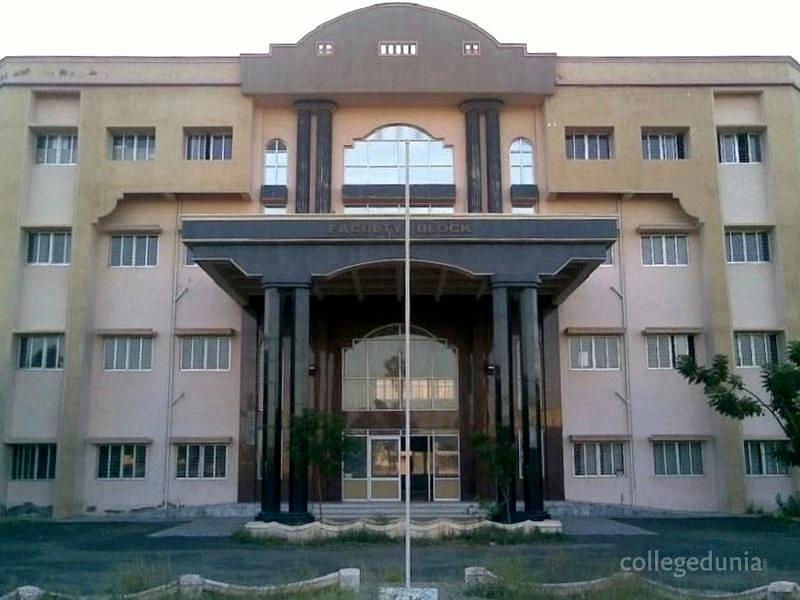
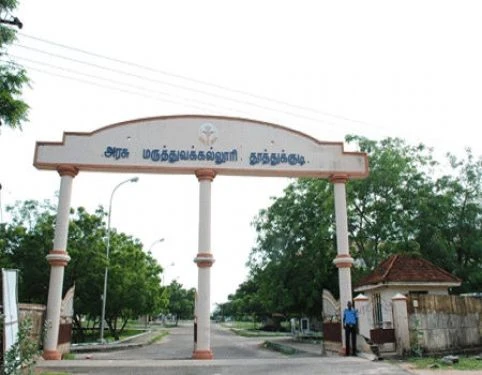
 Cafeteria
 Computer Labs
 Hostel
 Medical
 Science Labs
 Study Library