Loading Admission Guardian content
Loading Admission Guardian content
Provisional score based on available data. It may change as more information is verified.
Find a program, read its fee details and explore the admission requirements.
Summary of the programs shown below. First-year fee. Check the note beside each amount for inclusions and exclusions.
| Course | Stream | Fees |
|---|---|---|
| Master of Computer Applications [M.C.A] | Computer Applications | 68900 |
| Master of Computer Applications [M.C.A] {Lateral} | Computer Applications | 68900 |
| Bachelor of Technology [B.Tech] | Engineering | 69300 |
| Bachelor of Technology [B.Tech] {Lateral} | Engineering | 69300 |
| Master of Business Administration [MBA] | Management |
All accepted exams
Eligibility: Graduation with 50% + RMCAAT
All accepted exams
Eligibility: Graduation with 50% + RMCAAT
Specializations
All accepted exams
Eligibility: 10+2 with 45% + REAP
All accepted exams
Eligibility: 10+2 with 45% + REAP
Specializations
Eligibility: Graduation with 50% + RMAT
 Motherson Infotech
 Toshniwal Systems and Instruments Pvt Ltd
Government Mahila Engineering College in Ajmer isn't just another engineering school. It's a specific, deliberate choice. For young women in Rajasthan and beyond, it represents a rare combination: a government-run technical institute that's both affordable and designed entirely around their educational experience. Established in 2007, it holds the distinction of being the first women-only engineering college in North India. While its NBA accreditation for CSE and ECE signals academic quality, the real draw is the value proposition. With annual fees starting around ₹35,000 and an average placement package hovering near 5 LPA, the return on investment is hard for many private colleges to match. And with a state government announcement in 2024 to transform it into a Rajasthan Institute of Technology (RIT) with a ₹300 crore boost, the college is poised for a significant transition. But student reviews tell a more nuanced story—one of excellent opportunities in tech, a peaceful campus, but also strict rules and infrastructure that sometimes shows its age.
The academic portfolio here is squarely focused on modern engineering demand, with a clear tilt towards computing. The B.Tech program offers a total intake of 480 students across eight branches. Computer Science & Engineering, with 150 seats, is the undisputed anchor, followed by IT, ECE, and the newer AI & ML and Cyber Security specializations. The intake for core branches like Mechanical Engineering is notably smaller at 30 seats, which reflects both industry trends and, realistically, placement outcomes.
Faculty strength is a stated asset, with about 80 full-time members. The college claims a significant portion—around 40-50%—hold PhDs from institutes like IITs and NITs. That's a decent figure for a state college. The grading follows the standard BTU 10-point CGPA system, with 30% weightage given to internal assessments. For postgraduates, the college offers M.Tech in Computer Science and Digital Communications, along with MBA and MCA programs. The big academic news, however, is the planned transformation. The 2024-25 Rajasthan state budget announced the conversion of GWECA into a Rajasthan Institute of Technology (RIT), modeled after NITs. It's a promise of major funding and elevated status, but students on the ground today are still operating under the existing BTU framework.
Let's separate the headline from the daily grind. The highest package touted is 24 LPA for 2024, but that was an off-campus offer with American Express. The on-campus high for 2023 was 12.5 LPA. The numbers that matter for most students are the average and median, which cluster between 4.5 and 5.6 LPA. The NIRF 2024 report cites a median package of 4.5 LPA, which aligns with the college's data.
The placement percentage tells a story of two realities. For CSE and IT, it's reportedly a healthy 70-80%. For core branches like Electrical and Mechanical, that number drops to 40-50%. The sector split is stark: about 85% of placements are in IT/software. Top recruiters are the familiar Indian IT services giants: TCS, Infosys, Wipro, and Accenture, joined by firms like IBM, Capgemini, and Celebal Technologies. You'll see Adani Construction and Ericsson for the occasional core role.
The student consensus, echoed on platforms like Quora, is blunt: "If you are in CSE/IT, you will get a job if you put in 20% effort. For other branches, you are on your own." That's the reality check. The placement cell is active, but the market dictates the opportunities. For a Mechanical Engineering student here, the path likely involves pivoting to an IT role or focusing on GATE for further studies.
Affordability is the cornerstone of this college's appeal. The fee structure has two tiers: Government Aided Seats (GAS) and Self-Financed Seats (SFS). For GAS seats, total annual costs, including tuition and development fees, are remarkably low—around ₹32,000 to ₹35,000. SFS seats are higher, approximately ₹65,000 to ₹70,000 per year. Both seat types follow the same curriculum and have access to the same facilities.
Hostel fees add another ₹50,000 to ₹60,000 per year, covering room rent (which varies for 4 or 6-seater accommodations) and mess charges. Students frequently note the mess food is basic, with complaints about variety and hygiene. On the financial aid front, the college supports AICTE's Tuition Fee Waiver (TFW) scheme for top rankers, and state government scholarships are available for SC/ST/OBC and students from BPL families. The overall cost for a four-year degree, even with hostel expenses, remains a fraction of what most private engineering colleges charge.
Admission to the B.Tech programs is primarily through the Rajasthan Engineering Admission Process (REAP). JEE Main scores are the key; candidates with a valid JEE Main rank get priority during REAP counseling. Admission is also possible based on Class 12 merit (PCM) for seats that remain after the JEE Main allotments.
Cutoffs fluctuate yearly, but REAP 2024 provides a snapshot. For the coveted CSE branch, the closing state rank was around 15,000 to 20,000. For the newer AI & ML specialization, it was around rank 25,000. These are not ultra-competitive cutoffs compared to top-tier NITs, but they indicate steady demand, especially for the computer-related streams. The application window for REAP typically runs from May to July. For MCA, admissions are through RMCAAT or NIMCET, and for MBA, through CMAT, CAT, or MAT scores.
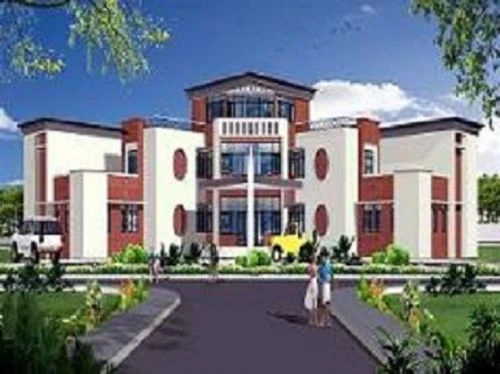
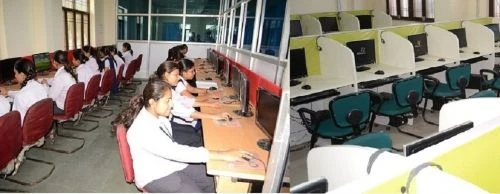
The campus, spread over 30-40 acres on the Nasirabad Road, is often described as peaceful and green—peacocks wandering the grounds is a common mention. It's a safe, enclosed environment, which is a primary draw for many families. Infrastructure is a mixed bag. Labs for CSE and IT are reported to be well-equipped, while some core engineering labs have functional but dated equipment. The library has a solid collection of over 40,000 books and digital journal access.
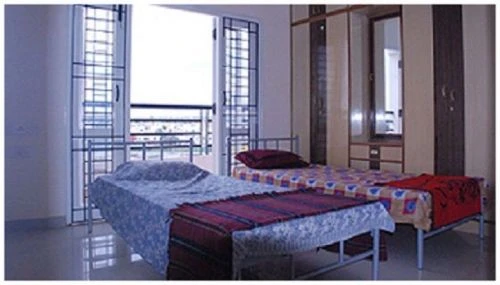
There are three main hostels—Mansi, BJR, and Mahi—with a total capacity for over 600 students. Reviews point to adequate but not luxurious living conditions. Complaints about maintenance, like broken latches or old furniture in some wings, pop up regularly. The campus has Wi-Fi, though speeds in hostels are sometimes described as just adequate (10-20 Mbps).
Student life is where the "government college" and "women's college" aspects converge. There's a noted emphasis on discipline. Hostel curfews are strict, typically around 6:30 PM to 7:30 PM, and the college enforces a 75% minimum attendance rule. The on-campus canteen gets poor reviews, leading many students to rely on hostel mess food or stocked snacks. The social scene is quieter compared to larger, co-ed universities in cities like Jaipur. It's a campus for focused study, not a bustling university town experience.
Synthesizing feedback from CollegeDunia, Shiksha, and forums like Quora paints a consistent picture. The positives are strong: an overwhelmingly safe and supportive environment, approachable and qualified faculty (especially in CSE/ECE), and exceptional value for money. The phrase "ROI" comes up a lot. For a student from a middle-class background aiming for a stable IT job, it's frequently cited as a smart choice.
The negatives are just as consistent. The strict rules—early curfews, strict attendance—can feel oppressive to some. Infrastructure maintenance is a recurring gripe, from hostel bathrooms to classroom furniture. The mess food is a near-universal point of criticism. And for students in Mechanical or Electrical Engineering, there's a sense of being academically adrift from the placement boom that the IT students enjoy. One 2025 review on CollegeDunia summed up a common sentiment: "The campus is beautiful, but the canteen is a disaster. Bring your own snacks."
It depends entirely on your profile and priorities. If you are a young woman with a JEE Main rank in the 15,000-30,000 range, looking for a low-cost, safe path into the IT industry, GWECA is an excellent, pragmatic choice. The government tag, NBA accreditation for key branches, and proven placement pipeline with major IT firms make it a low-risk, high-reward option for computer science and related fields. The upcoming RIT transition could further enhance its value.
However, if you're set on core engineering disciplines like Mechanical or Electrical, you should be aware that you'll likely need to switch to IT for placements or chart your own course through GATE or off-campus drives. And if a vibrant, unrestricted campus life with modern amenities is a top priority, you might find the strict rules and basic infrastructure here too limiting. For the right student—career-focused, budget-conscious, and valuing a secure environment—this college isn't just worth it; it's a standout deal in the Rajasthan engineering landscape.


In this preview: 5 photos · 0 videos
For CSE and IT programs, GWECA Ajmer is often preferred due to its lower fees and government tag. However, private colleges in Jaipur like JECRC or SKIT may offer a more vibrant campus life.
The hostel curfew for girls is generally 7:00 PM. This timing can vary slightly depending on the season and the specific warden's discretion.
Yes, admission is possible without JEE Main through the REAP counseling process based on your Class 12 percentage. However, candidates with a JEE Main score are given priority in the admission process.
Academically, the Mechanical Engineering branch is sound. Regarding placements, most Mechanical Engineering students typically secure roles in the IT sector or prepare for competitive exams like GATE and government jobs.
GAS seats are government-subsidized and have lower tuition fees. SFS seats are self-financed and have higher fees, but both seat types follow the same curriculum and have access to the same college facilities.
Share what future students should know about Govt Mahila Engineering College.
Student voices are not rewritten by colleges. We remove spam and abuse.
Wider admission question? Community PulseWhat should future students know?
Tell us which course you're considering. We'll help you work out the next step.
Get instant Partner access after mobile verification. Your public edits are reviewed before they go live.
Claim this college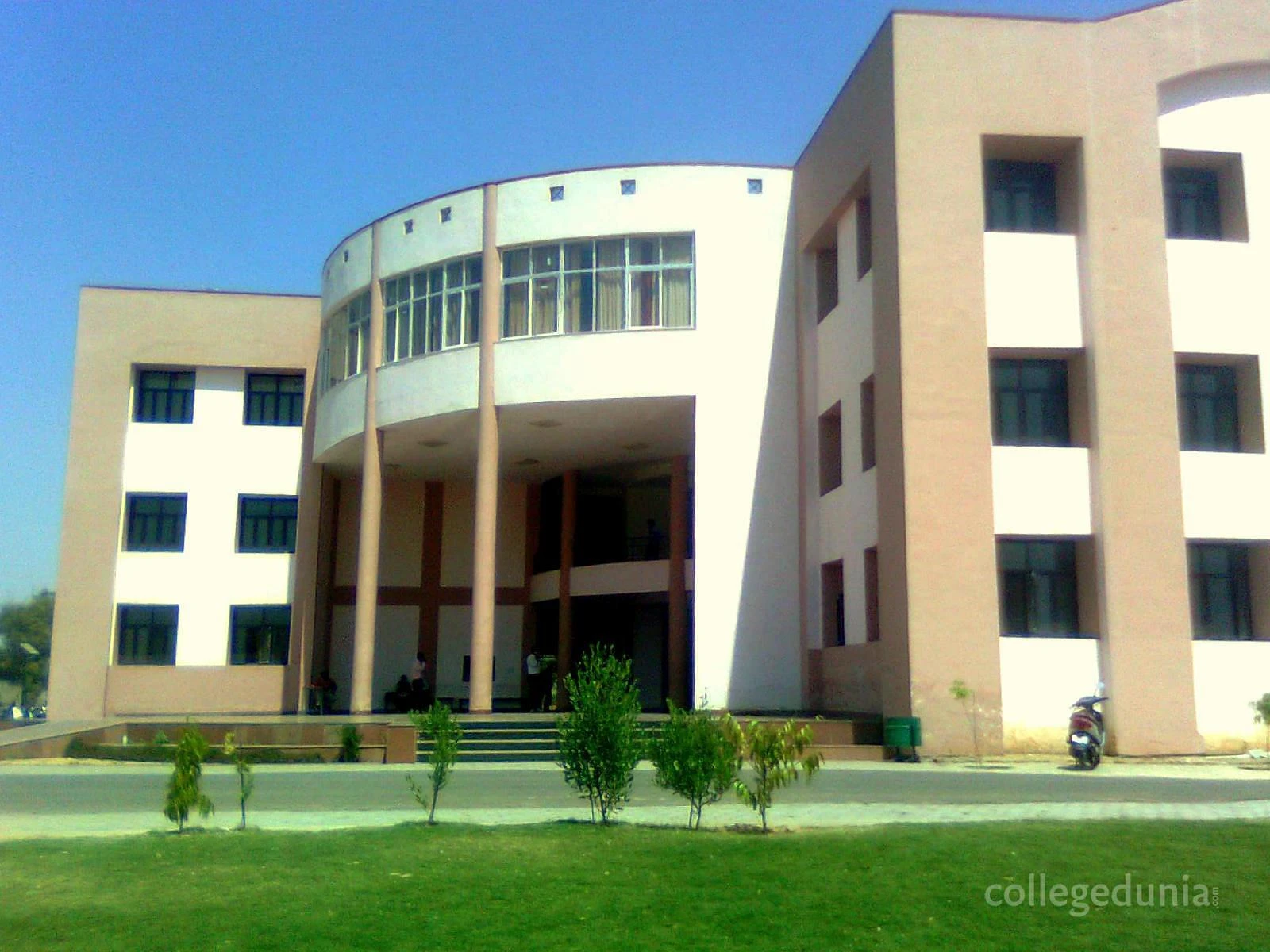

 Auditorium
 Cafeteria
 Computer Labs
 Hostel
 Medical
 Science Labs
 Sports Complex
 Study Library