Loading Admission Guardian content
Loading Admission Guardian content
Provisional score based on available data. It may change as more information is verified.
Find a program, read its fee details and explore the admission requirements.
Summary of the programs shown below. Total course fee. Check the note beside each amount for inclusions and exclusions.
| Course | Stream | Fees |
|---|---|---|
| Master of Technology [M.Tech] (Thermal Engineering) | Engineering | 128000 |
| Bachelor of Engineering [BE] | Engineering | 261360 |
Specializations
All accepted exams
Eligibility: Graduation with 50%
Specializations
All accepted exams
Eligibility: 10+2 with 45% + KCET
2 exams with cutoff data available - showing recent entries
 Accenture
 Aequs
Aequs Amazon
 Bosch Ltd
 CADD Centre
 CMS India
 Cognizant
 Eaton
Eaton GlobalEdge
 HGS
HGS HP Enterprise
 Indian Oil Corporation Ltd (IOCL)
 Infosys
 Jetking
 JK Cement
 Just Dial
 L&T Infotech
 Maintec
 Maventic
 MicroLand
 Mind Tree Limited
 Pragati Power Corporation Limited
 Prolifics
 Quest
Quest SPML Infrastructure Ltd.
 Tech Mahindra
 TELCO
TELCO Triveni Turbines
 Vee Technologies
Hirasugar Institute of Technology (HIT) in Belgaum presents a classic trade-off. It’s a private engineering college with a solid academic foundation—NAAC ‘A’ grade, NBA accreditation for core programs—set on a sprawling 48-acre campus. But its rural location in Nidasoshi, a good 60+ km from the nearest airport, creates a stark reality check, especially when it comes to placements. Student reviews are a study in contrasts: glowing praise for the faculty and campus environment, but sharp, repeated criticism of the placement cell and the quality of companies that visit. If you’re looking for a peaceful place to get a decent VTU-affiliated engineering degree and are prepared to hustle for your own job, HIT might fit. If campus placements are your non-negotiable, you’ll likely find the experience frustrating.
HIT operates under the Visvesvaraya Technological University (VTU) curriculum, which is pretty standard across Karnataka. The undergraduate B.E. programs are the main draw, with a total intake hovering around 420-600 students. Computer Science and Electronics & Communication are the largest departments, each taking in 120 students per batch. Mechanical, Electrical, and Civil Engineering have smaller, more intimate batches of 60.
The college has made efforts to supplement the VTU syllabus. They talk about student-centric learning, mini-projects, and industrial visits. There’s an industry-supported IoT Lab set up with a Hubli-based firm, aMsa embedded solutions. That’s a practical touch you don’t see everywhere. They also offer pre-placement training and guidance for competitive exams like GATE and IES, which is a plus for students aiming higher.
Where HIT seems to score consistently well with students is in faculty quality. Reviews repeatedly mention experienced, knowledgeable, and approachable teachers. The Mechanical department even has a formal mentorship concept. This is HIT’s academic strong suit—a capable teaching staff that can make the standard VTU material digestible. For postgraduate studies, they offer M.Tech (in Thermal Engg and CSE), MBA, MCA, and even Ph.D. programs in engineering, with the Mechanical department being a VTU-recognized research centre.
This is the section that demands a clear-eyed view. The official data tells one story. The NIRF 2024 report lists a median salary of INR 2.87 Lakhs Per Annum for the 2022-23 batch, with 86 students placed. The college itself cites figures like a highest package of INR 10 LPA (from the 2018 batch) and an average around INR 3-4 LPA.
And then you read the student reviews. The gap is notable.
A recurring theme is profound dissatisfaction. Phrases like “very bad placements,” “many fraud companies,” and “fooling the college and the students” appear with concerning frequency. The critique is blunt: the placement team isn’t effective at attracting quality recruiters. Students report companies offering roles like “salesman,” “data entry,” or “operator” with very low salaries. The rural location is repeatedly blamed—companies from major hubs like Bangalore or Pune are often unwilling to make the trip to Nidasoshi.
So, what’s the real picture? The recruiter list includes credible names like TCS, Infosys, Tech Mahindra, Cognizant, Wipro, Amazon, and Accenture. They do visit. But the volume and consistency of offers seem low. The “average package” likely reflects a small number of better offers (maybe in CSE) pulling up a long tail of much lower ones. The placement percentage, estimated between 60-80%, probably leans toward the lower end of that range for on-campus roles.
Internship stats are similarly fuzzy. One source says almost 60% get internships, another says around 10%. Some reviews claim “zero internships.” The truth likely depends on the department and the student’s own initiative. The college’s stance, as per one review, is that they “will provide outside internship” opportunities.
Verdict? Don’t bank on HIT’s placement cell to hand you a dream job. See it as a potential bonus. If you’re in CSE or ECE and you network, build skills, and apply off-campus, you can land a job. For core branches, the path is tougher. The placement scenario is HIT’s most significant weakness.
The fee structure is straightforward but requires careful budgeting. For the 2025-26 academic year, the annual tuition for B.E. in CSE or ECE is INR 1,50,000. For other B.E. specializations, it’s INR 1,12,000 for the first year. Over four years, that totals INR 6 lakhs for CSE/ECE and around INR 4.5 lakhs for other branches, just in tuition.
Add hostel and mess fees, which are approximately INR 35,000 per year. So, your all-in annual cost for a CSE student living on campus is pushing INR 1.85 lakhs. Over four years, you’re looking at an investment of roughly INR 7.4 to 7.8 lakhs.
The good news is the scholarship framework. HIT offers a range of options. There are merit-based waivers for high scores in board exams or entrance tests. Need-based support is available for families with annual incomes below INR 2-6 lakhs. They also facilitate all the major government schemes: Post-Matric scholarships for SC/ST/OBC students, EBC, and minority scholarships. They even have specific scholarships for sports achievers representing VTU or Karnataka. If you qualify, the financial burden can be reduced significantly. The college also assists with education loans.
Admission to the B.E. programs is entrance-exam driven. HIT accepts scores from three major exams: the national-level JEE Main, the state-conducted Karnataka CET (KCET), and the consortium-based COMEDK UGET.
The selection is purely merit-based on these exam ranks. Specific cutoff ranks aren’t publicly detailed, but one student review mentions securing admission with a KCET rank “less than 70,000.” That gives you a ballpark—it’s not among the most competitive colleges in the state, but you still need a respectable rank. For KCET, you must be eligible for the “Karnataka” quota.
For postgraduate courses like MBA, MCA, and M.Tech, the key exam is the Karnataka PGCET. GATE scores are also accepted for M.Tech admissions. Application windows follow the respective exam calendars (e.g., COMEDK UGET typically in May, Karnataka PGCET around May-June). You apply through the official websites of these exam bodies, not directly to the college initially.
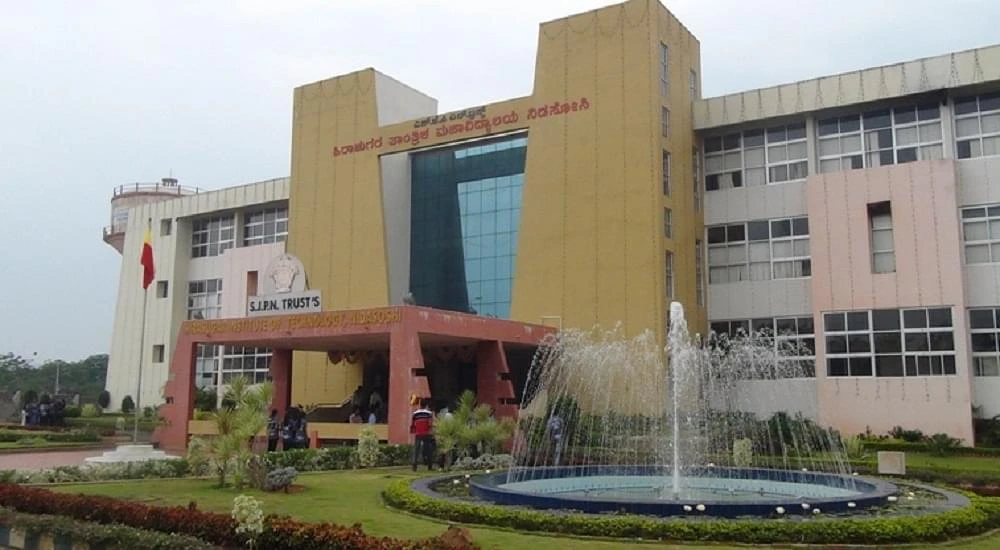
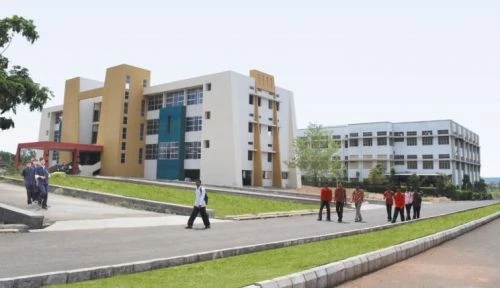
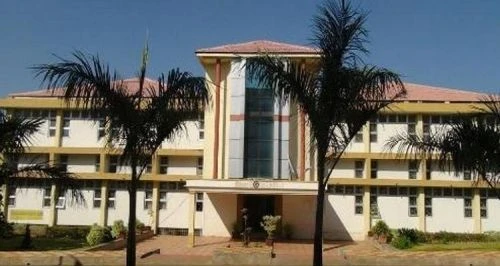
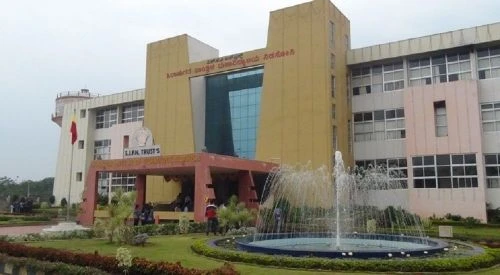
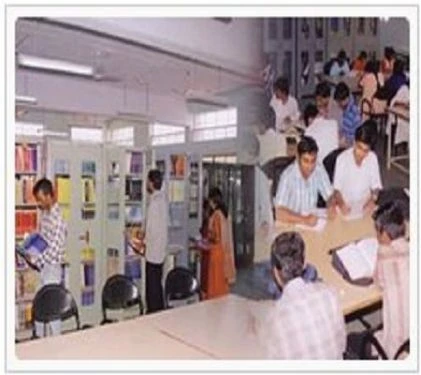
HIT’s 48-acre campus is its physical crown jewel. Described as lush, green, peaceful, and eco-friendly, it’s a world away from the chaos of a city campus. The infrastructure is generally well-regarded: clean classrooms, “modern and well-equipped” labs, a functional library with a digital system, and 24/7 Wi-Fi across the academic blocks (powered by a 50 Mbps BSNL line).
The hostels get good marks. Separate facilities for boys and girls are available, and students consistently call them “good,” with the mess food being “hygienic and healthy.” That’s a major plus for a fully residential setup.
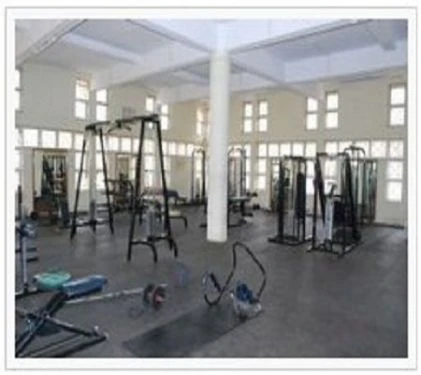
But there are gripes. Students say sports facilities “should be improved.” The canteen also comes in for similar criticism. Some note that the Wi-Fi in the hostels could be better. It’s a reminder that while the basics are covered, some amenities are just functional.
Social life is what you make it. The college organizes annual fests like HSIT SAMBHRAMA and HSIT QUEST, and there’s a sports club. The overall vibe is described as friendly and disciplined. Just remember, you’re in a rural area. For weekend entertainment beyond campus, you’re looking at a trip into Belgaum city.
This is where the profile gets real. The consensus from platforms like CollegeDunia and Shiksha is almost perfectly split between academic satisfaction and professional frustration.
The Positives are strong and consistent:
The Negatives are equally loud and focused:
The management gets points for having structured grievance committees and for the placement officer being active in organizing activities—even if the outcomes are debated. The takeaway? Students feel they get a good education in a nice environment but are largely left to their own devices when it comes to launching a career.
Hirasugar Institute of Technology is a college of clear compromises. Its value depends entirely on your priorities and your willingness to supplement what the college provides.
It’s worth serious consideration if: Your KCET/COMEDK rank is in the moderate range (e.g., 40,000-70,000) and you want a recognized, NAAC ‘A’ grade, NBA-accredited engineering degree from VTU. You value a disciplined, peaceful campus with good hostel facilities and, most importantly, access to capable and supportive faculty. You are a self-starter who is prepared to build your skills independently, apply for off-campus internships and jobs, and not rely on the college’s placement cell as your primary career launchpad. The total cost, especially with scholarships, can be manageable.
You should probably look elsewhere if: High-paying, on-campus placements are your top priority. The consistent student feedback on this front is too negative to ignore. If you thrive in a vibrant, urban college environment with easy access to city amenities, industry events, and a bustling social scene, the isolated Nidasoshi location will feel like a constraint. The college provides a foundation, but the onus for career success rests heavily on you. For the fee, some students might find better ROI at colleges with stronger industry connections, even if their academic accreditation is slightly lower.
In this preview: 5 photos · 0 videos
For the 2025-2026 academic year, the annual tuition fee for B.E. in Computer Science and Engineering (CSE) and Electronics & Communication Engineering (ECE) is INR 1,50,000. For other B.E. specializations like Mechanical, Civil, and Electrical, the first-year fee is INR 1,12,000. Over four years, total tuition amounts to approximately INR 6 lakhs for CSE/ECE and INR 4.5 lakhs for other branches. You must also budget for hostel and mess fees, which are around INR 35,000 per year.
Placement prospects are a major point of concern in student reviews. Official NIRF 2024 data reports a median salary of INR 2.87 LPA for the 2022-23 batch. The college cites an average package range of INR 3-4 LPA and a highest package of INR 10 LPA (from a 2018 batch). However, many alumni report dissatisfaction, citing low salaries, a lack of reputable companies visiting due to the rural location, and roles that are not core engineering. While companies like TCS, Infosys, and Wipro are on the recruiter list, placement rates and package quality are inconsistent.
For B.E./B.Tech admissions, HIT accepts scores from JEE Main, COMEDK UGET, and Karnataka CET (KCET). Selection is based on the merit rank from these exams. For postgraduate programs like MBA, MCA, and M.Tech, admissions are primarily through the Karnataka PGCET. GATE scores are also accepted for M.Tech admissions.
The key strength is consistently reported as the faculty—students find them experienced, knowledgeable, and helpful. The infrastructure, including a beautiful 48-acre campus, well-equipped labs, and good hostel facilities, is also highly praised. The primary weakness is the placement scenario, with many students describing it as "very bad," citing low-paying offers and a lack of quality recruiting companies. Other noted areas for improvement include sports facilities and the canteen.
Yes, HIT offers a variety of scholarship avenues. These include merit-based waivers for high scores in board/entrance exams, need-based support for students from families with an annual income below INR 2-6 lakhs, and category-based scholarships (e.g., for domicile, single girl child, sports, defense wards). The college also actively facilitates government-sponsored schemes like Post-Matric Scholarships for SC/ST/OBC students, EBC scholarships, and minority scholarships. Students should check the official website or contact the administration for specific application details.
Share what future students should know about HIT.
Student voices are not rewritten by colleges. We remove spam and abuse.
Wider admission question? Community PulseWhat should future students know?
Tell us which course you're considering. We'll help you work out the next step.
Get instant Partner access after mobile verification. Your public edits are reviewed before they go live.
Claim this college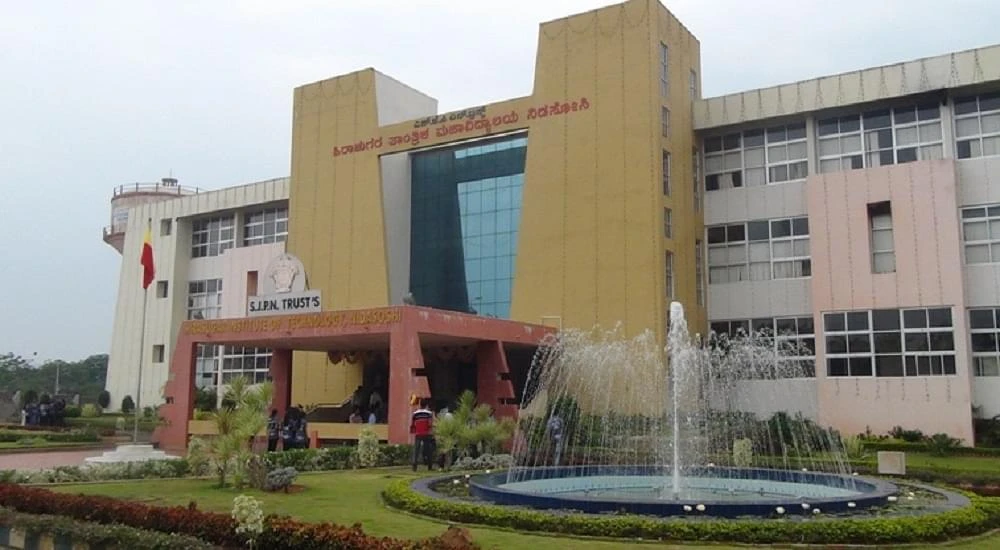
 Auditorium
 Cafeteria
 Computer Labs
 Gym
Gym Hostel
 Medical
 Science Labs
 Sports Complex
 Study Library