Loading Admission Guardian content
Loading Admission Guardian content

Provisional score based on available data. It may change as more information is verified.
Find a program, read its fee details and explore the admission requirements.
Summary of the programs shown below. First-year fee. Check the note beside each amount for inclusions and exclusions.
| Course | Stream | Fees |
|---|---|---|
| Bachelor of Technology [B.Tech] | Engineering | 274000 |
Specializations
All accepted exams
Eligibility: 10+2 with 50% + KEAM
1 exam with cutoff data available
ILM College of Engineering and Technology (ILMCET) in Ernakulam is a private, self-financing institution that presents a clear trade-off. Established around 2012 and affiliated with APJ Abdul Kalam Technological University (KTU), its primary draw is a low-cost B.Tech program in a peaceful, rural setting. But that low fee comes with significant compromises, most notably in placement outcomes and campus connectivity. Student reviews paint a picture of a college struggling to deliver consistent academic quality and career opportunities, despite a pleasant atmosphere and decent hostel living conditions. For a student with a modest KEAM rank and a tight budget, it's an option. For anyone prioritizing strong industry links or a vibrant campus life, it's a hard pass.
ILMCET offers undergraduate engineering programs under KTU. The total student intake across all courses is capped at 300, which creates a small-campus feel—some students find this intimate, others find it uncomfortably quiet. The core B.Tech programs include Civil, Computer Science & Engineering (CSE), Electronics & Communication (ECE), Mechanical, and the more niche Aeronautical Engineering. Intakes have shifted; some branches like Civil, CSE, and Mechanical once had 60 seats but now list 30, suggesting a consolidation. Newer programs in Artificial Intelligence, AI & ML, and Robotics are also listed, but specific intake numbers aren't available.
Academically, the college promotes innovative teaching methods, soft skills training, and a Language Lab. The faculty count stands at 47, resulting in a student-faculty ratio of 1:24, which is decent on paper. Leadership includes PhD holders like Principal Dr. Giridas KL. However, student sentiment on teaching quality is sharply divided. Some reviews praise helpful faculty, while others complain about freshers handling tough subjects, a lack of subject knowledge in some cases, and concerns about fairness in awarding internal marks. The academic calendar runs from June to May with a semester system. While industry-institute interaction is mentioned, specific, named MoUs or strong corporate academic partnerships are not detailed, which aligns with the weak placement feedback.
This is the college's most significant weak point, and student reviews are unanimous on the matter. The official line mentions an average package of 2-3 LPA, but the overwhelming consensus from alumni is that placement numbers are "very low" compared to college strength, with a placement rating often described as "poor."
The gap between the brochure and reality is notable. Recruiters are vaguely described as "some IT companies," with limited core company visits for branches like Mechanical or Civil. There's no available data on highest or median packages, and internship stats are also not published. When a college doesn't publicly share these figures or name recruiters, it's usually not a good sign.
If your primary goal is a guaranteed on-campus job offer, ILMCET is a risky bet. The 2-3 LPA average, even if achieved by a few, is below the industry standard for engineering graduates in Kerala. You'd likely be relying on off-campus efforts, which the isolated location doesn't facilitate.
The affordability is ILMCET's most compelling argument. For the B.Tech program, the total tuition fee for four years is around ₹5.02 Lakhs (as per 2024-2025 data), which breaks down to roughly ₹1.25 Lakhs per year. That's significantly lower than many private engineering colleges. Some older sources mention an even lower total of ₹3 Lakhs, but the current figure seems to be in the ₹5 Lakh range.
On top of tuition, add hostel fees of approximately ₹42,000 per year and mess costs. An older review cited ₹45,000 annually for food and accommodation. So, a rough total annual cost for a hostelite would be in the ballpark of ₹1.8 - ₹2.0 Lakhs.
The college mentions scholarship facilities, with a specific note about supporting free education, food, and accommodation for orphanage students. Details on government or merit-based scholarships aren't elaborated, so prospective students should inquire directly. You can check the official site for updates: ILM College of Engineering and Technology.
Admission is strictly through the Kerala Engineering Architecture Medical (KEAM) entrance exam. The process follows the state government and KTU guidelines. Seats are split: 50% are filled through the KEAM merit rank (government quota), and the other 50% are management quota seats, which are also supposedly merit-based. There's also an NRI quota for B.Tech programs.
Cutoff ranks give you a sense of the demand. For KEAM 2021, the overall B.Tech cutoff (Round 1) ranged from rank 18,716 to 47,585. That's a fairly wide band, indicating seats in less popular branches or the management quota were available to candidates with ranks well into the 40,000s. The KEAM 2025 cutoffs aren't out yet, but the 2024 figures would be the best current reference.
Key dates to watch: The KEAM exam typically happens in April/May, with the application for engineering courses opening in July. For the 2026 cycle, applications are tentatively from July 10 to August 6. If you have a KEAM rank between 20,000 and 50,000 and are looking for a low-fee option, ILMCET might appear in your counseling choices.
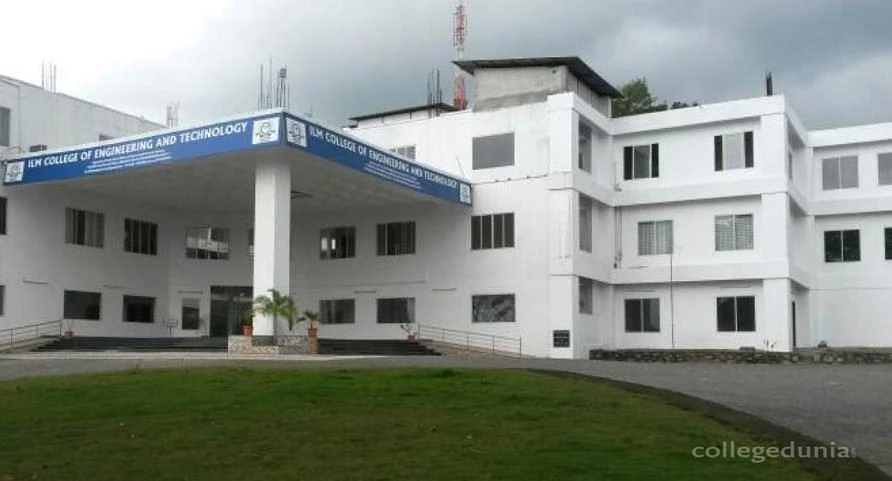
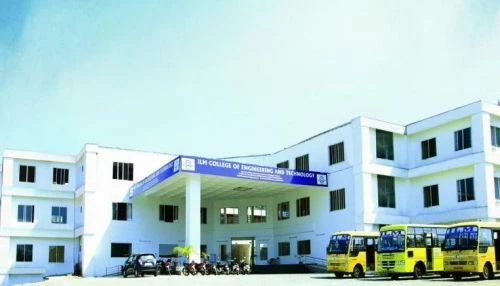
The campus is located in Methala, Keezhillam—a green, isolated area. The peace and quiet is a pro for some, a con for others. The nearest major point is Perumbavoor, 11 km away. Cochin International Airport is about 22 km, and the Alwaye Railway Station is 26 km. If you don't have your own transport, commuting is a challenge.
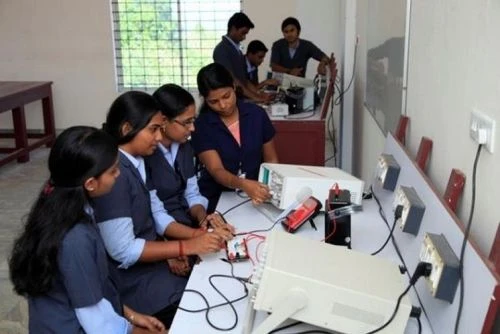
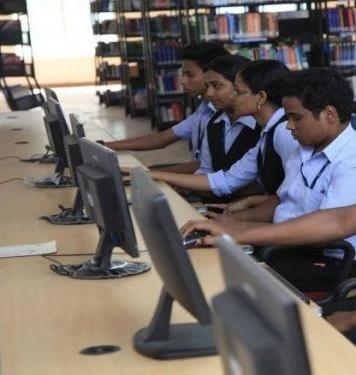
Infrastructure is a mixed bag. On the positive side: spacious classrooms, a central library described as "above-average," and labs like the Computer, Digital, and Language Lab are listed as well-equipped. Facilities include an auditorium and seminar halls. Sports facilities claim football, cricket, volleyball, badminton, and even swimming. But a 2020 review contradicts this, stating "No gym" and "No wifi," despite Wi-Fi being listed as a facility. This inconsistency pops up often.
Hostel life gets relatively better reviews. Separate boys' and girls' hostels have rooms shared by four students with attached bathrooms—a big plus. The food is frequently praised as "good," with a fixed menu that includes chicken almost daily, catering to both vegetarians and non-vegetarians. However, a 2020 review mentioned problems like water leakage in rooms. The campus is reported to be ragging-free, which is a significant positive for student welfare.
Social life is limited. The college holds annual fests like "Civil lions" and a tech "motor show," but one student bluntly said there are "no external activities." With a small student body and a remote location, you shouldn't expect a bustling campus culture. The canteen is noted as good, and there's basic medical first aid and college transport.
Synthesizing reviews from platforms like CollegeDunia and Shiksha reveals a clear, conflicted pattern. The positives are personal and environmental: a "pleasant and peaceful" atmosphere, good friends made, and generally good hostel food and facilities. The ragging-free policy is also consistently appreciated.
The negatives are professional and systemic. Placement criticism is the loudest theme, described as "poor" with low numbers. Academic concerns are serious: some faculty are called "helpful," but others are criticized for lacking knowledge, with freshers teaching tough subjects. One alarming review cited "personal vengeance" affecting internal marks. Infrastructure complaints include absent Wi-Fi/gym, water leaks in hostels, and "very bad" classroom amenities.
The most damning reviews question the college's purpose, with one 2020 alumnus stating it operates "for business not for the country" and is "destroying the future students." That's a severe sentiment you won't find in any brochure. It points to a deep disconnect between student expectations and institutional delivery, particularly around career outcomes.
ILMCET is a niche option with a very specific candidate profile in mind. It's worth considering only if: (1) Your KEAM rank is in the higher range (40,000s) and your options are severely limited by rank and budget. (2) You are purely seeking an affordable B.Tech degree from a KTU-affiliated, AICTE-approved college, and you are fully prepared to drive your own career search through off-campus placements, higher studies, or government exams. (3) You prefer a quiet, non-ragging, rural campus and are not dependent on vibrant city life or extensive campus networking.
For everyone else—especially students with ranks that can secure seats in more established government-aided or older private colleges, or those for whom campus placements are a top priority—it's difficult to recommend. The consistent negative feedback on placements and mixed signals on teaching quality are major red flags. The low fee is attractive, but it may represent a false economy if it doesn't lead to a career. Do your diligence: talk to recent alumni on LinkedIn, visit the campus if possible, and weigh the cost savings against the potential opportunity cost of four years here.
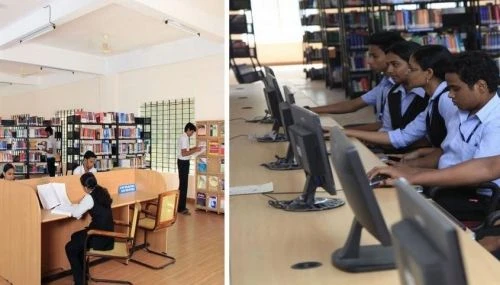
In this preview: 5 photos · 0 videos
The college cites an average placement package of 2-3 lakhs per annum (LPA). However, student and alumni reviews consistently report that actual placement rates are very low, with few students securing on-campus jobs. The 2-3 LPA figure, if accurate for the placed students, is considered below the current industry average for engineering graduates.
The total tuition fee for the four-year B.Tech program is approximately ₹5.02 Lakhs (based on 2024-2025 data), which works out to roughly ₹1.25 Lakhs per year. Additionally, hostel fees are around ₹42,000 per year, with mess charges extra. The overall affordability is a key feature of the college.
For KEAM 2021, the overall B.Tech cutoff rank (Round 1) for ILMCET ranged from 18,716 to 47,585. This indicates seats, particularly in management quota or less popular branches, were available to candidates with ranks in the 40,000s. Prospective students should check the latest KEAM 2024 or upcoming 2025 cutoff ranks for the most current information.
Hostel reviews are generally positive. Facilities include separate hostels for boys and girls, with rooms shared by four students and attached bathrooms. The food is frequently described as good, with a fixed menu that includes non-vegetarian options like chicken almost daily. However, some older reviews have mentioned issues like water leakage in rooms.
While ILMCET offers a B.Tech in Computer Science & Engineering, its overall placement record is weak. Student reviews indicate limited on-campus recruitment, even for IT roles. If your goal is strong campus placements in the IT sector, there are other colleges in Kerala with more robust track records and recruiter networks. ILMCET's CSE program may only be suitable if the low fee is the absolute primary deciding factor.
Share what future students should know about ILMCET.
Student voices are not rewritten by colleges. We remove spam and abuse.
Wider admission question? Community PulseWhat should future students know?
Tell us which course you're considering. We'll help you work out the next step.
Get instant Partner access after mobile verification. Your public edits are reviewed before they go live.
Claim this college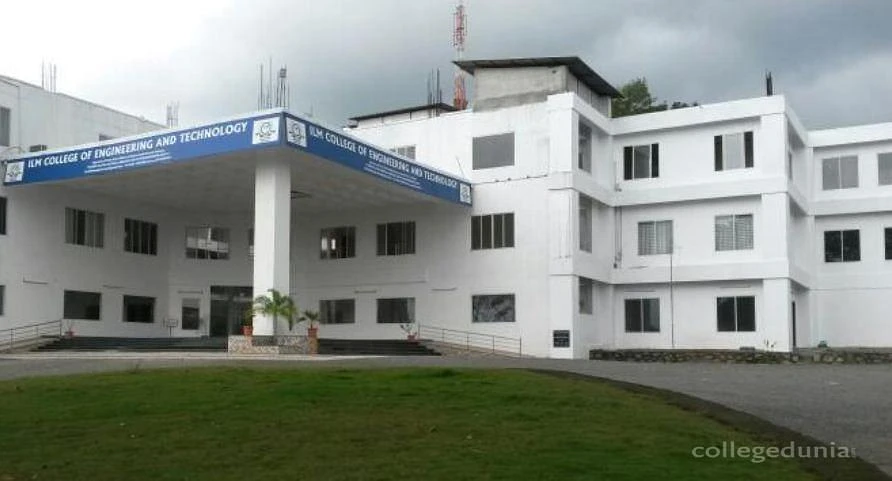

 Auditorium
 Cafeteria
 Computer Labs
 Gym
Gym Hostel
 Medical
 Science Labs
 Sports Complex
 Study Library