Loading Admission Guardian content
Loading Admission Guardian content

Provisional score based on available data. It may change as more information is verified.
Find a program, read its fee details and explore the admission requirements.
Summary of the programs shown below. First-year fee. Check the note beside each amount for inclusions and exclusions.
| Course | Stream | Fees |
|---|---|---|
| Diploma in Engineering (Polytechnic) | Engineering | 25000 |
Specializations
Eligibility: 10th
Kuttukaran Polytechnic College (KPTC) is a private, self-financing institution in North Paravur, Ernakulam, that offers a focused, practical alternative to the traditional degree path. Established in 2022 through the acquisition of the older Matha College of Technology, it’s a relatively new name with an established campus and a clear mission: to deliver industry-ready diploma engineers. Approved by the AICTE and ISO certified, its five core diploma programs attract students looking for a direct route into Kerala's technical workforce. The vibe here is functional and supportive, with student reviews consistently highlighting friendly faculty and a campus that feels safe and well-maintained. It’s not a sprawling university, but for a three-year diploma, that can be an advantage.
KPTC’s academic portfolio is straightforward and career-oriented. It offers five, three-year full-time diploma programs, each with an intake of 60 students. There are no undergraduate degrees or postgraduate courses here—the focus is entirely on the diploma level, which is a strategic choice. The programs are Diploma in Automobile Engineering, Civil Engineering, Computer Engineering, Electrical & Electronics Engineering, and Mechanical Engineering.
The academic approach seems geared towards applied learning. The college has an Institution's Innovation Council (IIC), established in 2022, which is a positive signal for students interested in project-based work and entrepreneurship. A more concrete industry link is the Hero Two Wheeler Skill Development Center, run in association with Hero MotoCorp and the Automotive Skills Development Council. This isn’t just an MoU on paper; it offers short-term training in two-wheeler maintenance and repair, a valuable add-on for Automobile and Mechanical students.
With 49 faculty members, the student-faculty ratio is decent for a polytechnic. Reviews specifically call out the teaching staff as “friendly and supportive,” which is a recurring theme. The library is a solid resource with over 17,500 books, 71 subscribed journals, and a reading room that seats 200. It’s a no-frills, practical academic environment that knows its role in the education ecosystem.
Placement data here lacks the hard numbers you’d get from a larger engineering college. The college’s official line mentions “high placement statistics over the years,” but specific figures for highest, average, or median packages aren’t publicly listed. That’s not uncommon for newer or smaller polytechnics, but it requires a bit of reading between the lines.
Student reviews fill in some gaps, though with the usual caveats of self-reported data. Some students, particularly in Automobile Engineering, have claimed “100 percentage placement” for their batch. That’s an ambitious claim and should be taken as indicative of strong placement support rather than a guaranteed statistic. The more consistent feedback is that “many students secure offers,” with recruiters visiting for campus drives.
The top recruiting companies named are solid, mid-tier industrial and automotive firms: Maruti, Ashok Leyland, Mahindra, Ola, and Honda. These are realistic targets for diploma holders, offering roles in the automobile, core engineering, and IT support sectors. The college’s Placement and Training Cell is described as active, conducting workshops and training programs to prep students for recruitment. They also claim to assist students in securing internships for all programs, which is critical for building a resume.
The reality check? This isn’t a campus where you’ll hear about ₹10+ LPA packages for diploma graduates. The value proposition is different. It’s about getting a foot in the door with reputable companies at the technician or junior engineer level. For a student from a government quota seat paying about ₹22,500 a year, that can represent a very good return on investment. The placement support seems genuine, but you’re entering a specific segment of the job market.
The fee structure at KPTC is one of its most defining features, especially for government quota seats. The total tuition fee for the entire three-year diploma program is ₹67,500 for government quota seats. That breaks down to roughly ₹22,500 per year, which is exceptionally affordable for technical education in Kerala. For management quota seats, the total fee is ₹1,12,500 (approx. ₹37,500 per year).
Beyond tuition, there’s a one-time payment during admission that includes components like the Admission Fee, Examination Permanent registration fee, portal registration fee, and refundable caution and interest-free deposits. The exact amounts for these aren’t specified in the brief, so you should budget an additional one-time sum on top of the tuition.
Hostel life is known for being “low cost.” Reviews mention spacious rooms, a clean mess, and basic amenities like a TV and purified water. The mess provides “hygienic and nutritious vegetarian food” at subsidized rates. While a combined hostel+mess fee isn’t listed, the consistent description of it being affordable aligns with the college’s overall value positioning.
For financial aid, the college assists students in availing government scholarships based on category and educational loan schemes from banks. You’ll need to submit the necessary documents for scholarship claims. One student complaint that does pop up is regarding fee payment deadlines—some feel the management is inflexible and imposes penalties for late payments, so it’s wise to be organized on that front.
Admission to the first year of the diploma programs at KPTC is based on a combination of merit and entrance exam performance. The primary entrance exam is the state-level Polytechnic Common Entrance Examination (PCE). Your academic marks from the 10th standard (CBSE, ICSE, or Kerala SSLC) also form a key part of the selection criteria.
The brief doesn’t provide specific cutoff ranks or percentiles for the latest cycles. This information is often published by the state’s Directorate of Technical Education (DTE) during the counseling rounds. You’ll need to track the official DTE Kerala or SBTE Kerala websites for that data.
The process involves applying through the state’s centralized polytechnic admission portal, likely during the window announced by the DTE. Seats are filled through centralized allotment, with separate quotas for government and management seats. For lateral entry directly into the second year of the diploma, eligibility is for students who have completed Plus Two/VHSE with Physics, Chemistry, and Maths, or a two-year course from NCVT/SCVT/KGCE.
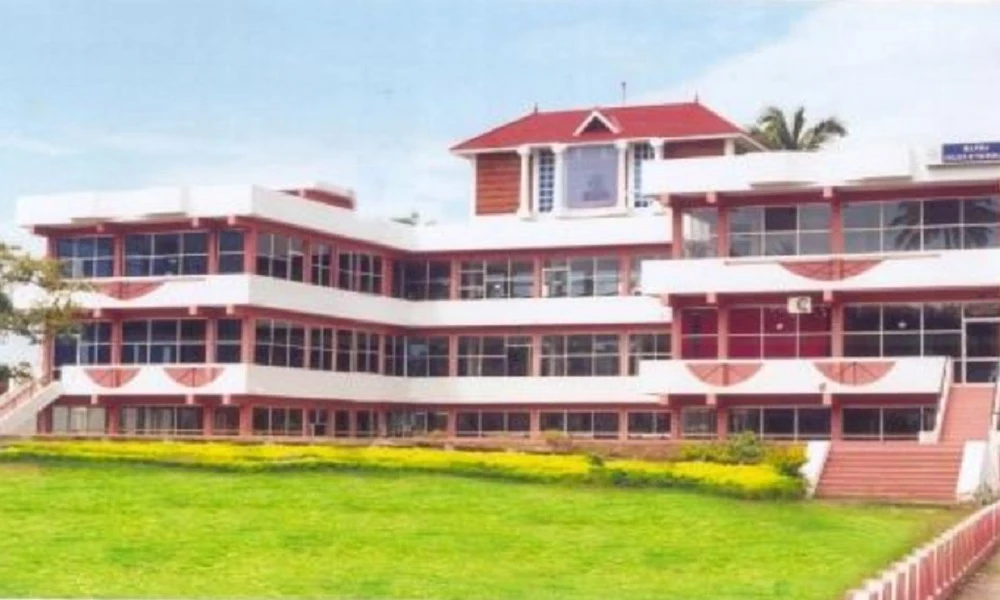
The campus, located in a quieter part of North Paravur, is described as having good infrastructure and a calm environment. It’s not a massive campus, but what’s there is well-maintained. The academic blocks house well-equipped departmental labs, which students praise. The crown jewel of the infrastructure is a sizable auditorium on the third floor of the main block, with a seating capacity of about 2,000—a clear asset for hosting events.
Hostels are a strong point. With separate facilities for boys and girls and a total capacity of 140, they offer spacious rooms, 24-hour security, and basic amenities. Reviews give the hostel infrastructure a 4/5 rating. The mess serves decent, hygienic vegetarian food. The overall sentiment is that it provides safe, affordable accommodation, which is a major relief for out-of-town students and their parents.
Student life is more vibrant than you might expect. The college hosts a variety of events including tech fests, cultural celebrations for Onam and Christmas, art fests, sports meets, and freshers’ day. There are active clubs for coding, robotics, and arts, along with departmental associations. A student union is in place to address grievances. Sports facilities include a playground for soccer, basketball and shuttle courts, a modern gym, and indoor games like table tennis. The college also provides transport facilities for students and staff.
Synthesizing student sentiment, a clear picture emerges. The positives are consistent and meaningful. Friendly and supportive teachers top the list, repeatedly mentioned across reviews. The infrastructure is rated highly—labs, library, hostels, and the general campus upkeep get good marks. Female students specifically note the campus feels safe and secure, with punctual timings. The placement opportunities are seen as a genuine strength, with many feeling the training cell is effective. Campus life is considered active and engaging, with enough fests and club activities to avoid monotony.
But it’s not all perfect. The most common complaint centers on administrative rigidity, particularly around fee payments. Students report fee penalties for late payments and feel the management doesn’t provide sufficient grace periods. There’s also some negative sentiment towards the “mid management,” though the details are unverified. These are typical friction points in many private institutions, but they’re worth noting.
The consensus? KPTC is seen as a good, practical choice for a diploma. It delivers on its core promises: decent education, good infrastructure, and placement support, all at a very reasonable cost for government quota students. The grievances are largely administrative, not academic, which suggests the core educational experience is sound.
Kuttukaran Polytechnic College makes a compelling case for a specific type of student. If you’ve completed your 10th standard and are looking for a direct, three-year path into the technical workforce—without the cost or duration of a full engineering degree—KPTC is worth serious consideration. Its greatest strength is the value proposition: for roughly ₹22,500 a year (government quota), you get a solid practical education, decent infrastructure, safe hostels, and genuine placement support from reputable companies like Maruti and Ashok Leyland.
It’s best for students who are clear about wanting a hands-on, industry-focused diploma and who prioritize affordability and job placement. The friendly faculty and active campus life are significant bonuses. However, if you’re seeking a college with a long-established brand name, extensive research opportunities, or a track record of ultra-high salary packages, you’ll need to look at larger degree-granting engineering colleges.
The complaints about fee management are a caution to be financially organized, but they don’t undermine the core academic offering. For a student securing a government quota seat, KPTC represents a low-risk, high-potential-return investment in a technical career. It knows what it is—a practical polytechnic—and by most accounts, it executes that role well.
Kuttukaran Polytechnic College offers five full-time, three-year diploma programs. Each program runs for six semesters and has an annual intake of 60 students. The programs are Diploma in Automobile Engineering, Civil Engineering, Computer Engineering, Electrical & Electronics Engineering, and Mechanical Engineering.
For the 2025-2026 academic year, the total tuition fee for the entire three-year diploma course is ₹67,500 for students admitted under the Government Quota (approx. ₹22,500 per year). For Management Quota seats, the total three-year tuition fee is ₹1,12,500 (approx. ₹37,500 per year). These figures do not include one-time admission fees, caution deposits, or hostel and mess charges.
Admission to the first year is based on merit and entrance performance. The primary exam is the state-conducted Polytechnic Common Entrance Examination (PCE), along with your 10th standard (SSLC/CBSE/ICSE) marks. Admission is processed through the state's centralized counseling. For lateral entry into the second year, you need a Plus Two/VHSE with Physics, Chemistry, and Maths or a two-year NCVT/SCVT/KGCE certificate.
KPTC provides separate hostel facilities for boys and girls with a total capacity of 140 students. The hostels offer spacious rooms, a clean mess hall serving hygienic vegetarian food, TV with cable, purified water, and 24-hour security. Student reviews consistently rate the hostels as good quality and low-cost, with no reported history of ragging.
Yes, the college has an active Training and Placement Cell that works year-round to connect students with companies. They provide skill development workshops, interview preparation, and assist students in securing internships for all diploma programs. Recruiters like Maruti Suzuki, Ashok Leyland, Mahindra, Ola, and Honda have hired from the campus, with many students reporting successful placement outcomes.
Share what future students should know about Kuttukaran Polytechnic College (KPTC).
Student voices are not rewritten by colleges. We remove spam and abuse.
Wider admission question? Community PulseWhat should future students know?
Tell us which course you're considering. We'll help you work out the next step.
Get instant Partner access after mobile verification. Your public edits are reviewed before they go live.
Claim this college Computer Labs
 Hostel
 Medical
 Science Labs
 Sports Complex
 Study Library