Loading Admission Guardian content
Loading Admission Guardian content

Provisional score based on available data. It may change as more information is verified.
Find a program, read its fee details and explore the admission requirements.
Summary of the programs shown below. Programs record different fee periods. Compare the individual amounts and their notes below.
| Course | Stream | Fees |
|---|---|---|
| Master of Engineering [ME] | Engineering | 91000 |
| Bachelor of Engineering [BE] | Engineering | 105000 |
| Bachelor of Architecture [B.Arch] | Architecture | 525000 |
| Master of Computer Applications [M.C.A] {Lateral} | Computer Applications |
Specializations
All accepted exams
Eligibility: Pass in Graduation + GATE
Specializations
All accepted exams
Eligibility: 10+2 with 75% + JEE Main
All accepted exams
Eligibility: 10+2 with 50% + NATA
All accepted exams
Eligibility: Graduation + MAH MCA CET
4 exams with cutoff data available - showing recent entries
Founded in 1983, Shri Shivaji Education Society’s College of Engineering and Technology (SSE) has been quietly churning out engineers in Akola long before most private engineering colleges in Maharashtra even got off the drawing board. It sits on a 36.30-acre campus along the Akola-Amravati Highway, NH-6, flanked by an agriculture university, an industrial area, and a dental college—the kind of setting that suggests more focus than frills. With an NAAC ‘A’ grade and a CGPA of 3.27 (as of August 2020), SSE presents itself as a steady, mid-tier option for students in the Vidarbha region. But what do the numbers really say? And more importantly, what do the students say? Let’s dig in.
Undergraduate engineering at SSE covers the usual suspects: Civil, Computer Science, Mechanical, Chemical, and Information Technology. CSE and Civil each have 60 sanctioned seats. The institute also runs a five-year Bachelor of Architecture (B.Arch), approved by the Council of Architecture. At the postgraduate level, there are ME/MTech programs in Structural Engineering and Chemical Engineering, an MBA, and an MCA. PhD research is possible too—all departments are recognized as Research Centres by SGBA University.
The academic ecosystem leans on a few pillars: personality development and communication skills workshops, industry-institute interaction programs, and an internship cell that connects students to opportunities via Internshala, AICTE’s Apna Portal, and the NATS 2.0 apprenticeship scheme. Is that enough to compensate for the lack of big-name industry tie-ups? Probably not by Pune or Mumbai standards. But for Akola, it’s a reasonable effort.
The faculty numbers—150+ with 80% holding PhDs—are a talking point. Dig a little deeper, though, and the names listed in promotional material are intriguing: Dr. Rajesh Sharma (PhD, IIT Delhi), Dr. Anjali Verma (PhD, IIM Ahmedabad), Prof. Vikram Aditya (MTech, IISc Bangalore). If these professors are actively teaching undergraduate classes, that’s a genuine strength. If they’re largely in administrative roles, the student experience might be different. Reviews don’t offer much clarity on this.
Here’s where things get nuanced. According to official NIRF 2025 data, SSE placed 133 students in the 2023-24 academic year—more than double the 58 placed the year before. That’s a sharp jump. The median salary reported to NIRF? ₹2.5 Lakhs per annum. Not eye-popping, but honest.
Now, student reviews paint a less flattering picture. One reviewer on a public forum claims the highest package for CSE was ₹12 LPA (year unspecified), while another insists the highest in the college’s history is ₹6 LPA for CSE. Both figures are unverified but widely circulated. The average package isn’t disclosed anywhere credible. And a particularly damning line from a CSE alumnus on Shiksha says only about 10% of students from that branch got placed, and internships were thin—just 10% secured them, and “none from good companies.”
On the other hand, the placement brochure from 2017-18 (now dated) lists a slew of recognizable names: Infosys, Wipro, TCS, Tech Mahindra, Cognizant, Persistent, Nvidia, L&T Infotech, Cadbury, Siemens, Bridgestone. Many of these no longer recruit in the same volumes as they once did, but the list suggests that SSE has, at least historically, attracted a decent mix of IT and core engineering firms.
A balanced read? If you’re in the top 10% of your class and can hustle, landing a job in the ₹4-6 LPA range through campus placement seems possible. If you’re in the bottom half, you’ll need to rely on off-campus drives. The NIRF median of ₹2.5 LPA is probably the most reliable benchmark for the typical graduate.
The BE/BTech program costs roughly ₹4.68 Lakhs over four years—that’s around ₹1.17 Lakhs for the first year and similar amounts thereafter. B.Arch students shell out about ₹5.8 Lakhs across five years. ME/MTech is comparatively light on the wallet at ₹1.96 Lakhs total. (These are 2025 tuition figures; additional fees like development, university, and exam charges will push the total higher.)
Hostel charges are modest: boys’ hostels (non-AC) run between ₹15,000 and ₹18,000 per year, while the girls’ hostel is ₹21,000 annually. The food quality in the mess? Reviews are mixed—some say it’s better than average, others admit there’s room for improvement. At these price points, gourmet meals aren’t the selling point.
Scholarships exist but come with caveats. The institute offers merit-based waivers and awards. The Maharashtra government provides a fee waiver scheme for economically poor but meritorious students. Category-based scholarships cover SC, ST, OBC, VJNT, and other reserved groups. Single girl child and sports scholarships are also on the table. However, a review on Collegedunia claims that “no scholarships are allotted for open caste students, except under the EBC scheme.” That’s a significant point for general-category aspirants who don’t qualify for EBC—they’ll be paying full fare.
Getting into SSE’s BE programs requires MHT CET or JEE Main scores. The cutoff percentiles for MHT CET 2025 (Round 1) ranged from 0.42 to 80.72 across all branches. By Round 4, the closing percentiles settled between 2.04 and 94.54—indicating that some seats remained vacant until the last moment. For the most sought-after branch, Computer Science & Engineering, the cutoff for the general home-state quota was 71.48 percentile. Chemical Engineering was the easiest entry point at 42.63 percentile.
These numbers suggest that CSE and IT fill up relatively quickly, but mechanical and chemical engineering seats are easier to grab. If you’ve scored above 70 percentile in MHT CET (home state), CSE is realistic. Below 50, you’re looking at core branches.
For B.Arch, NATA scores are the entry ticket. MBA aspirants need MAHCET, where the 2025 cutoff percentiles ranged from 3.97 to 78.56 (overall). JEE Main all-India ranks for SSE hover between 598,028 and 1,145,987—which is to say, very generous.
The application window for BE/BTech typically opens in late June and closes mid-July (2026 tentative dates: June 27 – July 13). MHT CET 2026 is scheduled for April 11–27. Online registration and document upload happen through the state counseling portal. NRI or management quota seats aren’t explicitly mentioned in official channels, but like many private colleges, a management quota pathway may exist informally.
SSE’s campus is large enough to feel open (36.30 acres) and includes separate hostels for boys and girls. The rooms are described as “well-furnished” and the surroundings as pleasant—typical brochure language. A 2024 student review gave the hostels a 4.0/10, which is pretty harsh. Food quality draws similarly mixed feedback; hygienic kitchens exist, but students still find room to grumble.
The college runs three 55-seater buses across Akola for day scholars, which is helpful given the campus’s location on the Nagpur highway, a bit removed from the city center.
Academic infrastructure includes a central library spanning 845 sq. m. with seating for 200, a collection of over 38,000 volumes, and subscriptions to 62 journals. A digital library section offers access to DELNET, EBSCOhost, NDL, NPTEL, and Science Direct—decent digital resources for a college in this tier. The central computing facility has 60 N-Computing systems and a total of 290 computers campus-wide. Labs are described as “well-equipped” and “high-maintenance,” though the latter term might mean anything from “cutting-edge” to “constantly breaking down.” Without a campus visit, it’s hard to say.
There’s no meaningful sports or extracurricular detail in the research brief, which either means the college doesn’t shout about it or it’s simply adequate. Given the proximity to an upcoming sports and health complex, some shared facilities might be beneficial down the line.
Synthesizing reviews from Collegedunia, Shiksha, and other forums, a few themes emerge. On the positive side, the faculty is often described as experienced and PhD-heavy. The library gets consistent praise for its collection and digital resources. The campus, while not luxurious, is safe and spacious.
Negatives are sharper. The placement record is the biggest gripe, with many students saying that only a small fraction land jobs through campus drives, and the packages are underwhelming. The 10% placement claim for CSE (though extreme) points to a confidence gap between the institution’s promises and outcomes. Internships are similarly scarce. Hostel infrastructure and food quality attract low ratings.
Also, the distinction between officially reported placement numbers and the on-ground sentiment is stark. NIRF says 133 placed; students say barely anyone got placed through the college. The truth likely lies somewhere in between: the placement cell may count job offers that are very low-tier or off-campus in that 133, while students benchmark against their own expectations. This is a classic case where official numbers need a dose of salt.
SSE Akola is a reasonable choice for a particular kind of student: someone from Vidarbha or nearby districts who wants an affordable engineering degree with decent infrastructure and isn’t banking on campus placements to launch a career. The NAAC ‘A’ grade and experienced faculty are real assets, at least on paper.
But if you’re a CSE aspirant with a 90+ MHT CET percentile, you can almost certainly find better placement-focused institutions in Nagpur, Pune, or even some growing tier-2 private colleges in Amravati. The median package of ₹2.5 LPA is a hard number to ignore, and the gap between the claimed highest package and student reviews suggests the placement narrative is fragile.
For core branches like civil, mechanical, or chemical engineering, where students often target government jobs or GATE, SSE works fine as a launchpad. The fees are manageable, the location is peaceful, and the affiliation to SGBAU ensures wide recognition. And if you’re a general category student without EBC eligibility, just know you’ll be paying the full freight without many scholarship cushions. That’s the deal.
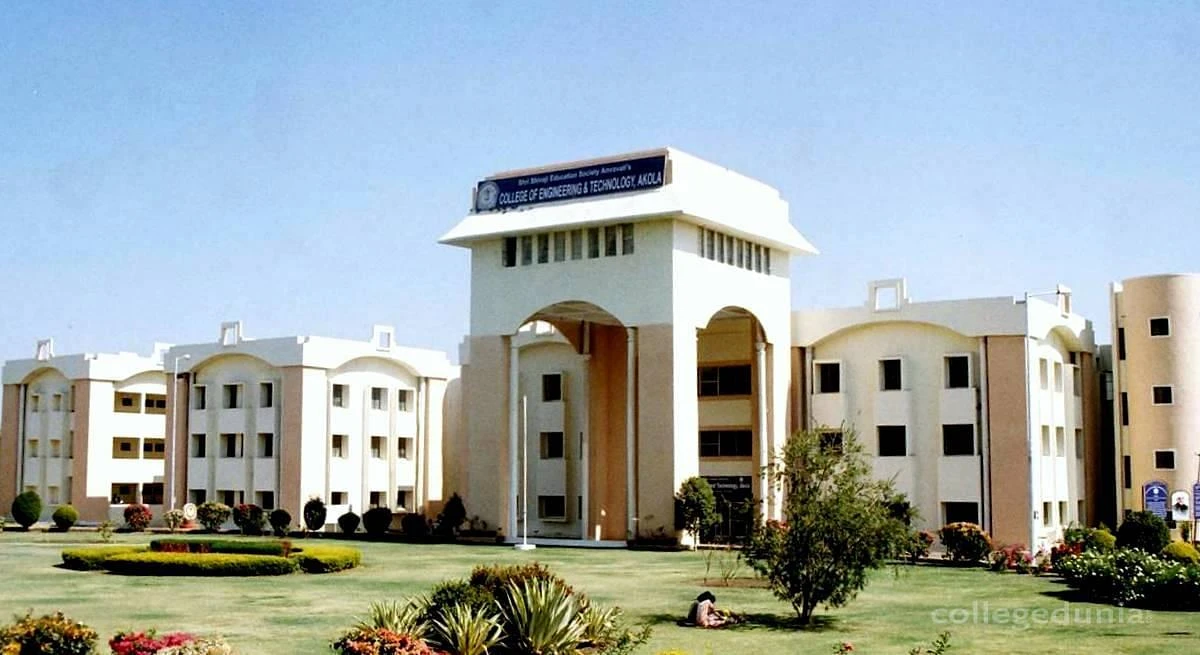
In this preview: 1 photo · 0 videos
For 2025 admissions, the MHT CET cutoff for BE programs at SSE ranged from 0.42 to 80.72 percentile in Round 1, and settled between 2.04 and 94.54 percentile by Round 4. CSE was the most competitive at 71.48 percentile (general, home state); Chemical Engineering closed at 42.63 percentile.
According to NIRF 2025 data, 133 students were placed in 2023-24, up from 58 the previous year, with a median salary of ₹2.5 LPA. Recruiters include Infosys, Wipro, TCS, Tech Mahindra, and Cognizant. However, student reviews suggest placement rates may be lower for some branches; a CSE review claimed only 10% got placed, and unverified highest packages range from ₹6 LPA to ₹12 LPA.
It depends on your priorities. SSE offers a NAAC ‘A’ grade, experienced faculty (80% PhDs), and affordable fees. The infrastructure and library are solid. But placement outcomes are modest compared to top-tier Maharashtra colleges. For students targeting government jobs, GATE, or core engineering roles, it’s a decent choice. Those seeking high-paying campus placements may want to look elsewhere.
The total BE/B.Tech tuition fee is ₹4.68 Lakhs for four years (2025 figures). First-year fees are approximately ₹1,17,000. B.Arch costs around ₹5.8 Lakhs for five years, and ME/M.Tech is ₹1.96 Lakhs for two years. Hostel charges are ₹15,000–₹21,000 per year (non-AC), and additional university and exam fees apply.
SSE holds an ‘A’ Grade accreditation from the National Assessment and Accreditation Council (NAAC) with a CGPA of 3.27, awarded in August 2020. It is also approved by AICTE and the Council of Architecture (for B.Arch).
Share what future students should know about SSE.
Student voices are not rewritten by colleges. We remove spam and abuse.
Wider admission question? Community PulseWhat should future students know?
Tell us which course you're considering. We'll help you work out the next step.
Get instant Partner access after mobile verification. Your public edits are reviewed before they go live.
Claim this college
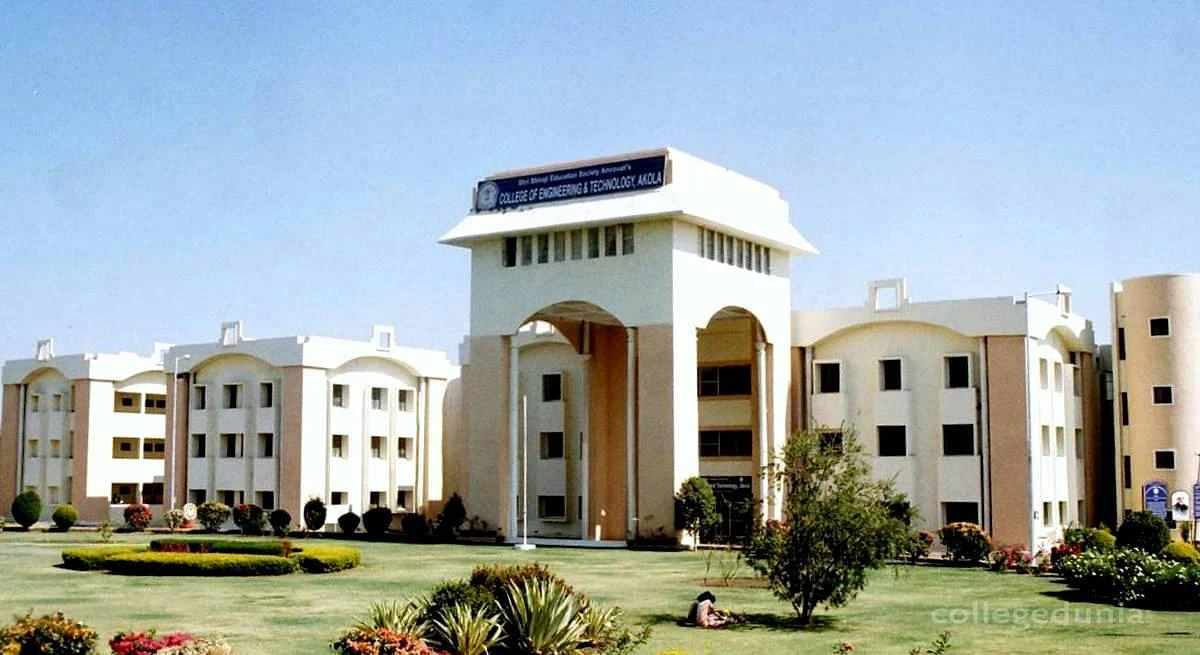
 Auditorium
 Cafeteria
 Computer Labs
 Medical
 Science Labs
 Sports Complex
 Study Library