Loading Admission Guardian content
Loading Admission Guardian content

Provisional score based on available data. It may change as more information is verified.
Find a program, read its fee details and explore the admission requirements.
Summary of the programs shown below. First-year fee. Check the note beside each amount for inclusions and exclusions.
| Course | Stream | Fees |
|---|---|---|
| Diploma in Engineering (Polytechnic) | Engineering | 30150 |
| Bachelor of Technology [B.Tech] | Engineering | 55000 |
| Bachelor of Technology [B.Tech] {Lateral} | Engineering | 55000 |
Specializations
Eligibility: 10th with 35% + JEECUP
Specializations
All accepted exams
Eligibility: 10+2 with 45% + UPTAC
Specializations
All accepted exams
Eligibility: 10+2 with 45% + UPTAC
3 exams with cutoff data available
Delhi Institute of Engineering and Technology (DIET) in Meerut is a private engineering college that’s built its reputation on one thing: affordability. Established in 2009 and affiliated with Dr. A.P.J. Abdul Kalam Technical University (AKTU), it’s a practical choice for students in western Uttar Pradesh who need a B.Tech degree without the crushing fees of NCR colleges. The campus is compact at 6 acres, but it’s functional. You’ll find a standard set of engineering branches here, with a notable offering in Automobile Engineering that’s relatively unique for the region. The official placement claim for 2024 hits a high of 10 LPA, but student chatter tells a more grounded story. If your priority is a low-cost, no-frills AKTU degree with a shot at campus placements, DIET is on the list. If you’re chasing top-tier infrastructure, a vibrant campus life, or guaranteed high packages, you’ll likely need to look elsewhere.
DIET offers a focused portfolio centered on undergraduate engineering. There’s no postgraduate or doctoral research here—it’s a teaching-oriented institute for getting that foundational B.Tech. All programs fall under the AKTU curriculum and semester system.
The B.Tech program has an overall intake of 120 students, but that’s split across specializations. Computer Science and Engineering takes the biggest batch at 180, followed by Mechanical Engineering at 150, and Civil Engineering at 120. The other streams—Electronics & Communication, Electrical, and Automobile—fill out the roster. That B.Tech in Automobile Engineering is a talking point; it’s not commonly found at other colleges in Meerut and nearby areas, which could be a draw for students passionate about that specific field.
There’s also a B.Tech Lateral Entry pathway for diploma holders, with seats in CSE, ECE, and Automotive Engineering. For students looking at a more hands-on, shorter technical course, DIET runs a three-year Polytechnic (Diploma) program in Mechanical, Civil, Electrical, and Computer Science Engineering.
Academically, the institute highlights its Industry-Institution cell. The idea is to bridge the classroom with the workshop floor. They organize skill-development sessions, factory visits, and industrial projects. It’s a decent effort for a private college, though the depth of these industry tie-ups isn’t explicitly detailed. Faculty details are sparse in the available data—no headcount or PhD percentages are published. Student reviews, however, often call the professors helpful and good, which counts for a lot in the day-to-day grind.
This is where you need to read between the lines. The official line is optimistic. For 2024, DIET reports a highest package of INR 10 LPA and an average ranging between INR 3.5 LPA to 6 LPA. The placement rate is touted at 95%. The recruiter list is long and features some impressive names: DRDO, TATA Motors, Toyota, Microsoft, Accenture, Wipro, Cognizant, Tech Mahindra, and IBM, among others. Sectors are a mix of IT and core engineering roles.
But here’s the reality check that builds trust. Student reviews consistently paint a more modest picture. One recent alum from 2023 stated the highest package they knew of was around 3 LPA, not 10. The consensus from student feedback suggests a working placement rate closer to 70-80%, not 95. The average package alumni talk about aligns more with the lower end of that official range, around 4-5 LPA for many.
So what’s the truth? It’s probably in the middle. A few top performers in CSE might hit that 10 LPA mark with a top-tier IT company, pulling up the average. But for the majority in mechanical, civil, or automobile, the offers are likely to be in the 3-5 LPA range from mid-sized engineering or manufacturing firms. The college does get companies to visit, which is the crucial first step. Their claim of providing 95% assistance is likely more accurate than a 95% placement guarantee. You’ll need to put in the work. Internships, according to students, also require proactive effort from the individual.
This is DIET’s strongest card. The fees are undeniably low for a private B.Tech program.
Add to that hostel and mess charges, which are about INR 40,000 per year for male students. Even with all costs, the total four-year expenditure is remarkably manageable compared to peers.
The scholarship scheme is quite detailed and seems designed to attract students. It’s based on merit and need. A 50% tuition waiver is available for students with over 60% in PCM or those in the top 10% of their board exams. High scorers in JEE-Main, CUET (UG), or JEECUP can get up to a 75% tuition fee remission. There’s also financial support of up to 30% for students from families with an annual income below INR 5 Lakh. Standard state and central government scholarships for SC, ST, OBC, and EWS categories apply, and there are domicile awards for Uttar Pradesh residents. A key note: only one scholarship award is tenable per program per year, subject to fund availability.
Admission is entrance-exam driven and follows the state counseling process. For B.Tech, you need a valid score in JEE Main or CUET (UG). For the Polytechnic diploma, it’s the JEECUP.
The selection is not direct. You must register for and participate in the centralized counseling. For B.Tech, that’s UPTAC (Uttar Pradesh Technical Admission Counselling). For Diploma, it’s through JEECUP counseling.
Cutoffs are where you gauge your chances. They’re not fiercely competitive, which aligns with the college’s positioning. For JEE Main 2024, the closing rank for B.Tech Computer Science Engineering for the General category was between 1,250,317 and 1,301,562. Predictive ranks for UPTAC 2025 across all B.Tech branches hover around the 2.1 million mark for General All-India candidates. These are very accessible ranks.
Tentative 2026 Admission Timeline:
The online registration fee for counseling is around INR 20,000 for General category and INR 12,000 for SC/ST. If seats remain after counseling, the college does have a management quota for direct admission, which also applies to NRI and out-of-state applicants.
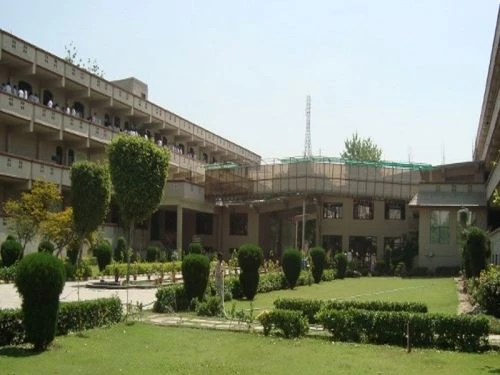
The campus is described as green and peaceful, but manage your expectations on size and amenities. The main academic building houses classrooms, labs, the library, and workshops. Infrastructure is generally deemed “commendable” by students—spacious classrooms, well-stocked labs (including air-conditioned computer labs), and a functional auditorium.
The library has a decent collection, but reviews note it can be modest for advanced elective topics. You can borrow up to three books. There’s a stationary and photocopy facility on site.
Where feedback gets mixed is on tech and recreation. The college claims 24/7 Wi-Fi, but multiple student reviews point out that Wi-Fi and advanced IT infrastructure are lacking in some areas. It’s more of a basic networked environment. Sports facilities include a small ground for outdoor games and some indoor options, but space is limited.
Hostels get positive marks for providing a homely, comfortable, and hygienic environment. Separate facilities for boys and girls are available, with a mess serving nutritious food. The administration emphasizes strict anti-ragging policies. For commuting students, the college runs its own transport fleet. The canteen is a popular spot, praised for tasty and affordable food. A medical facility is available on campus.
Social life is adequate, not buzzing. There are a couple of fields and basic amenities. There’s not a lot of detail on major fests or a vibrant club culture. It’s a campus where your social circle and academic work will define your experience.
Synthesizing the student sentiment from various sources gives you a balanced, human perspective.
The Good:
The Not-So-Good:
The overall tone from alumni is pragmatic. It’s not a glamorous college, but it serves its purpose well for the right student.
DIET Meerut is a classic case of “you get what you pay for,” and in this instance, that’s not a bad thing. It’s a clear yes for budget-conscious students in the region who have secured a moderate JEE Main rank and want a legitimate AKTU B.Tech degree with a functional campus and a chance at placements. If your primary constraint is finance, the fee and scholarship structure here is very difficult to beat among private colleges. The Automobile Engineering program is a genuine differentiator if that’s your field of interest.
You should probably look elsewhere if: you’re aiming for a high-flying corporate career with a top-tier package right out of college (the average outcomes here are modest), if a vibrant, resource-rich campus life with endless clubs and events is a priority, or if you need cutting-edge research facilities. DIET is a practical launchpad. It provides the essential tools—a degree, basic infrastructure, decent teaching, and placement interviews. The trajectory after that is heavily dependent on the student’s own drive and skill-building efforts outside the prescribed curriculum. For its target audience, it fulfills a necessary role effectively.
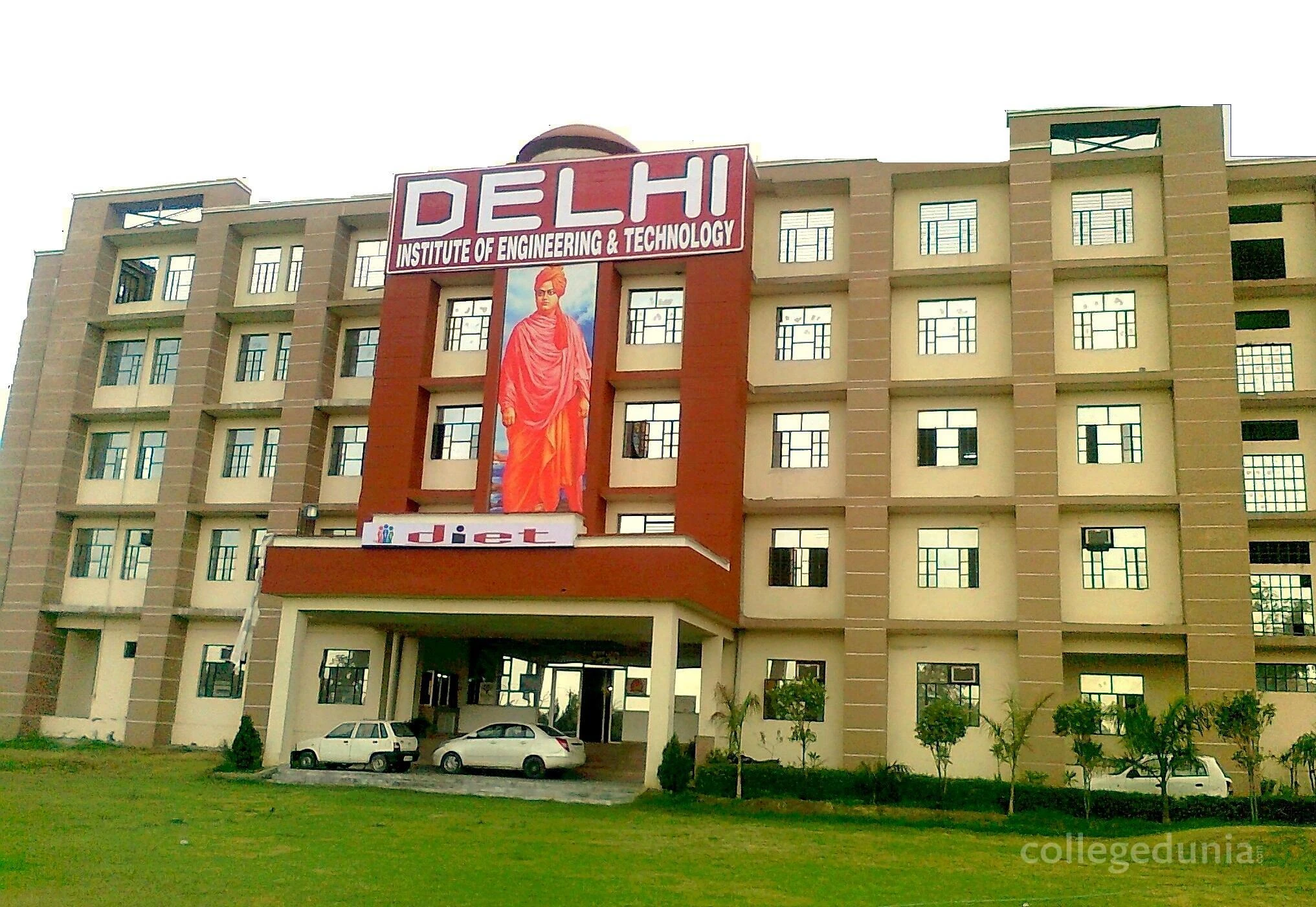
In this preview: 1 photo · 0 videos
The total fee for the complete 4-year B.Tech program at Delhi Institute of Engineering and Technology, Meerut, is approximately INR 2.45 Lakhs for the 2025-26/2026-27 academic cycles. This is an all-inclusive program fee, which breaks down to roughly INR 55,000 per year, making it one of the most affordable private B.Tech options in western Uttar Pradesh.
Admission to the B.Tech programs at DIET Meerut requires a valid score from either JEE Main or CUET (UG). Crucially, securing a score is just the first step. Candidates must then participate in the centralized state counseling process conducted by UPTAC (Uttar Pradesh Technical Admission Counselling) for final seat allotment.
Official figures for 2024 cite a highest package of INR 10 LPA and an average salary range of INR 3.5 LPA to 6 LPA. Top recruiters include names like DRDO, TATA Motors, Microsoft, Accenture, and Wipro. It's important to note that student reviews often suggest a more grounded reality, with many placements clustering in the 4-5 LPA range, and the highest package being an outlier achieved by a few top performers.
Yes, DIET Meerut has a structured scholarship program based on merit and financial need. Key offers include a tuition fee waiver of up to 75% for high scorers in JEE Main, CUET (UG), or JEECUP. Students with over 60% in PCM in their board exams can get a 50% waiver. Additionally, financial assistance of up to 30% is available for students from families with an annual income below INR 5 Lakh. Government scholarships for SC/ST/OBC/EWS categories are also applicable.
DIET Meerut provides separate hostel facilities for boys and girls, which students describe as offering a homely and comfortable environment. The hostels come with a hygienic mess that serves nutritious food. The institute enforces strict anti-ragging policies to ensure student safety and well-being. The annual hostel and mess charges are approximately INR 40,000.
Share what future students should know about DIET.
Student voices are not rewritten by colleges. We remove spam and abuse.
Wider admission question? Community PulseWhat should future students know?
Tell us which course you're considering. We'll help you work out the next step.
Get instant Partner access after mobile verification. Your public edits are reviewed before they go live.
Claim this college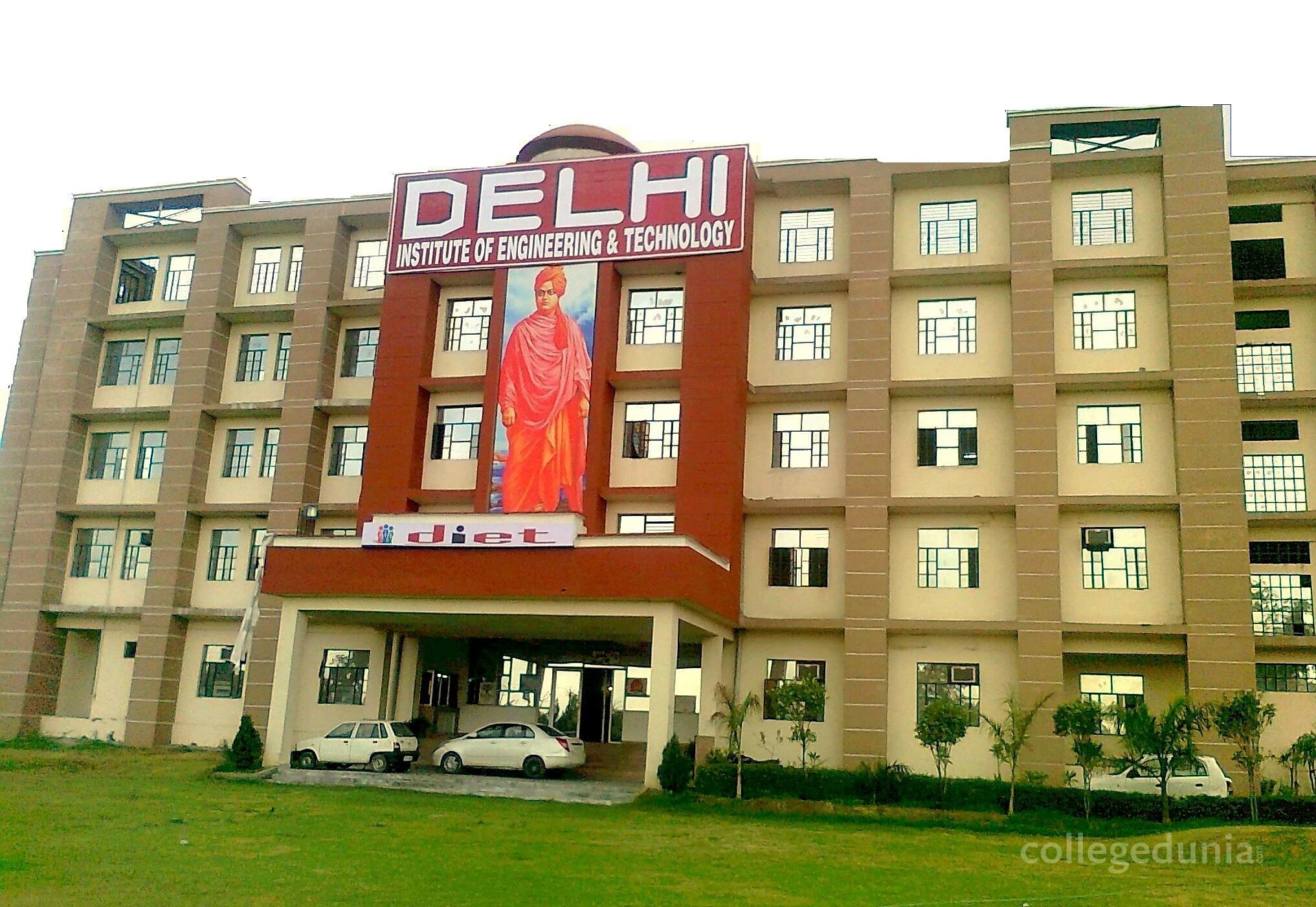
 Auditorium
 Cafeteria
 Campus Shuttle
 Computer Labs
 Hostel
 Medical
 Science Labs
 Sports Complex
 Study Library