A data-driven quality benchmark by Admission Guardian, based on factors like NAAC rating, NIRF rank, placements, fees & student reviews.

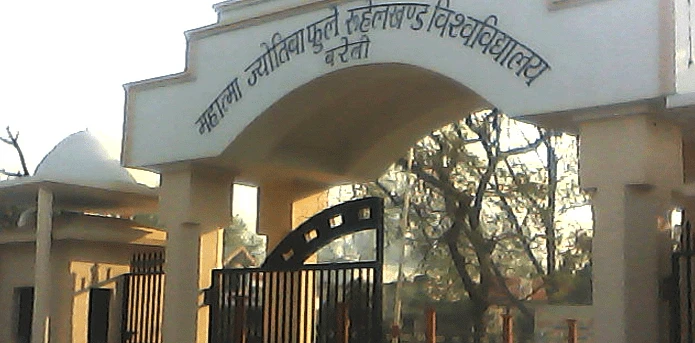
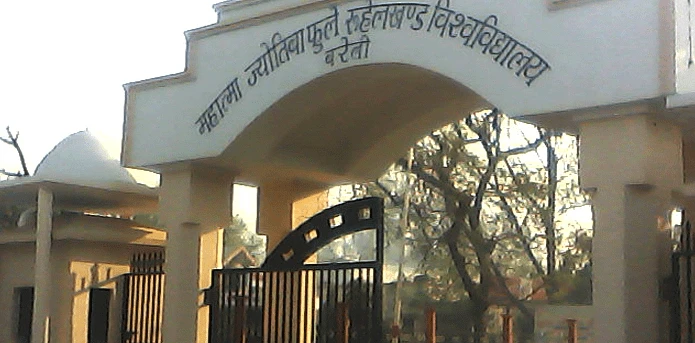
Gandhi Faiz-EAam College in Shahjahanpur is a study in contrasts. It's a sprawling, green campus with a 75-year history, offering a dizzying array of 33 courses to over 7,500 students. But talk to those students, and you'll hear a consistent theme: this is a place you come for a degree and a solid academic foundation, not for a corporate job offer. The NAAC B++ grade and affiliation with Mahatma Jyotiba Phule Rohilkhand University provide a legitimate academic backbone. Yet, the placement cell's activity—or lack thereof—is the single biggest point of contention in every student review. If you're looking for a traditional, disciplined college environment in Western UP to pursue arts, science, or commerce without the pressure of cutthroat competition, it has its merits. Just don't expect recruiters to be lining up at the gate when you graduate.
With 33 courses across 11 specializations, the college casts a wide net. The academic model is classic affiliated college: syllabus-driven, lecture-based, and reliant on a merit-based admission system for most programs. There's no entrance exam for staples like B.A., B.Sc., B.Com, or BBA—your 12th-grade marks are the ticket.
The undergraduate spread is vast. The B.A. program alone has specializations from Urdu and Sociology to Drawing & Painting and Political Science. The B.Sc. offerings are equally broad, covering everything from core sciences like Physics and Chemistry to applied fields like Microbiology and Computer Science. Professional courses like BCA (120 seats) and BBA (60 seats) are available, though student feedback suggests the BBA program leans heavily theoretical.
At the postgraduate level, M.A. and M.Sc. programs continue in many of the same disciplines, alongside an M.Com and a Master of Social Work (MSW). They also offer a handful of PG Diplomas in areas like Computer Application and Journalism. The sole doctoral program listed is a Ph.D. in Hindi.
The faculty count stands at 107. Reviews consistently label them as knowledgeable and supportive, focused on completing the university-mandated syllabus. The teaching style isn't described as innovative or highly interactive, but it's reliable. That's pretty standard for a large, traditional affiliated college. You get what you need to pass your MJPRU exams, but you might have to chase extra practical exposure on your own.
This is where the official line and student experience diverge sharply. The college's placement narrative is selective. They highlight a 90% placement rate and a 7 LPA highest package for the B.Sc. Microbiology batch of 2025, with recruits from medical companies. That's a strong data point for one specific cohort in a niche science field.
But for the vast majority of students in Arts, Commerce, and even general B.Sc. streams, the story is different. The consensus on review platforms like Careers360 (which gives a 2.3/5 placement rating) and Shiksha is stark. Comments like "no company comes to my college" and "no placement is conducted" are repeated. The Shiksha placement rating, based on 10 verified reviews, is a middling 3.21/5. Some sources mention an average package figure as low as Rs. 10,000 per month for certain courses.
A few name-brand recruiters like Maruti Suzuki are listed, but their campus visit frequency isn't clear. There's an unverified claim that 40% of students secure international internships, but this lacks corroboration in student testimonials.
The reality check? If you're in a specialized, industry-aligned science program like Microbiology, there might be a pathway. For everyone else, treat the degree as a stepping stone. A significant portion of B.A. graduates (around 40%, per the data) directly pursue an M.A. That tells you where the primary focus lies. The placement cell isn't a powerhouse here. You'll likely be job-hunting independently or preparing for government exams.
Fees are a relative strength. For traditional undergraduate degrees, the cost is modest. A B.A. or B.Com will run you about ₹15,000 annually. That's accessible. The BCA program is quoted at around ₹25,000 per semester, while other courses can go up to ₹1 lakh per year. Hostel and mess fees for the 2025 cycle were listed as "Coming Soon," so budgeting for those is a must but the exact numbers aren't pinned down. The boys' hostel has a capacity of 52 beds.
Financial aid exists, but it's bureaucratic. The college itself doesn't dish out direct scholarships. Instead, they facilitate access to state schemes. Fee concessions and book aid are available for "poor meritorious students." The main avenue is the Uttar Pradesh Scholarship program, aimed at academically bright students from minority or female backgrounds with a family income under ₹2 lakh. Reserved category students may also access scholarships through the university. The catch? You have to register on a state government portal and navigate that system yourself. The college provides the information, not the cheque.
The process is straightforward and largely stress-free—no intense entrance exam prep needed. For the core UG programs (B.A., B.Sc., B.Com, BBA, BCA) and the MSW, admission is strictly merit-based. Your marks in the qualifying examination (10+2) are everything. The college releases cutoffs based on these percentages, but the specific cutoff ranks or percentages for the latest cycle aren't published in the available data.
The application window for the 2025-26 session ran from May 9 to July 24. You apply directly to the college when the portal opens. There's no mention of a management or NRI quota, which keeps the process transparent and based on your board marks. For the Ph.D. program, you'd need to follow MJPRU's own research admission process, which likely involves an entrance exam and interview.
The 13-acre campus is the college's most universally praised feature. It's described as green, spacious, and well-maintained, with old but solid buildings. The infrastructure is functional. You get 45 labs that students say are equipped well enough for practicals, especially in subjects like Botany and Chemistry. Classrooms are basic but some have projectors. The library—named after founder Khan Bahadur Fazl-ur-Rahman Khan—is a serious asset with over 75,000 books and a reading hall. Wi-Fi access is spotty; it's confirmed in the reading hall and hostel, but many students say it's not available campus-wide.
Sports facilities are above average for a college of this type. There are extensive grounds for football, hockey, and cricket, plus a basketball court, volleyball, kabaddi, and a separate gym for indoor games. They even have wooden badminton courts.
Hostel life gets decent reviews. The boys' hostel rooms come with a bed, study table, and power board. The catch? It's noted as being located a distance away from the main academic blocks. The canteen serves fresh meals, and there's a medical facility on site. A cultural and heritage research centre and an auditorium round out the facilities.
Social life is calm. The atmosphere is described as disciplined and conducive to studying. There's no buzz about major annual fests or a vibrant club culture in the reviews. It's a campus where you focus on your work, enjoy the greenery, and play some sports.
Synthesizing the feedback creates a clear, if dualistic, picture.
The Good:
The Not-So-Good:
The management gets a neutral score; one review mentioned they listen to problems, but it's not a major talking point. The verdict from students? It's a good college for getting an affordable, recognized degree in a pleasant setting. It's not a good college for placement support. Adjust your expectations accordingly.
It depends entirely on your goals and budget. Gandhi Faiz-EAam College is a classic example of a regional, affiliated institution that serves its local community well. If you're a student from Shahjahanpur or surrounding districts in Western UP looking for a reputable, affordable place to pursue a B.A., B.Sc., or B.Com with low admission barriers, it's a solid choice. The campus is genuinely nice, the faculty is supportive, and the NAAC B++ grade adds credibility. You'll get a legitimate degree from MJPRU without financial strain.
But you should look elsewhere if your primary aim is campus placements or a highly industry-integrated education. The placement record for most programs is weak, and the academic approach is traditional. It's also not the place for a bustling, event-filled metropolitan campus life.
Consider it a practical stepping stone. It works well for students planning to move on to postgraduate studies, prepare for government service exams, or join a family business, all while acquiring a foundational degree in a disciplined environment. For that specific purpose, it holds value. For a direct pipeline to the corporate world, the odds are long, and you'd be better served by institutions with a proven track record in that arena.
4 streams
Auditorium
Bank & ATM
Cafeteria
Computer Labs
Medical
Science Labs
Sports Complex
Study LibraryCampus media
Gandhi Faiz-EAam College is affiliated with Mahatma Jyotiba Phule Rohilkhand University (MJPRU), Bareilly. Its key accreditation is a NAAC Grade B++, awarded in 2022. The college is also approved by the University Grants Commission (UGC) and the National Council for Teacher Education (NCTE).
Placement outcomes vary drastically by program. The college highlights strong results for specific courses like B.Sc. Microbiology, citing a 90% placement rate and a 7 LPA package for the 2025 batch. However, student reviews across platforms indicate that for the majority of arts, commerce, and general science students, on-campus placement opportunities are very limited. Many graduates pursue higher studies or seek jobs independently.
For the Bachelor of Arts (B.A.) and Bachelor of Commerce (B.Com) programs, the annual tuition fee is ₹15,000. The fee for the Bachelor of Computer Applications (BCA) is approximately ₹25,000 per semester. Fees for other undergraduate and postgraduate programs can vary, with some courses having annual fees up to ₹100,000.
The college boasts a large, 13-acre green campus with well-maintained academic blocks. Facilities include 45 functional labs, a library with over 75,000 books, sports grounds for cricket/football, a basketball court, and a gym. Hostel accommodation is available for boys, and the campus has a canteen, medical facility, auditorium, and Wi-Fi in specific areas like the reading hall.
Yes, but the college primarily facilitates state government scholarships rather than offering its own. Fee concessions and book aid are available for meritorious students from economically weaker sections. The main avenue is the Uttar Pradesh Scholarship program, for which students (particularly from minority or female backgrounds) with an annual family income below ₹200,000 can apply through a government portal. University scholarships are also available for reserved category students.
No reviews yet. Be the first to review this college.
Write a Review
MJPRU, BareillyNearby Transit Hubs
Get direct insights about admissions, cutoffs, and placements from detailed brochures.
Claim this listing to update information, respond to enquiries and get a Verified badge.
Claim This ListingAgriculture