Loading Admission Guardian content
Loading Admission Guardian content
Find a program, read its fee details and explore the admission requirements.
Summary of the programs shown below. Fee periods can differ by program. Check the note beside each amount before comparing costs.
| Course | Stream | Fees |
|---|---|---|
| Diploma | Medical | 7240 |
| Bachelor of Pharmacy [B.Pharma] | Pharmacy | 23170 |
| M.B.B.S. | Medical | 27210 |
| Post Graduate Diploma | Medical | 71680 |
| DM | Medical | 164410 |
Specializations
Eligibility: 10+2
All accepted exams
Eligibility: 10+2
All accepted exams
Eligibility: 10+2 with 50% + NEET
Specializations
Specializations
All accepted exams
Eligibility: Post Graduation
5 exams with cutoff data available - showing recent entries
If you want to learn medicine where the textbook cases walk through the door by the thousands, Government Medical College (GMC) Kottayam is the place. Established in 1962, this sprawling 265-acre campus isn't just a college; it's a 2,094-bed tertiary care hospital that serves as a referral hub for five districts. The clinical exposure here is legendary—over 3,000 outpatients daily—and it shapes doctors known for their practical, unflappable skills. It's a government workhorse, which means subsidized fees and dated hostels, but for sheer, raw medical training, few places in South India can match its intensity.
This isn't a small teaching hospital. GMC Kottayam runs a full spectrum of medical education, from undergraduate to super-specialty levels, all under the Kerala University of Health Sciences. The MBBS program, with 175 seats, is the cornerstone. But the postgraduate offerings are extensive, with about 146 MD/MS seats across 22+ specialties like General Medicine, Pediatrics, and Surgery. For those aiming higher, there are DM and MCh programs in fields like Cardiology and Neurosurgery.
The academic culture is old-school and clinically intense. You have 327 regular faculty members, many of whom are noted experts in their fields. The teaching is described as brilliant but not spoon-fed. With that massive patient load, you're expected to be proactive. The college also houses a Multi-Disciplinary Research Unit, a sign of its commitment to moving beyond just clinical service. They follow the KUHS calendar, so exam schedules are predictable.
"Placement" in a government medical college context is different. There's no corporate recruitment drive. Your career path is built on the college's reputation and your own exam performance. The immediate outcome is a paid internship. At GMC Kottayam, that stipend is a decent ₹25,000 – ₹35,000 per month.
The real metric is what happens after. The NIRF 2025 data reports a median salary of ₹18.00 LPA for its three-year postgraduate programs. That's a solid, realistic figure for a government hospital PG stipend. Almost 100% of graduates find immediate work as Junior Residents in-house or as Medical Officers in the Kerala Health Services. The college's name carries weight with major private hospital chains like Aster Medcity and Rajagiri, and it's a recognized feeder for international opportunities like the UK's NHS. Success here is less about a placement cell and more about leveraging the institution's clout to build your own career.
This is where the "government" tag pays off. The fees are heavily subsidized. For MBBS, you're looking at annual tuition between ₹23,150 and ₹28,950. Hostel rent is almost symbolic at ₹600 – ₹1,200 per year. Your major recurring cost will be mess charges, which run ₹3,000 – ₹4,000 monthly. All in, the total cost for the 5.5-year MBBS course is estimated at just ₹4.5 – ₹5.5 lakhs. That's astonishingly low for a medical education of this caliber.
Financial aid is available through state government schemes like E-Grants for SC/ST/OBC students, minority scholarships (MCM), and the APJ Abdul Kalam Scholarship for merit. The affordability is a massive draw, opening doors for many students who couldn't otherwise afford medical school.
Admission is strictly through national entrance exams. For MBBS, it's NEET-UG. Seats are split: 15% through the All India Quota (AIQ) and 85% through the Kerala state quota (managed via KEAM counseling).
The cutoffs are competitive, reflecting the college's reputation. For the 2024 session, the closing rank for the General category in the AIQ was around 2,172. For the state quota, it was about 6,192. If you're aiming for a PG seat via NEET-PG, the competition is even fiercer; MD General Medicine in the AIQ closed around rank 443. You need a top-tier rank to get in, plain and simple.
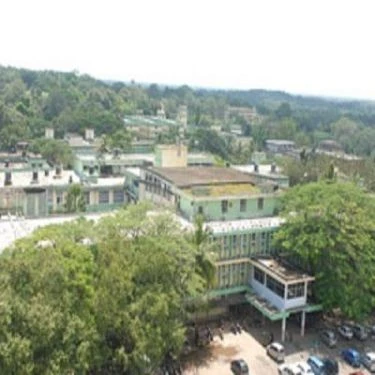
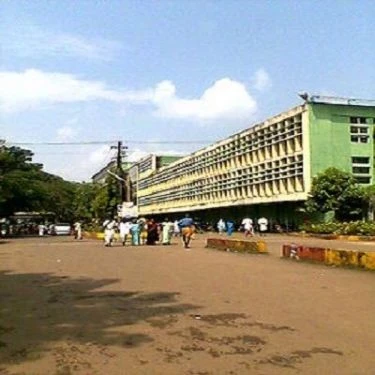
The campus is a mix of legacy and ongoing development. It's huge and green—a "nature hub" with a famous banyan tree. The infrastructure is a tale of two cities. The hospital is a bustling, high-tech tertiary care center with specialized units like the pioneering Transgender Clinic. The library is well-stocked with over 23,000 books and excellent digital access through the ONOS consortium.
The hostels tell a different story. They're spacious, usually triple-sharing, and ragging is strictly enforced—a big positive. The community is vibrant with strong senior-junior bonds. But the buildings are aged. Students mention maintenance issues like leaky ceilings during the monsoon and dated plumbing. The food in the mess is a common gripe, described as average and monotonous Kerala fare. Social life, however, is very active with popular annual arts and sports festivals.
The student sentiment is overwhelmingly positive about the core product: education. One recurring theme on Quora and Reddit is that the clinical exposure is "gold." As one alum put it, "If you want to be a doctor who can handle any emergency with a stethoscope and your brain, come here. The patient load is your best teacher." The professors are widely respected as selfless and brilliant clinicians.
The criticisms are almost entirely about infrastructure and administration. The hostels need work, the food is bland, and the administrative processes can be slow—typical government bureaucracy. One Reddit user joked, "Hostel food is the only thing that makes me cry; everything else is perfect." Another noted the campus is often dusty from construction, though new blocks are coming up. The Wi-Fi is patchy, mainly available in the library and common areas.
Absolutely, if your priority is becoming a clinically excellent doctor without a crushing financial burden. GMC Kottayam is a premier government institution that offers arguably the best clinical training in Kerala, thanks to its enormous patient volume. For the fee you pay, the return on investment is exceptional. It's best for students who are self-starters, who can thrive in a high-pressure, hands-on environment, and who don't mind trading some hostel comfort for unparalleled medical experience. If you're looking for plush, resort-like campus life and hand-holding, a private college might suit you better. But if you want to learn medicine in the trenches, build serious clinical acumen, and graduate with a respected degree and minimal debt, this is a top-tier choice. Just pack some patience for the bureaucracy and maybe some extra snacks for the mess.
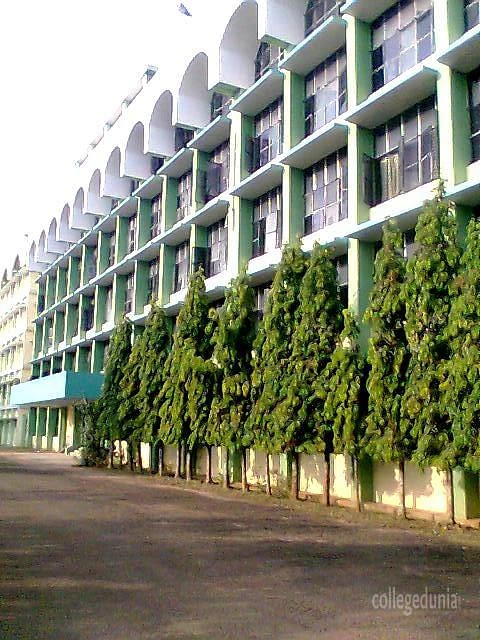
In this preview: 5 photos · 0 videos
Academically, Kottayam is often preferred due to its older legacy and significantly higher patient load, though Thrissur has newer infrastructure.
There is a mandatory 1-year rural service bond for MBBS graduates. Breaking this bond incurs a financial penalty of ₹10 Lakhs.
Hostels are accommodating for non-Keralite students. However, the food served is predominantly traditional Kerala-style, which is spicy and coconut-based, and may require an adjustment period.
For admission under the All India Quota (AIQ), aim for a NEET rank under 2,500. For the State Quota, a rank under 6,500 is typically needed.
Free Wi-Fi is available in the Central Library and some common areas of the hostels. However, the network coverage in individual student rooms is often reported to be spotty.
Share what future students should know about Government Medical College.
Student voices are not rewritten by colleges. We remove spam and abuse.
Wider admission question? Community PulseWhat should future students know?
Tell us which course you're considering. We'll help you work out the next step.
Get instant Partner access after mobile verification. Your public edits are reviewed before they go live.
Claim this college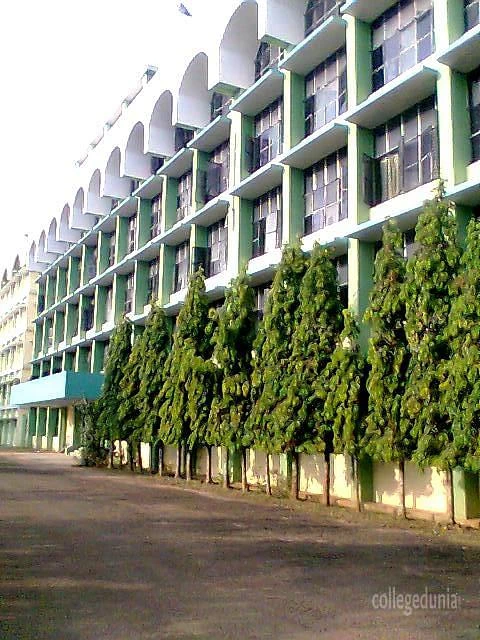
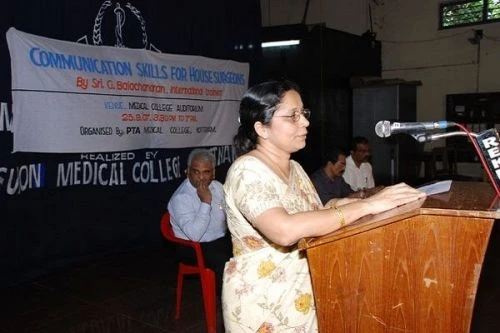
 Auditorium
 Cafeteria
 Medical
 Science Labs
 Study Library