Loading Admission Guardian content
Loading Admission Guardian content

Find a program, read its fee details and explore the admission requirements.
Summary of the programs shown below. Fee periods can differ by program. Check the note beside each amount before comparing costs.
| Course | Stream | Fees |
|---|---|---|
| Bachelor of Technology [B.Tech] | Engineering | 75020 |
| Bachelor of Technology [B.Tech] {Lateral} | Engineering | 75020 |
Specializations
All accepted exams
Eligibility: 10+2
Specializations
All accepted exams
Eligibility: 10+3
 Accenture
 Apollo Hospitals
 Asus Technology
 Cognizant
 Havells
 HSBC Bank
 Mankind
 Max Healthcare
 Micro Turner
 Sun Pharmaceuticals
 TCS
TCS Tech Mahindra
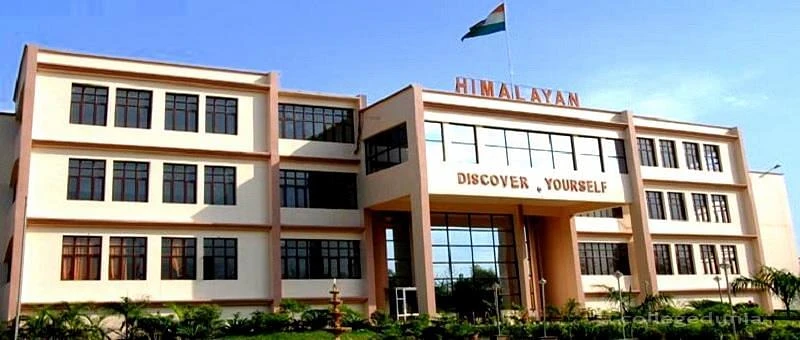
The Himalayan Institute of Engineering and Technology (HIET) sits on a 10-acre campus in the rural outskirts of Sirmaur, Himachal Pradesh. Established in 2002, it's a private, AICTE-approved institution affiliated with Himachal Pradesh University and Himachal Pradesh Technical University. For students in the region seeking a B.Tech degree without the intense competition of major metros, HIET presents a straightforward option. Its fees are relatively low, and it offers the standard engineering specializations. But the story, as told by students, is one of contrasts—decent infrastructure and helpful faculty on one hand, and persistent management issues and faculty turnover on the other. It's a college that serves a local need, but its reality often falls short of the glossy claims on its parent group's website.
HIET runs a conventional set of engineering programs. At the undergraduate level, you can pursue a B.Tech in Civil, Computer Science, Electrical, Electronics and Communication, or Mechanical Engineering. The Computer Science program also offers a specialization in AI & ML, which is a nod to current industry trends. Postgraduate M.Tech degrees are available in the same core disciplines.
The academic calendar and exams are governed by the affiliating universities—HPU and HPTU. The passing mark is set at 50%. The institute promotes a curriculum designed with industry input, emphasizing practical training. They claim to offer structured internships, live projects, and mentorship. A long list of MoUs with various tech and training companies like CADD Centre, Bentley Institute, and Paratus Systems supports this. It's worth checking the official Himalayan Group website for the latest on these collaborations, as their practical impact on daily academics can vary.
Faculty strength is listed at over 115. Student reviews frequently mention that the teachers are helpful and knowledgeable. But there's a major, recurring caveat: high turnover. Many students report faculty changing almost every semester, which disrupts continuity. You might start a semester with a great professor, only to have a new, unfamiliar face take over midway. That inconsistency is a significant academic drawback.
This is where you need to separate the brochure from the ground report. The parent group's website and some AI-generated summaries make bold claims: placement rates between 80% to 98%, a highest package of INR 46 LPA, and stipends around INR 15,000. For HIET specifically, these numbers are not verified and should be viewed with extreme skepticism.
The more realistic picture, pieced together from alumni reviews and specific data points, is far more modest. For core branches like Civil Engineering, a review from the 2015-2016 batch noted only 26 out of 57 students received on-campus placements. That's a placement rate closer to 45% for that cohort. For Pharmacy programs (offered by the larger group), reported average packages are around INR 3.4 LPA, with a highest mentioned package of INR 4.8 LPA.
Recruiters visiting the campus are typically mid-tier and regional companies. Names that come up include Havells, Westin Electro, AXIS Bank, Star Health & Allied Insurance, ICICI, and Mankind Group. For pharmacy, recruiters like Cipla, Sun Pharma, and Pfizer are noted. These are decent companies, but they are not the top-tier tech or core engineering giants you'd find at premier national institutes.
The gap between the official "90-100% placement" claim and the alumni-reported reality is the most notable aspect here. If you're considering HIET, plan to be proactive. The campus placement drive might not be a guaranteed ticket, and you'll likely need to hustle for off-campus opportunities. The institute's location, away from major industrial hubs, doesn't help.
Affordability is one of HIET's clearer advantages. The fee structure for a B.Tech is relatively low compared to many private engineering colleges.
For the 2023-2024 session, the total tuition fee for a B.Tech was ₹2.83 Lakhs for the entire four-year duration. The first-year fee breakdown was around ₹75,020. For lateral entry B.Tech students, the total is about ₹2.14 Lakhs. On top of tuition, you have to factor in hostel and mess charges, which are approximately ₹65,000 per year. There are additional one-time charges like a refundable security deposit (₹2,000) and a registration fee (around ₹3,050).
A rough total cost estimate for a four-year B.Tech, including hostel, comes to around ₹5.5 Lakhs. That's a manageable figure for many middle-class families.
Financial aid is available, primarily through state government schemes. The Himachal Pradesh government provides free education for SC/ST students from the state. The institute also mentions scholarships based on merit, financial need, for girl students, and for sports achievers. The specifics and ease of accessing these scholarships should be confirmed directly with the admission office.
Admission to the B.Tech programs at HIET is primarily based on the Himachal Pradesh Common Entrance Test (HPCET). JEE Main scores are also accepted. The process for some UG programs is centralized through the affiliating universities (HPU/HPTU).
The application window typically opens in March. For the 2026 cycle, the B.Tech application period was from March 12 to April 18, with the HPCET exam scheduled for May. It's crucial to check the Himachal Pradesh Technical University website for the latest official notifications and exact deadlines, as these change annually.
A notable feature is the management quota. About 15% of seats are reportedly reserved for this category, where direct admission on campus is possible based on merit (and likely, fee payment). There's also a pathway for direct admission if fees are paid, which suggests the admission process can be flexible for those not coming through the entrance test route. Cutoff ranks or percentiles for HPCET or JEE Main are not publicly detailed, indicating the barriers to entry are not exceptionally high.
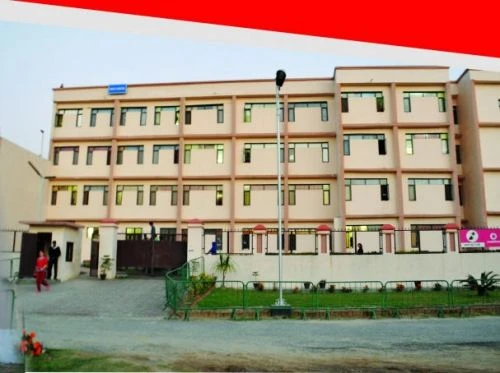
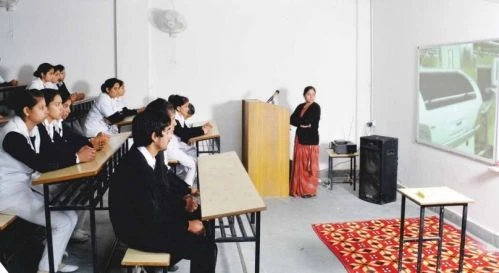
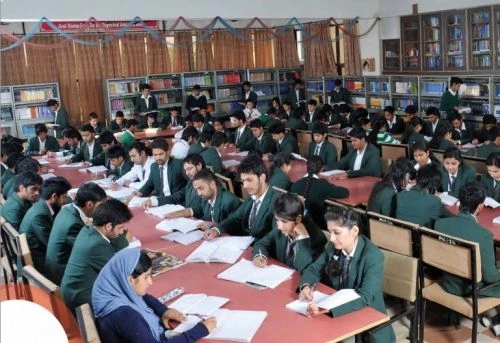
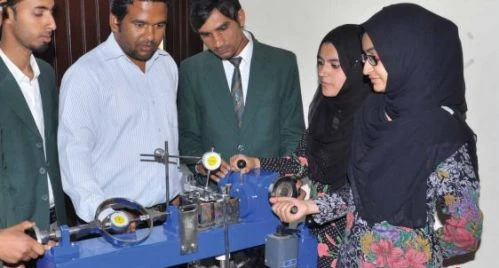
The 10-acre campus is part of a larger 25-acre complex shared with other institutions in the Himalayan Group. The infrastructure receives generally positive marks from students. Classrooms are air-conditioned and equipped with smart boards. Labs are described as well-equipped with the latest gadgets, including dedicated computer and server labs. The library has a good collection of books and digital resources, though some note the editions aren't always the most recent.
Hostel life is a mixed bag. There are separate hostels for boys and girls, with a total capacity housing over a thousand students. Rooms are available in single, double, triple, or quadruple occupancy and are reported to be well-lit and ventilated. Amenities like 24-hour Wi-Fi, on-campus medical facilities, and a Punjab National Bank ATM add convenience. The mess food gets reviews ranging from "tasty and healthy" to monotonous, with complaints about repetitive menus.
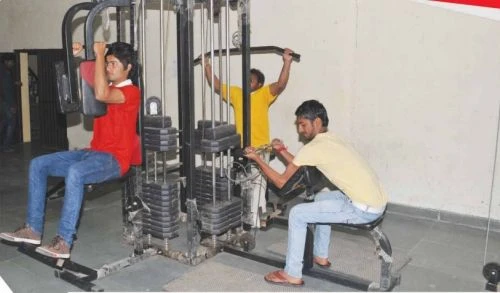
There are two canteens serving multi-cuisine food, an auditorium, and seminar halls. Sports facilities include indoor and outdoor options with two playgrounds. However, a common student grievance is that while the facilities exist, organized sports and extracurricular activities are rare. The campus is neat and clean, but its rural location means social life is largely confined to the institute. A bus transport facility is provided, but you're not exactly in the middle of a bustling city.
Sifting through student feedback paints a consistent picture of a college with potential hampered by operational flaws.
The positives are clear and repeated: good infrastructure and helpful faculty. Students feel the physical facilities—labs, classrooms, hostels—are above average for a college of its type and location. Many speak highly of individual teachers who are qualified and supportive.
But the negatives are just as consistent and arguably more impactful. The single biggest complaint is high faculty turnover. Teachers don't stay long, creating a disruptive learning environment. This points to deeper issues with institutional stability and management.
Speaking of management, reviews are critical. Students describe it as negligent, inflexible, and overly strict on fees and attendance. Phrases like "they never listen to your point of view" and "take hard decisions on smaller issues" are common. There are complaints about excessive fines and a lack of empathy towards student problems.
Hostel life, while having good facilities, is also cited for strict rules and sometimes poor food variety. The "campus life" beyond academics is described as dull, with few organized events.
The consensus? It's a college you attend for the degree and the infrastructure, not for a vibrant campus experience or a rock-solid guarantee of high-quality, consistent teaching. You'll need to be self-motivated.
HIET is a pragmatic choice for a specific student profile. If you are a resident of Himachal Pradesh or nearby regions, have a modest budget, and your primary goal is to secure an AICTE-approved B.Tech degree without relocating far, HIET can serve that purpose. Its low fees and decent infrastructure are legitimate pros.
However, temper your expectations. Don't bank on the high placement percentages advertised; treat the campus drive as a possibility, not a promise. Be prepared for potential administrative hassles and inconsistent teaching due to faculty churn. The rural location means limited exposure and a quiet, insular campus life.
Who should probably look elsewhere? Students with high academic aspirations, those seeking a guaranteed strong placement record, or anyone wanting a dynamic, well-rounded college experience. HIET is a functional institution that provides basic technical education. It's not a transformative launchpad. Your success here will depend less on the institute's brand and more on your own drive to learn and network beyond the campus boundaries.
In this preview: 5 photos · 0 videos
The fee structure for B.Tech at HIET is relatively affordable. For the 2023-2024 academic year, the total tuition fee for the entire four-year B.Tech program was approximately ₹2.83 Lakhs. The first-year tuition fee is around ₹75,020. Additionally, hostel and mess charges are about ₹65,000 per year. With other one-time charges like registration and security, the estimated total cost for a four-year B.Tech degree, including hostel, is roughly ₹5.5 Lakhs.
Placements at HIET are modest and vary by branch. While the institute and its parent group advertise high placement rates (80-98%), more realistic reports from alumni suggest a more mixed outcome. For some core branches, placement rates have been significantly lower. Average packages reported by students typically range between INR 2.5 LPA to 4 LPA. Recruiters include mid-tier companies like Havells, Westin Electro, AXIS Bank, ICICI, and Mankind Group. Students are advised to be proactive in seeking opportunities, as the campus drive may not be guaranteed for all.
Admission to the B.Tech programs at Himalayan Institute of Engineering and Technology is primarily based on the Himachal Pradesh Common Entrance Test (HPCET). JEE Main scores are also accepted. The admission process for some programs is centralized through its affiliating universities, HPU and HPTU. The application window usually opens in March. The institute also has a management quota (about 15% of seats) which allows for direct admission on campus based on merit and fee payment.
Yes, the Himalayan Institute of Engineering and Technology (HIET) is approved by the All India Council for Technical Education (AICTE). It is also affiliated with Himachal Pradesh University (HPU), Shimla and Himachal Pradesh Technical University (HPTU), Hamirpur for its engineering programs.
HIET has separate hostels for boys and girls on its campus, with a total capacity housing over a thousand students. Rooms are available in single, double, triple, or quadruple occupancy and are described as well-lit and ventilated. Facilities include 24-hour Wi-Fi, on-campus medical aid, and a mess. Reviews on the mess food are mixed, with some calling it tasty and others noting it can be repetitive. The hostels are generally considered to have good basic amenities, though some students mention strict rules.
Share what future students should know about Himalayan Institute of Engineering and Technology.
Student voices are not rewritten by colleges. We remove spam and abuse.
Wider admission question? Community PulseWhat should future students know?
Tell us which course you're considering. We'll help you work out the next step.
Get instant Partner access after mobile verification. Your public edits are reviewed before they go live.
Claim this college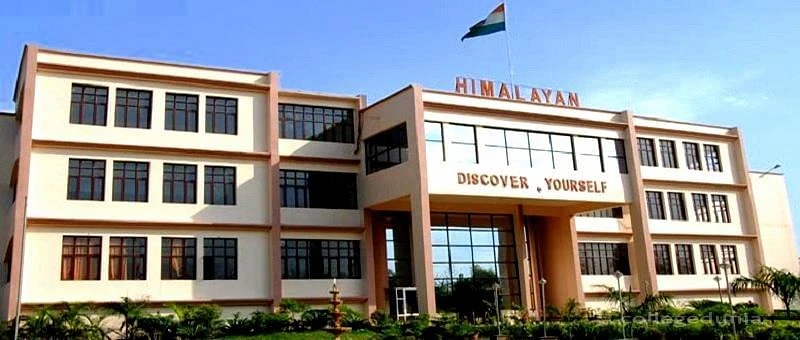
 Auditorium
 Cafeteria
 Computer Labs
 Gym
Gym Hostel
 Medical
 Science Labs
 Sports Complex
 Study Library