Loading Admission Guardian content
Loading Admission Guardian content
Find a program, read its fee details and explore the admission requirements.
Summary of the programs shown below. Fee periods can differ by program. Check the note beside each amount before comparing costs.
| Course | Stream | Fees |
|---|---|---|
| Bachelor of Technology [B.Tech] | Engineering | 105600 |
| Bachelor of Technology [B.Tech] {Lateral} | Engineering | 105600 |
Specializations
All accepted exams
Eligibility: 10+2 with 45% + JEE Main
Specializations
All accepted exams
Eligibility: 10+3 with 45% + WBJEE
3 exams with cutoff data available - showing recent entries
 Accenture
 ADP Private Limited
 AIS
AIS Amazon
 Amazon India
 Amdocs
 Aricent Group
 Associated Industrial Furnaces Pvt Ltd.
 Atlas Copco India
 Bureau Veritas
 Capgemini
 Chhabi Electricals Pvt Ltd
 CMC Limited
 Cognizant
 Collabera
 Cummins India Ltd
 Dalmia Cement
 Experis IT
 Extramarks Education India Pvt. Ltd.
 Feynman Technology Services
 GODREJ Pvt. Ltd
 HCC
HCC Hexaware Technologies
 Hind Rectifiers Ltd
 Hindustan Copper Limited (HCL)
 Huawei
 IBM
IBM Infosys
 IOT Infrastructure and Energy Services Ltd.
 JMC Projects (India) Ltd.
 Johnson Controls
 Just Dial
 Kalpataru Power Transmission Ltd.
 KEC
KEC Keross
 Kovair
 L&T Ltd.
 Marathon Electric India Ltd
 MindTree
 Mitsubishi Electrics
 MPokket
 NEC Technologies
 Persistent Ltd
 Poornam Infovision
 Power Max India Private Limited
 Ramky Group
 Reliance communication Pvt Ltd
 SAP
SAP Shyam Steel
 Subex
Subex Syntel
 Tavant Technologies
 TCS
TCS Tech Mahindra
 Teradata
 Think and Learn
 Usha Martin
 Value Prospect Consulting
 Viney Corporation Limited
 VrTechsys Solutions Pvt. Ltd.
 Websol Energy System
 Wipro
Wipro Yodlee
63 named recruiters in the recorded data. Company names are deduplicated.
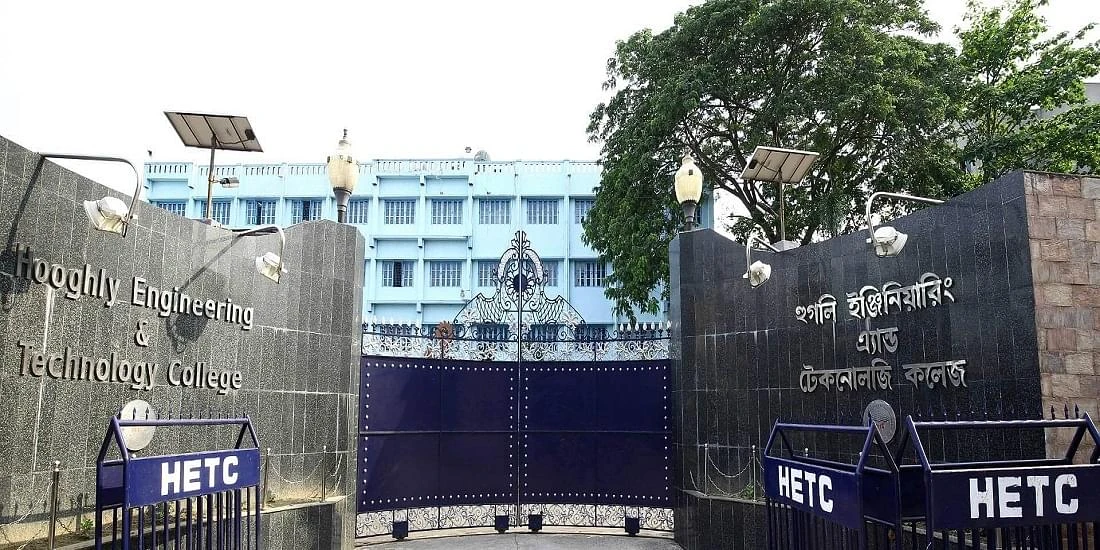
Hooghly Engineering and Technology College (HETC) is a private, self-financed engineering college that’s been operating since 2004. Affiliated with Maulana Abul Kalam Azad University of Technology (MAKAUT), it’s a practical choice for students in the Hooghly region looking for a local, affordable B.Tech degree. The college has a B+ grade from the NAAC, which is a decent accreditation for a private institution of its scale. Its placement story is a mixed bag—official data shows a median package of 4.11 LPA for 2022-23, but student reviews often cite lower numbers, creating a gap between brochure claims and on-the-ground reality. For a student whose primary goal is to get an engineering degree without relocating far and who is prepared to hustle for opportunities, HETC can serve as a functional launchpad.
HETC focuses squarely on undergraduate engineering. All five B.Tech programs—Civil, Computer Science, Electronics and Communication, Electrical, and Mechanical—have an intake of 60 students each. That’s a standard batch size, keeping classes from becoming overwhelmingly large. The curriculum follows the MAKAUT syllabus, blending theory with practical lab sessions. The college promotes an Outcome-Based Education (OBE) model, which sounds good on paper and aims to tie learning to specific, measurable skills.
Faculty strength is listed at around 68 members. They’re described as well-educated, but specific data on PhD holders or notable professors isn’t highlighted in available materials. The academic culture seems geared toward foundational learning. You won’t find a sprawling list of cutting-edge electives or dual-degree programs here. It’s a straightforward, affiliation-driven curriculum. The college mentions strong industry connections for its Training and Placement Cell, which is a common claim. The real test of those connections is in the placement hall, not the brochure.
This is where you need to read between the lines. The official data point to anchor on is the median package of 4.11 LPA for the 2022-23 academic year. In that same year, 190 out of 241 graduates were placed, which works out to a placement rate of about 79%. That’s a solid, believable figure for a college in this tier.
But then you see the range. The highest package touted is 20 LPA (year unspecified), with others citing 12 LPA for CSE and 10 LPA for Civil. These are almost certainly outlier offers, possibly from off-campus drives or exceptional candidates. The average package figures floating around—4.2 LPA, 4.5 LPA, or as low as 3.5 LPA in some alumni overviews—paint a more realistic picture for the average student. For core branches like Civil, the average can dip toward that 3.5 LPA mark.
Recruiters are a familiar list of mass IT and consulting firms: TCS, Infosys, Wipro, Cognizant, Capgemini, and Accenture lead the pack. For core engineering roles, companies like L&T, Godrej, and Shyam Steel show up. The placement cell arranges internships, and some students do convert those into Pre-Placement Offers (PPOs).
The gap between the highest claimed package and the median is wide. That’s not unusual, but it’s a reminder to manage expectations. If you’re in CSE or ECE, you have a shot at the IT crowd. If you’re in Mechanical or Civil, you’ll need to network harder. The 79% placement rate is a decent outcome, but it means about one in five graduates isn’t landing a campus offer.
HETC’s primary draw is its affordability relative to many private engineering colleges. The total B.Tech course fee is listed between INR 3.21 lakhs and INR 4.12 lakhs for the entire four-year program. Breaking it down, the first-semester fee is around INR 67,400. Annually, you’re looking at approximately INR 1.2 lakhs in tuition.
Hostel fees are notably low. The seat rent is just INR 1,300 per month, or INR 7,800 for a six-month semester. That’s incredibly affordable. Mess charges would be extra and vary. There’s a mention that a minimum CGPA of 6.0 is required each semester to continue receiving any scholarships, indicating merit-based aid exists, but specific schemes or amounts aren’t detailed. The low hostel cost significantly reduces the total cost of attendance, making it a viable option for students from middle-class families.
Admission to the B.Tech programs is primarily through state-level counseling based on the WBJEE (West Bengal Joint Entrance Examination) rank. As an affiliated college under MAKAUT, it participates in the centralized process. JEE Main scores might also be considered for some seats. The intake is 60 per branch, so competition is for those 60 slots in each discipline.
Specific cutoff ranks for 2024 or 2025 aren’t provided in the brief, but for a college like HETC, they are typically in the mid to lower ranges of the WBJEE rank spectrum. CSE will have the highest cutoff, followed by ECE, with Civil and Mechanical often having more accessible closing ranks. The application process is integrated with the state counseling website. It’s not a complicated direct admission process; your rank decides your fate.
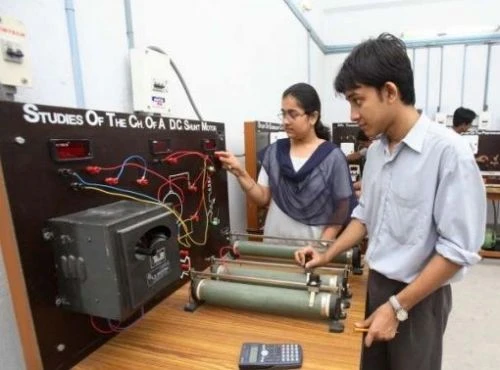
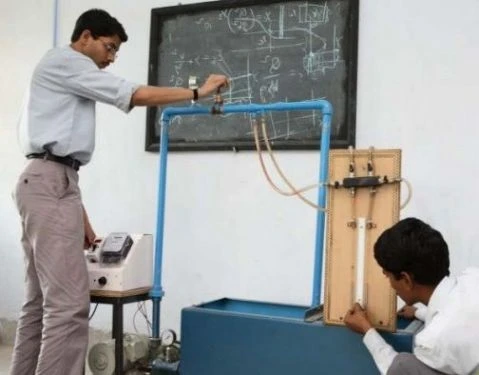
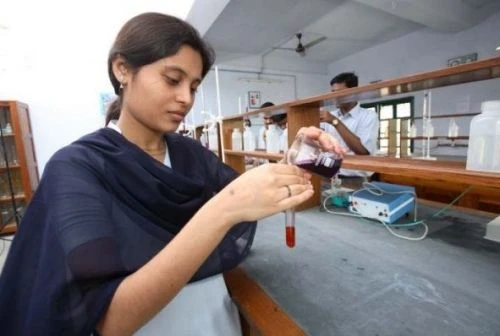
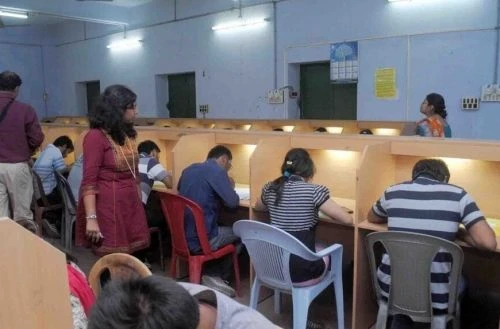
The campus spans about 10 acres in Hooghly town. It’s compact. Infrastructure includes the standard set of labs, workshops, a library, and classrooms. Don’t expect a sprawling, resort-like campus; it’s functional. The location is a plus for connectivity—it’s about 1.8 km from Hooghly railway station and roughly 35 km from Kolkata's Netaji Subhash Chandra Bose International Airport.
The hostels, given the remarkably low rent, are likely basic. Students often trade luxury for affordability in such setups. The college mentions sports and extracurricular activities, but the social life will be largely self-contained within the campus and local town. It’s not a “happening” metro campus experience. It’s a place where you come to study, use the labs, and focus on getting your degree without the distractions (or opportunities) of a big city.
Scouring review platforms reveals a consistent split in opinion. The positives always highlight low fees and decent placement opportunities for the cost. Many students feel they got a reasonable return on a modest investment. The faculty get mixed reviews—some are praised as helpful and knowledgeable, while other comments suggest variability in teaching quality, which is par for the course in many affiliated colleges.
The negatives are predictable. Infrastructure is often called “average” or “needing improvement.” Some students mention that the college environment can feel lacking in momentum or high-end opportunities. The most significant critique is the gap between the highest package hype and the reality for most students. There’s also a sense that for core branch students, the on-campus recruitment scene is thinner, pushing them to look outside.
A recurring theme is that HETC is what you make of it. It provides a platform. Students who are proactive, use the MAKAUT syllabus as a base, and build their own skills through online courses or internships tend to land decent jobs. Those who wait for the college to hand them a career might find the outcomes limiting.
HETC occupies a specific niche. It’s worth serious consideration if you are a student from West Bengal with a moderate WBJEE rank, have a tight budget, and want to study engineering close to home. The low fee structure, especially the hostel costs, makes it one of the more economically viable private options. The nearly 80% placement rate with a median package around 4 LPA is an honest return at this price point.
However, temper your expectations. This is not a research-intensive or brand-name institute. The infrastructure is basic, and the academic experience is defined by its MAKAUT affiliation. If you have a high rank and aspirations for top-tier national recruiters or advanced research, you should aim higher. But if you’re looking for a no-frills, affordable engineering degree with a fair shot at a job from companies like TCS and Infosys, HETC is a pragmatic choice. Your success will depend less on the college’s brand and more on your own drive and skill-building outside the prescribed curriculum.
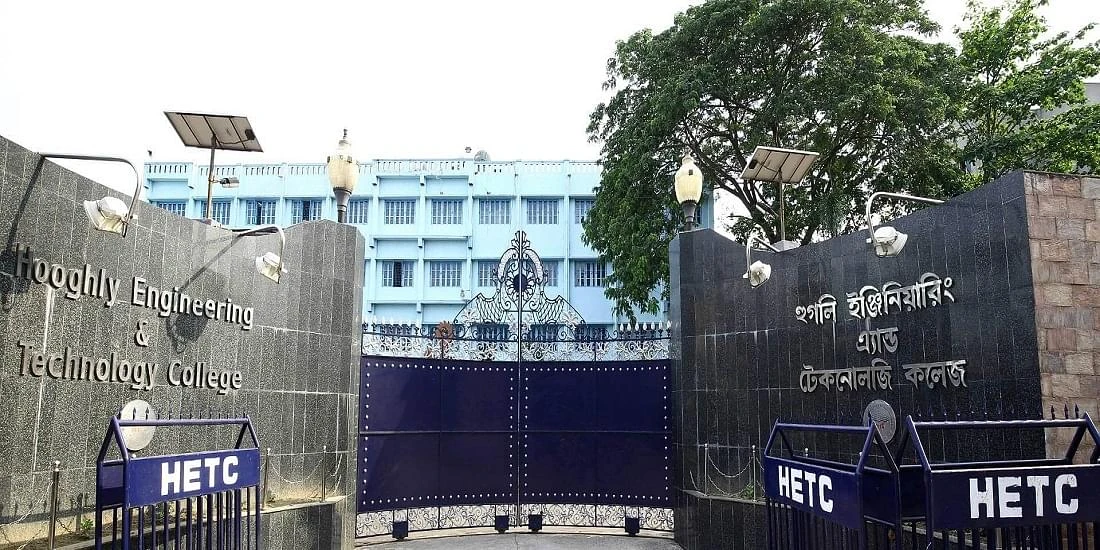
In this preview: 5 photos · 0 videos
The median package for the 2022-23 academic year was 4.11 LPA. Various sources cite average packages ranging from 3.5 LPA to 4.5 LPA, with higher figures typically for CSE and ECE branches. It's important to distinguish between the highest reported packages (like 12-20 LPA for outliers) and the median, which is a more reliable indicator for the average student.
The total B.Tech course fee ranges from approximately INR 3.21 lakhs to INR 4.12 lakhs for the entire four-year program. The first-semester fee is around INR 67,400, translating to an annual tuition of roughly INR 1.2 lakhs. Hostel seat rent is very affordable at INR 1,300 per month (INR 7,800 for six months), with mess charges extra.
Placements for Computer Science and Engineering (CSE) are generally the strongest among the branches. Top recruiters include IT giants like TCS, Infosys, Wipro, and Cognizant. The highest package for CSE is cited around 12 LPA in student reviews, but the average is closer to the college's overall median of 4.11 LPA. Students with strong coding skills tend to secure better offers.
Official data for 2022-23 shows 190 students placed out of 241 graduates, resulting in a placement percentage of approximately 79%. Some student reviews claim higher percentages (90-98%), but the 79% figure from recent graduate data is a verifiable and realistic benchmark.
Admission to the B.Tech programs is primarily through the West Bengal Joint Entrance Examination (WBJEE). Candidates must participate in the state counseling process conducted by MAKAUT, where seats are allotted based on WBJEE rank. JEE Main scores may also be considered for some seats. The intake is 60 students per branch.
Share what future students should know about HETC.
Student voices are not rewritten by colleges. We remove spam and abuse.
Wider admission question? Community PulseWhat should future students know?
Tell us which course you're considering. We'll help you work out the next step.
Get instant Partner access after mobile verification. Your public edits are reviewed before they go live.
Claim this college
 Auditorium
 Cafeteria
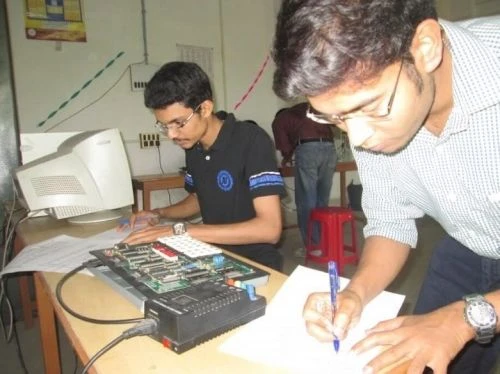
 Computer Labs
 Gym
Gym Hostel
 Medical
 Science Labs
 Sports Complex
 Study Library