If you're looking for a no-frills, practical education in paramedical sciences that gets you a job in a Delhi hospital, the Institute of Public Health and Hygiene (IPHH) is a name that's been around since 1976. That's a long time. It means something. You won't find a sprawling green campus or a vibrant social calendar here. What you will find, according to nearly every student review, is a laser focus on turning out hospital-ready technicians and nurses. The labs are modern, the faculty is experienced, and the placement network is deep in the Delhi NCR healthcare scene. But the trade-offs are real—the buildings are old, the hostel food is notoriously bad, and campus life is essentially non-existent. This is a vocational training center in the heart of Mahipalpur, not a traditional college. For the right student, that's exactly the point.
Institute of Public Health and Hygiene — Quick Facts
- Location: Mahipalpur Extension, New Delhi. A stone's throw from IGI Airport and the Aerocity Metro.
- Established: 1976 by social activist Dr. Shyam Sunder Joshi.
- Type: Private, charitable institute.
- Affiliation & Recognition: Affiliated with the Directorate of Technical Education (DTE), Delhi. Recognized by the Indian Nursing Council (INC) and Delhi Nursing Council. Holds ISO 9001:2015 and 14001:2015 certifications.
- Flagship Programs: B.Sc. in Medical Lab Technology (BMLT), Nursing, Physiotherapy (BPT), and a wide range of diplomas.
- Annual Tuition (UG): Approximately ₹64,000 - ₹75,000.
- Average Placement Package (2024): ₹2.2 - ₹2.4 LPA.
Courses and Academic Programs at Institute of Public Health and Hygiene
IPHH offers a sprawling menu of over 50 courses, from short-term certificates to postgraduate degrees. The academic model is straightforward: teach the skills hospitals need. Their undergraduate lineup includes the popular 3-year B.Sc. programs in Medical Laboratory Technology (BMLT), Radio Imaging Technology (BRIT), and Operation Theatre Technology (BOTT), with intakes of 40-60 students each. The 4.5-year Bachelor of Physiotherapy (BPT) and 4-year B.Sc. Nursing are also core offerings.
Where IPHH really carves a niche is in its diploma and certificate programs. Think 2-year diplomas in Dialysis Technology or Dental Hygiene, and 6-month certificates for Emergency Medical Technicians (EMT) or Phlebotomy. These are direct pipelines to entry-level jobs.
The faculty, estimated at 80-100, gets consistently high marks in reviews. It's a mix of full-time academics and visiting doctors from partner hospitals like Max and Fortis, many with decades of field experience. The grading follows the affiliating university's system, with heavy weight on internal assessments and practicals. The critical academic feature is the compulsory 6-month clinical rotation. Thanks to MoUs with major hospital chains, students get hands-on time in real healthcare settings—that's the institute's biggest selling point.
Institute of Public Health and Hygiene Placements: Packages, Companies & Reality Check
Let's separate the marketing from the reality. IPHH's career office claims "90-100% placement assistance." That's likely true in the sense that they actively connect students with opportunities. The institute's 48-year legacy means its alumni are everywhere—chief technicians at AIIMS, Max, and Fortis, and professionals working internationally. That network is a genuine asset for job referrals.
But the salary numbers are modest, reflecting entry-level roles in this sector. The highest package cited for 2023-24 is between 3.6 and 4.2 LPA. The average sits firmly in the ₹2.2 to ₹2.4 LPA range. In monthly terms, most graduates start between ₹15,000 and ₹22,000. It's not glamorous, but it's a foot in the door of a stable industry.
Top recruiters are a who's who of Delhi-NCR healthcare: Max Healthcare, Apollo Hospitals, Fortis, Medanta, and diagnostic giants like Dr. Lal PathLabs and SRL Diagnostics. The compulsory internship, however, is typically unpaid. The verdict? You'll probably get a job, but don't expect a high starting salary. The value is in the experience and the network.
Fees and Financial Aid at Institute of Public Health and Hygiene
For a private institute in Delhi, IPHH is positioned as an affordable option. Total course costs are transparent. A 3-year B.Sc. will run you about ₹1.92 to ₹2.6 lakhs in tuition, which breaks down to roughly ₹64,000-₹65,000 annually. The BPT program totals around ₹3.2 lakhs. Diploma programs, like the 2-year DMLT, cost about ₹1.04 lakhs for the entire course.
The major additional cost is the hostel. At ₹10,000 per month for a shared room and mess facilities, it adds ₹1.2 lakhs to your annual budget. Be aware of other fees: a ₹500 application fee, annual consumable charges of ₹3,000, and extra examination or library fees.
The institute does offer scholarships for meritorious students and those from economically weaker sections (EWS). They also facilitate the application process for state-level SC/ST/OBC scholarships. It's worth inquiring directly with their administration about eligibility when you apply.
Admissions: Eligibility, Cutoffs & Selection Process
The admissions process at IPHH is refreshingly straightforward for most programs—no NEET required. For UG and diploma courses, selection is primarily merit-based. You need a minimum of 45-50% aggregate in your Class 12 (or Class 10 for some diplomas), preferably with Science subjects.
The typical funnel is: submit an application (the window usually opens in May), get screened based on your marks, attend a counseling session or a basic interview, verify your documents, and pay the fee. For some high-demand programs, the institute might conduct its own aptitude test. They also have management and NRI quotas. The best source for the exact process and current affiliated university details is the official IPHH website.
Campus, Hostels and Student Life
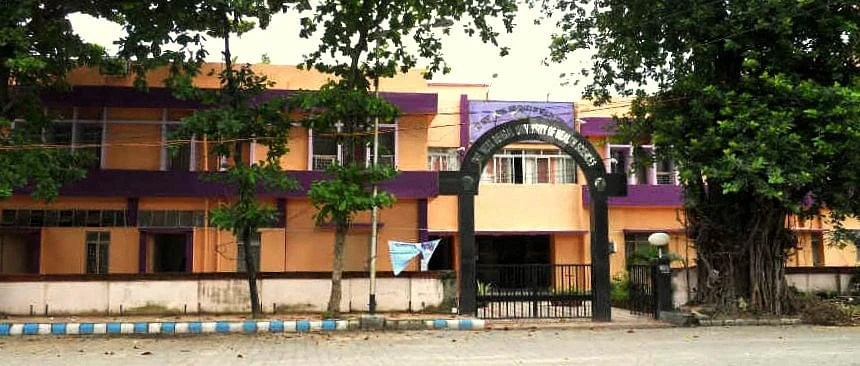
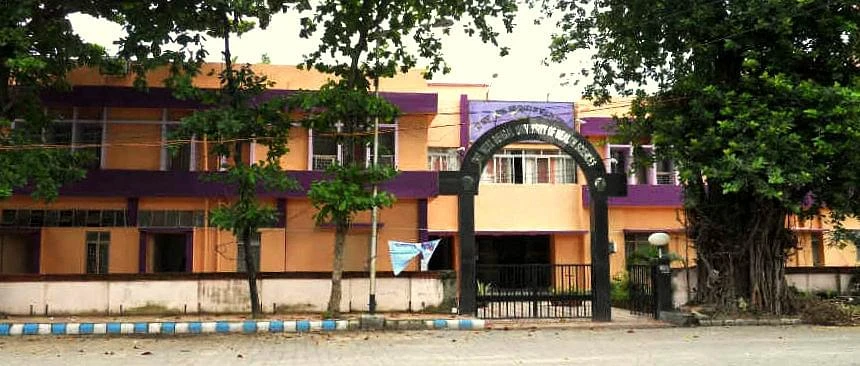
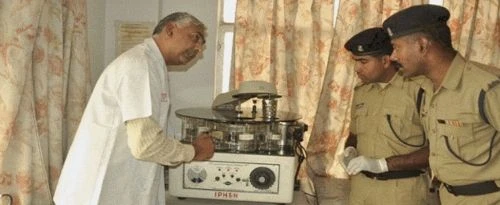
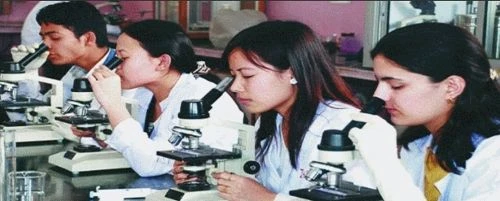
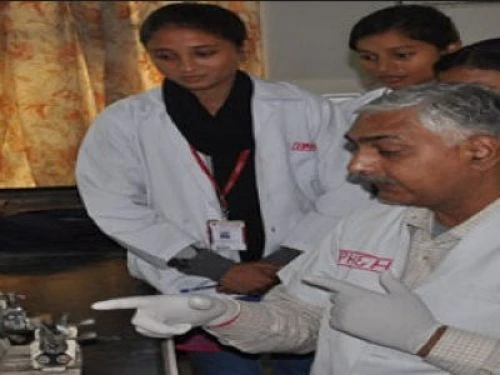
This is where reviews become sharply divided. The infrastructure is purely functional. The campus is a compact cluster of five interconnected buildings in Mahipalpur. As one student put it, "The college building looks old from the outside." Inside, however, the story changes. The 8+ specialized labs—for microbiology, biochemistry, physiotherapy, X-ray—are consistently praised for being well-equipped with modern, working equipment. The library has a decent collection of over 10,000 medical texts.
The hostel situation is the biggest pain point. While separate, secure buildings for boys and girls exist, the living conditions are basic. And the mess food? It's a severe and recurring complaint across review platforms, with recent reports as of 2025 citing hygiene issues.
Campus life is minimal. There is no playground. Your social options are indoor games like table tennis or carrom. There are no major college fests or active student clubs. The Wi-Fi is decent, and there's a small on-campus medical clinic. The location is a plus—incredibly well-connected to the airport, metro, and highway. But the overall vibe is strictly academic and vocational. If you want a typical "college experience," you will be disappointed.
Student Reviews: What Institute of Public Health and Hygiene Alumni Really Think
Synthesizing the chatter from Shiksha, CollegeDunia, and Careers360 paints a clear, consistent picture.
The praise is almost universally for the practical, job-focused training. Students feel the faculty is dedicated and knowledgeable, and the hospital rotations provide invaluable real-world exposure. Many call it "value for money" compared to flashier, more expensive private options. The alumni network is a real, tangible benefit.
The criticism is equally focused. The hostel food is the number one grievance, described in stark terms. The aged infrastructure and complete lack of a social or sports scene are major downsides. Several reviews also mention bureaucratic delays in the administrative office for things like refunds or documents.
The consensus quote sums it up: "If you want a degree and a job in a hospital, this is the place. If you want a 'campus life' with fests and grounds, look elsewhere."
Verdict: Is Institute of Public Health and Hygiene Worth It?
IPHH is a specialist institution with a very specific purpose. It is absolutely worth it for a pragmatic student who views education as a direct investment in a healthcare career. If your goal is to become a lab technician, radiographer, or nurse, gain solid practical skills, and secure an entry-level position in a reputable Delhi hospital without paying a premium, IPHH delivers efficiently. Its legacy and network are genuine advantages.
However, you should look elsewhere if a traditional campus environment, extracurricular activities, or a high starting salary are priorities. The compromises on lifestyle and facilities are significant. Ultimately, IPHH is a trade school with deep roots. It doesn't pretend to be a university. For the right person—someone focused solely on skill acquisition and job placement in the paramedical field—that clarity is its greatest strength.





 Campus Security
 Campus Shuttle
 Computer Labs
 Medical
 Science Labs
 Study Library