Loading Admission Guardian content
Loading Admission Guardian content
Provisional score based on available data. It may change as more information is verified.
Find a program, read its fee details and explore the admission requirements.
Summary of the programs shown below. First-year fee. Check the note beside each amount for inclusions and exclusions.
| Course | Stream | Fees |
|---|---|---|
| Diploma in Engineering (Polytechnic) | Engineering | 15500 |
| Master of Business Administration [MBA] | Management | 40000 |
| Bachelor of Technology [B.Tech] | Engineering | 70500 |
Specializations
Eligibility: 10th with 50% + POLYCET
Specializations
All accepted exams
Eligibility: Graduation with 50%
Specializations
All accepted exams
Eligibility: 10+2 with 50% + EAMCET
2 exams with cutoff data available
 Aarvee Associates Architects Engineers & Consultants Pvt Ltd.
 Accenture
 ADP Private Limited
 Amazon
 Apollo Hospitals
 Asian Paints
 Bank of America
 Berger
 Bharat Heavy Electricals Ltd. (BHEL)
 Bosch Limited
 Capgemini
 Cognizant
 Cyient
 Genpact
 Google
 Havells
 Hewlett-Packard (HP)
 Honeywell
 IBM
IBM Indigo
 KTree
KTree NTT DATA
 Reliance Jio
 Shapoorji Pallonji
 Sitel
Sitel Tata Consultancy Services
 Tata Motors
 Wipro
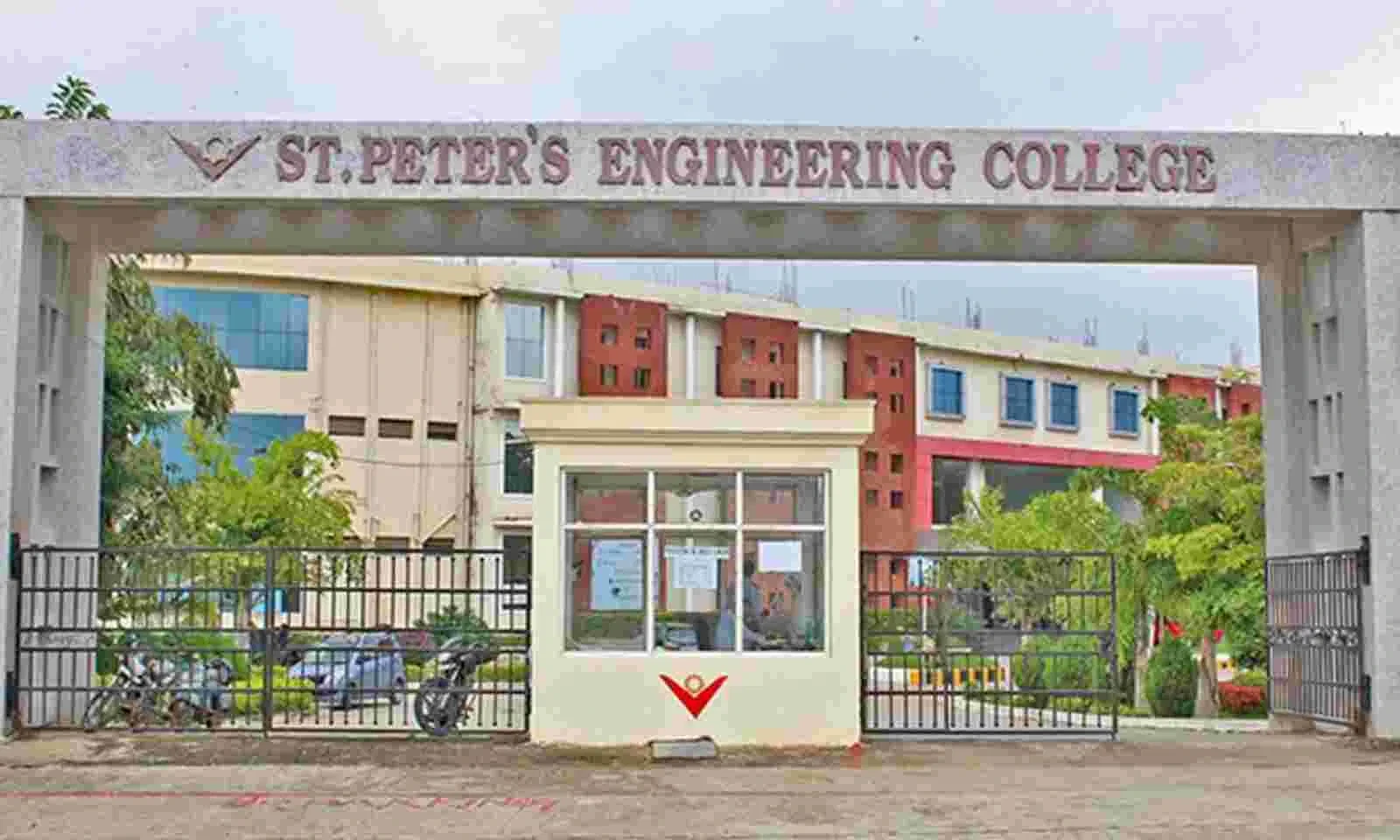
WiproPallavi Engineering College sits in that crowded middle tier of Hyderabad's private engineering scene—a place where decent teaching meets infrastructure that's perpetually catching up. Established in 2009 and affiliated with the heavyweight Jawaharlal Nehru Technological University, Hyderabad (JNTUH), it's carved out a niche for students with mid-range TS EAMCET ranks. The college's recent autonomous status and an NAAC A+ grade are its strongest formal credentials, suggesting a focus on academic processes. But the real story, as always, is in the student experience: a green, disciplined campus where you can study, paired with labs that sometimes feel a generation behind and a canteen that's a frequent source of complaint. If you're looking at PEC, you're likely weighing its affordable fees and JNTUH brand against the very tangible trade-offs in campus life and placement packages that hover around the ₹3.5-6 LPA mark.
PEC offers a standard spread of engineering programs under the JNTUH umbrella, with a clear tilt towards computing. The B.Tech portfolio is comprehensive: Computer Science and Engineering is the anchor, now branched into trendy specializations like Artificial Intelligence & Machine Learning, Data Science, and Cyber Security. The core engineering streams—Electronics and Communication (ECE), Electrical and Electronics (EEE), Mechanical, and Civil—round out the undergraduate offerings. There's also a lateral entry pathway for diploma holders.
Beyond B.Tech, the college runs an MBA program (with Finance, Marketing, and HR specializations) and M.Tech courses, alongside a polytechnic wing offering diplomas in Civil, Electrical, Mechanical, Electronics, and Computer Engineering.
Academically, the vibe is traditional JNTUH. The curriculum is prescribed, and the focus, according to the college, is on "quality teaching and industry-relevant skills." That phrase gets tested in the labs. Student reviews are split: some mention "state-of-the-art tech labs," while others point out outdated systems and software in certain departments. It's a common disparity in private colleges—some labs get the latest gear, others don't. The faculty, however, consistently gets better press. Described as experienced, helpful, and approachable, they seem to be a stabilizing force. With over 65 faculty members, the student-teacher ratio isn't bad. The college's official website details the programs, but for the nitty-gritty of syllabus and academic regulations, you'll be diving into JNTUH's framework.
This is where you need to read between the lines of the brochure. The official 2025 data points to a highest package of ₹13 LPA and an average of ₹6 LPA. Dig into student reviews on platforms like CollegeDunia and Shiksha, and you'll see a wider, often lower, range. The median package, a more telling figure, is reported at ₹3.5 LPA. You'll find alumni citing averages of ₹3 LPA and highs of ₹7 LPA. That gap between the official top line and the ground-level consensus is the first reality check.
The second is the placement percentage. The college claims 50%. Students, however, talk about figures from 65% to as high as 96%. The truth likely sits in the 65-75% range for on-campus offers, which is a decent outcome for a college in its ranking band. The recruiter list looks impressive on paper—TCS, Wipro, Infosys, Capgemini, Accenture, Amazon, and Google are all name-dropped. And they do visit. But the volume of offers from the absolute top tier is what you'd expect: limited. Most placements are with mid-tier IT services firms and core engineering companies like MLA Constructions and Hyundai Mobis for relevant branches.
Internship support seems more robust, with a claimed 60% of students securing them. Programs with IBM Skillsbuild and virtual stints at places like Cisco are a plus. The takeaway? Don't bank on a premium package from PEC's placement cell alone. You can get a job, likely in IT services, but to hit those higher salary bands, you'll need to build your own skills aggressively outside the classroom.
Affordability is PEC's undeniable strength. A four-year B.Tech degree has a total tuition cost of about ₹2.73 lakhs. That's strikingly low for a private engineering college in a metro like Hyderabad. The first-year fee is ₹70,500, with subsequent years likely similar. Add to that hostel fees, which are a very reasonable ₹4,500 - ₹5,500 per year (mess charges separate), and you're looking at a total cost of education that won't bury you in debt.
They offer a solid array of scholarships to further reduce the burden. The big one is the Telangana Fee Reimbursement Scheme for SC, ST, BC, OBC, Minority, and EBC students. There are also merit-based scholarships tied to your entrance exam rank (TS EAMCET/ECET), academic excellence scholarships for top performers in college, and even scholarships for achievements in sports or arts. The government's ePASS portal is the key platform for state aid. If your family income is within the threshold, this college becomes financially very viable. They also assist with education loans.
Admissions are strictly through the state entrance exams and the subsequent counseling conducted by the Telangana State Council of Higher Education (TSCHE). There's no direct application to the college for the majority of seats.
The cutoffs are where PEC finds its audience. For the 2026 cycle, expect closing ranks for B.Tech CSE to be in the 75,000-85,000 range in TS EAMCET. The newer specializations (AI & ML, Cyber Security, Data Science) might close between 80,000 and 95,000. Core branches like Civil and Mechanical have much lower cutoffs, extending past 1.5 lakhs. For MBA, the rank range is around 45,000-55,000 in TS ICET. These are tentative but based on recent trends. If you have a rank in these bands, PEC is a realistic option.
There is a management quota for B.Tech CSE, but be prepared for a significant fee hike—around ₹1 lakh per year instead of the standard ₹70,500.
This section is a classic case of mixed reviews. The campus itself is compact (5 acres) but described as green and calm—a decent environment for studying. Classrooms are generally okay, with some getting virtual boards. The library is a highlight: spacious, with over 25,000 volumes and good reading space.
Then come the consistent pain points. Infrastructure is the big one. Labs are a mixed bag, with some having outdated equipment. Wi-Fi is officially stated as 24x7, but multiple students report it as unreliable or non-existent. Sports facilities are almost universally panned as "very poor," with a lack of proper courts and equipment. The canteen is another sore spot, criticized for limited options, poor quality, and high prices.
Hostels are off-campus, about 3 km away, with college transport provided. Rooms are furnished and considered average to above-average. But the food in the mess? It's a recurring complaint. "Average" or "not good" are the common descriptors. The social scene is quiet. There's an annual day and some technical fests, but students often say there's a lack of major events or proper planning for them. It's not a "happening" campus. The plus side is discipline and safety—no ragging, good security, and a punctual schedule.
Synthesizing the chatter from review sites gives you a clear, balanced picture.
The Good: Faculty support is the number one positive. Students feel the teachers are knowledgeable, helpful, and care about their progress. The campus is clean, green, and safe. The academic schedule is disciplined, which helps those who want a structured environment. The library is a valued resource. For the fee they pay, many feel they get adequate academic grounding.
The Not-So-Good: Infrastructure shortcomings dominate the complaints. From non-functional fans and lack of projectors in classrooms to old computers in labs, the physical plant needs investment. The canteen and sports facilities are frequent targets of criticism. Placement outcomes, while existent, are seen as modest, with median packages that don't excite. The off-campus hostel location and mediocre mess food are also standard grievances.
A typical review might say: "Good teachers, peaceful campus, but don't expect great placements or a fancy college life." That sums up the consensus pretty well.
Pallavi Engineering College is a pragmatic choice, not a dream destination. It's best suited for a specific student: one with a TS EAMCET rank between 75,000 and 1,00,000 who is budget-conscious and primarily seeking a decent JNTUH-affiliated degree with a chance at campus placements. If your family qualifies for fee reimbursement, the financial argument becomes very strong. You'll get competent teaching in a disciplined environment, which is a solid foundation.
But you have to go in with eyes open. You'll need to supplement your learning with online courses and personal projects, especially if you're in IT, to rise above the average placement package. You'll have to make your own fun, as campus social life and facilities are basic. If you're looking for a vibrant, resource-rich campus experience with a direct pipeline to high-paying tech jobs, you should probably look at more expensive, higher-ranked options. PEC is for the realistic, financially-minded student who sees college as a launchpad they will have to propel themselves from.
The total tuition fee for the four-year B.Tech program is approximately ₹2.73 lakhs, with first-year fees around ₹70,500. Yes, multiple scholarships are available. These include the Telangana Fee Reimbursement Scheme for eligible SC, ST, BC, OBC, Minority, and EBC students, merit-based scholarships linked to your TS EAMCET/ECET rank, institutional scholarships for academic excellence, and scholarships for achievements in sports or arts. Most state aid is processed through the government's ePASS portal.
Based on 2025 data, the highest reported salary package is INR 13 LPA, and the average package is around INR 6 LPA. It's important to note that the median package is reported at INR 3.5 LPA, which is often a more representative figure. Top recruiting companies include TCS, Wipro, Infosys, Capgemini, and Tech Mahindra. Placement percentages vary in reports, with official figures around 50% and student-alumni claims ranging from 65% to over 90% for on-campus offers.
Yes, the college provides separate hostels for boys and girls, but they are located off-campus, approximately 3 kilometers away, with dedicated college transport. The annual hostel fee is between ₹4,500 and ₹5,500, with mess charges billed separately. Student reviews indicate the rooms are furnished and of average to above-average quality. However, the quality of food in the mess is a common point of criticism, with many describing it as average or not good.
Admissions are merit-based through state entrance exams and centralized counseling. For B.Tech, you must qualify and have a valid rank in TS EAMCET. For B.Tech Lateral Entry (for diploma holders), you need a TS ECET score. Diploma (Polytechnic) admissions require a TS POLYCET score. For the MBA program, a valid TS ICET score is mandatory. General eligibility typically includes a minimum of 50% marks in the qualifying examination (10+2 for B.Tech, graduation for MBA).
Student reviews present a mixed picture. Positives include a green, disciplined, and safe campus with good classrooms and a well-stocked library. The faculty are frequently praised as supportive. However, significant criticisms focus on infrastructure: inconsistent Wi-Fi, some labs with outdated equipment, and very poor sports facilities. The canteen is often cited for limited options and poor food quality. Social life is relatively quiet, with annual events but a general lack of a vibrant campus fest culture.
Share what future students should know about PEC.
Student voices are not rewritten by colleges. We remove spam and abuse.
Wider admission question? Community PulseWhat should future students know?
Tell us which course you're considering. We'll help you work out the next step.
Get instant Partner access after mobile verification. Your public edits are reviewed before they go live.
Claim this college
 Auditorium
 Cafeteria
 Campus Shuttle
 Computer Labs
 Gym
Gym Hostel
 Medical
 Science Labs
 Sports Complex
 Study Library