Loading Admission Guardian content
Loading Admission Guardian content

Provisional score based on available data. It may change as more information is verified.
Selected ranking categories, with the recorded year beside each result. Open all records for the complete history.
1 published record · Lower numeric ranks are stronger
Find a program, read its fee details and explore the admission requirements.
Summary of the programs shown below. First-year fee. Check the note beside each amount for inclusions and exclusions.
| Course | Stream | Fees |
|---|---|---|
| Master of Business Administration [MBA] | Management | 45000 |
| Bachelor of Technology [B.Tech] | Engineering | 89000 |
| Master of Technology [M.Tech] | Engineering | 90000 |
Specializations
All accepted exams
Eligibility: Graduation with 50% + TSICET
Specializations
All accepted exams
Eligibility: 10+2 with 45% + TS EAMCET
Specializations
All accepted exams
Eligibility: Pass in Graduation + GATE
3 exams with cutoff data available - showing recent entries
 Accenture
 Aditya Birla Group
 Amazon
 Amdocs
 Aspire Systems
 Cognizant
 CSS Corp
 Ge Capital
 Global Nest
 HCL
HCL HDFC Life
 IBM
IBM Infosys
 Microsoft
 Multiplier Solutions
 OpenText
 Syntel
 Tech Mahindra
 Teradata
 Toshiba
 Wipro
Wipro Xtream IT
Bharat Institute of Engineering and Technology (BIET) Ibrahimpatnam sits in a bit of a paradox. It’s a sprawling, green campus on the outskirts of Hyderabad with infrastructure that often surprises visitors, yet its reputation is anchored by a single, persistent question from students: what happens after graduation? The college, which gained autonomous status from JNTUH in 2025, offers a classic engineering portfolio at a relatively affordable cost. But the gap between its physical plant and its placement outcomes is the central story here. If you’re a student who thrives on self-direction and sees college as a platform you build upon yourself, BIET provides the space and the degree. If you’re counting on the institution to hand you a job at the end of four years, the reviews suggest you should look elsewhere.
BIET runs a standard set of nine B.Tech programs under the JNTUH umbrella, with Computer Science and its new-age variants taking center stage. The specializations in Artificial Intelligence & Machine Learning (CSM), Cyber Security (CSC), and Data Science (CSD) are clearly geared toward market demand. Other offerings include ECE, EEE, Mechanical, Civil, and IT. At the postgraduate level, there are M.Tech programs (like Software Engineering) and an MBA.
The big academic shift is the recently accorded Autonomous Status from UGC and JNTUH, starting in 2025-26. In theory, this allows BIET more control over its curriculum, making it potentially more responsive and industry-relevant. It’s a positive signal, but the real-world impact on teaching quality and syllabus updates remains to be seen.
Faculty reviews are the definition of mixed. You’ll find students who call professors "excellent," "supportive," and key to their project and certification plans. And then you’ll find the opposite: complaints about inexperienced new hires, resigned experienced staff, and teaching quality that forces self-reliance. The truth likely lies in the department and a bit of luck. Academically, the calendar seems rigid—exams happen on time, which is a plus. The college promotes skill development through an NPTEL Local Chapter and an Internshala partnership, which are decent initiatives for the motivated student.
This is where the narrative fractures. The official line and student ground reports tell two different stories.
Let’s start with the numbers the college puts forward. The highest packages are quoted in the INR 20-25 LPA range for roles in AI and Data Science. The median package, as per the official NIRF 2025 report, is INR 5 LPA for UG programs. Placement percentages are claimed to be high, sometimes cited as "not less than 95%." Top recruiters listed include brand names like TCS, Infosys, Wipro, Cognizant, Amazon, and Microsoft.
Now, the student consensus from reviews on platforms like CollegeDunia and Shiksha paints a less rosy picture. The working average package alumni talk about is closer to INR 3.5 - 5 LPA. The highest package they verify is often around INR 7 LPA. The most common and serious complaint is that placements are scarce for non-CSE branches. Reviews state "no placements for civil students" and that opportunities are "rarely offered." The placement percentage feels optimistic to many; a more realistic on-campus offer rate might be significantly lower, with a heavy skew toward CSE/IT.
Internship support is similarly critiqued. While the curriculum embeds project work and some students secure internships (reportedly ~60% in Data Science from second year), a recurring theme is that the college expects students to independently seek opportunities. Institutional proactivity is described as limited.
The verdict? The recruiter names are credible, and CSE students do get placed. But for the average student, especially in core branches, you should budget and plan with the student-reported averages (INR 3.5-5 LPA) in mind, not the brochure highs. Don’t assume the placement cell will do the work for you.
This is arguably BIET’s strongest card. For a private engineering college, its fees are notably modest. The tuition for B.Tech has hovered around INR 89,000 to 1,20,000 per year, with the upper end being an estimate for 2027-28. Over four years, total tuition is estimated between INR 3.56 to 4.64 lakhs.
Add to that hostel and mess fees, which range from INR 24,000 to 36,000 annually. Remember, JNTUH exam fees and library charges are extra. Still, the total cost of attendance is relatively low compared to many private peers in the Hyderabad region.
Financial aid is primarily through government schemes. Tuition is fully waived for SC/ST candidates. For OBC and BC candidates, a government scholarship of INR 35,000 is applied, leaving the student to pay the balance. There’s also a Supernumerary Quota (SNQ) for candidates with an annual family income below INR 6 lakh.
Admission to B.Tech is primarily through the state engineering entrance exam, TS EAMCET (now TG EAPCET). JEE Main scores are also accepted. For lateral entry into the second year, TS ECET is the gateway. M.Tech admissions require TS PGECET or GATE scores, while MBA admissions consider TS ICET, CAT, MAT, XAT, or GMAT.
The cutoffs are where BIET’s positioning becomes clear. It’s not competing for the top rankers. For the general category in TS EAMCET 2027 (expected), the closing ranks stretch from around 66,000 for CSE to 170,000 for Civil Engineering. The tech branches (CSE, Data Science, AI/ML) sit between 66,000 and 88,000. For OC and BC categories, the range is tighter, from 35,000 to 80,000. For SC/ST candidates, simply qualifying in EAMCET can be enough to secure a seat.
The process is straightforward: clear the exam, achieve a rank within these broad bands, and participate in the state counseling process. There is also a management quota, where the tuition fee is reported to be a flat INR 1 lakh per year.
If you judge a college by its infrastructure, BIET scores well. The campus is repeatedly described as spacious and green, with multiple academic blocks. Classrooms are modern with AV aids, labs are specialized and air-conditioned, and the central library houses over 40,000 books with digital access. High-speed Wi-Fi covers the campus and hostels.
The sports facilities are a genuine standout. A dedicated 20-acre sports campus includes a 75-yard cricket stadium, courts for basketball, volleyball, and badminton, and indoor spaces for table tennis, chess, and a gym.
Hostel life gets positive reviews. Accommodation for 1,000 students is considered good, with basic furniture, Wi-Fi, washing machines, and 24/7 hot water. The mess food is frequently called hygienic and nutritious. The college has a strict anti-ragging policy.
Student life includes cultural fests with DJs and performances, celebration of festivals like Bathukamma, and various clubs. The canteens are adequate, there’s a medical center with an ambulance, and the college runs a fleet of 16 buses for transport. The location is suburban—peaceful but not exactly buzzing. You’ll need the college bus or your own transport to get to the city.
Synthesizing student sentiment is an exercise in balancing extremes. The praise is consistent for the physical infrastructure, hostel amenities, and green campus. Many find the faculty friendly and supportive.
The criticism is equally consistent and centers on two pillars: placements and teaching inconsistency. The placement promises are viewed with skepticism. Words like "no placements," "very less," and "rarely offered" appear frequently, creating a trust gap. On teaching, while some departments have good faculty, reports of experienced staff leaving and being replaced by less experienced ones are common. The phrase "depends on the student to learn" sums up the experience for many.
It’s a college that seems to provide a solid platform (good campus, low fees, a JNTUH degree) but requires the student to be the primary driver of their academic and career outcomes. Passive students might struggle; proactive ones can make it work.
BIET Ibrahimpatnam is a specific-value proposition. It’s worth serious consideration if you have a mid-range TS EAMCET rank (65,000 to 1,00,000) and are looking for an affordable, fully-equipped engineering college that grants a reputable JNTUH degree. Its new autonomous status could be a future benefit. If you’re a self-starter, comfortable with independent learning and proactive about hunting for internships and off-campus placements, the low fee structure makes it a financially sensible choice. The campus and hostel quality are genuine perks.
However, you should probably look elsewhere if your primary goal is assured, strong on-campus placements, especially in core engineering branches like Civil or Mechanical. If you need hand-holding through the curriculum and expect the institution to be the main engine of your career launch, the inconsistent teaching reviews and placement realities might be a significant risk. For CSE/IT students with mid-tier ranks and a budget constraint, BIET is a viable option. For others, the decision requires careful weighing of its tangible infrastructure against its intangible career support.
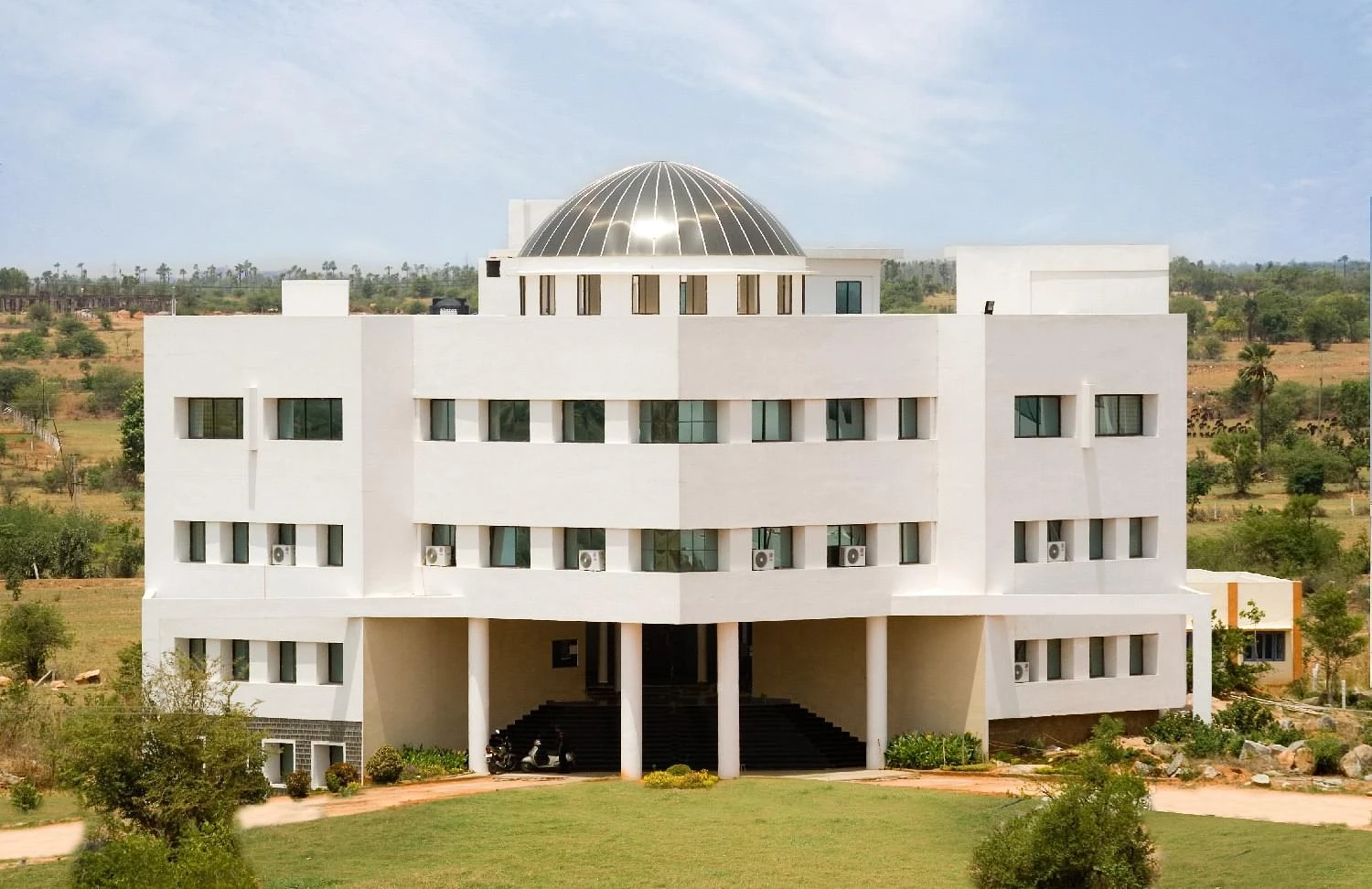
In this preview: 1 photo · 0 videos
BIET Ibrahimpatnam is affiliated with Jawaharlal Nehru Technological University Hyderabad (JNTUH) and approved by AICTE. It holds NAAC accreditation and has had NBA accreditation for core engineering programs. Crucially, it has been granted Autonomous Status by UGC and JNTUH, effective from the 2025-26 academic year, giving it more control over its curriculum.
For the 2027-28 academic year, the estimated first-year B.Tech tuition fee is around INR 1.20 Lakhs. Admission requires a 10+2 with MPC and a valid TS EAMCET score. Expected 2027 cutoff ranks for the general category range widely from about 66,000 for Computer Science to 170,000 for Civil Engineering.
Placement data shows a split. Official NIRF 2025 reports a median UG package of INR 5 LPA. Student reviews, however, consistently cite average packages between INR 3.5 LPA and 5 LPA, with the highest verified offers around INR 7 LPA. While top companies like TCS and Infosys visit, placements are reportedly concentrated in CSE/IT, with limited opportunities for core branches.
BIET's campus is noted for its extensive infrastructure. It features well-equipped labs, smart classrooms, a large library, and high-speed Wi-Fi. A major highlight is a 20-acre sports campus with a cricket stadium, multiple courts, and a gym. Hostels offer modern amenities, and the college provides bus transport, medical facilities, and a canteen.
Sentiment is mixed. Hostel life is praised for good rooms, amenities like Wi-Fi and washing machines, and hygienic food. Teaching quality draws divergent views: some students report excellent, supportive faculty, while others cite inconsistency, inexperienced new staff, and a need for high self-reliance in studies.
Share what future students should know about BIET.
Student voices are not rewritten by colleges. We remove spam and abuse.
Wider admission question? Community PulseWhat should future students know?
Tell us which course you're considering. We'll help you work out the next step.
Get instant Partner access after mobile verification. Your public edits are reviewed before they go live.
Claim this college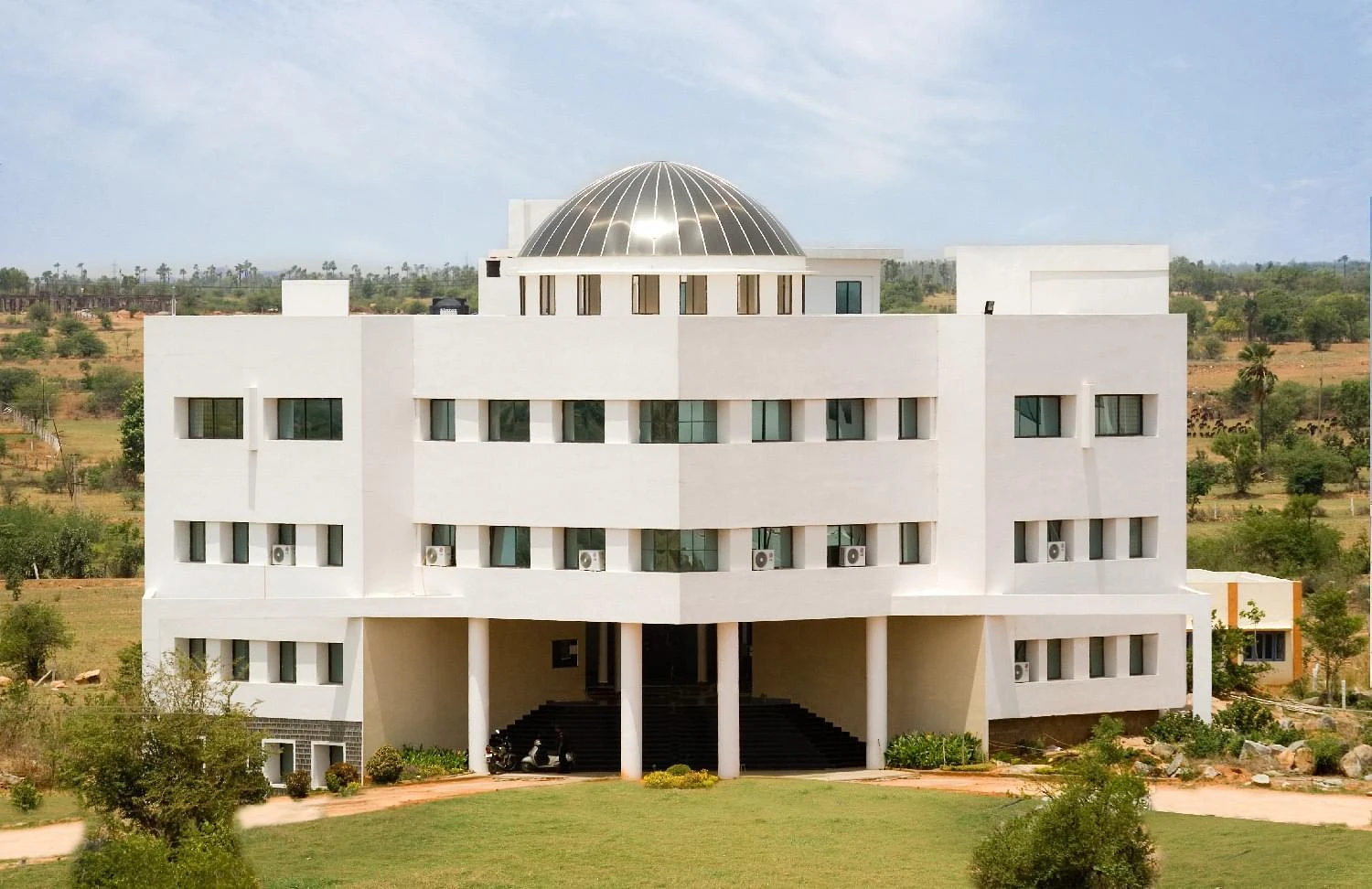
 Auditorium
 Cafeteria
 Campus Security
 Campus Shuttle
 Campus Wi-Fi
 Computer Labs
 Medical
 Science Labs
 Sports Complex
 Study Library