Loading Admission Guardian content
Loading Admission Guardian content

Provisional score based on available data. It may change as more information is verified.
Find a program, read its fee details and explore the admission requirements.
Summary of the programs shown below. Programs record different fee periods. Compare the individual amounts and their notes below.
| Course | Stream | Fees |
|---|---|---|
| Bachelor of Engineering [BE] | Engineering | 60000 |
| Master of Business Administration [MBA] | Management | 108000 |
| Diploma in Engineering (Polytechnic) | Engineering | |
| Master of Technology [M.Tech] | Engineering |
Specializations
All accepted exams
Eligibility: 10+2 with 75% + JEE Main
Specializations
All accepted exams
Eligibility: Graduation with 50% + KMAT
Specializations
Specializations
All accepted exams
Eligibility: Graduation with 50% + Karnataka PGCET
3 exams with cutoff data available
 Accenture
 CMS India
 Hewlett-Packard (HP)
 IBM
IBM Infosys
 MindTree
 TCS
TCS Wipro
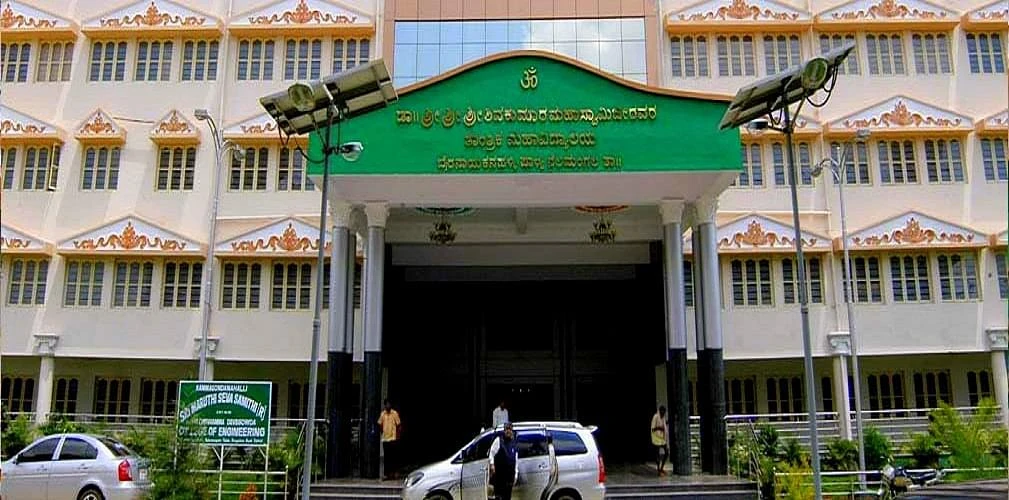
WiproDr. Sri Sri Sri Shivakumar Mahaswamy College of Engineering (Dr.SMCE) is a private VTU-affiliated college that’s built a specific reputation over the past 15 years. It’s not a top-tier name. But for students with mid-range KCET ranks and a tight budget, it’s a functional, no-frills option that delivers a basic engineering degree. The campus is quiet, the faculty is accessible, and the fees are among the more affordable in the Bangalore region. The catch? You’re trading city life and high-flying placement stats for that peace and price tag. If you’re in CSE or ISE, you might land a decent IT job. If you’re in Civil or Mechanical, you’re largely on your own.
The college offers a standard set of undergraduate B.E. programs under VTU. Intakes are modest, typically 60 students per branch, with CSE sometimes taking up to 120. The newer AI & ML program reflects an attempt to keep pace with trends. For postgraduates, there’s an MBA with standard specializations and a couple of M.Tech programs.
Academically, it’s a straightforward VTU experience. The calendar, exams, and grading follow the university’s CBCS system. The faculty, around 100 strong, is often cited as a positive. Most hold M.Tech degrees, with HODs typically having PhDs. The student-faculty ratio of about 15:1 means you can actually get help if you need it. They’re described as approachable, which isn’t always the case in larger institutes. The college has MoUs with local industries in Nelamangala and the Peenya Industrial Area, mainly facilitating industrial visits more than structured internship pipelines.
Here’s where you need to separate the brochure from the ground report. The official placement claim hovers around 90% for "eligible" students. Talking to alumni and scanning reviews on portals like Shiksha and CollegeDunia paints a more nuanced picture. The realistic placement rate is closer to 70-75% for the IT-focused branches—CSE and ISE. For core branches like Civil and Mechanical, it drops significantly. Many students in those streams secure jobs off-campus.
The highest package for the 2024 batch was a notable ₹12.5 LPA, with the Indian Navy and Amazon cited as recruiters. That’s an outlier. The average package sits firmly in the ₹3 to 4 LPA range, with a median likely around ₹3.2 LPA. That’s a decent starting point for a budget college.
Recruiters are a mix of IT service giants and local manufacturing. Infosys, Wipro, TCS, Capgemini, and Accenture are regulars. On the core side, names like Bosch, TVS, and Kennametal show up. The placement cell assists, but for internships, students are generally expected to be proactive in finding opportunities.
Affordability is Dr. SMCE’s strongest card. For KCET quota students, annual B.E. tuition is between ₹75,000 and ₹95,000. Management quota seats cost more, roughly ₹1.5 to 2 lakhs per year. The MBA program is even more affordable at about ₹55,000-65,000 annually.
Hostel and mess add another ₹55,000 to ₹65,000 per year. Rooms are shared between 3 to 8 students. It’s basic, but it’s cheap. All in, a four-year B.E. degree with hostel costs around ₹5.5 to 6.5 lakhs for KCET students and ₹9 to 11 lakhs for management quota. That’s hard to beat near Bangalore.
Scholarships follow government schemes: Post-Metric for SC/ST, Vidyasiri for OBC, along with S.J. Jindal and Minority scholarships. The college facilitates the application process.
Admission for B.E. is primarily through Karnataka’s KCET, though COMEDK UGET and JEE Main scores are also accepted. For PG, it’s Karnataka PGCET, KMAT, or GATE.
The 2024 KCET cutoffs tell the story of demand. For the General category, CSE closed between ranks 91,293 and 101,264. ISE and ECE were close behind, around the 97,000-98,000 mark. Branches like Civil and Mechanical often fill all the way down to the last ranks, beyond 180,000. You can find the official cutoff lists on the Karnataka Examination Authority (KEA) website.
Selection is via centralized counseling (KEA for KCET, COMEDK for its test). Direct admission under the Management Quota is possible if you have a minimum of 45% in PCM in your 12th standard.
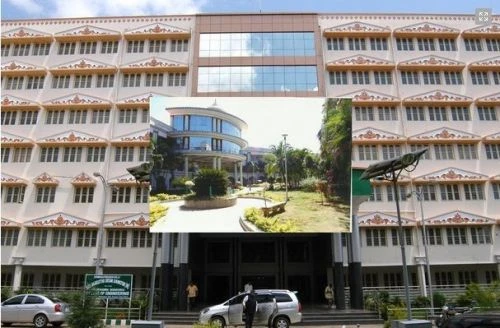
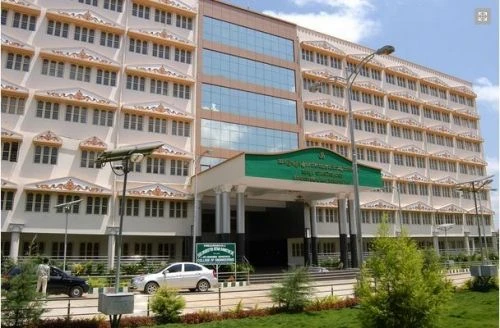
The campus spans about 10-11 acres off NH-48. It’s green, quiet, and undeniably remote. The nearest metro station, Nagasandra, is a 20-22 km bus ride away. If you miss the college bus, getting back is a project. That isolation is a double-edged sword. It’s peaceful and free from city distractions (and pollution). But it also means a limited social scene and very few food options outside the mess.
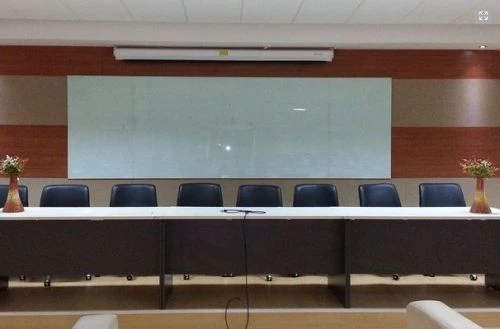
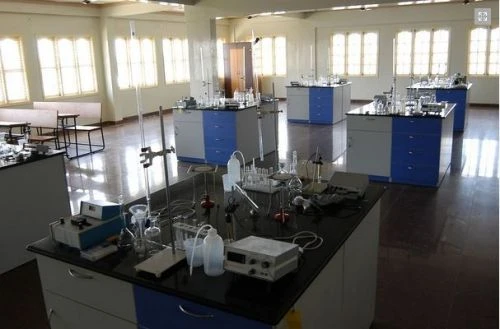
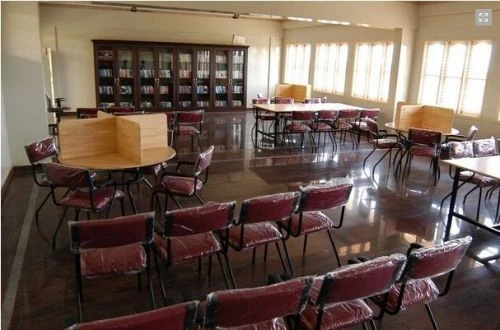
Infrastructure is adequate. Labs for CSE and ECE are well-equipped. Mechanical and Civil labs are described as functional but not research-oriented. The library has a digital section and access to VTU’s e-journals. Wi-Fi is present, with speeds reportedly better in labs than hostels. There’s an auditorium, a vegetarian canteen, and a medical room.
Hostels are separate for boys and girls, with a capacity for about 800 students total. Quality gets a 3.5/5 in reviews—clean enough, but crowded. The most common complaint? The food. It’s repetitive, North Karnataka-style fare, and with the remote location, you can’t just order in or go out for a change.
The student consensus is clear: this is a budget-friendly, disciplined college for those who didn’t get into more prestigious options. It’s popular with students from rural backgrounds or those seeking a focused, low-distraction environment.
The good stuff? Faculty accessibility is constantly praised. The campus is peaceful. And it represents serious value for money if your primary goal is a VTU degree without a massive loan.
The not-so-good? Location, location, location. It’s far from Bangalore’s tech and social hubs. Placement disparity is stark—great for CSE, a struggle for core branches. Hostel food is a frequent gripe. The social and cultural calendar is thin; don’t expect major fests. The management runs a tight ship on attendance, enforcing the VTU 75-85% rule.
It depends entirely on your priorities and rank. If you have a KCET rank between 90,000 and 110,000, a limited budget, and you want to study CSE or ISE near Bangalore, Dr. SMCE is a pragmatic choice. You’ll get a degree, approachable teachers, and a shot at a ₹3-4 LPA IT job. The return on investment can work.
But if you’re aiming for Mechanical, Civil, or EEE, think twice. The placement support is minimal. If an active campus life, great food, and being in the heart of the action are important to you, the isolation will feel punishing. And if your rank is significantly better, you should probably aim for a higher-ranked college, even if it costs a bit more.
Dr. SMCE doesn’t pretend to be something it’s not. It’s a simple, affordable engineering college that serves a specific student need. Just go in with your eyes wide open about the trade-offs.
In this preview: 5 photos · 0 videos
Yes, the Computer Science department is considered the strongest at Dr. SMCE. It has the best placement record in the college, with approximately 70% of students placed and the highest salary packages offered reaching up to 12 LPA.
The hostel facilities are basic but functional. They are affordable, costing around 60,000 INR per year including food. However, rooms are typically shared by many students (up to 8 per room), and the hostel location is considered isolated.
The key differences are location and ranking. Dr. SMCE is located in Nelamangala, a rural area, while DSCE is in Kumaraswamy Layout, Bangalore city. DSCE is generally much higher ranked and more expensive than Dr. SMCE.
Yes, direct admission is possible through the Management Quota. To be eligible, you must have a minimum of 45% aggregate marks in your 10+2 with Physics, Chemistry, and Mathematics (PCM).
Recent reviews and official reports indicate a strict anti-ragging policy is enforced. There have been no major ragging incidents reported at the college in the last five years.
Share what future students should know about Dr.SMCE.
Student voices are not rewritten by colleges. We remove spam and abuse.
Wider admission question? Community PulseWhat should future students know?
Tell us which course you're considering. We'll help you work out the next step.
Get instant Partner access after mobile verification. Your public edits are reviewed before they go live.
Claim this college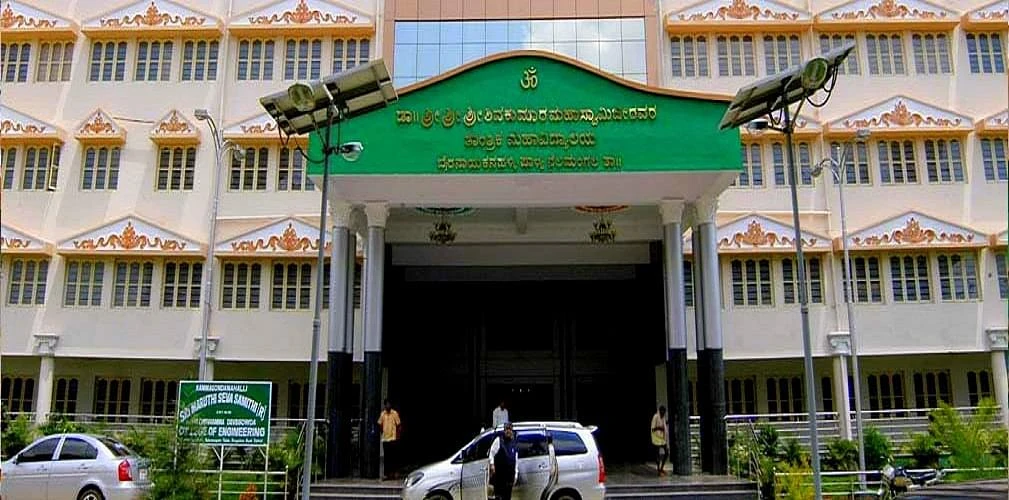
 Auditorium
 Cafeteria
 Computer Labs
 Gym
Gym Hostel
 Medical
 Science Labs
 Sports Complex
 Study Library