Loading Admission Guardian content
Loading Admission Guardian content

Provisional score based on available data. It may change as more information is verified.
Find a program, read its fee details and explore the admission requirements.
Summary of the programs shown below. First-year fee. Check the note beside each amount for inclusions and exclusions.
| Course | Stream | Fees |
|---|---|---|
| Diploma in Engineering (Polytechnic) | Engineering | 29150 |
| Bachelor of Technology [B.Tech] | Engineering | 81900 |
| Bachelor of Technology [B.Tech] {Lateral} | Engineering | 81900 |
Specializations
Specializations
Eligibility: 10+2 with 75% + JEE Main
Specializations
Eligibility: 10+3 with 75% + JEE Main
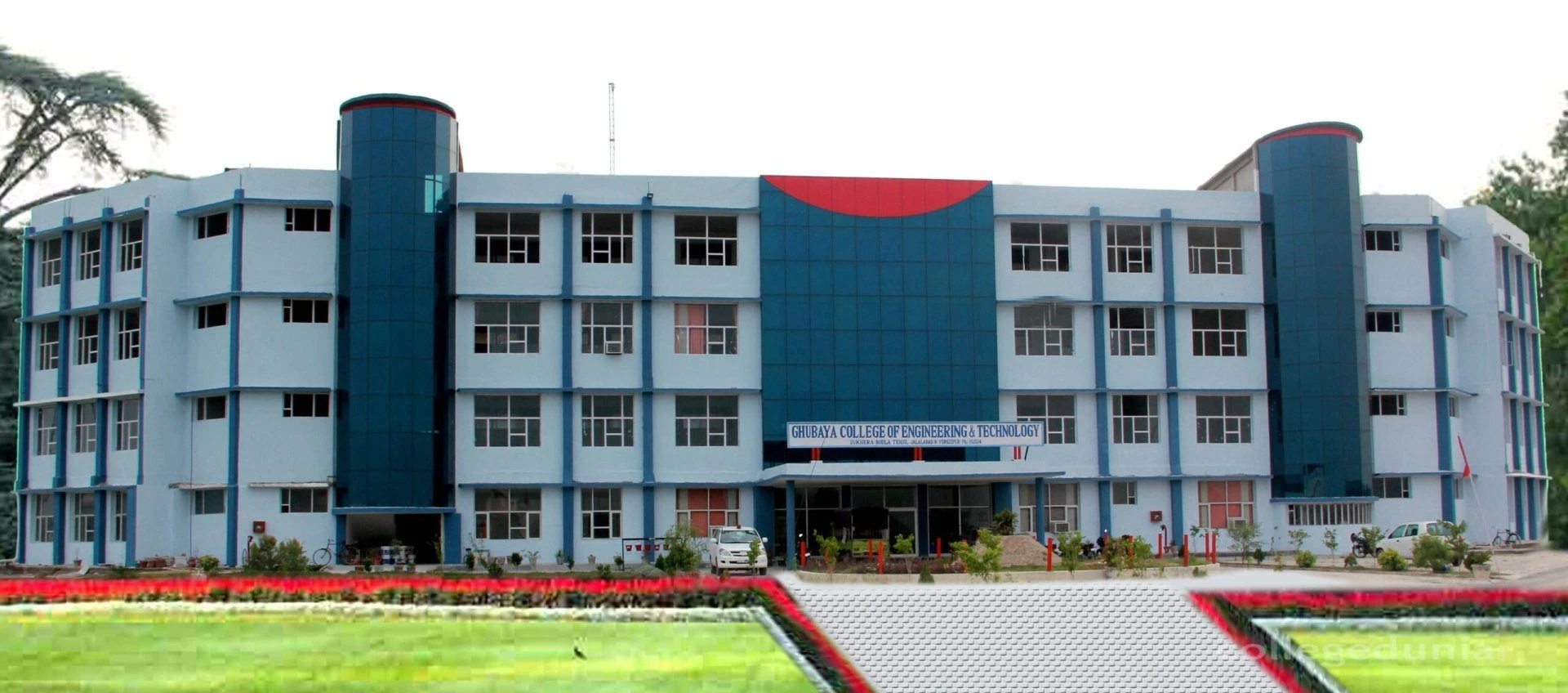
Ghubaya College of Engineering and Technology (GCET) is a private engineering college in Punjab that’s been around since 2010. It’s affiliated with I.K. Gujral Punjab Technical University (PTU) and approved by AICTE. The college offers B.Tech and Diploma programs with a total intake of about 250 students. Its location, about 10 km from Jalalabad on NH-95, makes it accessible by road, and the college provides its own transport. The official data shows a median placement package of INR 8 LPA, but student reviews paint a more varied picture, with many citing lower average salaries and placement rates that can be a bit of a gamble depending on your branch. The fees are on the lower end for a private institution, which is a point in its favor. If you’re looking for an affordable engineering option in Punjab and are prepared to be proactive about your own career, GCET might be worth a look. But you should go in with your eyes wide open about the placement realities.
GCET runs a standard set of engineering programs you’d expect from a mid-sized private college. The total approved intake across all courses is 252 students, which keeps the batches relatively small. That can be a good thing for getting some attention from faculty.
The B.Tech program is the main draw, with four branches: Civil Engineering (54-60 seats), Computer Science and Engineering (60 seats), Electronics and Communication Engineering, and Mechanical Engineering (60 seats). They also offer lateral entry into the second year of B.Tech and Diploma (Polytechnic) programs in Computer and Mechanical Engineering.
Academically, it’s tied to the PTU curriculum. The college lists 16 faculty members, though data on PhD holders or notable professors isn’t available. They mention extracurricular activities like guest lectures and industry visits as part of the academic experience. It’s a fairly standard setup—you’ll get the syllabus covered, but don’t expect groundbreaking research or a huge number of electives. The focus seems to be on delivering the core curriculum and some practical exposure.
This is where you need to separate the official line from the student ground report. The data from the college’s NIRF report provides a formal baseline: a median package of INR 8 LPA and an average package for CSE at INR 9 LPA. They also claim a highest package of INR 20.12 LPA for 2024.
But student reviews tell a more fragmented story. You’ll see numbers all over the map. Some mention an average of INR 4-4.5 LPA, others say INR 6 LPA. The claimed "highest" packages of INR 44 LPA (Amazon) or INR 20-30 LPA on campus appear to be unverified and, based on the context, might be attributed to a different college with the same GCET initials. It’s a common mix-up online.
Placement percentages are similarly fuzzy. Reviews cite everything from "more than 50%" to "almost 80-90%." A more common, and probably more realistic, range from student feedback is 60-75%. The pattern is clear: CSE and IT branches fare the best. ECE sees a mix of IT and core electronics roles. Mechanical Engineering placements tend to be slightly lower, which is a trend across many colleges.
The list of recruiters provided is extensive—names like Cognizant, Accenture, TCS, Infosys, Bosch, and Capgemini appear. But again, some of the longer lists (including names like Goldman Sachs, Google, or Volkswagen) are from unverified reviews and likely refer to other institutions. The core recruiting base for GCET Firozpur appears to be mid-tier IT services and consulting firms.
Internship support is mentioned, with guidance provided across disciplines. Some student reviews note companies like ITC and Paytm coming for internships and that project work starts from the second year.
The verdict on placements? Manage your expectations. The official NIRF median of INR 8 LPA is a decent benchmark. If you’re in CSE, you might approach that. For other branches, be prepared for offers that could be lower. The placement cell seems to bring in companies, but the outcomes are inconsistent. Your individual skills and proactivity will matter a lot.
The fee structure is one of GCET’s more straightforward and appealing aspects. For the B.Tech program, the total fee for the 2025-2027 cycle is INR 3.66 Lakhs. The first year costs INR 1,00,200, and each subsequent year is INR 88,600. There’s also a one-time, refundable security fee of INR 8000. The Diploma in Engineering is significantly cheaper at INR 84,920 for the full program. Hostel and mess fees are not detailed in the available data, so you’d need to budget extra for that.
On financial aid, the college states that government scholarships for SC/ST/OBC and minority categories are available. The Ghubaya Educational Society also offers its own scholarships for meritorious students. They facilitate applications for central schemes like the AICTE PRAGATI Scholarship for girls and the SAKSHAM scheme for specially-abled students through the National Scholarship Portal.
Some unverified student reviews mention substantial fee waivers for SC/ST students and merit-based seats where only exam fees are paid, but these details should be confirmed directly with the college administration. The key takeaway is that the tuition is affordable, and there are pathways to reduce the cost further through government schemes.
Admission into the B.Tech program primarily happens through two channels. The main route is via JEE Main rank, followed by centralized counseling conducted by Maharaja Ranjit Singh State Technical University. Alternatively, you can go through the Punjab Technical University (PTU) Common Entrance Test (CET). For Diploma programs, admission is through the JET exam and counseling by the Punjab State Board.
There’s also a management quota. For this, selection is based on marks in the qualifying exam (like 10+2), and appearing for JEE is not mandatory. The general merit list is prepared based on the best five subjects from your qualifying exams.
The application window for the 2025-26 session opened on October 29, 2025. You can get the form from the institute’s website or the admission office. An application fee is charged, payable online or in person. Specific cutoff ranks or percentiles for JEE Main or PTU CET aren’t published, which is typical for colleges that fill seats through state counseling—the cutoffs fluctuate yearly based on applicant pool and seat availability.
The campus is described as having "all major facilities" and "well-equipped labs," though the exact size isn’t specified. It’s a functional setup. They have separate hostels for boys and girls with basic amenities. Details on capacity, room quality, or food aren’t available in the brief, so a campus visit would be wise to check these out personally.
In terms of student life, it’s a campus located on a highway outside a major city. The college provides transport, which suggests most activity is centered on the college itself. The mention of guest lectures and industry visits are the highlighted extracurriculars. Don’t expect a bustling, urban campus life with endless events. It’s likely a more focused, academic environment where you’ll need to create your own social dynamic.
Synthesizing the feedback, opinions are mixed—which is normal. The affordability of the fees is almost universally noted as a big positive. Students appreciate that the college provides a chance at an engineering degree without a massive financial burden.
The academic delivery is seen as adequate, covering the PTU syllabus. However, a common thread is the need for self-drive. The college provides a platform and basic placement opportunities, but the highest achievers are often those who work on skills outside the curriculum, through online courses or personal projects.
The biggest area of contention and uncertainty is placements. While some reviews are optimistic, many caution that average packages are modest and placement rates aren’t guaranteed for everyone. There’s a clear emphasis on branch hierarchy, with CSE students being the most satisfied with outcomes. Infrastructure is considered okay, not great, but sufficient for the course work.
The overall sentiment isn’t one of glowing praise or severe criticism. It’s more pragmatic: GCET is seen as a value-for-money option where you get what you pay for, and your final outcome depends heavily on your own effort.
GCET Firozpur occupies a specific niche in the Punjab engineering landscape. It’s not a top-tier name, but it’s also not exorbitantly expensive. The value proposition is clear: low tuition fees and a functional engineering education that can get you a degree and a shot at the job market.
It’s best for students who are cost-conscious, have a moderate rank in JEE Main or PTU CET, and are self-motivated. If you’re entering CSE and are prepared to supplement your studies with your own coding practice, you could land a decent IT job. For Mechanical or Civil aspirants, understand that core placement opportunities here will be more limited.
Who should look elsewhere? If you have a high rank and ambitions for premier campus placements with top-tier MNCs, you’ll likely find better opportunities at older, more established government or private colleges. Similarly, if a vibrant, resource-rich campus life is a priority, GCET’s relatively isolated location might not satisfy you.
In short, GCET is a practical choice. It’s a college where the ROI can be positive if you manage your expectations and take charge of your own learning trajectory. Go for the affordability and the degree, but plan to build your resume yourself.
In this preview: 1 photo · 0 videos
The total fee for the B.Tech program at GCET for the 2025-2027 cycle is ₹3.66 Lakhs. The first-year fee is ₹1,00,200, and the fee for each subsequent year is ₹88,600. There is an additional one-time, refundable security fee of ₹8,000. Hostel and mess charges are separate and not specified in the current fee breakdown.
According to official NIRF data, the median placement package is ₹8 LPA, with an average package for CSE students around ₹9 LPA. The college has reported a highest package of ₹20.12 LPA for 2024. However, student reviews frequently mention average packages in the range of ₹4.5 LPA to ₹6 LPA, suggesting outcomes can vary significantly by branch and individual performance.
B.Tech admissions are primarily based on entrance exam ranks. The two main routes are: 1) Through JEE Main rank, followed by state-level counseling conducted by Maharaja Ranjit Singh State Technical University. 2) Through the Punjab Technical University (PTU) Common Entrance Test (CET). The college also has a management quota where admission is based on 10+2 marks without requiring an entrance exam score.
The college's placement records list recruiters like Cognizant, Accenture, MindTree, TCS, Newgen, Capgemini, DXC Technology, Infosys, and Bosch. It's important to note that some extensive online lists include top-tier companies like Amazon or Google; these are typically unverified and likely refer to other institutions with similar initials. The consistent recruiting base for GCET appears to be mid-tier IT and engineering firms.
Yes, GCET offers scholarship opportunities. Government scholarships for SC/ST/OBC and minority category students are available. The Ghubaya Educational Society also provides merit-based scholarships. The college facilitates applications for central government schemes like the AICTE PRAGATI Scholarship for girls and the SAKSHAM Scholarship for specially-abled students through the National Scholarship Portal.
Share what future students should know about GCET.
Student voices are not rewritten by colleges. We remove spam and abuse.
Wider admission question? Community PulseWhat should future students know?
Tell us which course you're considering. We'll help you work out the next step.
Get instant Partner access after mobile verification. Your public edits are reviewed before they go live.
Claim this college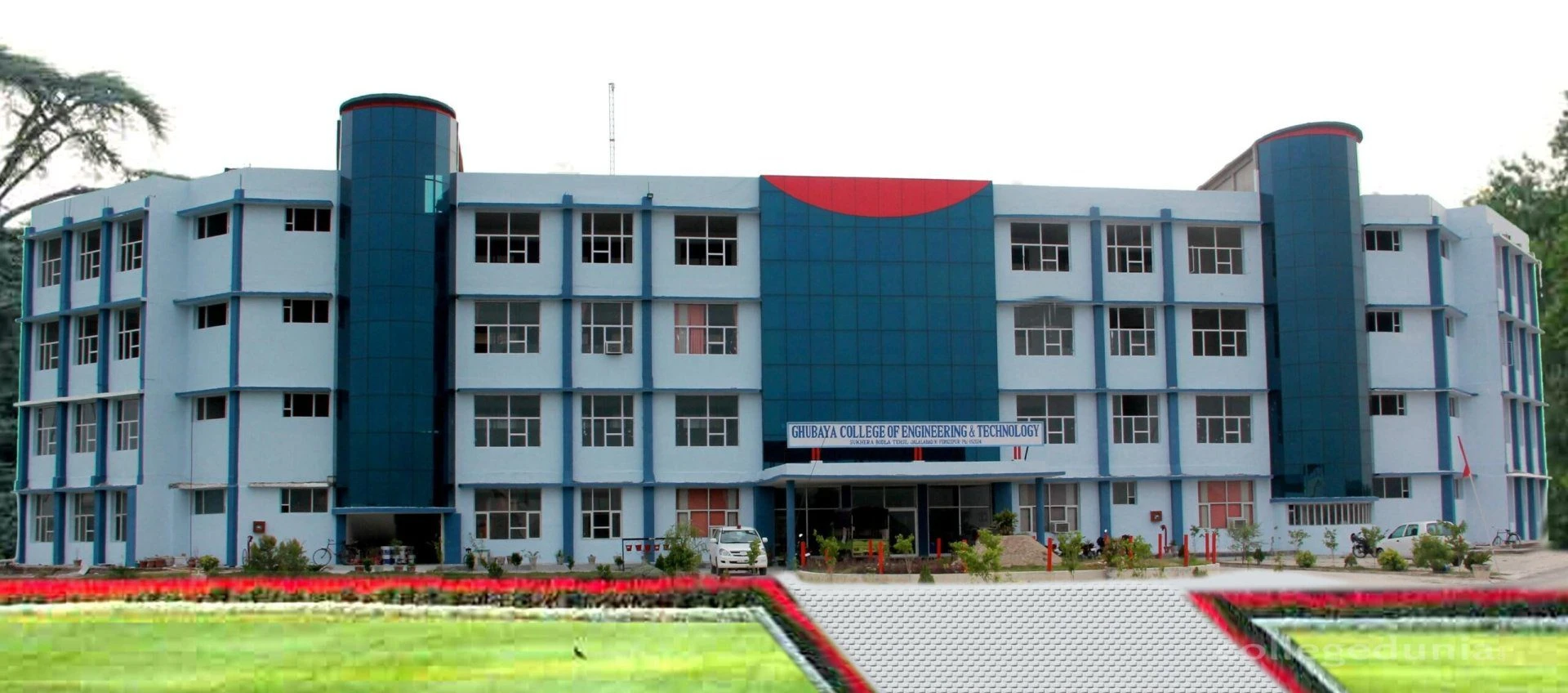
 Auditorium
 Cafeteria
 Computer Labs
 Hostel
 Science Labs
 Study Library