Loading Admission Guardian content
Loading Admission Guardian content
Provisional score based on available data. It may change as more information is verified.
Selected ranking categories, with the recorded year beside each result. Open all records for the complete history.
45 published records · Lower numeric ranks are stronger
NIRF
B.Tech
#1482022
Outlook
Engineering · private
#512024
The Times Of India
Engineering · private
#172021
India Today
Engineering · private
#1262023
Indiatoday
B.Tech · private
#1262023
Find a program, read its fee details and explore the admission requirements.
Summary of the programs shown below. First-year fee. Check the note beside each amount for inclusions and exclusions.
| Course | Stream | Fees |
|---|---|---|
| Master of Technology [M.Tech] | Engineering | 87500 |
| Bachelor of Technology [B.Tech] | Engineering | 138500 |
| Bachelor of Technology [B.Tech] {Lateral} | Engineering | 138500 |
Specializations
All accepted exams
Eligibility: Graduation
Specializations
All accepted exams
Eligibility: 10+2
Specializations
All accepted exams
Eligibility: 10+3
2 exams with cutoff data available - showing recent entries
 ACC Cement
 Accenture
 ADP Private Limited
 Airtel
 Amazon
 Birlasoft
 Bosch Ltd
 Capgemini
 CISCO
CISCO Cognizant
 Colruyt
 CommVault Systems India Pvt. Ltd.
 DBS Bank
 Epam
Epam GE Appliances
 Goldman Sachs
 HCL
HCL Hexaware Technologies
 Hitachi consulting
 IBM
IBM Infor
Infor Informatica Business Solutions Pvt Ltd.
 Infosys
 Invesco
 Kickdrum
 Magnitude
 MEDHA
MEDHA MedPlus
 Modak Analytics
 Mu Sigma
 NetCracker Technology Solutions (India) Pvt Ltd
 OC Tanner Co.
 Prodapt
 Prolifics
 PWC
PWC Qualcomm India Pvt. Ltd.
 Quest Global
 TA Digital
 TCS Digital
 UST Global
 Verzeo
 Virtusa
 WELLS FARGO
 Wipro
Wipro Zemoso
 Zensar
 ZF India Pvt Ltd
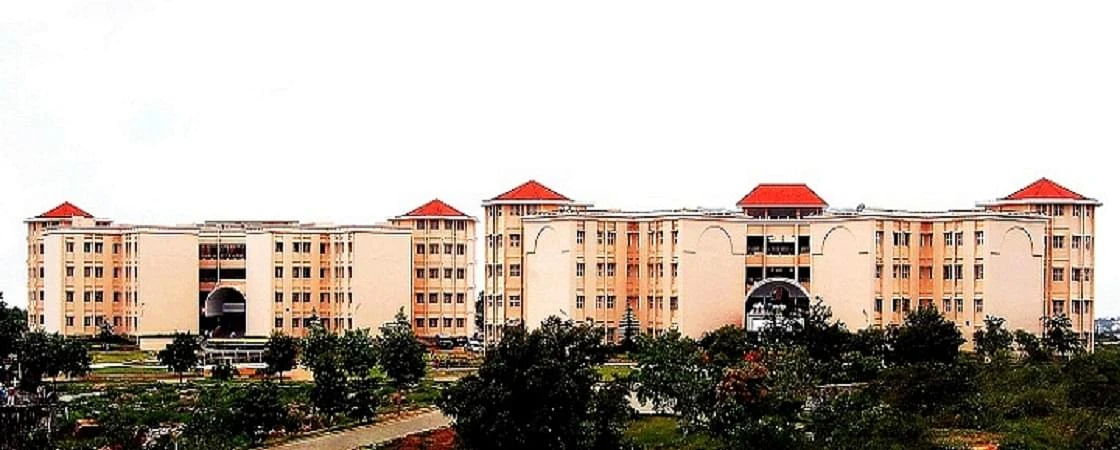
Gokaraju Rangaraju Institute of Engineering and Technology, or GRIET, has built a reputation in Hyderabad as a private engineering college where the placement numbers you see on the brochure are often the ones you get. That’s the consistent feedback from students. With an NAAC ‘A++’ grade—a rare and serious accreditation score of 3.55 out of 4—and UGC autonomous status, it operates with a level of academic freedom that many older institutions envy. The campus, spread over 24 acres on the Krishnaja Hills in Bachupally, feels like a world away from the city's chaos, even if getting up the hill can be a workout. For students targeting a B.Tech in Computer Science, Artificial Intelligence, or Data Science, GRIET presents a compelling, if not flawless, proposition where strong industry connections meet a solid academic foundation.
GRIET’s academic portfolio is heavily tilted towards computing, reflecting market demand. The B.Tech in Computer Science and Engineering is the giant, with an intake of 600 students. But the newer, specialized programs in Artificial Intelligence & Machine Learning (300 seats) and Data Science (210 seats) are where a lot of the current buzz is. They’ve also got the Computer Science and Business Systems program, a curriculum developed with industry input. Other core branches—Mechanical, Civil, ECE, EEE, and IT—are present, but with notably smaller intakes (Civil has just 30 seats, for instance). That tells you where the institute’s focus and resources are concentrated.
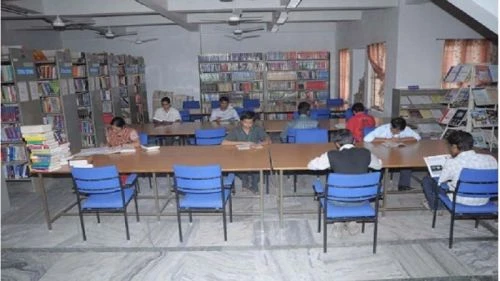
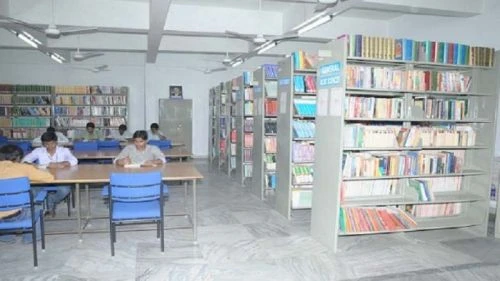
The autonomy status means GRIET can tweak its syllabi faster than non-autonomous colleges tied strictly to JNTUH’s calendar. The official line is a “focus on practical skills and social relevance,” and student reviews generally back up the claim of a conducive learning environment. They’ve got 400 faculty members, and while the exact number of PhDs isn’t public, the NAAC ‘A++’ grade is a strong, external validation of teaching quality and institutional processes. The library is a genuine asset—a two-storey, fully automated space with over 1.3 lakh volumes and access to thousands of e-journals. For postgraduates, there are nine M.Tech programs, including Software Engineering and Power Systems, where the median package sits at a decent INR 6.9 LPA.
This is the section everyone scrolls to first. And the data is pretty transparent. In 2025, the highest package was INR 51.6 LPA from Google. Amazon came in at INR 46.3 LPA, with PayPal, CommVault, and Oracle all offering between INR 25-34 LPA. These are real, top-tier tech names. The average package, however, is where you see the broader picture. For 2024, it hovered between INR 5 to 6 LPA. Recent reports suggest it’s inched up to the INR 6-7 LPA range. The median for B.Tech over the last few years has been steady at around INR 6 LPA.
Placement percentage is where you need to read between the lines. The institute sees around 70% of its students placed, with some sources indicating a range of 60-80%. But there’s a massive caveat: this figure is heavily driven by the computer science streams. For CSE, AIML, and DS, placement rates can hit 70-90%. For core branches like Mechanical or Civil, opportunities are fewer and the process is tougher. Over a thousand students were placed in 2025, which is a solid number.
The recruiter list is impressive and software-heavy: Google, Amazon, PayPal, Oracle, CISCO, JPMorgan Chase, TCS, Infosys, Accenture, Deloitte, and Capgemini all visit. You’ll also see core engineering names like Bharat Forge, Hyundai Motors, and Cyient, but the volume of offers from these companies is lower. The gap between the stellar top packages and the modest average is typical of most Indian engineering colleges—a few stars, and a large middle cohort landing decent IT jobs. The key takeaway from student sentiment? The official numbers aren’t inflated. What they advertise is largely what happens, especially if you’re in a tech branch.
Let’s talk numbers. For the B.Tech program in the 2025-26 academic year, the first-year tuition is INR 1,38,500. On top of that, you have a special fee (INR 5,500 for first year), an NBA fee (INR 3,000), and other small charges. All in, the total cost for a four-year B.Tech was estimated at INR 5.26 to 5.45 Lakhs for the 2025 batch. Looking ahead to 2026-27, the yearly tuition is pegged at INR 1,66,750, pushing the four-year total estimate to around INR 6.67 Lakhs. For M.Tech, the annual tuition is about INR 92,500 for the 2026-27 cycle.
Hostel fees, which are only for women on campus, range from INR 30,000 to 40,000. Boys have to find private PGs nearby, which adds a variable and often higher cost.
Where GRIET stands out is its scholarship structure. They have a clear, merit-based incentive for top TS EAMCET rank holders:
And that’s on top of the Telangana Government’s Fee Reimbursement scheme, which can cover up to INR 1,30,000 for eligible students. SC/ST students get full fee reimbursement irrespective of rank. There are also teaching assistantships for M.Tech students and various endowment scholarships. It’s a robust financial aid system that makes the college accessible.
For B.Tech, the gate is TS EAMCET (now called TS EAPCET). Full stop. You need to have passed your 10+2 with Physics, Chemistry, and Mathematics, and then secure a valid rank in this state entrance exam. Seventy percent of seats are filled through the state counseling based on this rank. The other 30% are Management/NRI quota seats.
Specific cutoff ranks for 2024 or 2025 aren’t published in a simple list—they fluctuate by branch, category, and gender during each counseling round. Naturally, CSE, AIML, and Data Science require the highest ranks, likely well within the top few thousand. Core branches are more accessible. The application window for TS EAPCET 2026 closed in mid-April, with exams held in May.
For M.Tech, you need a GATE score or a rank in the TS PGECET. The process is similar: qualify, get a rank, participate in state counseling. The application fee for GRIET itself is a nominal INR 500. The entire process is centralized and transparent, following the Telangana State Council of Higher Education protocols.
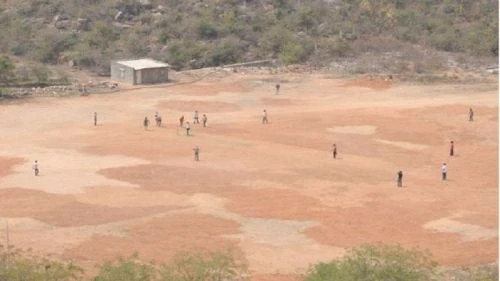
The 24-acre campus on a hill is consistently described as beautiful and green. The infrastructure is modern—well-equipped labs, smart classrooms, and that excellent library. The computer labs, especially for CSE, are reportedly cutting-edge, with some departments providing laptops. There’s a full range of sports facilities: basketball, volleyball, and cricket grounds, a table tennis stadium, a gym, and an open-air gallery. The college encourages sports, and teams are active.
Now, the wrinkles. The most significant one is the hostel situation. There is a dedicated, decent girls’ hostel on campus. For boys? There isn’t one. Male students rely on private paying guest accommodations and hostels in the surrounding areas of Bachupally and Kukatpally. It’s a definite downside that adds complexity and cost. The college canteen, which also serves hostel food, is considered small, and the food quality is repeatedly called “average” or just “okay.” Another common gripe is the Wi-Fi; while the campus has it, student reviews say the connection can be poor and unreliable.
On the social front, the calendar is packed. Students mention a “vibrant campus life” with 3-5 events happening every week, from tech fests to cultural activities. There’s an active entrepreneurship cell. The college provides a shuttle service from key points like Hyder Nagar, Kukatpally, and Hi-Tech City MMTS station, which is essential given the campus location.
Synthesizing the chatter from review sites and forums, a clear consensus emerges. The positives are strong: Infrastructure and campus get top marks. Placements, particularly for computer-related branches, are seen as genuine and a core strength. Alumni don’t feel cheated by the brochures. Faculty quality is generally praised, with many describing them as supportive and knowledgeable.
The negatives are just as consistent. The lack of a boys’ hostel is the biggest practical headache. The canteen food is a letdown. The Wi-Fi is spotty. And while the hilltop location is scenic, the climb is tiring. Academically, some note that core branch placements (Mechanical, Civil) aren’t as robust, with the recruitment focus firmly on software. You don’t see many complaints about management being unresponsive or about unfair academic practices, which is a good sign.
GRIET is a very specific bet. If you are a student with a good TS EAMCET rank aiming for Computer Science, Artificial Intelligence, Machine Learning, or Data Science, it’s absolutely worth serious consideration. The return on investment is clear: strong, verified placements with brand-name companies, a respected ‘A++’ accreditation, and a focused curriculum. The scholarship options for top rankers make it financially attractive. However, if you’re committed to a core engineering branch like Mechanical or Civil, you should temper your expectations. The opportunities are narrower, and you might find better options elsewhere. The lack of on-campus hostel for boys is a genuine lifestyle and logistical drawback that families must factor in. Ultimately, GRIET excels as a modern, software-oriented engineering college in Hyderabad’s competitive landscape. It delivers on its core promise for the right candidate.
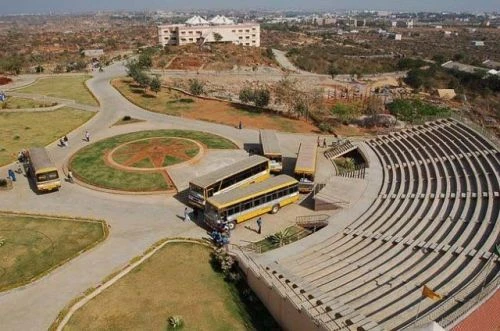
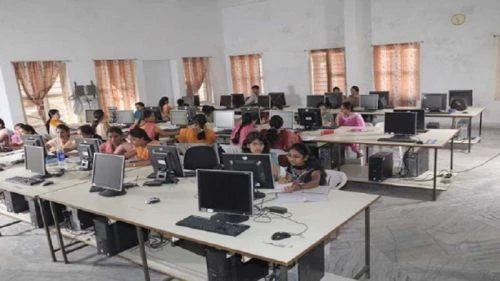
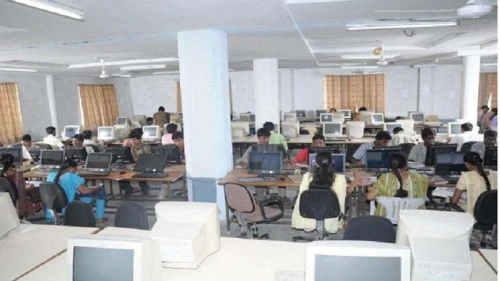
In this preview: 5 photos · 0 videos
Admission to B.Tech at GRIET is strictly through the TS EAPCET (Engineering, Agriculture & Pharmacy Common Entrance Test) score. Candidates must have passed 10+2 with Physics, Chemistry, and Mathematics. 70% of seats are filled via state counseling based on the EAPCET merit rank, while 30% are under Management/NRI quota. For the 2026 cycle, the TS EAPCET exams were scheduled for May.
For students joining in the 2025 academic year, the total approximate fee for the four-year B.Tech program is between INR 5.26 Lakhs to INR 5.45 Lakhs. For the 2026-2027 batch, the estimated total cost is around INR 6.67 Lakhs. This includes annual tuition (e.g., INR 1,38,500 for first year in 2025-26), a special fee, NBA fee, and other mandatory charges. Hostel fees for girls are extra, ranging from INR 30,000 to 40,000 per year.
In the 2025 placement drive, the highest package offered was INR 51.6 LPA by Google. The average package for B.Tech graduates typically ranges between INR 5 to 7 LPA, with a median of around INR 6 LPA. Over 1,000 students were placed in 2025. Top recruiters consistently include Google, Amazon, PayPal, Oracle, CISCO, JPMorgan Chase, TCS, Infosys, Accenture, and Deloitte, with strong placement rates especially for CSE, AIML, and Data Science branches.
GRIET provides on-campus hostel accommodation exclusively for female students. The girls' hostel is described as decent with limited capacity, and fees range from INR 30,000 to 40,000 annually. For male students, there is no dedicated college hostel on campus; they must arrange for private paying guest accommodations or hostels in the nearby Bachupally and Kukatpally areas. The food served in the college canteen (which caters to the hostel) is generally reviewed as average in quality.
GRIET holds some of the highest possible accreditations: an NAAC 'A++' grade with a score of 3.55/4.00, and program accreditations by the NBA. It is approved by AICTE and has UGC Autonomous status. In the NIRF rankings, it was placed in the 151-200 band for Engineering in 2025. Other notable rankings include #22 in Engineering by Times 2025 and #180 among private engineering colleges by India Today 2025.
Share what future students should know about GRIET.
Student voices are not rewritten by colleges. We remove spam and abuse.
Wider admission question? Community PulseWhat should future students know?
Tell us which course you're considering. We'll help you work out the next step.
Get instant Partner access after mobile verification. Your public edits are reviewed before they go live.
Claim this college
 Auditorium
 Cafeteria
 Computer Labs
 Gym
Gym Hostel
 Medical
 Science Labs
 Sports Complex
 Study Library