Loading Admission Guardian content
Loading Admission Guardian content
Provisional score based on available data. It may change as more information is verified.
Find a program, read its fee details and explore the admission requirements.
Summary of the programs shown below. Fee amounts are not listed. Contact the college for its current fee schedule.
| Course | Stream | Fees |
|---|---|---|
| Bachelor of Arts [BA] | Arts | |
| Master of Arts [MA] | Arts |
Specializations
Eligibility: 10+2
Eligibility: Graduation
Government Art's College Niwas is a government-run institution that has been quietly serving students in the Mandla district of Madhya Pradesh since 1987. Affiliated with Rani Durgavati Vishwavidyalaya in Jabalpur, it’s a classic example of a regional arts college built to provide accessible higher education. The college is NAAC accredited, which is a solid baseline for a public institution, though the specific grade isn't publicly detailed. Its location about 3 km from Niwas city on Jabalpur Road means it’s accessible, if not exactly central. For students in and around Mandla looking for an affordable BA or MA, this is often the first and sometimes only local option. It’s a no-frills, functional college that does a specific job for a specific community.
The academic offering here is straightforward and focused on the arts. At the undergraduate level, you can pursue a three-year Bachelor of Arts degree, with options for both General and Honours streams. For postgraduates, the two-year Master of Arts program follows the same General/Honours structure. The college’s affiliation with Rani Durgavati Vishwavidyalaya means the syllabus, examination system, and degree awarding are governed by the university’s norms. Specific specializations, electives, or unique academic features aren’t detailed in public materials, which suggests a fairly standard curriculum. Faculty information is limited to the principal, Dr. Smt. Sadan Maravi, and one listed assistant professor in History. The college claims to offer support for internships and research projects, a positive note for arts students looking for practical experience beyond the classroom.
This is where the data requires a heavy dose of skepticism. The brief lists an unverified highest package of ₹12.5 LPA and an average of ₹4.8 LPA, with a claimed 85% placement rate. The list of top recruiters includes global giants like Google, Microsoft, Amazon, and major consulting firms like Deloitte and KPMG. For a government arts college in a rural district of Madhya Pradesh, these figures and names are, frankly, implausible for campus recruitment in arts disciplines. They likely represent aspirational data, generic placeholder text, or a severe misinterpretation. The reality for most regional arts colleges is that formal, high-paying campus placement drives are rare. Career outcomes typically depend on university-level exams for government jobs, private tutoring, further studies, or students securing employment through their own networks. The mention of summer internships with "leading brand names" is similarly unverified. Prospective students should directly contact the college administration or talk to current students for a genuine picture of graduate outcomes, rather than relying on these unsubstantiated claims.
The strongest argument for this college is its affordability. With annual tuition fees ranging between ₹5,000 and ₹15,000 for a B.A. and ₹10,000 to ₹30,000 for an M.A., the cost of education is exceptionally low. That’s a defining feature of government colleges in India. Complete cost estimates aren’t available, as hostel and mess fees aren’t specified, but they are typically nominal at state-run institutions. Financial aid is available and seems well-structured. Scholarships are offered to students from backward classes and those maintaining a minimum of 75% attendance—a good incentive. Additional scholarships are based on academic merit, reserved category quotas, and financial need. For economically constrained students in the region, this support system can make higher education a tangible reality.
Admissions are governed by the norms of the affiliating university, Rani Durgavati Vishwavidyalaya. The process is a fairly standard one for affiliated colleges: an eligibility check, potential entrance exams ("if applicable"), application submission, and document verification. The final selection is usually based on a merit list derived from qualifying exam marks, possibly followed by counseling or an interview. For the 2025 academic session, the application window runs from May 14 to June 24, 2025. An application fee is charged, payable online or at the admissions office. There’s no available data on cutoff ranks or percentiles, suggesting admission is primarily based on 10+2 marks for BA and graduation marks for MA, within the university’s reservation policy. International students are noted as eligible to apply.
Infrastructure appears basic but covers the essentials. The college has hostels for both boys and girls, though details on capacity, room quality, or food are absent. Academically, there are modern laboratories (likely for geography or other science subjects within arts) and two computer centers, which is a crucial facility. The library is described as well-equipped, with a specific mention of a book bank for SC/ST students—a thoughtful and important inclusion. On the extracurricular front, the sports facilities seem to be a point of emphasis. The college has grounds for basketball, volleyball, kabaddi, cricket, and kho-kho, plus a hall for badminton and facilities for table tennis. That’s a decent range for a college of this size. A canteen (or "snack house") operates on campus, and a medical facility is available. Wi-Fi is listed as a general facility, but its reliability and coverage are unknown. It’s a campus built for function, not luxury.
Here’s the challenge: there’s almost no authentic, detailed student sentiment available online. Justdial shows a single review with a 3.0 rating, which is statistically meaningless. Collegedunia mentions a high number of "verified reviews" with a 4.5 rating, but the content is inaccessible, making verification impossible. No recurring themes, praises, or complaints could be found on platforms like Reddit or Quora. This silence itself is data. It suggests the college has a very localized footprint, with students who aren’t actively reviewing their alma mater on national platforms. The lack of vocal criticism online could indicate a college that meets basic expectations for its community, or it could simply reflect low digital engagement. To get a real sense, a prospective student would need to visit the campus, speak to current attendees, or connect with locals in Mandla.
Government Art's College Niwas serves a clear, specific purpose. It is worth serious consideration if you are a student from Mandla or the surrounding rural districts looking for an extremely affordable pathway to a BA or MA degree from a recognized, NAAC-accredited, government institution. The low fees and available scholarships remove a major financial barrier. However, you must have realistic expectations. This is not a college known for high-profile placements, a vibrant metropolitan campus life, or cutting-edge academic specializations. The unverified placement data should be ignored. Your degree will hold value for government job eligibility, teaching careers, or further studies. But for students seeking robust corporate placement cells, extensive industry connections, or a cosmopolitan peer group, looking at larger colleges in Jabalpur or other urban centers would be a better strategy. Its value is rooted in access and affordability, not prestige or placement packages.
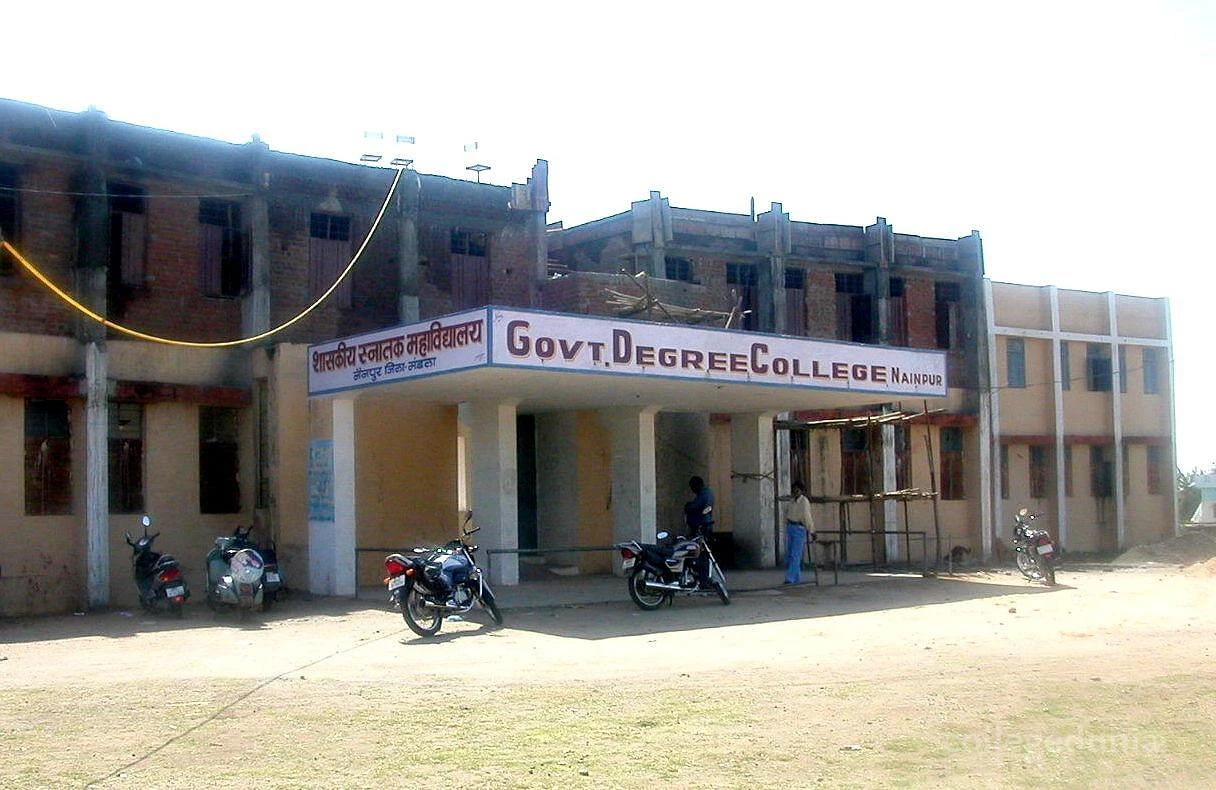
In this preview: 1 photo · 0 videos
Government Art's College Niwas offers undergraduate Bachelor of Arts (B.A.) programs, including General and Honours specializations. It also provides postgraduate Master of Arts (M.A.) programs, with options for General and Honours studies. The college is affiliated with Rani Durgavati Vishwavidyalaya, Jabalpur.
For undergraduate B.A. programs, the approximate annual tuition fees range from ₹5,000 to ₹15,000. For postgraduate M.A. programs, the approximate annual tuition fees are between ₹10,000 and ₹30,000. These figures are based on available data for the 2026 academic year.
Yes, scholarships are available. They are provided to backward class students and those who maintain a minimum of 75% attendance. Additional scholarships are offered based on academic merit, reserved quotas, or demonstrated financial need, making education accessible for many.
The campus provides essential facilities including a well-equipped library with a book bank for SC/ST students, modern laboratories, and two computer centers. Sports facilities include grounds for basketball, volleyball, kabaddi, cricket, badminton, and kho-kho. A canteen and medical facility are also available.
The admission process involves an eligibility check, application submission, and document verification. Entrance exams may be applicable for some programs. Final selection is typically based on a merit list, followed by counseling or an interview. Applications for the 2025 academic session are open from May 14 to June 24.
Share what future students should know about Government Art's College Niwas.
Student voices are not rewritten by colleges. We remove spam and abuse.
Wider admission question? Community PulseWhat should future students know?
Tell us which course you're considering. We'll help you work out the next step.
Get instant Partner access after mobile verification. Your public edits are reviewed before they go live.
Claim this college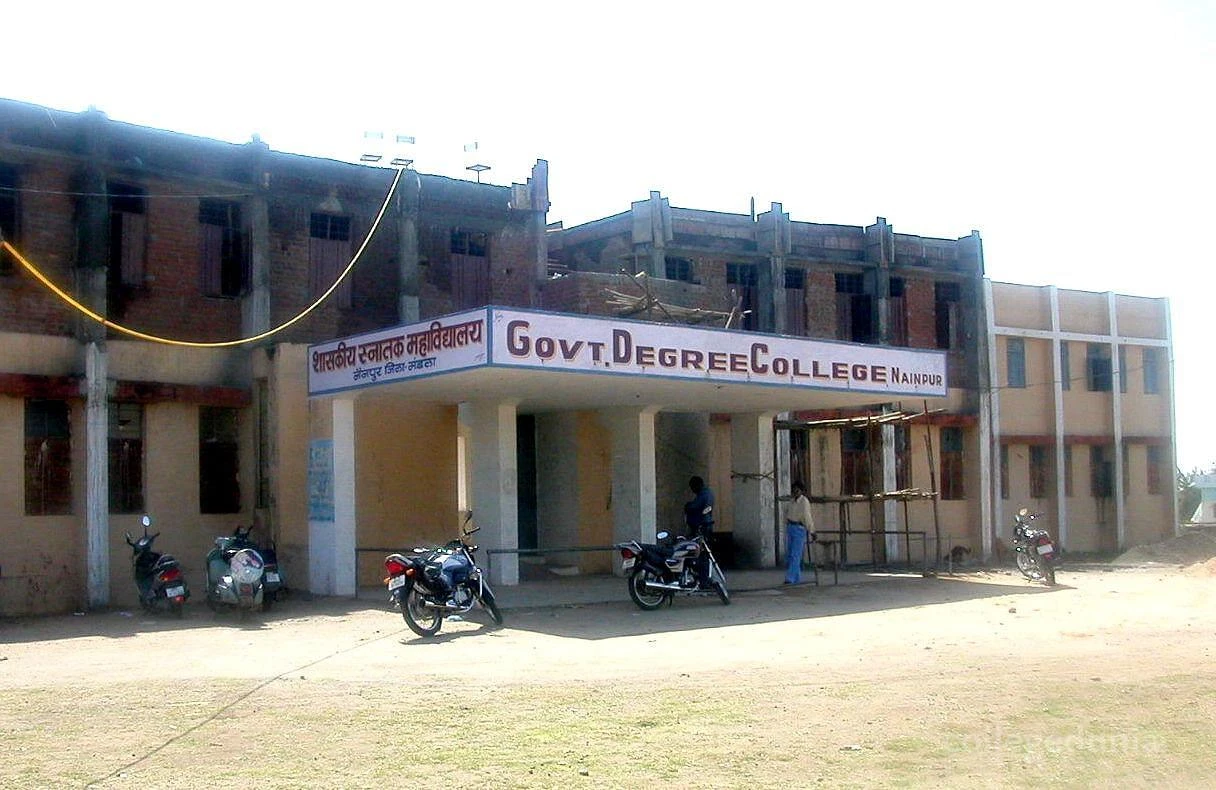
 Sports Complex
 Study Library