Loading Admission Guardian content
Loading Admission Guardian content

Find a program, read its fee details and explore the admission requirements.
Summary of the programs shown below. Fee periods can differ by program. Check the note beside each amount before comparing costs.
| Course | Stream | Fees |
|---|---|---|
| M.B.B.S. | Medical | 665000 |
| Master of Surgery [MS] (General Surgery) | Medical | 2300000 |
| Doctorate of Medicine [MD] | Medical | 2500000 |
| Master of Surgery [MS] | Medical | 3000000 |
| Diploma in Medical Laboratory Technology [DMLT] | Medical |
All accepted exams
Eligibility: 10+2 with 50% + NEET
Specializations
All accepted exams
Eligibility: Graduation
Specializations
All accepted exams
Eligibility: Graduation
Specializations
All accepted exams
Eligibility: Graduation
Specializations
3 exams with cutoff data available
Getting into a medical college is one thing. Finding one that offers a modern campus, a high-volume government hospital for clinical training, and a structured, supportive environment is another. That's the niche Gujarat Adani Institute of Medical Sciences (GAIMS) in Bhuj has carved out since 2009. Operating under a unique Public-Private Partnership (PPP) between the Gujarat government and the Adani Foundation, GAIMS provides a blend of private-sector infrastructure and public-hospital exposure. It’s not the oldest name in Gujarat medical education, but its focus on student-centric initiatives and a 750+ bed teaching hospital makes it a serious contender for students who clear NEET-UG.
GAIMS is, at its core, a medical college. Its academic portfolio is focused and deep, built around the MBBS program and a growing suite of postgraduate specialties. The undergraduate offering is singular: the 5.5-year MBBS degree, including a compulsory rotating internship, with 150 seats filled annually through NEET-UG. That’s a decently large batch size, which feeds into the high patient turnover at the attached hospital.
The postgraduate landscape is where the institute is expanding. It’s now permitted by the NMC to offer 17 different MD/MS programs with a total of 94 seats. That’s a significant increase from earlier numbers and signals institutional growth. Specializations cover core clinical fields, though the specific list is best checked on the official GAIMS website for the latest NMC approvals.
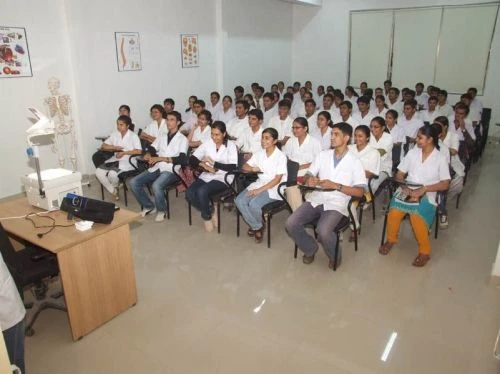
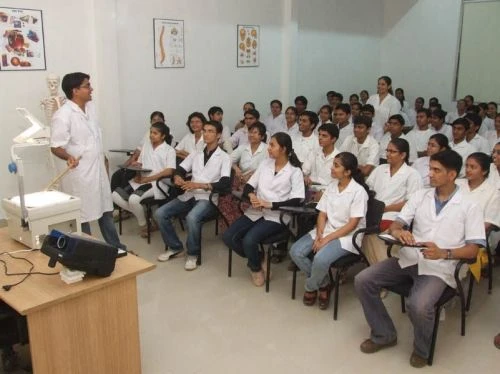
Academically, the setup is modern. You’ll find centrally air-conditioned, gallery-style lecture halls kitted out with AV systems. But the real classroom is the G.K. General Hospital. With over 790 beds, 14 operation theatres, and a full suite of intensive care units, it provides the raw clinical material. A 1.5 Tesla MRI and a 128-slice CT scan in the radiology department mean students are training on contemporary equipment. The patient inflow, typical of a government district hospital in a region like Kachchh, is consistently high—this is the college's strongest academic selling point.
Faculty are generally described as helpful and experienced. The administration has also rolled out several structured initiatives beyond the standard curriculum. The ‘GAIMS Gharanas’ mentorship system, skill-upgradation programs (SUYOG), and dedicated mental wellbeing ‘Happy Hours’ show a conscious effort toward student development. They’ve even won a national award for it. An older review mentioned faculty shortages in some departments, but that seems to be a dated concern given the recent PG seat expansion.
Let’s be clear: medical colleges don’t have ‘placements’ in the engineering sense. There’s no campus recruitment day with package announcements. The career trajectory is different, and GAIMS prepares students for the standard medical pathways.
The compulsory internship is the first major step. At GAIMS, interns work as medical staff within the G.K. General Hospital and receive a stipend of about INR 18,000 per month. Given the hospital’s workload, this year is considered highly valuable for hands-on learning. After that, paths diverge. A significant number of graduates immediately prepare for NEET-PG or other entrance exams like INI-CET, USMLE, or FMGE to specialize further. Others take up government postings in Gujarat, often fulfilling rural service bonds. Some join private hospitals or assist in established clinics.
Student reviews on portals like CollegeDunia give the ‘Placement’ category a rating of 4.3 out of 5. That rating reflects satisfaction with the foundational training and the opportunities it unlocks, not a corporate placement percentage. The institute’s strength is in providing the clinical grounding and environment (like that 24/7 library) that supports the next competitive step, be it PG entrance or starting practice.
The fee structure at GAIMS has distinct tiers, a direct result of its PPP model and seat quotas. For the MBBS program (2025-2026), students admitted under the Government Quota can expect annual tuition fees in the range of INR 6.65 to 9.74 lakhs. A student enrolled in 2023 confirmed paying INR 6.65 lakhs. For those entering via the Management Quota, the fee jumps to between INR 17.9 and 20.78 lakhs per year. NRI/OCI candidates have fees set in USD, typically between 30,000 annually.
Hostel and mess fees are additional and mandatory for resident students. For MBBS boys, it’s approximately INR 95,000 to 1 lakh per year. For girls in the G Block hostel, it’s around INR 44,500 per year. These fees are inclusive of mess charges, which cover four meals a day. Add in one-time charges like a refundable hostel security deposit (INR 20,000 for UGs) and university exam fees, and the total cost for the 4.5-year academic period (excluding the internship year with a stipend) for a government seat student lands around INR 34-35 lakhs.
Financial aid is available. Eligible students from Gujarat can apply for the state’s Mukhyamantri Yuva Swavalamban Yojana (MYSY) scholarship. Students belonging to SC and ST categories can avail a Freeship card, where the government covers their tuition fees.
NEET is the only gatekeeper. Admission to the MBBS program is 100% based on the candidate’s score and rank in the National Eligibility cum Entrance Test (NEET-UG). The same goes for MD/MS programs via NEET-PG.
The seat allocation follows the national framework. For MBBS, 85% of the 150 seats are filled through the Gujarat state quota counseling conducted by ACPUGMEC. The remaining 15% are allocated via the All India Quota (AIQ) counseling managed by the Medical Counseling Committee (MCC). You must participate in the respective counseling rounds for the quota you are eligible for. Cutoffs fluctuate every year based on exam difficulty and applicant pool. One student mentioned an ST category cutoff rank around 260 for their admission year, but that’s just a single data point. You need to check the closing ranks for the latest counseling round to gauge your chances.
For the Management and NRI quotas, the process involves direct application and document verification with the counseling authority and the institute, including a non-refundable processing fee.
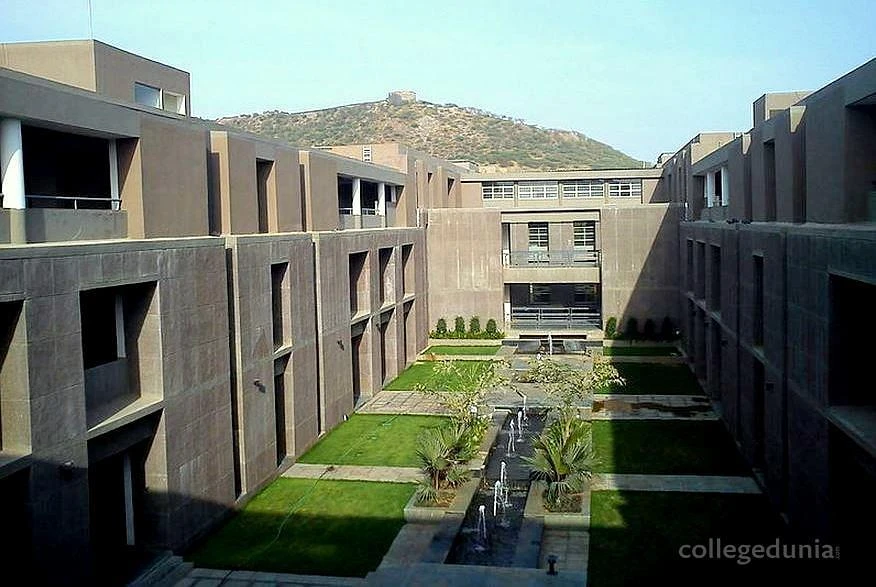
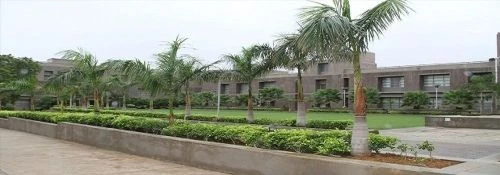
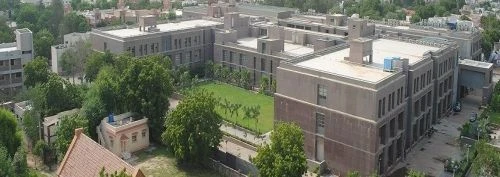
The campus, spanning about 28 acres in the middle of Bhuj city, wins consistent praise. It’s modern, clean, and aesthetically pleasing. Infrastructure is a strong suit: a massive three-floor, 24/7 library with over 14,000 books, well-equipped labs, a large auditorium, and an open-air theater. The campus is Wi-Fi enabled, though an older review noted it didn’t reach hostels.
Hostel life gets mixed reviews. On the positive side, rooms are described as very clean and well-maintained, with basic furniture and attached bathrooms. The environment is peaceful, and anti-ragging rules are strictly enforced. The downsides are recurring. Triple-sharing rooms, especially for freshers, are often called very small. Amenities are basic—ACs, fridges, or heaters require special permission and extra charges. And then there’s the mess food. This is the most common grievance. Students find it bland, monotonous, and not particularly tasty, which drives many to eat at the campus canteen or outside.
Social life, however, is vibrant. The annual fest AURA is a major highlight. The college celebrates festivals like Holi and Navratri with enthusiasm, and sports weeks are held twice a year with facilities for cricket, football, volleyball, badminton, and a gym. It’s a structured, active campus culture.
Sifting through student feedback paints a reliable picture of lived experience. The consensus is clear on the strengths.
What students love: The campus and infrastructure are top-tier. “It is not the biggest but surely is one of the nicest,” as one put it. The faculty are widely regarded as helpful and dedicated teachers. The clinical exposure through G.K. Hospital is considered excellent, with the internship year singled out as immensely valuable. The library is a beloved resource.
What students critique: The mess food is the universal pain point. Reviews call it “bland,” “boring,” and “of repeating nature.” Hostel room size for three occupants is frequently cited as cramped. Some note occasional issues with water quality in the hostels. A few mention strict campus timings (closing at 10 PM, though the library is open later).
The management is seen as strict, particularly on safety and anti-ragging, which is generally appreciated. The overall atmosphere is described as supportive and conducive to studying, with enough social activities to prevent burnout.
GAIMS presents a compelling, modern option for medical education in Gujarat. Its greatest asset is the direct, high-volume clinical training at a well-equipped government hospital—a combination that’s hard to beat for practical learning. The campus infrastructure and student support initiatives are genuinely impressive and above what many older government colleges offer.
But it comes at a cost. The fees for a government seat, while lower than pure private colleges, are still substantial. You’re paying for that PPP-model infrastructure. You also have to be okay with the trade-offs of hostel life, primarily the food and potentially cramped quarters.
So, who is it best for? Students who secure a government quota seat at a reasonable NEET rank and who prioritize a structured, modern academic environment with strong clinical foundations. It’s an excellent launchpad for those aiming to crack NEET-PG or start a practice with solid hands-on experience. Who might look elsewhere? Those extremely sensitive to hostel living conditions or seeking the brand name of a decades-old government institute. For the right student, GAIMS offers a very balanced and forward-looking medical education.
In this preview: 5 photos · 0 videos
Prospective students and their families commonly search for the detailed fee structure for the MBBS program and associated hostel costs at GAIMS Kachchh to plan their educational budget.
Aspiring medical students frequently inquire about the NEET UG cutoff scores or ranks required for securing an MBBS seat at Gujarat Adani Institute of Medical Sciences, Kachchh, as it is a primary admission criterion.
Students often seek detailed information on the quality of hostel accommodation, room amenities, and the standard of mess food provided at the GAIMS Kachchh campus before making a decision.
Many prospective students are interested in understanding the extracurricular environment, including the vibrancy of campus fests, student clubs, and the overall social atmosphere at GAIMS Kachchh.
This is a fundamental question for candidates evaluating their options, as they seek an overall assessment of the institute's reputation, quality of education, and value for pursuing an MBBS degree.
Share what future students should know about GAIMS.
Student voices are not rewritten by colleges. We remove spam and abuse.
Wider admission question? Community PulseWhat should future students know?
Tell us which course you're considering. We'll help you work out the next step.
Get instant Partner access after mobile verification. Your public edits are reviewed before they go live.
Claim this college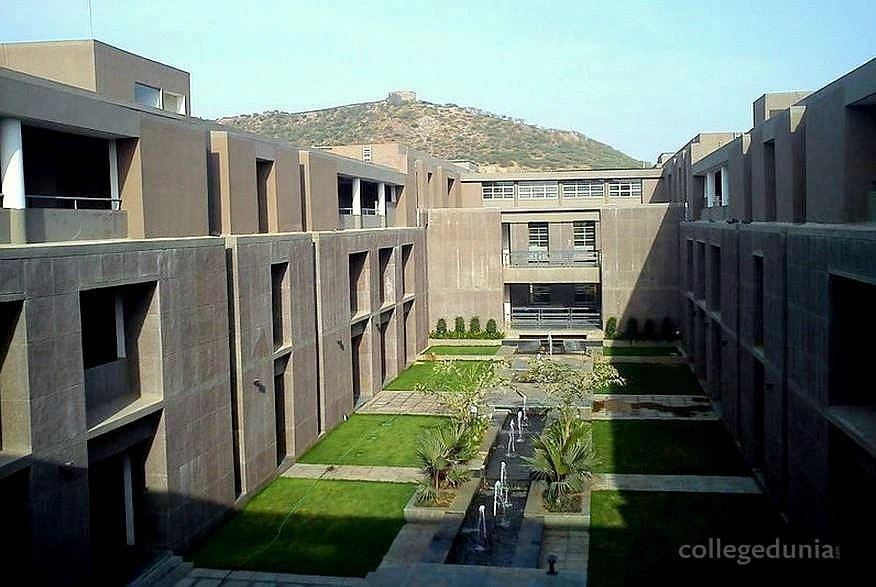
 Auditorium
 Cafeteria
 Campus Wi-Fi
 Computer Labs
 Hostel
 Medical
 Science Labs
 Smart Classrooms
 Study Library