Loading Admission Guardian content
Loading Admission Guardian content

Selected ranking categories, with the recorded year beside each result. Open all records for the complete history.
5 published records · Lower numeric ranks are stronger
India Today
Engineering · private
#2182023
Find a program, read its fee details and explore the admission requirements.
Summary of the programs shown below. Fee periods can differ by program. Check the note beside each amount before comparing costs.
| Course | Stream | Fees |
|---|---|---|
| Master of Business Administration [MBA] | Management | 79390 |
| Bachelor of Engineering [BE] | Engineering | 81000 |
| Master of Technology [M.Tech] | Engineering | 90000 |
Specializations
All accepted exams
Eligibility: Graduation with 50% + KMAT
Specializations
Eligibility: 10+2 with 45% + KCET
Specializations
All accepted exams
Eligibility: Graduation with 50% + Karnataka PGCET
2 exams with cutoff data available - showing recent entries
 Grasim Industries Limited
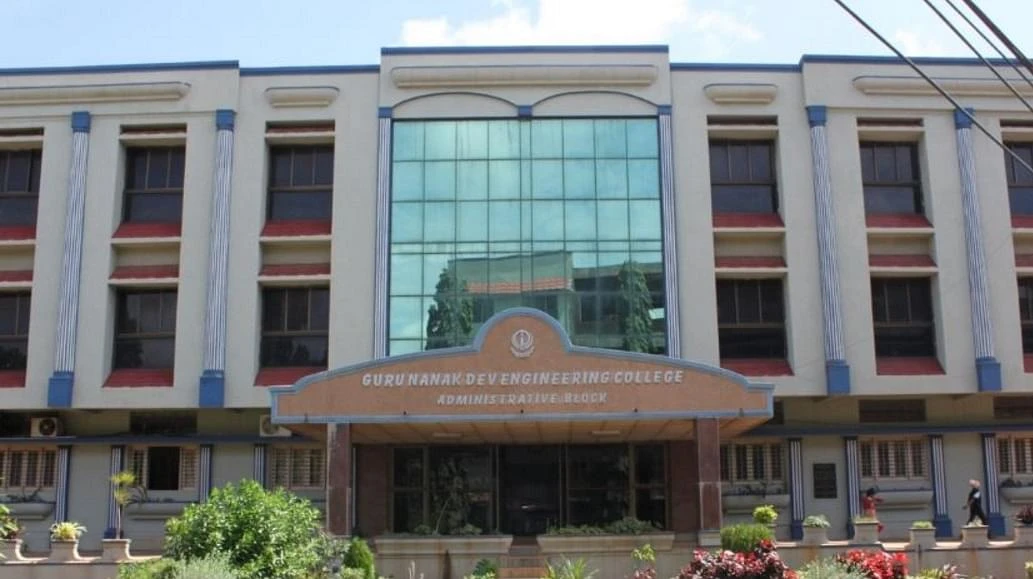
Guru Nanak Dev Engineering College in Bidar is a study in contrasts. It’s a private, minority institution with a sprawling 26-acre campus and an A+ NAAC grade, yet it’s located in a quiet, remote corner of North Karnataka. For students from the region, it’s often the top choice—a disciplined, safe, and affordable engineering college. For those dreaming of Bangalore’ startup scene, the reality of Bidar’s pace can be a shock. The placement story is similar: the official average package sits at 4.5 LPA, but dig into student reviews and you’ll find a more nuanced picture, especially if you’re not in Computer Science.
The academic structure is dictated by its affiliating university, VTU. That means the Choice Based Credit System (CBCS) calendar is king, with semesters running from August to December and February to June. The faculty roster of about 168 includes 34 PhD holders, with another 26 pursuing doctorates. It’s a decent ratio for a college of this size. Teaching tends to follow a traditional lecture-and-lab model, which is pretty standard across VTU colleges. Where GNDEC has adapted is in its program offerings. Alongside the classic B.E. streams like Civil and Mechanical, you’ll find newer, in-demand specializations. The intake numbers tell the story: CSE leads with 180 seats, followed by ECE at 120. The newer branches—AI & ML, Data Science, IoT & Cyber Security—each have 60 seats, reflecting where student demand and placement opportunities are headed. For postgraduates, there are M.Tech programs in CSE and Digital Communication, plus MBA and MCA courses.
This is where you need to read between the lines. The college’s official NIRF 2024 data reports a median package of 4.0 LPA. The average package cited in recent reports is 4.5 LPA. The highest package claimed for 2024-25 is 8.5 LPA for ISE, with an unverified 10 LPA mentioned for off-campus roles. Those are the numbers. The reality, as pieced together from student reviews on platforms like Shiksha and CollegeDunia, is a bit more stratified. For CSE and ISE students, placement rates are a respectable 80-85%, but the bulk of offers cluster in the 3.5 to 4.5 LPA range from IT service giants. TCS, Wipro, Infosys, Capgemini, and Cognizant are the regular visitors. The gap between the official "highest" and what the average student gets is notable. For core branches, the picture changes dramatically. Mechanical engineering sees a high placement percentage (~90%), often through tie-ups with core companies like JBM Group. Civil engineering, however, has the lowest placement rate at around 20%, pushing many students toward IT roles or government exam preparation. The college has a tie-up with Seventh Sense Talent Solutions for training, which helps. But the location in Bidar is a genuine hurdle for attracting a wider array of recruiters, especially product-based companies. You’ll have to be proactive.
Affordability is one of GNDEC’s strongest suits, particularly for Karnataka residents. If you come in through the KCET quota, you’re looking at annual tuition fees between ₹96,000 and ₹1,05,000. Over four years, the total cost, including university fees, lands in the ₹4.5 to ₹5.5 lakh range. That’s incredibly reasonable for a private engineering college with an A+ grade. The management quota is a different story, with fees ranging from ₹1.5 to ₹2.5 lakh per year, with CSE at the top end. Hostel and mess fees add another ₹60,000 to ₹75,000 annually. The college offers several scholarships: a ₹20,000/year Minority Scholarship from the Govt of India, full fee reimbursement for eligible Karnataka SC/ST/OBC students, and a merit scholarship of ₹25,000 per year for those who scored 80% or above in their 12th standard.
For B.E. programs, the primary gateway is the Karnataka Common Entrance Test (KCET). COMEDK scores are also accepted. The selection is purely merit-based through the centralized counseling conducted by the Karnataka Examination Authority (KEA) for KCET or the COMEDK consortium. The 2024 cutoff ranks give a clear picture of demand. For the General category in Round 1, CSE closed between ranks 42,000 and 55,000. The newer AI & ML branch saw cutoffs between 53,000 and 70,000. ECE ranged from 65,000 to 85,000. For Civil and Mechanical Engineering, cutoffs were much higher, above 1,50,000. The application window for entrance exams typically opens in January, with counseling stretching from June to August. For MBA and MCA, admissions are through Karnataka PGCET or KMAT.
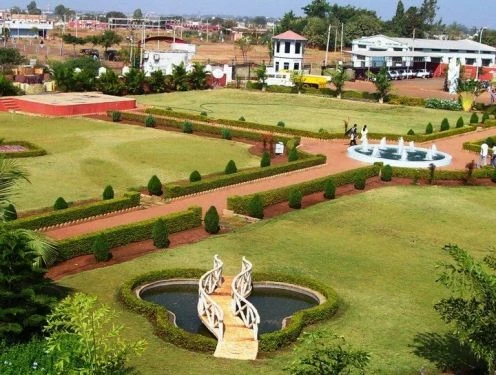
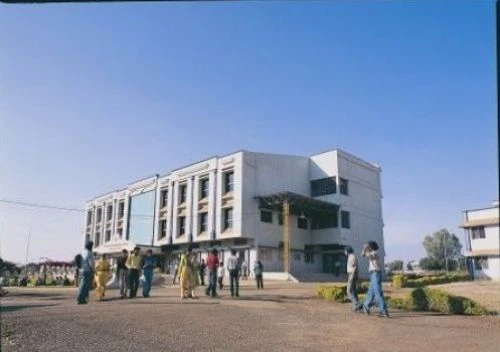
The 26-acre campus is consistently praised for being green, clean, and plastic-free. It’s a peaceful place to study. The infrastructure, however, gets mixed reviews. The library is well-stocked with over 55,000 volumes, and there’s campus-wide Wi-Fi, though students say the speed is just average. Some labs and buildings are described as dated. The hostel situation is unique. The boys' hostel, with a capacity for 640, is on campus. The girls' hostel is located within the highly secure Gurudwara Sri Nanak Jhira Saheb complex, a feature that contributes massively to the college’s reputation for safety. Discipline is a hallmark here—attendance requirements are strict (75-85%), and there are gate timings. The mess is strictly vegetarian. For recreation, there’s a large ground for cricket and football, along with tennis and basketball courts, and a gym. The association with the historic Nanak Jhira Sahib Gurudwara provides a distinct spiritual and disciplined atmosphere that defines much of the campus culture.
The consensus from review platforms is clear, and it splits along a few key lines. Positives: Safety and discipline are the top praises, especially from female students and their parents. The faculty is generally seen as approachable and supportive. The cost of education and living in Bidar is a major relief compared to metro cities. The campus environment is considered conducive for focused study. Negatives: The remote location of Bidar is the most common gripe. It limits exposure, internship opportunities, and the frequency of high-profile company visits. There’s skepticism about placement claims, with many alumni stating the real average for most is closer to the 3.5-4 LPA mark. Some infrastructure is perceived as old. The strict rules and the quiet town life can feel restrictive to some. As one paraphrased review put it: “If you are a local student from North Karnataka, this is the best choice. If you are from Bangalore, you will find the city life very dull.”
GNDEC Bidar is a solid, no-frills engineering college that serves a specific audience very well. It’s an excellent, value-for-money option for students from North Karnataka and surrounding regions who secure a seat through KCET. The A+ NAAC grade, disciplined environment, and strong track record in CSE placements within the IT services sector make it a pragmatic choice. However, if your priority is vibrant city life, proximity to a tech hub, or cutting-edge campus infrastructure, you’ll likely be disappointed. Students in core branches like Civil should be prepared to network aggressively for opportunities. Ultimately, its worth is highly contextual. For a cost-conscious student seeking a safe, focused engineering education with decent IT placement outcomes, GNDEC Bidar is a compelling pick. For those with different priorities, it might feel too far off the beaten path.


In this preview: 5 photos · 0 videos
Yes, the Computer Science and Engineering (CSE) department is considered the strongest at GNDEC Bidar. It has the highest student intake of 180 and boasts the best placement record, with approximately 80% of students securing jobs.
Guru Nanak Dev Engineering College (GNDEC) Bidar and GNDEC Ludhiana are entirely separate institutions. GNDEC Bidar is located in Karnataka and is affiliated with Visvesvaraya Technological University (VTU), while GNDEC Ludhiana is located in Punjab.
Placement opportunities for core branches like Mechanical and Civil Engineering are generally lower compared to CSE. Many students from these branches eventually pivot to IT sector roles or prepare for government service examinations.
No, staying in the college hostel is not mandatory. However, it is highly recommended for students who are not from the local area, as the college is situated at a significant distance from the main city center of Bidar.
The management quota fee for the Computer Science and Engineering (CSE) program typically ranges from ₹1.5 Lakh to ₹2.5 Lakh per academic year. The exact fee can vary depending on the annual demand for seats.
Share what future students should know about GNDEC.
Student voices are not rewritten by colleges. We remove spam and abuse.
Wider admission question? Community PulseWhat should future students know?
Tell us which course you're considering. We'll help you work out the next step.
Get instant Partner access after mobile verification. Your public edits are reviewed before they go live.
Claim this college
 Auditorium
 Cafeteria
 Computer Labs
 Gym
Gym Hostel
 Medical
 Science Labs
 Sports Complex
 Study Library