Loading Admission Guardian content
Loading Admission Guardian content
Provisional score based on available data. It may change as more information is verified.
Find a program, read its fee details and explore the admission requirements.
Summary of the programs shown below. First-year fee. Check the note beside each amount for inclusions and exclusions.
| Course | Stream | Fees |
|---|---|---|
| Bachelor of Technology [B.Tech] (Marine Engineering) | Engineering | 350000 |
| Bachelor of Science [B.Sc] (Nautical Science) | Science | 350000 |
| Graduate Marine Engineering | Engineering | 365000 |
| Marine Electro Technical Officer | Engineering | |
| Certificate Course in General Purpose Rating | Science |
Specializations
All accepted exams
Eligibility: 10+2
Specializations
All accepted exams
Eligibility: 10+2
Eligibility: 10+2
Eligibility: 10+2
Specializations
Eligibility: 10+2
 ABS Marine Service Pvt. Ltd.
 Fleet Management
 MOL
MOL Ocean Sparkle Ltd.
 PIL
PIL Sanmar Group
 Shipping Corporation of India Ltd
 Torm
TormIf you're looking at a career at sea, Hindustan Institute of Maritime Training (HIMT College) in Chennai is one of the first names you'll hear. Established in 1998 and affiliated with the Indian Maritime University (IMU), it’s built a reputation as a major private training ground for merchant navy officers. The numbers tell part of the story: over 75 approved courses, a faculty of 100+ ex-seafarers, and a sprawling 12-acre campus with a full-scale ship replica for training. But the real draw is the industry network. With approvals from the Directorate General of Shipping (DG Shipping), the UK Maritime and Coastguard Agency, and a stack of top-tier certifications, HIMT’s programs are designed to get you job-ready for a global industry. It’s a place where the curriculum is dictated by international maritime conventions, not just a university syllabus, and where placement talks start on day one.
HIMT isn't a typical engineering college. Its entire academic structure is built around maritime certifications mandated by the DG Shipping and international bodies. The undergraduate programs—the 4-year B.Tech in Marine Engineering and the 3-year B.Sc. in Nautical Science—are the main pathways, each with an intake of 60 students. But the college's real strength lies in its postgraduate diploma and certificate courses, which are often where career-changers or engineering graduates fast-track into the merchant navy. The one-year Diploma in Nautical Science (DNS) has 120 seats and is a popular route for graduates, while the Graduate Marine Engineering (GME) and Electro-Technical Officer (ETO) courses are critical for specialized engineering roles.
The academic rhythm is intense and practical. The curriculum is covered in two semesters with exams every month, a pace that mirrors the demanding nature of shipboard life. You won't find electives here in the traditional sense; the specialization is the course itself. What you do get is exceptional hands-on training. The "Ship-In-Campus," a full-scale replica, is a standout feature for engine room and deck familiarization. Then there are the simulators: a 270-degree ship handling simulator, full mission engine room simulators, and even Virtual Reality (VR) labs to practice emergency scenarios. It’s gear you’d expect at a national academy, not always at a private institute.
The faculty are almost exclusively ex-seafarers—master mariners and chief engineers who’ve lived the life they’re teaching. That practical expertise is invaluable. The college also lists a deep bench of industry tie-ups with major ship managers like Wilhelmsen, V Ships, NYK, and Anglo-Eastern, which feed directly into placement and training opportunities. You can view the full list of programs on the HIMT official website.
Placement is the central promise at HIMT, and the data presents a nuanced picture. The college officially states a placement rate consistently between 85% and 95%, even hitting 90-100% for eligible students—meaning those without backlogs and who maintain discipline. Student reviews largely back this up for the core programs, citing figures like 90% for a recent B.Sc. batch and over 95% for those without arrears. Sponsored batches reportedly see 100% placement. It’s a system that clearly rewards academic and behavioral performance.
The salary story requires context. The reported average package is around ₹4-4.1 Lakhs Per Annum (LPA), with a median of ₹5 LPA. You might see a highest package quoted at ₹8.2 LPA or even ₹12-13 LPA. But these figures can be misleading for a maritime career. Starting salaries for cadets are typically quoted in US dollars, ranging from 600 per month (roughly ₹3.7-6 LPA at current rates). That’s the training phase. The real financial progression comes after you clear your competency exams (like 4th Engineer or 2nd Officer). Salaries then jump to ₹1.5-2.5 LPA, and with experience and higher certifications (Chief Engineer or Master), can reach up to ₹15 LPA or more. So, the initial "package" is low, but the career trajectory is steep.
The recruiter list is undeniably impressive and global. It reads like a who’s who of shipping: Maersk, MSC, Bernhard Schulte Shipmanagement (BSM), Synergy Group, Fleet Management, and many of their industry partners like Wilhelmsen and V Ships. Placement isn’t just about the merchant navy, either. The college notes opportunities in shipyards, port trusts, the offshore oil & gas industry, and even hotel management for catering graduates.
Maritime training is a significant investment. For the flagship B.Tech and B.Sc. programs, annual tuition hovers around ₹3.5 lakhs. Over four years, the total course fee range is broad—anywhere from ₹9 to ₹13 lakhs. That’s before living costs. Hostel and mess fees add another ₹67,000 to ₹1 lakh per year. So, a full four-year cost can easily push toward ₹15-17 lakhs total.
HIMT does offer a wide array of scholarships to offset this, which is a strong point. The merit-based discounts are straightforward: up to ₹50,000 for high scorers in 12th (PCM >90%) or top 500 IMU CET ranks. There’s a notable 100% tuition fee waiver for the national topper in Plus Two exams. They also actively encourage women into the industry with a ₹25,000 fee waiver plus an additional ₹1 lakh discount from the Maritime Training Trust. Other special categories include a 50% fee discount for children of martyred armed forces personnel and subsidized GP Rating courses for Lakshadweep natives. Sports scholarships and loyalty discounts for alumni or students taking multiple courses are also available. Educational loan assistance is typically provided.
Admission is primarily entrance-based. For the undergraduate B.Tech and B.Sc. programs, the key is the IMU CET (Indian Maritime University Common Entrance Test). Eligibility requires 60% in 10+2 with Physics, Chemistry, and Mathematics, and at least 50% in English. The selection is based on your IMU CET rank, followed by counseling, a medical fitness test, and a personal interview. There’s no publicly disclosed "cutoff" rank for HIMT, as it varies each year based on applicant pool and seats, but a rank within the first few thousand is generally competitive.
For the diploma courses like DNS and GME, you need a relevant prior degree (B.Sc./B.Tech for GME, any graduation for DNS) and you must appear for the IMU CET or meet other DG Shipping criteria. Some programs may have their own screening. The process is rigorous, with the medical fitness standards being particularly strict—a fact any aspiring cadet needs to take seriously.
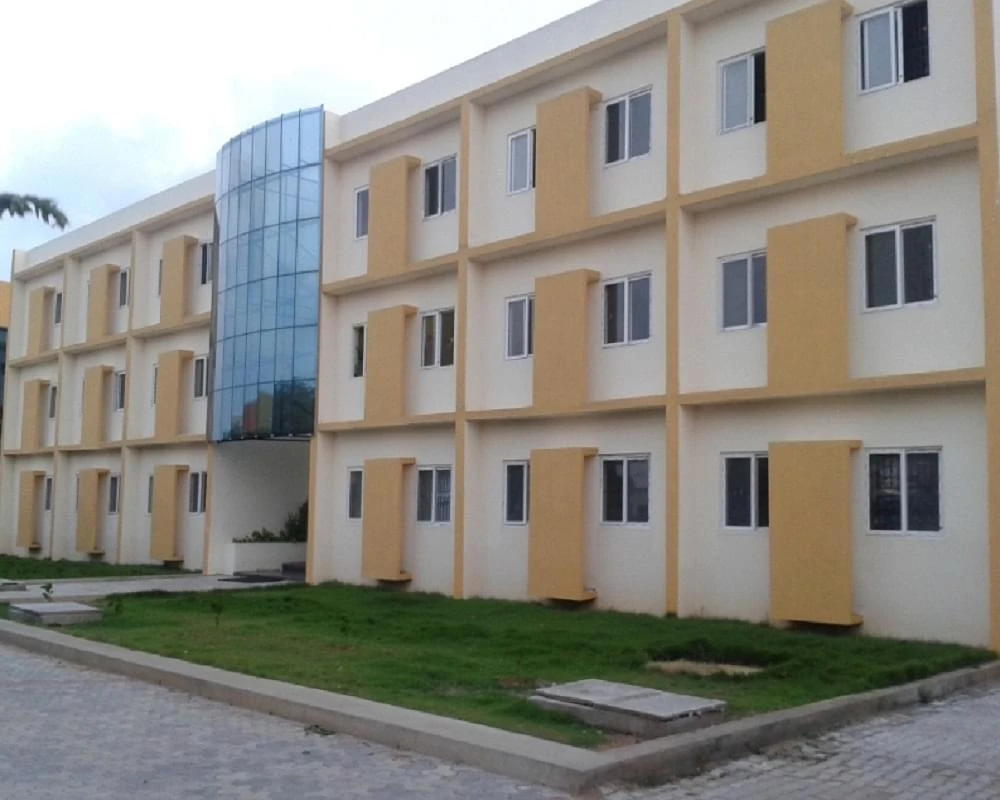
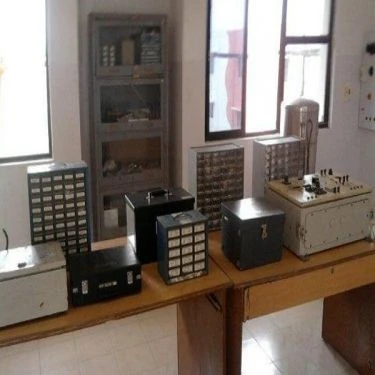
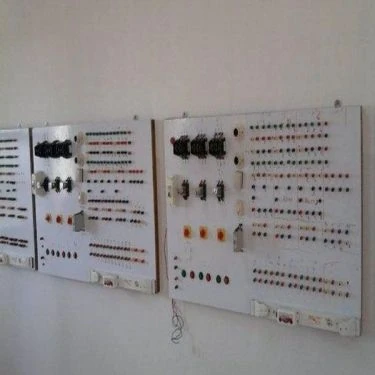
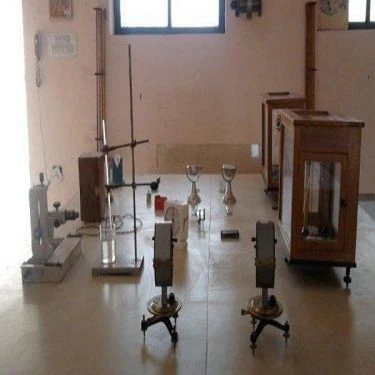
The main campus in Kilpauk, Chennai, is a 12-acre facility. Its location is practical: about 3 km from Egmore station and 5 km from Chennai Harbor, which is useful for port visits and training. The Kalpakkam campus is the dedicated pre-sea training base. Infrastructure is heavily geared towards professional training. Beyond the ship replica and simulators, you’ll find workshops, labs for welding, refrigeration, and fluid mechanics, and a modern library with maritime publications.
Hostel life is mandatory for residential programs and is described as disciplined, reflecting the naval environment. Rooms are typically shared, and the mess provides vegetarian and non-vegetarian food. It’s not a typical "college" social scene. There are sports facilities and some cultural events, but the focus is overwhelmingly on regimented routine, physical training, and academic preparation. Think of it more as a training academy than a liberal arts campus. That’s a pro for career focus, a con if you’re looking for a conventional college experience.
Scouring forums and review sites, a consistent picture emerges. The overwhelming positive is the placement support and industry reputation. Most students agree that if you are focused, keep a clean academic record, and are medically fit, HIMT will very likely get you a job interview with a major company. The faculty’s real-world experience is repeatedly praised.
The common criticisms revolve around cost and administration. The fees are considered high by many, and some reviews mention additional, unexpected charges cropping up. The administrative style is often described as rigid and top-down, which can be frustrating. Another point students make is that while placement assistance is strong, the actual starting salary as a cadet is modest, and the high-pressure environment isn’t for everyone. The infrastructure, while good for training, isn’t luxurious. It’s a trade-off students consciously make for the career outcome.
HIMT College is a very specific institution for a very specific career. It’s not a generic choice. If you are absolutely certain about a life at sea and a career in the merchant navy, HIMT is a legitimate and well-regarded pathway. Its strengths are undeniable: DG Shipping approvals, exceptional practical training facilities, an experienced faculty, and a powerful industry network that delivers on placements for committed students. The scholarship options help, but the total investment remains high.
Who should go for it? Students with strong physics and math backgrounds, high physical fitness, a tolerance for disciplined living, and a clear understanding that the first few years are tough training with modest pay. Who should look elsewhere? Anyone unsure about the maritime life, those seeking a typical campus college experience with diverse social activities, or students sensitive to high costs without immediate high returns. For the right candidate, HIMT isn’t just a college; it’s a launchpad into a global profession.


In this preview: 5 photos · 0 videos
The reported average placement package for cadets from HIMT College is around ₹4 to ₹4.1 LPA. It's important to understand that starting salaries in the merchant navy are often quoted in US dollars for the cadetship phase, typically ranging from 600 per month. Significant salary increases come after obtaining officer-level certifications (like 4th Engineer), with potential to reach up to ₹15 LPA for chief engineers.
The annual tuition fee for the B.Tech Marine Engineering program at HIMT College is approximately ₹3,50,000. The total course fee for the four-year program ranges between ₹9,00,000 and ₹13,00,000. Additional hostel and mess charges range from ₹67,000 to ₹1,00,000 per year.
HIMT College reports a consistent placement rate between 85% and 95%, with eligible students (those without backlogs) seeing rates of 90-100%. Student reviews often corroborate high placement for core programs. The college has a strong recruiter network including global giants like Maersk, MSC, Bernhard Schulte Shipmanagement (BSM), Synergy Group, Wilhelmsen, and Anglo-Eastern.
Admission to HIMT's undergraduate programs (B.Tech Marine Engineering, B.Sc. Nautical Science) is primarily based on the IMU CET (Indian Maritime University Common Entrance Test) rank. The process involves meeting the eligibility criteria (60% in 10+2 with PCM), appearing for IMU CET, participating in counseling, and clearing a mandatory medical fitness test and personal interview.
Yes, HIMT College offers a variety of scholarships. These include merit-based scholarships (up to ₹50,000 for high 12th scores or top IMU CET ranks), a special scholarship for girl candidates (₹25,000 fee waiver + additional discount), a 50% fee waiver for children of martyred armed forces personnel, sports scholarships, and loyalty discounts for alumni.
Share what future students should know about HIMT College.
Student voices are not rewritten by colleges. We remove spam and abuse.
Wider admission question? Community PulseWhat should future students know?
Tell us which course you're considering. We'll help you work out the next step.
Get instant Partner access after mobile verification. Your public edits are reviewed before they go live.
Claim this college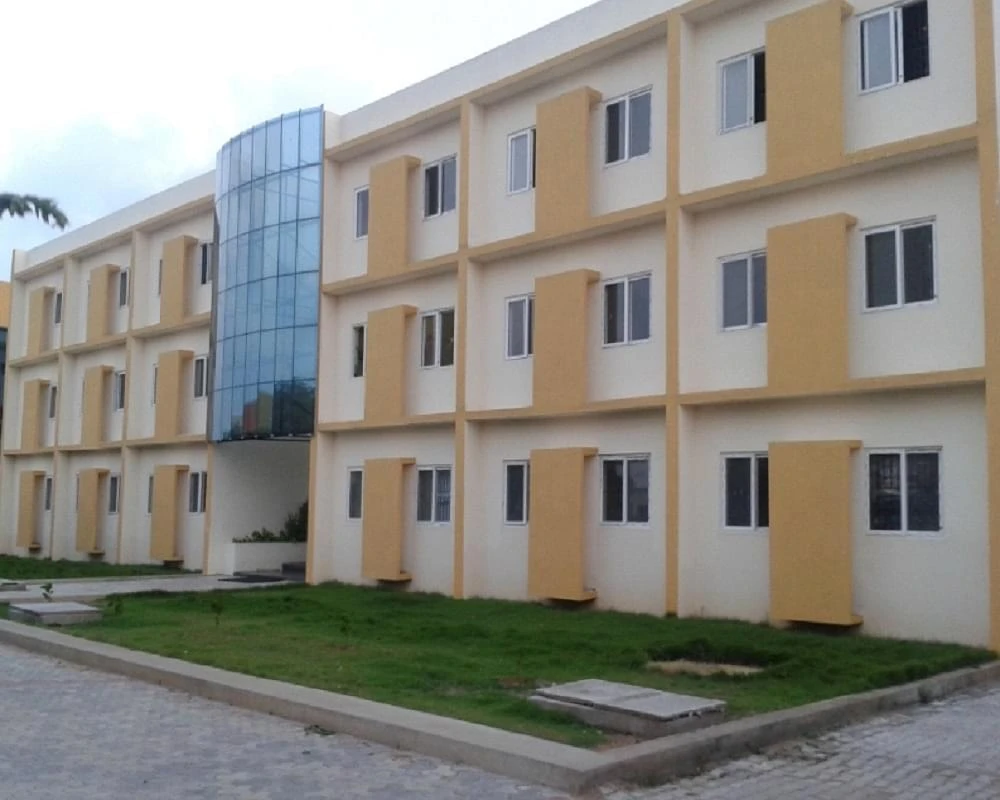
 Auditorium
 Cafeteria
 Campus Shuttle
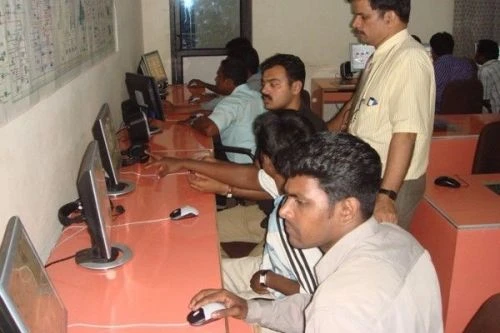
 Computer Labs
 Hostel
 Medical
 Science Labs
 Sports Complex
 Study Library