

The latest verified route is the 2026-27 cycle
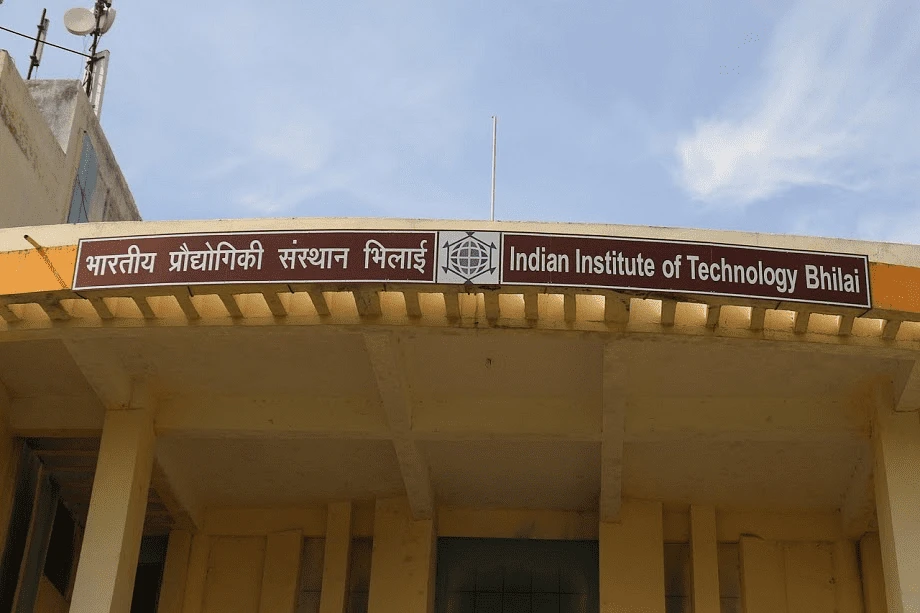
For IIT Bhilai’s undergraduate B.Tech seats, the verified route in the official 2026 cycle is JEE (Advanced) followed by JoSAA choice filling and allotment. JoSAA identifies 2026 as the counselling cycle for academic year 2026-27 and lists JEE (Advanced) 2026 as the qualifying examination for IITs. IIT Bhilai appears by its full institute name in the saved official JoSAA 2026 Round 5 table, alongside its seven four-year B.Tech programmes. These are cycle-specific sources: they describe the 2026-27 route, not a confirmed 2027-28 application schedule.
For a later intake, do not reuse an old registration or reporting date. The institute’s admissions page and the JEE Advanced and JoSAA portals remain the responsible places to check new notices. The current evidence does not establish a 2027-28 JEE Advanced eligibility notice or a Bhilai-specific application deadline. Applicants planning ahead can use the 2026 rules below to understand the sequence, then recheck the actual notice for their cycle before acting.
Check JEE Advanced eligibility before planning choices
For Indian nationals and OCI/PIO candidates in the Indian category, the JEE (Advanced) 2026 authority requires all five stated criteria to be met together. The first is performance in JEE (Main) 2026: candidates had to be among the top 2,50,000 successful candidates in the B.E./B.Tech paper, including all categories. The published category distribution and its tie rule matter; this was a national shortlisting criterion, not an IIT Bhilai seat cutoff.
The same 2026 eligibility page specifies an age condition, a maximum of two attempts in two consecutive years, and the first Class XII appearance window. For that edition, the usual birth-date threshold was 1 October 2001 or later, with a five-year relaxation for SC, ST and PwD candidates. The Class XII examination had to be first taken in 2025 or 2026 with Physics, Chemistry and Mathematics as compulsory subjects, subject to the authority’s stated exception for certain boards that declared 2023-24 results on or after 18 June 2024. Prior IIT admission can also affect eligibility: the brochure distinguishes candidates who joined an IIT from those who did not report, withdrew before the last allotment round, or had a seat cancelled before that round. Read the complete current criteria rather than treating any one example as a universal rule.
The admission criteria page also sets the Class XII performance condition for IIT admission. The 2026 version required five subjects including Physics, Chemistry and Mathematics, plus either at least 75% aggregate marks (65% for SC, ST and PwD) or placement within the applicable category-wise top 20 percentile. Board-specific calculation rules, improvement attempts and documentation can change how a candidate qualifies. Check the full official explanation for your board and category; a percentage copied from another applicant may not answer your case.
Qualifying the examination is only the first step
A JEE (Advanced) rank does not itself allocate an IIT Bhilai seat. The JEE authority says candidates with a 2026 rank who seek an IIT seat must participate in the common online JoSAA process and enter their preferred institutes and courses. JoSAA’s 2026 portal says its process covers IITs and other participating institute groups through one platform. The institute-specific result then depends on the available seat, the candidate’s order of choices, rank, category and seat pool for that round.
IIT Bhilai’s 2026 JoSAA table shows the following four-year B.Tech choices: Computer Science and Engineering; Data Science and Artificial Intelligence; Electrical Engineering; Electronics and Communication Engineering; Materials Science and Metallurgical Engineering; Mechanical Engineering; and Mechatronics Engineering. Use the exact programme names in the live choice list, because similar abbreviations or department names are not substitutes for a JoSAA academic-programme entry. This list is anchored to the 2026 table; confirm the actual programme list and seat matrix when the next cycle opens.
During choice filling, order programmes by your real preference, not by an assumed cutoff hierarchy. Opening and closing ranks are historical outcomes for a specified category, quota, gender pool and round. They can help frame a choice list, but do not guarantee an allotment. Keep each row’s rank scale straight: OPEN uses CRL, while reserved categories use category ranks; PwD rows retain the relevant category rank, and a P marker identifies a preparatory rank. The separate IIT Bhilai cutoff page contains selected 2026 Round 5 examples and explains these qualifiers.
What to verify before acting
Use the JEE Advanced website for that year’s eligibility, registration window, examination notices and results. Use JoSAA for its business rules, schedule, seat matrix, programme restrictions, opening and closing ranks, and choice-filling instructions. Then check IIT Bhilai’s own admission and fee pages for institute-specific reporting documents, joining requirements and amounts. Those details are not interchangeable: a JEE rule determines exam eligibility, JoSAA manages seat allocation, and IIT Bhilai publishes institute joining information.
This page does not give a current deadline, current seat count or a 2027-28 qualifying rule because those items were not established in the sources reviewed here. It also does not infer that admission remains open just because an institute web page remains online. When the next official cycle appears, compare its issue date and academic year to the 2026-27 references above, and follow any later notice that changes eligibility or process. If an exceptional board result, previous IIT allotment, category certificate or improvement examination affects you, use the authority’s detailed criteria or contact the official helpdesk before making a consequential choice.