

 Auditorium
 Cafeteria
 Campus Wi-Fi
 Computer Labs
 Hostel
 Medical
 Sports Complex
 Study Library
 Gym
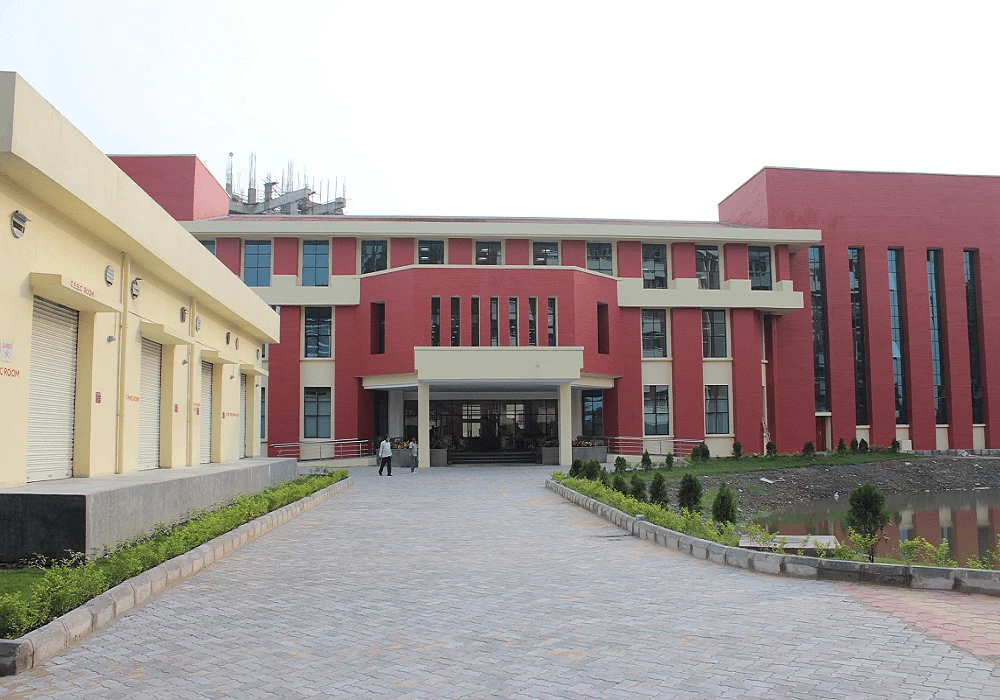
IIFT’s Kolkata campus page describes a seven-acre site in the eastern part of the city, with an academic block, an administration block and two residential blocks for students and visiting faculty. This is a compact institutional campus rather than a large multi-college university estate. The same page lists air-conditioned lecture halls with audio-visual aids, conference halls, a 500-seat auditorium, a Management Development Programmes Centre, a computer centre, indoor games and a basketball court. These are the most useful published details for applicants comparing teaching and event infrastructure.
The programme mix shown on the Kolkata campus page includes full-time MBA (International Business), MA Economics, EPGDIB, weekend MBA (International Business), and doctoral programmes in Management and Economics. The campus page also links to wider IIFT divisions and central institute services. A linked programme listing establishes that those courses are associated with the Kolkata campus, but it does not establish that every course uses each room or amenity in the same way. Applicants should confirm campus allocation for the exact programme and intake in the offer and current prospectus.
The Institute describes a 500-seat auditorium and conference rooms, but the page does not publish room booking rules, event calendars, class sizes, equipment inventories or accessibility details. Treat the list as a summary of infrastructure, not a guarantee that a particular room or facility is available to every student at all times. If a specific need matters, ask the campus office to confirm the arrangement before accepting an offer.
IIFT’s Kolkata library page calls the library fully automated and says it supports education, research and training through print and digital materials. It reports a collection of more than 13,500 documents, including textbooks, reference books, periodicals, bound volumes and audio-visual material in management and related subjects. The page separately names access to full-text online journals and databases such as Bloomberg, JSTOR, ScienceDirect, EBSCO, ProQuest, Emerald and Euromonitor. These names indicate the kinds of resources listed by IIFT; the page does not state that every title is available to every user, from every location, or without database-specific access conditions.
The library page says the facility is open 24 hours a day throughout the year, except national holidays and other holidays declared by IIFT. It gives the circulation counter’s hours as 09:00 to 17:30. The distinction matters: late access to the reading facility does not mean the circulation desk, staff help or borrowing process operates around the clock. The same page lists circulation, reference services, remote access to e-resources, inter-library loan, user guidance, an online public access catalogue, current-awareness service and photocopying.
For prospective students, the most useful check is whether access aligns with the programme calendar and any internship or off-campus period. The official page specifically mentions remote e-resource access and also separately describes an institutional VPN for library resources during summer internships on the IT page. Ask the library which databases require VPN, whether remote-access credentials are issued to all programme cohorts, and what borrowing limits apply. The online catalogue and service list are useful starting points, but they do not answer those student-specific rules.
IIFT’s Kolkata hostel page says the two-year MBA (International Business) degree programme is fully residential. It says accommodation is inside the campus and may be in single-occupancy or twin-sharing rooms, with allocation at the Institute’s sole discretion. Applicants should therefore not treat a preferred room type as guaranteed. The page describes furnished rooms with a lockable cupboard, bed, study table and chair, mattress, fans and electrical fittings. It also lists a common room with recreation and entertainment facilities, hot and cold water in hostel bathrooms, and a water cooler with an RO purification system.
The Institute’s listed support includes doctors and paramedical staff for medical emergencies, first-aid kits and emergency medicines in the hostel, continuous CCTV surveillance, and hostel administration available around the clock. A gym is listed with trainer supervision; students are advised to use equipment under proper supervision, and the page states students may be penalised for damage. The hostel and mess setup includes separate mess floors for junior and senior batches in the central hostel. IIFT says students’ mess representatives and a committee decide and inspect the menu. Security, caretaking, housekeeping and warden staff are listed as on duty round the clock.
Laundry is described as outsourced and paid. The hostel page also lists sports facilities for designated sports and high-speed internet through a firewall. These details help frame everyday life, but the page does not provide current room charges, meal rates, laundry tariffs, room-allocation priority, visitor rules or a complete sports-equipment list. Hostel and mess charges can change by batch and occupancy. Use the exact cohort fee schedule and written hostel instructions rather than carrying an earlier fee into a new intake budget. Students with medical, mobility, dietary or other accommodation requirements should contact the campus before admission to confirm how the published facilities can meet their needs.
IIFT’s computer-facilities page says the Kolkata campus is Wi-Fi enabled and reports a 750 Mbps leased internet line from two internet service providers using load balancing. It describes a student digital room with desktop computers and software including SPSS, EViews and SAS. It also lists access through the Institute’s network to India Trade and Prowess databases from CMIE. For research and coursework, the page describes video conferencing used for training, placements, corporate activities and research, as well as links between IIFT’s Delhi and Kolkata campuses for internal meetings.
The page additionally describes an online education platform for real-time sessions, a library-resource VPN, a MOOC platform with recorded sessions, and a student web server for college event and symposium pages. The practical value depends on student account access, software licensing, network policy and the requirements of a particular course. IIFT’s description is an institutional facility list, not a published service-level guarantee; it does not specify individual Wi-Fi speeds, uptime, device limits, software versions or whether all resources remain available off campus.
Before joining, ask the programme office or campus administrator about current hostel and mess charges, room assignment, internet and VPN onboarding, library database access, emergency contacts, accessibility arrangements and any facility rules that affect your needs. The campus, library, hostel and IT pages are published by IIFT and provide a useful baseline. For a specific 2027-29 programme, the offer letter, current student handbook and written campus response should govern details that the general pages leave unstated.