
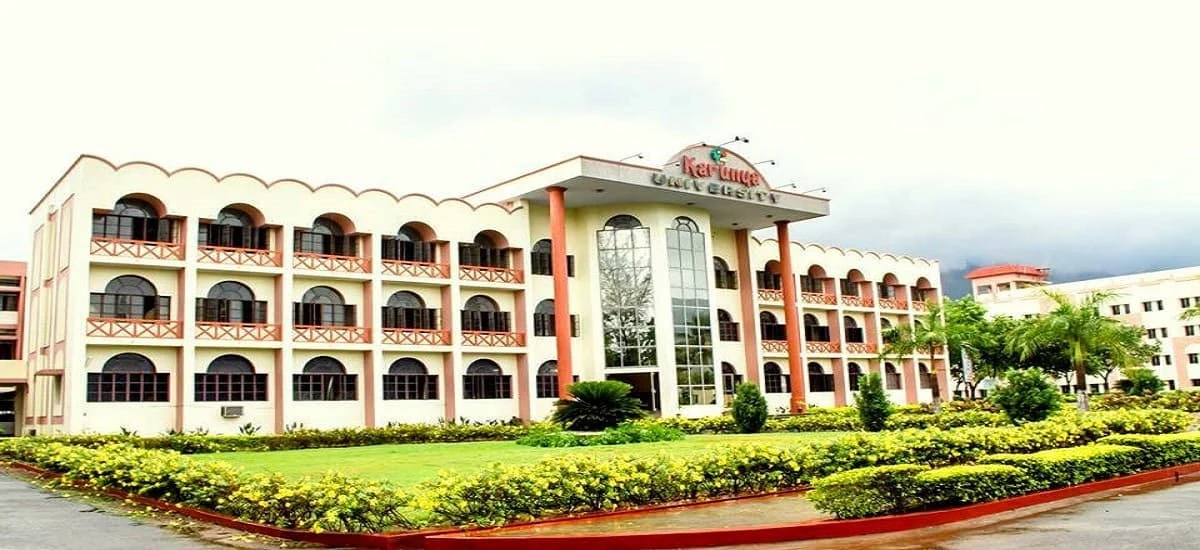

 Auditorium
 Cafeteria
 Campus Security
 Computer Labs
 Gym
 Hostel
 Medical
 Science Labs
 Sports Complex
 Study Library
Campus infrastructure at a glance
Karunya’s official Infrastructure page describes a 700-acre campus with academic buildings, residences and research laboratories. The same page lists gallery classrooms, teaching aids, computer laboratories and campus Wi-Fi. It describes a 10 Gbps fibre backbone connecting institution and residence buildings, with internet through multiple service providers. These are institutional descriptions, not a guarantee that a particular residence, classroom or device will have a specified speed or uninterrupted service. Ask the residence office about the current network setup and device rules before relying on it for online classes or project work.
The practical advantage is the combination of teaching spaces, labs and student services in one campus setting. The facilities pages give a broad map but not an accessible-by-programme inventory: they do not show which lab is open to which cohort, the booking process, opening hours, equipment training requirements or whether a facility is shared with a particular school. For a course shortlist, ask the department to identify the lab or studio used in your curriculum, the term when students first use it and whether consumables or project charges are separate from tuition.
Academic and research spaces
The Infrastructure page names food-processing and nanotechnology laboratories, water-research facilities, computer laboratories and the Computer Technology Centre. It also describes gallery classrooms and teaching aids. This is useful for identifying areas to ask about, especially for students comparing programmes with laboratory, computing or project work. The page does not give a current count of labs, a programme-to-lab access schedule or equipment specifications for each school. Do not assume that every listed lab is part of every course or continuously available for independent use.
When you speak with the programme office, ask for a current department facility list and a sample practical timetable. For a research-oriented option, check whether undergraduate or taught-postgraduate students can use the relevant centre, how supervision is assigned and whether projects need an additional approval or safety induction. The site describes partnerships and centres of excellence, but its general page does not state a student entitlement or guaranteed placement in any partner centre.
Central Library and digital resources
Karunya’s Central Library page lists print books and reference books alongside journals, e-journals, e-books, a web catalogue, mobile access and remote access. It links to the Digital Library and a separate remote-access portal. The page also says students use their ID card for book borrowing; the listed borrowing period is 15 days, and the membership table varies the number of books by study level. These rules matter if you expect to use physical books for a long project or access electronic resources from outside the library.
The published working hours are 8:00 a.m. to 11:00 p.m. Monday to Friday, 8:00 a.m. to 5:30 p.m. Saturday and closed Sunday. The page’s borrowing transaction hours are narrower than the library’s opening hours, so plan returns and loans accordingly. It says journals, reference books and thesis are not loaned, and late returns incur a stated charge. Hours, borrowing limits and electronic subscriptions can change; check the library’s current policy before travel or a deadline. Remote access is listed, but the page does not explain which resources require campus credentials or whether every database is available off campus.
Residence amenities and daily services
The university describes separate boys’ and girls’ residences. Its Residence Facilities page highlights dining halls, kitchens, a gym, safe drinking water, laundry, an ATM, a departmental store, solar water heating and a washing-machine facility for international students. The broader campus-life page also lists water and electricity, hot water, Wi-Fi, lifts and laundry among residence highlights. These pages do not say that each residence has every amenity, that every item is included in the room charge or that access is available around the clock. Ask which building is assigned to your programme and what is included in its current room and mess tariff.
For students with specific needs, confirm room type, washroom access, laundry arrangements, drinking-water points, meal timing, guest rules and the route for reporting a repair. The official pages provide a starting list, but they do not establish availability for an individual student or the current price of optional services. Compare that answer with the current hostel fee schedule rather than treating photographs or a general facilities list as a promise about a particular room.
Sports and recreation
Karunya’s sports page lists indoor badminton and table-tennis courts, outdoor athletics and games, and three gym facilities. Its table gives counts for several listed areas: seven indoor badminton courts and four table-tennis courts; outdoors it lists three for the combined 400-metre track and football-field row, two long-jump pits, three basketball courts, five volleyball courts, three kabaddi courts, one outdoor badminton court, two hockey facilities and three cricket facilities. The combined track/football row does not clarify whether the count applies to tracks, fields or paired areas, so treat it as the institution’s row rather than a precise count of each.
The same page lists a campus post office, a restaurant, hospital, residence CCTV and backup generators for hostel and mess premises. It does not publish student-use hours, membership or coaching fees, equipment-loan rules, court booking procedures or current availability. Ask the sports office how students reserve spaces and whether a chosen sport has scheduled coaching, then check any charges before budgeting.
Health care and what to verify before joining
Karunya Hospitals’ official page describes a 100-bed multispeciality hospital in Karunya Nagar, Coimbatore and says it serves university staff and students as well as nearby communities. It lists outpatient and inpatient services, specialist consultations, laboratory and pharmacy services, imaging, emergency care and an ambulance. This is useful context for campus support, but the page does not establish that treatment is free, included in student fees or available without charge to every student. Ask about location, emergency contact steps, student insurance and the applicable consultation or diagnostic charges.
For a campus visit, use the library and sports pages to make a concrete checklist: visit during the stated library hours; ask about programme-specific lab access; check residence and dining arrangements for the assigned building; and confirm current access rules for sports and health services. The institution’s facilities pages describe the options available at a high level. Current schedules, charges, eligibility and access permissions should come directly from the library, department, residence office or hospital before you commit to a course or accommodation plan.