
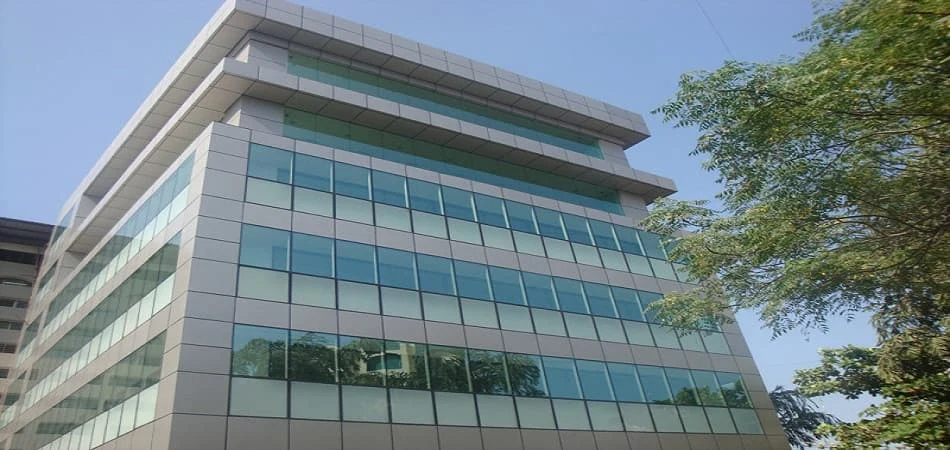

N. L. Dalmia Institute of Management Studies and Research (NLDIMSR) publishes its management admissions information on one page covering eligibility, application stages, its full-time PGDM programmes and fees. The latest cycle-specific test labels visible there are for PGDM 2026-28. I found no 2027-29 application dates or test-edition list on the reviewed official page, so the earlier cycle is useful for understanding the process, not as a promise about the next intake. Start with the official admissions page, then confirm the cycle and the specific programme before applying.
Choose the programme before the application route
The admissions page lists three full-time PGDM options: PGDM, PGDM (Finance) and PGDM (Business Analytics). The institute’s programme page describes a 109-credit curriculum with core learning, major and specialisation courses, electives, a summer internship, capstone and Bloomberg certification. These are specialisation routes within NLDIMSR’s PGDM offering. The institute also has separate pages for Global MBA, Ph.D., online learning, open and distance learning, and programmes for working professionals. Do not use information for those distinct formats as if it were an admission rule for the full-time PGDM.
The institution says its PGDM programmes are AICTE-approved and recognised by the Association of Indian Universities as equivalent to an MBA. That wording describes the PGDM’s equivalence; it does not change the award name into a university MBA degree. Candidates comparing qualifications should check the exact programme name and approval information on the current official page and brochure.
Check eligibility and the test edition
The current admissions page says applicants need a three-year bachelor’s degree or equivalent with at least 50% marks in any discipline. It also says students appearing for their final-year examination may apply. The page requires a valid score or percentile from one of CAT, XAT, GMAT, CMAT, MH-CET, MAT or ATMA. Applicants should verify the detailed equivalence, completion deadline and documentation rules in the cycle-specific brochure, especially if results or final transcripts are pending.
The same page’s FAQ gives the most recent visible exam editions for the 2026-28 batch: CAT 2025, XAT 2026, GMAT from June 2024 onward, CMAT 2026, MH-CET 2026, and MAT or ATMA from August 2025 onward. These labels are cycle-specific. They should not be copied into a 2027-29 checklist: NLDIMSR has not posted the next batch’s exam-year mapping in the material reviewed here. When the new page or brochure appears, check its accepted tests and score windows directly; a test name alone does not confirm which sitting is accepted.
Understand the selection stages
The admissions page sets out an online application, submission of a Statement of Purpose (SOP), shortlisting for Group Discussion and Personal Interview (GD-PI) based on entrance-exam score or percentile, and a final selection based on the cumulative weightage of entrance score, academic record, GD-PI and work experience. The site’s FAQ further says applicants can upload more than one test score if they have them, and that the GD-PI may be held online or offline. It does not publish a current numeric weighting for each factor on this page.
There is a dated difference to keep in mind: NLDIMSR’s November 2025 mandatory disclosure described a Critical Thinking Round and Personal Interview, with a 2025-era component-wise weightage. The current admissions webpage describes GD-PI instead. Do not combine the older disclosure’s round or percentages with the current page and assume they govern a later batch. The cycle’s own brochure or written admission instructions should settle which round format and weighting apply.
Prepare and verify before submitting
The admissions page links applicants to the institute’s online PGDM application form and asks them to submit the SOP. Before starting, keep degree marksheets, current test score details and identity documents ready, but use the live form and current brochure for the exact document checklist and image or file specifications. Save the application acknowledgement and any payment confirmation. The reviewed official text does not state a 2027-29 opening date, closing date, application fee or a current GD-PI calendar; none should be inferred from the 2026-28 test editions.
For a practical shortlist, compare your intended specialisation first, confirm the test sitting you can use, and map the application sequence against your graduation-result timeline. If you are in your final year, ask admissions how and by when the degree result must be submitted. Confirm whether NLDIMSR has published the next intake’s application window before paying or making travel plans for an interview. The official site lists an admissions contact and directs applicants to the portal; use those official channels when the cycle-specific instructions are unclear.
Applicant checklist
- Confirm that the page or brochure explicitly names the batch you are applying for.
- Check the three-year degree and 50% criterion against the current notice and your university’s marks-conversion rules.
- Match your test and score year to the newly published batch-specific list.
- Prepare the SOP and supporting documents required by the live form.
- Ask how GD-PI is scheduled, which format is available and what final-year applicants must submit.
- Keep fee and scholarship information separate from admission eligibility, and verify the current payable amount before accepting an offer.