
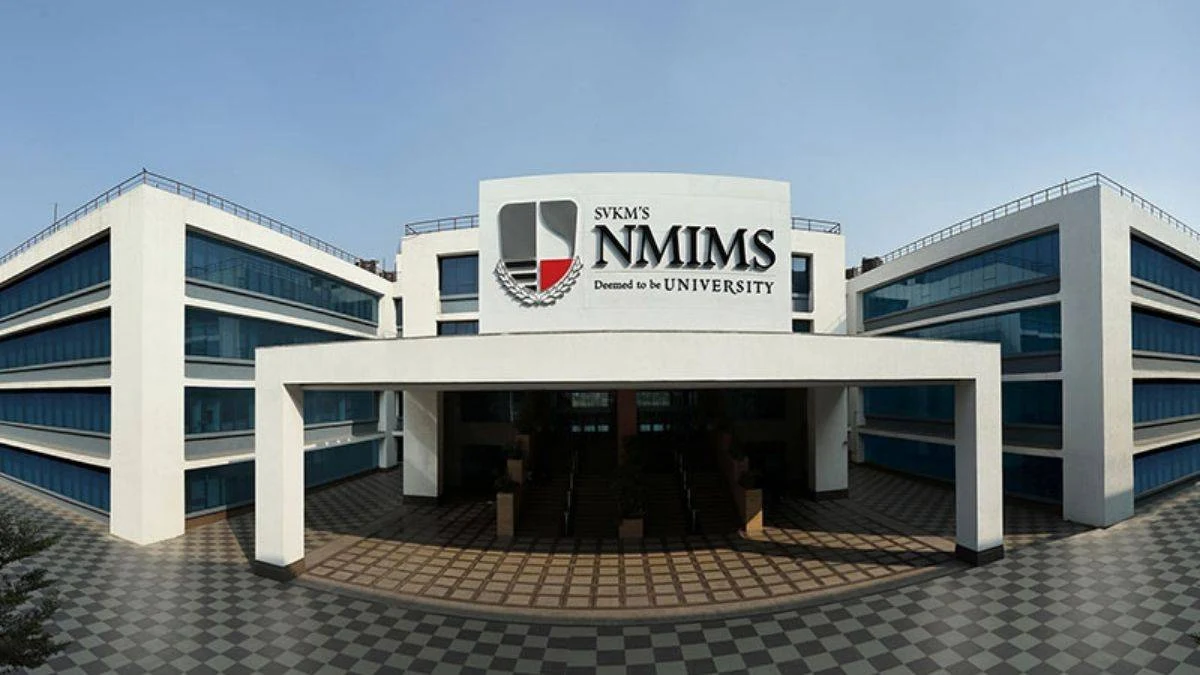



Hyderabad MBA placement evidence for 2024
The official placement document located for NMIMS Hyderabad reports the MBA batch of 2022–24 and gives an average final-placement CTC of ₹12.03 lakh per annum for 2024. It also reports an average summer-internship CTC of ₹11.00 lakh for the 2024 internship cycle. These are two different outcomes: a summer internship is a temporary work placement during study, while the final-placement figure concerns offers at the end of the MBA. They should not be combined into one salary measure. The institution’s 2024 placement report is the source for both figures.
The cohort label matters. These results describe Hyderabad MBA students in the 2022–24 batch, not every programme offered at Jadcherla and not a promise for students entering in 2027–28. An incoming student should treat the report as a dated reference point, then ask for a newer Hyderabad MBA report with its own cohort, reporting period and calculation notes. The figure should not be transferred to BBA, B.Tech, law, pharmacy or another NMIMS campus.
Read the reported average carefully
CTC, or cost to company, is the employer’s stated annual compensation package. It is not the same as take-home pay. It can include fixed salary, variable pay, joining components, retirement contributions or benefits, depending on how the employer structures an offer. The report’s ₹12.03 lakh average is therefore useful for comparing like-for-like published placement reports, but it does not tell a student what will arrive in a monthly bank account. Ask the school which compensation components are counted and whether the average is calculated across all graduating students, only placed students or another defined group.
An average is also affected by a small number of high offers. For a clearer picture, request the median, the number of students in the reporting cohort, the number seeking placements, the number placed, the number of offers, and the share of roles with domestic versus international compensation. The reviewed text extraction also contains a ₹19.94 lakh figure without a sufficiently clear label or metric definition. It is not presented here as a highest salary, median or any other outcome. The official original report should be checked for its table heading before that number is used.
Summer internship and final placement answer different questions
The ₹11.00 lakh average summer-internship CTC in the same report is not an additional annual salary to add to the final-placement average. An internship may last only part of a year, and an annualised CTC label can be presented differently from a stipend actually paid for the internship period. Ask whether the reported amount is an annualised package, total internship stipend, or another standardised figure, and what proportion of the batch received internships through the school. The report is for the 2024 internship cycle and the MBA cohort identified as 2022–24; use those labels when citing it.
Before choosing a programme, compare internship outcomes separately from final roles. Useful details include the industries and functions represented, whether projects are live or classroom-based, how internships are allocated, and whether students can source an internship independently. These are questions for a current programme office, not facts established by the historical average. Programme-specific placement support can differ across the university’s schools, so MBA evidence should not be treated as a campus-wide placement guarantee.
Questions to ask before relying on a placement figure
Request the newest placement report for the exact Jadcherla programme and graduating cohort. Confirm the year of graduation, batch size, number of students eligible for placement, number who participated, number placed, and whether the published average includes only placed students. Ask for the median and a distribution across salary bands, since a single average cannot show how outcomes are spread. Clarify whether the report counts CTC, fixed pay, base salary or total compensation, and whether international offers are converted to rupees.
For programme choice, also ask how career services work: when advising begins, how many mock interviews or employer interactions are offered, what support is available for students changing fields, and whether placement participation is conditional on academic or conduct rules. Ask for internship information separately, including stipend basis, duration and participation rate. These questions help a family compare the cost and career support of a course without treating a past batch’s result as an individual forecast.
What is not established by the available report
The available Hyderabad document supports two averages for the named MBA cohort and reporting year. It does not establish a current 2027–28 placement rate, a median salary, the highest salary, a complete employer list, an offer count, or outcomes for other schools at Jadcherla. Nor does the existence of an official report imply that every student receives an offer at the average amount. Keep any campus-wide or university-wide promotional statistic separate unless its methodology explicitly includes Hyderabad and the same programme and cohort.
NMIMS Hyderabad is the Jadcherla campus. When comparing campuses, match the degree, graduating batch and metric first; similarly named programmes can have distinct employers, locations and placement processes. For an individual decision, review the current course structure, expected total cost, internship obligations and placement participation rules together. The report is a useful historical signal, not a substitute for a recent cohort disclosure or a personal employment outcome.