

 Cafeteria
 Science Labs
 Sports Complex
 Study Library
NIRDPR Campus Facilities: What Applicants Can Verify
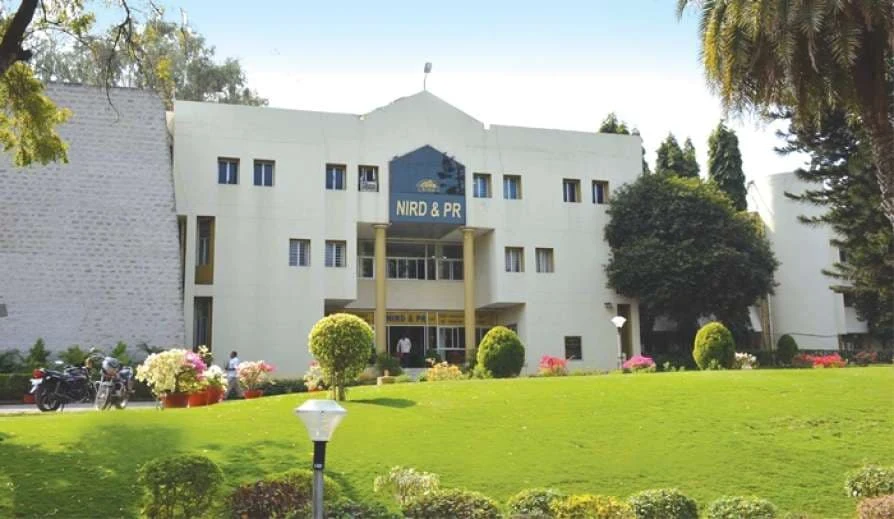
NIRDPR’s Hyderabad campus combines academic workspaces with facilities also used for training programmes, workshops and institute operations. For applicants, the useful question is not simply which amenities appear on the campus list. It is which spaces are expressly available to postgraduate students, which primarily serve staff or visiting participants, and what access details still need to be confirmed before joining.
Study spaces and digital access
The institute’s infrastructure page places the library in the Dr B. R. Ambedkar academic block. NIRDPR describes the Centre for Development Documentation and Communication as a resource for research and training, with books, journals and institutional publications focused on rural development and related subjects. That makes the collection relevant to students working on rural institutions, public programmes, local governance and development practice. The page also links to the library’s catalogue and resources. It does not provide a current collection total on the part reviewed here, so older book counts should not be treated as today’s inventory.
Computer access is described by room and intended user. The Ambedkar block has two labs for staff and training participants and one lab for postgraduate students. A separate computer lab in the Mahatma Gandhi block is identified as exclusive to the Centre for Geo-informatic Applications. Applicants should therefore distinguish the PG-student lab from facilities that support training delivery or a particular centre. The site does not publish the PG lab’s hours, seat count, software list, booking process or student-to-computer ratio.
The official infrastructure page says Wi-Fi is available across office buildings and guest houses. It does not specifically promise the same coverage or speed in every student accommodation or classroom. If continuous online access matters for coursework, ask the programme office about coverage in the PG lab, teaching rooms and the accommodation allocated to students.
Class, seminar and group-work spaces
The campus has several kinds of meeting space rather than a single student-facing event venue. NIRDPR lists 12 conference halls, with capacities from 15 to 100 people, used for training sessions, workshops and seminars. Its auditorium seats 350 and is described in connection with major training programmes and national workshops. These facilities support a campus that hosts public-sector and development-sector learning events; the published information does not say that students can book them independently.
The academic-block page identifies the library and one PG-student computer lab in the same Ambedkar block, along with four conference halls there. It also lists three conference halls in the Mahatma Gandhi block. This location information is useful when comparing everyday study with larger group activities, but NIRDPR does not publish a student timetable, classroom list or room-booking rules on the facilities pages reviewed. Ask how regular classes, project meetings and student events use these spaces during the academic year.
Residential arrangements are programme-specific
NIRDPR’s 2026-28 PGDM-RM notice described the programme as a two-year full-time residential course and listed board-and-lodging charges separately in its fee schedule. This is useful evidence that accommodation formed part of that batch’s arrangements. It is not a current 2027-28 hostel offer, a room-allocation guarantee or confirmation of the same amount for a later cohort. The institute’s current admissions page should be checked for the next batch’s accommodation terms before a student commits to the total cost.
The campus also has four guest houses. NIRDPR describes them as accommodation for national and international training participants and people attending workshops and seminars. That guest-house use should not be confused with student hostel allocation. The public facilities pages reviewed do not give current hostel capacity, room type, occupancy, maintenance arrangements or a student application process. Applicants should ask the programme office which building is assigned to the relevant course, whether residence is compulsory, what is included in board and lodging, and what happens if hostel places are unavailable.
Health, sport and recreation
The health centre is on campus and lists medical staff and support roles. NIRDPR says it provides first aid, emergency and regular care to institute staff and their families, as well as participants attending training programmes. That published description does not expressly define access for every enrolled postgraduate student, nor does it set out emergency referral, operating hours, charges or insurance coverage. Students should confirm these details instead of assuming that a campus health centre automatically covers every need.
The indoor sports complex includes a gymnasium, table-tennis and shuttle-badminton halls, and a swimming pool. The institute specifically names training participants and postgraduate students as beneficiaries of the pool and related facilities; staff and family members may use the complex through membership. It also mentions coaches for gym and swimming activities. The pages do not specify current opening hours, equipment condition, class fees, safety rules or student membership steps. Confirm those practical terms with the institute before relying on a particular activity.
Questions to settle before joining
NIRDPR’s published material confirms a substantial academic and training campus, but access varies by facility. The strongest student-specific statements concern the PG computer lab and the sports complex. Guest houses primarily serve visiting participants, while the health-centre description focuses on staff, families and training participants. The hostel and lodging evidence available here is tied to an earlier PGDM-RM batch.
Before accepting an offer, ask for the current programme’s hostel allocation and fee schedule; the PG lab’s access hours; Wi-Fi coverage in teaching and residential areas; health-centre eligibility and emergency arrangements; and student access to the pool, gym and courts. For the latest institute contact and admission instructions, use NIRDPR’s regular programme admissions page and the official infrastructure directory. These checks will show whether the facilities that exist on campus are available in the way your course and daily routine require.