Loading Admission Guardian content
Loading Admission Guardian content

Provisional score based on available data. It may change as more information is verified.
Find a program, read its fee details and explore the admission requirements.
Summary of the programs shown below. First-year fee. Check the note beside each amount for inclusions and exclusions.
| Course | Stream | Fees |
|---|---|---|
| Bachelor of Physiotherapy [BPT] | Medical | 90000 |
| Master of Physiotherapy [MPT] | Medical | 380000 |
Eligibility: 10+2
Eligibility: B.P.T.
RVS College of Physiotherapy has been training clinicians in Coimbatore since 1993, and it’s built a reputation as a solid, no-frills option for students focused on a hands-on career. Affiliated with the authoritative Tamil Nadu Dr. M.G.R. Medical University, the college leans heavily on its extensive network of hospital MoUs for clinical exposure. That’s the core pitch here: you’re paying for practical training and a shot at a 100% placement claim, not for a sprawling, luxurious campus. The feedback from students is a mixed bag—they praise the faculty and the food, but some are openly critical of the aging infrastructure and a library they find lacking. If your goal is to become a working physiotherapist through a program with deep local hospital connections, RVS warrants a close look. If you prioritize a modern, resource-rich campus life, you might leave disappointed.
The academic structure here is straightforward and career-focused. The undergraduate Bachelor of Physiotherapy (BPT) is a 4.5-year program, including a mandatory six-month internship. It’s the workhorse of the college, taking in about 50 new students each year. The curriculum is standard for the university, but the college supplements it with guest lectures and workshops. The real academic depth comes at the postgraduate level. The Master of Physiotherapy (MPT) is a 2-year program with four specializations: Orthopaedics (12 seats), Sports Physiotherapy (6), Neurology (6), and Cardio Respiratory Diseases (6). These are the tracks where you get into manual therapy, advanced electrophysiology, and the kind of niche skills that can define a career.
A notable point of pride for RVS is its doctoral program. The college claims it was the first to start a PhD in Physiotherapy under its affiliating university. That’s a signal of some academic ambition, even if the primary focus remains on producing clinicians. Faculty strength is listed at 22, with three holding PhDs. The principal, Dr. M.K. Franklin Shaju, is an alumnus of the inaugural 1993 batch, which suggests a degree of institutional continuity. They also bring in visiting faculty from countries like Australia, Canada, and the USA, which is a decent perk for a private college at this fee level.
This is where the college’s marketing material and ground-level reports need a side-by-side comparison. The official line is a bold 100% professional placement rate. Student reviews generally back up the claim that placement opportunities are “better,” but the details matter. The reported salary figures for 2024 are modest: an average package of ₹2.5–3 LPA and a highest package around ₹4–5 LPA. It’s crucial to note these are tagged as unverified in the research. That’s a decent starting range for a fresh BPT graduate in Tamil Nadu, but it’s not a high-flying corporate salary.
The placement process is integrated with the final internship. The college has its own outpatient department on campus and, more importantly, MoUs with a long list of multi-specialty hospitals. Top recruiters aren't big brand names from other sectors; they are the hospital partners themselves—think Ganga Hospitals, KMCH, JSS Hospitals, and various rehabilitation centers. Graduates land jobs as physiotherapists in these hospitals, in sports organizations, or in academic roles. A significant number also go on to establish their own private practices, which is a common career path in this field. The “100%” claim likely includes these self-employed outcomes. So, the placement story is one of reliable opportunity in the healthcare sector, rather than spectacular packages.
Fee clarity is a bit fuzzy, with the research showing a range for total course costs. For the BPT program (2025-26), annual tuition is approximately ₹90,000. The total course fee is quoted as either ₹2.5–3.2 lakhs or ₹3.6 lakhs—you’d need to contact the college directly to pin down the exact number, including all mandatory charges. The MPT program shows a steeper cost: about ₹3.8 lakhs for the first year, with a total course fee ranging from ₹1.2–1.8 lakhs or ₹7.6 lakhs. This wide discrepancy for MPT needs clarification from the official college website.
On top of tuition, hostel and mess fees run about ₹30,000 per year. Students have described the food as “good” or “not bad,” but one review felt the mess fees weren’t worth it. There’s no detailed information on substantial need-based scholarships. The only financial incentive mentioned is cash prizes for academic excellence. So, plan for the full sticker price: for a BPT student including hostel, you’re looking at roughly ₹4-4.5 lakhs over 4.5 years.
Admissions at RVS follow a fairly standard merit-based process for paramedical courses in Tamil Nadu. For the BPT program, you must have passed your 10+2 (or equivalent) with Physics, Chemistry, and Biology. For the MPT, you need a recognized BPT degree. The college states that selection considers qualifying exam scores and “entrance tests where applicable,” but the specific entrance exam (like NEET or a state-level test) isn’t named in the brief. You must check the latest admission brochure for the definitive requirement.
The application window is typically April through June each year. For the 2025 cycle, that’s expected to hold true. The application fee is between ₹1,000–1,200. The college also mentions that late applications or management quota admissions may be considered until seats are filled. If you’re serious about applying, mark your calendar for early April and keep an eye on their site for notifications.
Let’s be direct about the infrastructure: it’s a point of contention. The college shares a campus with other paramedical institutions under the RVS umbrella. Some student reviews are harsh, with one calling it “the worst.” Specific complaints include projectors that don’t work and classrooms that are just “not satisfied.” The library, with 1,100 volumes and subscriptions to 5 international journals, is criticized by a student for being “too small” and lacking relevant physiotherapy books. On the other hand, the college promotes its “University-recognized first research center” with advanced imported treatment devices and well-equipped labs. The truth likely sits in the middle—functional but dated in some areas, with specific, modern equipment in the labs.
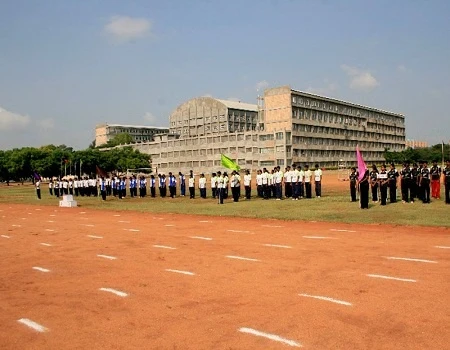
Student life is more positively reviewed. The hostels are secure, with separate AC and non-AC options for boys and girls. The food in the mess gets a thumbs up. Sports facilities are actually quite comprehensive: a 200-meter track, football field, basketball, volleyball, tennis, and badminton courts, plus separate gyms for boys and girls. The college organizes an annual sports day and a “Physio Fest” cultural event, and has a platform called RVS Yuva for artistic talents. It’s a self-contained, engaging environment, even if the buildings themselves aren’t glamorous. The campus has Wi-Fi, a canteen, a health center, and its own transport service.
Synthesizing student sentiment paints a clear picture of trade-offs. The overwhelming positive is the faculty and teaching quality, rated highly. Students feel they are gaining good, practical knowledge from dedicated staff. The placement support is also seen as a strong point, validating the college’s core promise. Hostel life gets good marks for safety and food quality.
The negatives consistently circle back to infrastructure. The criticism of the library’s size and relevance is a serious one for an academic institution. Complaints about non-functional classroom tech and general dissatisfaction with buildings are recurring themes. There’s also a note about mess fees not providing value for money for at least one student.
The consensus? It’s a college chosen for its academic and career outcomes, not for its facilities. You come here to learn from good teachers, get hospital exposure, and secure a job. You tolerate the older infrastructure as part of the deal. That’s a pragmatic choice many students are willing to make.
RVS College of Physiotherapy is a specific kind of bet. It’s for the student who views education as a direct vocational pathway, not a holistic “campus experience.” The value proposition hinges on two things: the quality of clinical training through its extensive hospital network, and the consistent track record of placing graduates in jobs. If your primary goal is to become a competent, employable physiotherapist in South India without paying exorbitant private college fees, RVS makes a lot of sense. The faculty are praised, and the career results seem reliable.
But you have to go in with your eyes open. The infrastructure is repeatedly flagged as subpar by students. The library may not meet your needs for deep academic research. The social life is present but modest. If you prioritize a modern, resource-rich learning environment with top-tier facilities, you will likely feel short-changed here. Ultimately, it’s a workmanlike institution. It’s best for pragmatic, career-focused students who can look past worn-out projectors to see the opportunity in those hospital MoUs. For them, it’s probably worth it. For others, it might be a compromise too far.
The total course fee for the Bachelor of Physiotherapy (BPT) program is approximately INR 2.5–3.2 Lakhs or INR 3.6 Lakhs. For the Master of Physiotherapy (MPT) program, the total course fee ranges from INR 1.2–1.8 Lakhs or INR 7.6 Lakhs. These figures are based on 2025-2026 data. Hostel fees are additional, approximately INR 30,000 per year.
Admissions are primarily merit-based, considering scores in qualifying examinations and, where applicable, entrance tests or interviews. Eligibility for BPT requires passing 10+2 with Physics, Chemistry, and Biology. For MPT, a BPT degree from a recognized university is required. The application window typically opens between April and June each year, with an application fee of INR 1,000–1,200.
RVS College of Physiotherapy claims 100% professional placements. Graduates are placed in various healthcare settings across India and abroad, including prominent hospitals, rehabilitation centers, sports organizations, and academic institutions. Some alumni also establish their own private practices. The highest package reported for 2024 was approximately INR 4–5 LPA, with an average package of INR 2.5–3 LPA (unverified).
The college offers modern classrooms, well-equipped laboratories with advanced imported treatment devices, and a library with 1100 volumes and subscriptions to international journals. Hostel facilities are available for both boys and girls with hygienic food. Sports facilities include a playground with a track, courts for football, basketball, volleyball, lawn tennis, badminton, Kho-Kho, and separate gyms. The campus also has Wi-Fi, a canteen, and a health center.
Yes, notable alumni include Dr. M. Sathishkumar (Founder of School for Perfect Vision), Dr. M. Selvam (Physiotherapist at Indian Parliament House), and Dr. B. Thirumalaya (working at Kumbakonam Government Hospital after securing first rank in Medical Recruitment Board exam). The college was recognized by Higher Education Review as a “Top 10 Promising College in Coimbatore.” It is also recognized as the first college to begin the PhD program in Physiotherapy under The Tamil Nadu Dr. M.G.R Medical University.
Share what future students should know about RVS College of Physiotherapy.
Student voices are not rewritten by colleges. We remove spam and abuse.
Wider admission question? Community PulseWhat should future students know?
Tell us which course you're considering. We'll help you work out the next step.
Get instant Partner access after mobile verification. Your public edits are reviewed before they go live.
Claim this college Campus Wi-Fi
 Gym
Gym Hostel
 Science Labs
 Study Library