

 Campus Wi-Fi
 Hostel
 Medical
 Science Labs
 Sports Complex
 Study Library
Campus location and arrival
SMS identifies its campus at Khushipur, Bachhaon, Varanasi, Uttar Pradesh. Its facilities page describes a 10-acre site with more than 1.25 lakh square feet of built-up area, south-west of Banaras Hindu University and on the Delhi-Kolkata Golden Quadrilateral corridor. The same page gives approximate distances of 35 km from Babatpur airport, 13 km from Varanasi Junction railway station and 13 km from the Roadways Bus Station. These are institute-published orientation figures, not door-to-door travel times; traffic, departure point and transport mode will change the actual journey.
For an applicant planning a visit or daily commute, ask the admissions office for the exact campus pin and a current arrival route. Students traveling by train or air should compare the official distances with their likely arrival time and transfer option. The page names no local shuttle from the airport or railway station. Do not treat the institute’s day-scholar transport list as proof that every route operates at every hour; confirm the current pickup points, timetable and seat availability directly.
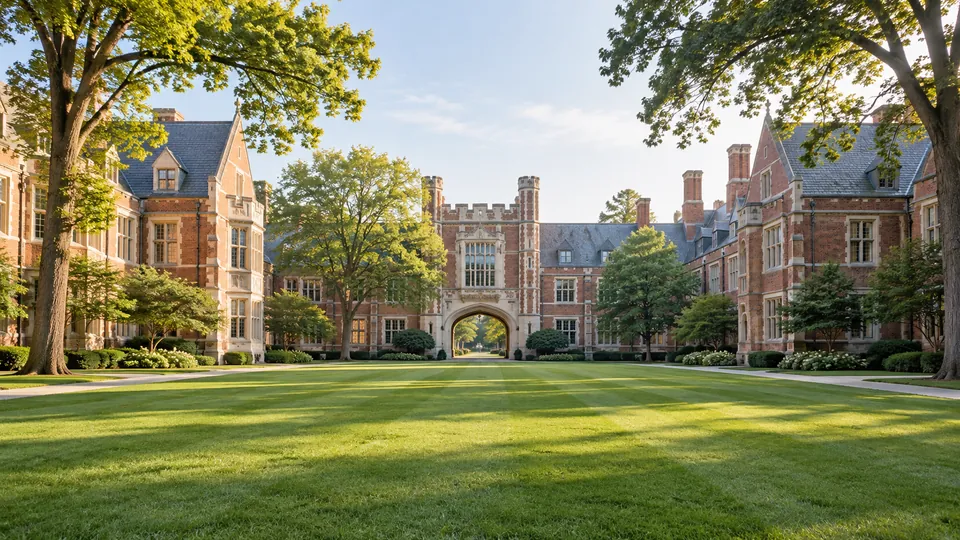
The campus description includes Wi-Fi, seminar and conference spaces, classrooms, a library, computer laboratories, sports ground and gymnasium. These are institution-reported facilities. The pages do not provide current opening hours, access rules for each programme, user capacity for all spaces or a dated equipment inventory, so applicants should confirm the facilities they expect to use during a campus tour.
Classrooms, computer access and library
SMS’s computer-centre page describes one server room and eight computer laboratories with more than 400 smart terminals, supported by six servers. It also states that the campus has optical-fibre internet, Wi-Fi and online uninterrupted power supply. The page names LAN-connected classrooms and teaching aids as part of its learning infrastructure. For students who expect regular software or lab access, useful visit questions include whether lab sessions are timetable-based, whether students can work outside class hours, what software is currently licensed and how technical support is handled.
The dedicated library page describes approximately 40,000 books in management and computer-technology subjects and membership of DELNET. It lists institutional online library access, inter-library loan requests through the librarian, around 100 reading seats and student access from early morning to late evening. It also names subscriptions to journals, magazines and newspapers. These figures and service descriptions come from the institute’s web pages; they are not a third-party audit of the current catalogue or daily availability. Ask for current opening hours, access credentials, borrowing limits and the programme-specific online databases before comparing library access with another campus.
The campus page also mentions digital-library access, while the separate library page links to the institution’s library portal. Applicants can check whether the portal is accessible off campus, which databases are included and whether access continues during holidays. The public description does not say how many concurrent seats or licenses are available for each digital resource.
Seminar spaces, food, recreation and accommodation
The campus page lists a conference hall with seating for 100 and a seminar hall with seating for 500. It describes the conference room as audio-visual equipped and the seminar hall as a venue for seminars and symposia. A multimedia centre is described as seating more than 60 people. The institution also lists separate staff and student cafeterias with combined seating of about 200. These capacities help applicants understand the spaces the institute says it has, but they do not show which room is used for a particular course, whether events overlap with classes or what cafeteria meals cost. Ask to see the rooms that your programme uses and check current meal timings and payment arrangements.
The campus facilities page lists a sports ground and gymnasium. The hostel page describes separate accommodation for male and female students, with indoor and outdoor games, recreation, a library and reading room, and a mini-library intended to keep books available to residents. This is a useful starting point for applicants considering residence, but the public description does not give current vacancy, room layouts, supervision arrangements, internet availability in rooms or accessibility details. Ask for a room visit and the current hostel rules before paying any deposit.
SMS’s 2026-27 fee material gives separate hostel and transport charges, while its hostel page describes a one-academic-year hostel package that includes food, lodging and transportation. Treat those quoted rates as session-specific: the Courses & Fees page records the source’s stated 2026-27 amounts and basis. They do not establish the price for another intake. Confirm whether the current package covers the transport point you need and whether any meal, security or route charge is separate.
Questions to settle before choosing
A useful campus comparison is about access as much as the facility name. Before accepting an offer, ask SMS to confirm: the current address and visit procedure; class and laboratory hours; how students reserve computer terminals; the current library and digital-resource access; which seminar spaces are used by your course; cafeteria timings; and whether the sports ground and gym are available to all enrolled students. For residents, confirm room type, present availability, meal arrangements, transport coverage, rules and total session charges. For day scholars, request the latest route sheet and pickup schedule rather than relying on a general annual rate shown on a page.
The institute’s public facilities pages are descriptive rather than service-level documents. They do not publish a current maintenance schedule, equipment downtime, accessibility audit, medical centre, campus-security arrangements or programme-wise access policy. Absence from these pages does not prove a facility is unavailable; it means the public material reviewed here does not establish it. Ask for a direct answer and, when possible, inspect the facility during a visit.
The practical details are strongest when tied to your timetable and budget. A library seat count, computer terminal count or hall capacity does not say when an individual student can use that resource. A hostel rate that includes transport does not identify the exact route, and a listed room type does not confirm a vacancy. Keep current written answers and the fee schedule alongside the admission offer so you can compare the same service and same academic session across institutions.