

VMMC placements: how to read the medical graduate outcomes
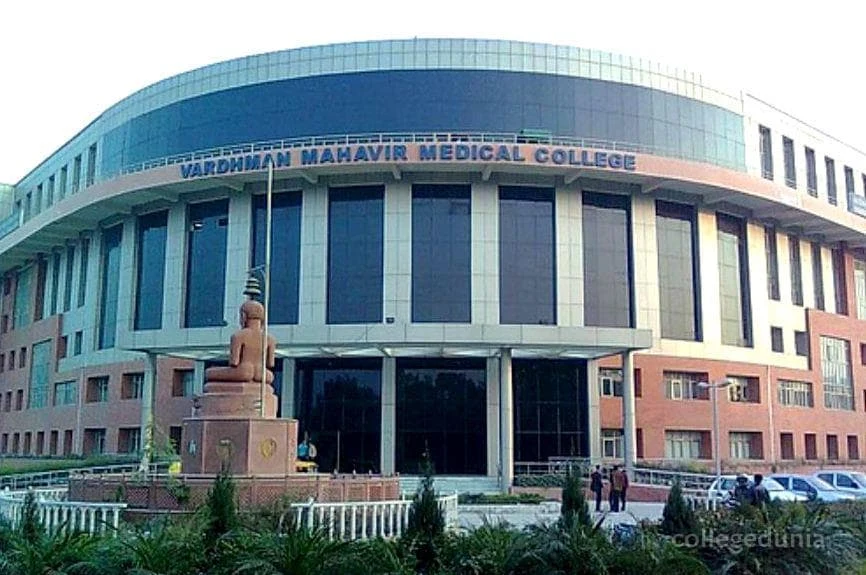
Vardhman Mahavir Medical College (VMMC) is a medical college attached to Safdarjung Hospital. Its graduates usually move into clinical training, postgraduate study and medical service, so a standard campus-placement package is not a complete way to describe their outcomes. The clearest comparable official figures located are VMMC’s own data submitted to the National Institutional Ranking Framework (NIRF) for India Rankings 2025. Those figures report graduates placed, higher studies and median salary per annum for named cohorts; they are not a live salary offer or a promise of a job after graduation.
For applicants comparing colleges, separate three questions: what the institution reported for a particular graduating cohort, what professional route the degree supports, and what current vacancies or counselling actually offer. NIRF’s table helps with the first question. It does not answer the other two by itself.
What the NIRF 2025 submission reports
VMMC’s NIRF 2025 data submission reports the following for its five-year undergraduate programme: for the cohort admitted in 2018–19 and graduating in 2022–23, 147 students graduated in the minimum stipulated time, 20 were recorded as placed, the median salary of placed graduates was ₹1,25,000 per annum, and 127 were selected for higher studies. The same submission reports UG cohorts graduating in 2020–21 and 2021–22 as well, with different counts and salary figures. These are historical cohort outcomes, not forecasts for the current intake.
For three-year postgraduate programmes, the latest cohort in the same NIRF submission is the group admitted in 2021–22 and graduating in 2023–24. It reports 240 graduating in the minimum stipulated time, 207 placed, a median salary of ₹1,48,000 per annum for placed graduates, and 20 selected for higher studies. The report also lists earlier PG cohorts, with their own denominators and outcomes. Do not compare these figures without keeping the graduating year and programme level attached.
The word “placed” is NIRF’s reporting category. In medicine, it should not be read as a conventional corporate placement count unless the institution explains that scope. VMMC’s page on academic programmes distinguishes MBBS and internship from postgraduate and super-specialty courses, while Safdarjung Hospital is the affiliated clinical setting. The public NIRF table does not break down what jobs or training positions make up the “placed” count, name employers, show individual offers, or describe whether every graduate pursued employment rather than higher study.
Why the salary figures need context
The NIRF 2025 submission labels the median salary as an amount per annum. For the cited UG cohort graduating in 2022–23, that reported median is ₹1.25 lakh a year; for the PG cohort graduating in 2023–24, it is ₹1.48 lakh a year. These values should be quoted exactly as NIRF reports them. They should not be multiplied by twelve or silently converted into a monthly stipend, and they do not represent the salary of every graduate.
Medical training involves different stages and payment arrangements. Internship, junior residency, postgraduate study and employment after qualification are separate contexts. The NIRF submission does not specify that its salary medians are an internship stipend, a junior-resident salary, a starting salary for a named specialty, or the take-home pay of all VMMC graduates. Applicants should therefore use the figures as limited historical data, and check the relevant government recruitment notice or course-specific rules for current pay, duration and eligibility.
Clinical and academic routes after MBBS
VMMC’s academic page lists MBBS and internship, postgraduate degree and DNB courses, and super-specialty programmes. These routes involve examinations, counselling, recognised qualifications and vacancies published by the relevant institutions or authorities. Finishing MBBS does not itself guarantee a postgraduate seat or a residency post at VMMC or another hospital. Selection depends on the applicable examination, rank, programme eligibility, counselling rules, available seats and recruitment criteria.
Applicants deciding between medicine and a conventional campus-placement course should compare the path after graduation, not only the NIRF “placed” column. Ask whether you are prepared for supervised clinical practice and further competitive selection, and whether your plan depends on entering a particular postgraduate specialty. For salary expectations, look at a current official appointment or stipend order for that exact role and year; an aggregate cohort median is not a substitute.
How to use the published outcomes
Read each NIRF row with its admission year, graduation year, minimum-time graduate count, placed count, salary period and higher-study count. In the UG 2022–23 row, for example, 20 placed and 127 selected for higher studies are distinct reported outcomes among 147 graduating in the minimum stipulated time. The table does not say that these categories capture every possible next step or explain any overlap. Avoid turning the values into a placement percentage without checking the reporting definitions and population covered.
The PG 2023–24 row is a different population and a three-year-programme reporting group. Its 207 placed graduates and ₹1.48 lakh annual median should not be compared directly with the five-year UG group as if both measured the same job market or role. NIRF also reports 20 PG graduates selected for higher studies. The official document offers a useful evidence point, but it is not a department-wise salary list or a current vacancy notice.
What to verify before choosing VMMC
Use the NIRF 2025 document as an official, backward-looking source. For a current decision, verify the latest NIRF edition and its submitted-data PDF, confirm the current MBBS and PG admission route, and check the applicable internship or residency notification for pay and service conditions. If a college representative or third-party listing quotes a higher monthly stipend or a placement rate, ask for the dated official order and the cohort or role it covers before comparing it with the NIRF annual median.
In short, VMMC’s outcome data should be read as a record of specific historical cohorts. Its professional pathway is clinical and examination-led; a reported placement count does not guarantee an offer, specialty seat, salary level or employment date for an incoming student.