

 Auditorium
 Cafeteria
 Campus Security
 Campus Wi-Fi
 Computer Labs
 Gym
 Hostel
 Sports Complex
 Study Library
Campus setting and daily use
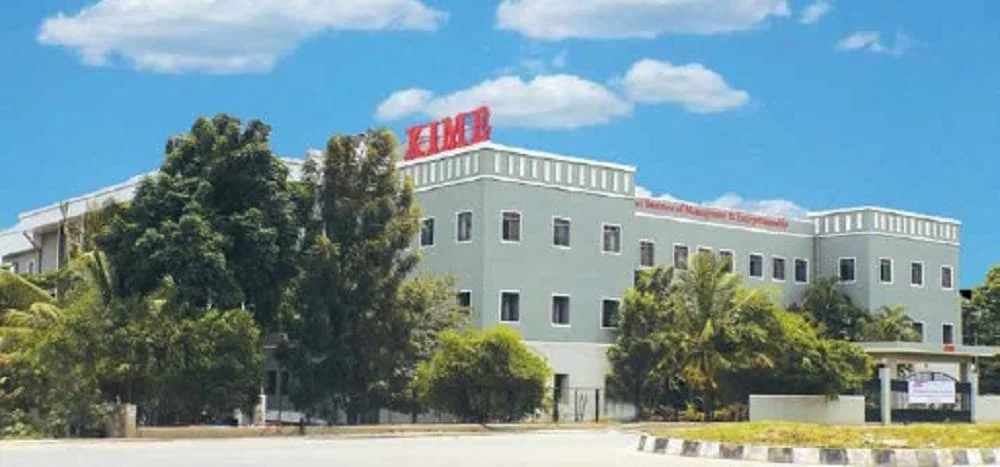
XIME’s Bangalore campus is in Electronics City, Phase II, on Hosur Road. The institute describes it as a residential campus, with academic, study, dining and recreation spaces used through the day. This matters when comparing a campus experience with a programme that expects students to commute from off campus: XIME’s current hostel page says students are required to stay in campus hostels unless formally exempted.
The facilities overview presents the campus as a connected learning environment, with smart classrooms, IT infrastructure, library resources, hostels, dining and outdoor or indoor recreation. These are descriptions of what the institute says it provides. They do not establish how busy a space is at peak hours, whether every resource is available to every student, or how current equipment compares with another school. If a specific tool or accommodation is central to your decision, ask to see it during a campus visit and confirm access rules with the relevant office.
Classrooms, technology and business simulation
XIME’s facilities page describes smart classrooms and learning spaces, high-speed campus Wi-Fi, modern IT labs, and digital integration with its learning-management and DigiCampus systems. It also lists a Business Simulation Room, where students can work through simulations and apply concepts in practical exercises. The institute separately describes Harvard Business Impact cases and simulations among its learning resources.
For an applicant, the useful question is how these resources fit the curriculum. Ask which courses use the simulation room, what software or data access is included, whether students can use lab equipment outside scheduled classes, and what support is available for technical issues. A facility listing confirms the institute’s published description; it does not promise unrestricted or individual access to each platform.
Library and research support
The Library and Knowledge Centre page describes more than 20,000 volumes, e-journals and databases including EBSCO, CMIE Prowess, Statista and Scopus. It also mentions quiet study zones and an online public access catalogue (OPAC). The page lists software and research-support services such as academic writing assistance and plagiarism checking, alongside library network and open-access resources.
These resources may be useful for case preparation, market analysis and research projects. Before relying on a particular database, verify whether student access is campus-wide or limited to the library, whether credentials remain active off campus, and whether there are usage limits or additional costs. Ask about opening hours during exam periods and the process for requesting material through inter-library services. Those practical details are not stated in the facilities summary.
Hostel, dining and residential conditions
The Hostel page describes XIME Bangalore as fully residential and says students are expected to stay in campus hostels unless formally exempted. It lists furnished rooms with study tables and storage, Wi-Fi, purified and hot water, laundry, housekeeping, electricity backup, study corners and indoor games. The page also describes separate arrangements for men and women and a student-faculty mess committee for dining.
Room type and comfort can affect the day-to-day experience. The hostel page says non-AC rooms are the default and that AC rooms are available at an extra tariff; it also mentions limited triple-sharing options. Confirm the room category, meal arrangements, current charges, whether a preferred room is guaranteed, and the exemption process before paying. Use the current fee schedule for the amount: facilities descriptions can change, and a room feature is not the same as a price commitment.
Sports, fitness and time outside class
XIME’s sports page lists a basketball court, a ground for cricket, football and outdoor sports, indoor games such as table tennis, a gymnasium and fitness facilities, and sports committee-led tournaments and activities. The infrastructure page also mentions a large sports ground, indoor games and a well-equipped gym. The institute’s hostel description adds common study and recreational areas.
If regular sport or fitness access is important, ask about booking rules, operating hours, equipment, maintenance and whether hostel residents can use the spaces outside class hours. The public pages identify the types of facilities but do not provide a schedule, capacity or current equipment inventory. A campus visit is the clearest way to judge the spaces you expect to use.
Sustainability and campus operations
The infrastructure page describes sustainability measures including solar panels, rainwater harvesting, sewage treatment, waste segregation and a no-plastic policy. These features are relevant to how the campus is managed, but the page does not provide a recent energy or water audit, measured savings, or an independent performance report. Treat them as institute-described systems, not quantified environmental outcomes.
Applicants interested in sustainability can ask which systems currently operate, how students can participate in campus initiatives, and whether the institute publishes monitoring data. The same approach applies to all facilities: distinguish a listed resource from evidence about its maintenance, access and measurable performance.
What to verify before choosing
Use the facilities pages as a visit checklist. See the classrooms, library, labs, hostel room options, dining area and sports spaces that you would actually use. Ask about Wi-Fi coverage, access to licensed databases and simulation tools, library hours, hostel exemption rules, room allocation, food arrangements, and the current fee schedule. If a facility appears in a brochure or on a page, confirm that it is available at the Bangalore campus and during your intake.
For costs, refer to the separate Courses & Fees information and get a written current breakdown of tuition, hostel charges, deposits and optional extras. For facilities, ask who manages each service and how to report problems. The public descriptions provide a useful map of the campus, while a visit and written answers can resolve the access and availability details that the pages leave open.