Loading Admission Guardian content
Loading Admission Guardian content

Provisional score based on available data. It may change as more information is verified.
Find a program, read its fee details and explore the admission requirements.
Summary of the programs shown below. First-year fee. Check the note beside each amount for inclusions and exclusions.
| Course | Stream | Fees |
|---|---|---|
| Post Graduate Diploma | Medical | 894850 |
| M.B.B.S. | Medical | 965200 |
| Doctorate of Medicine [MD] | Medical | 1198760 |
| Master of Surgery [MS] | Medical | 1198760 |
Specializations
All accepted exams
Eligibility: 10+2 with 50% + NEET
Specializations
All accepted exams
Eligibility: MBBS with 50% + NEET
Specializations
Eligibility: MBBS
1 exam with cutoff data available
If you're looking for a medical college where you'll learn medicine by seeing it, not just reading about it, ACPM Medical College in Dhule is a serious contender. Forget the polished campuses and city comforts—this place is about volume. Its 500-bed teaching hospital sees over a thousand outpatients daily, a number that makes most private colleges in metros look quiet. That's the trade-off. You get a clinical powerhouse built in the 1990s, with infrastructure that shows its age but a patient load that provides an education you can't fake. It's a choice between comfort and competence, and for many students focused purely on becoming good doctors, the latter wins.
The academic structure here is straightforward and follows the MUHS curriculum. The MBBS program is the heart of the college, running for four and a half years of study plus a mandatory one-year rotating internship. The intake is firmly 100 seats, as per official NMC records—ignore any older mentions of 150.
For postgraduates, the college offers a range of MD and MS programs with a total of about 39 seats. The seats are distributed across specialties, with General Medicine, General Surgery, and Orthopaedics having the highest intake at 4 seats each. More niche specializations like Radio Diagnosis have just 1 seat. You can find the full, official list of programs on the ACPM website.
Faculty strength is decent, hovering between 150-165 members. The non-clinical departments, in particular, have a significant number of PhD holders, like Dr. Aarti Karni (Mahale) in Biochemistry. The teaching approach is integrated, blending pre-clinical and clinical subjects early on. The grading is strict—you need 50% to pass in both theory and practicals, with the 60-40 internal-external assessment split common in MUHS colleges. It's a no-frills, exam-focused system that gets the job done.
Let's be clear: medical colleges don't have "placements" like engineering schools. Your career path is built on your internship, your NEET-PG rank, and the hands-on skills you've gathered.
At ACPM, the mandatory internship comes with a stipend. Officially, it's between ₹11,000 to ₹18,000 per month, as per state norms for private colleges. Some student reviews suggest the actual amount received can be on the lower end of that range, around ₹10,000-₹15,000. It's not a salary; it's a stipend for the final year of your training.
After MBBS, most graduates either crack NEET-PG to specialize, join government health services as Medical Officers, or enter private practice. As a Medical Officer in Maharashtra, the starting salary typically ranges from ₹70,000 to ₹85,000 per month. A significant chunk of each ACPM batch does secure MD/MS seats in government colleges through the highly competitive NEET-PG exam, which is a key metric of the college's academic output.
The fees are regulated by the state's Fee Regulating Authority (FRA), which means they're standardized but not low. For the open category, you're looking at ₹8.28 to ₹9.01 lakhs per year just for tuition. There's a steep discount for OBC/EBC categories (approx. ₹4.14-₹4.58 lakhs) and SC/ST students have their tuition fees fully covered.
But tuition is just the start. Hostel fees add another ₹1 lakh annually. Mess charges range from ₹52,000 to ₹75,000. Then there are the one-time deposits: a ₹1 lakh caution money (refundable) and about ₹50,000 for library and gym deposits. When you tally it all up over five and a half years, the total cost for an open category student lands between ₹55 to ₹65 lakhs. It's a massive investment.
Financial aid is largely limited to the government-mandated fee structure for reserved categories. The college itself doesn't prominently advertise extensive scholarship programs for general category students, so planning your finances upfront is critical.
Your ticket in is your NEET-UG rank. The selection for all seats is done through the centralized Maharashtra state counseling process (CAP rounds). For the 2024 cycle, the cutoffs for the state quota seats give you a sense of the competition:
These numbers shift every year based on exam difficulty and applicant patterns, but they place ACPM as a solid mid-tier option in the state. The application window opens after NEET results, usually in June-July. And there's a catch: a mandatory one-year rural service bond. If you don't fulfill it, the penalty is a hefty ₹10 to ₹15 lakhs.
This is where student opinions diverge sharply from the brochure. The campus is functional, not fancy. The academic and college area spans about 14 acres, with the broader foundation covering 40. The 500-bed hospital is the crown jewel—busy, slightly chaotic, and incredibly educational.
The hostels are a common pain point. They're separate for boys and girls, but reviews consistently describe aging buildings and cramped rooms typically shared by three students. The food in the mess is often criticized as oily and repetitive, pushing many students to eat at local dhabas on the highway.
Amenities are basic. The library has a good collection of over 15,000 books and digital access, though some first-years mention restricted access to certain sections. There's a large playground and an indoor games room. Wi-Fi is available in the college building but is notoriously absent or poor in the hostels. And then there's Dhule's weather. Summers are brutal, hitting 42°C+, and the college charges an extra fee (around ₹1,500/month) if you want to install a personal air cooler in your room.
Social life revolves around the annual fest, "Evergreen," which is a major highlight with cultural events and sometimes celebrity visits. The atmosphere is generally reported as ragging-free, with seniors being helpful, especially with clinical notes and PG prep advice.
Scouring forums like Reddit's r/medicosindia and Quora reveals a clear, almost unanimous consensus. ACPM is a "Clinical Powerhouse" with "Aging Infrastructure."
Students who thrive here are those who prioritize learning. They rave about the unmatched patient exposure. "You'll see rare cases here that students in city colleges only read about," is a common refrain. The faculty, particularly the senior professors, are praised for being approachable and emphasizing fundamental clinical skills over just test reports.
The negatives are just as consistent. The infrastructure is dated. The hostels are subpar. The management is often described as bureaucratic and slow to respond. The location in Dhule is quiet—a pro for those wanting to focus on studies, a con for those seeking a vibrant city life.
It's not a glamorous choice. But for a certain type of student—one who is resilient, self-driven, and clinically curious—the reviews suggest it's a remarkably effective one.
ACPM Medical College presents a very clear value proposition. It's worth it if you are a student who defines a "good college" primarily by clinical exposure and are willing to trade campus luxury for hands-on experience. The high patient load at its hospital is an undeniable asset that can make you a confident, skilled clinician. If your sole focus is to learn medicine deeply and prepare for a successful NEET-PG attempt, the quiet environment and strong faculty support work in your favor.
You should probably look elsewhere if you prioritize modern infrastructure, a comfortable hostel life, or an active metropolitan social scene. The fees are high for a college with such basic amenities, and the additional costs for things like cooling your room add up. It's a financially significant decision for a no-frills experience.
In short, ACPM is a workhorse, not a showhorse. Choose it for the medicine, not the marble.
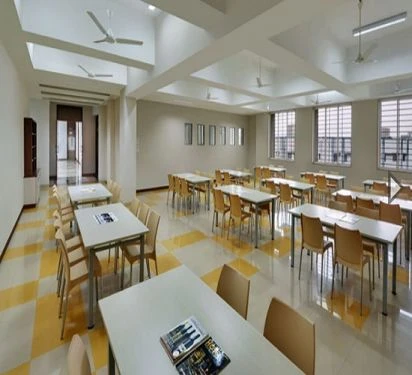
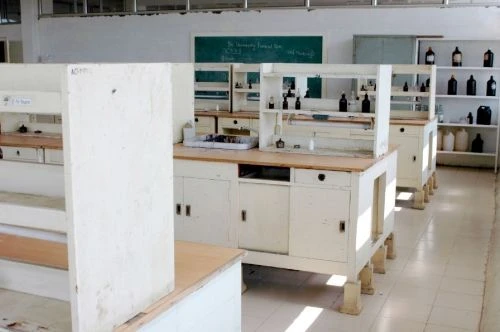
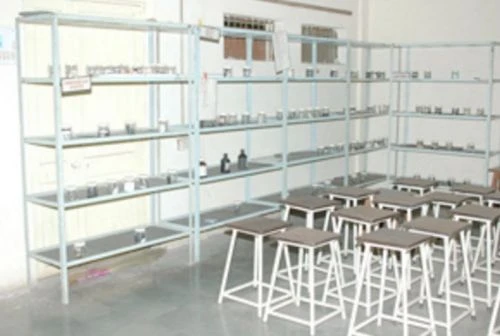
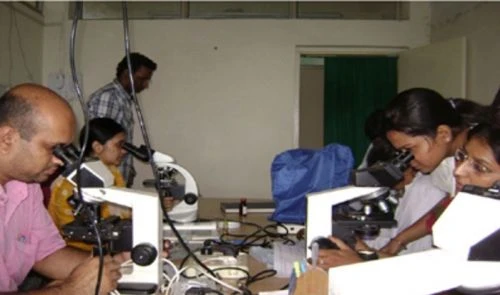
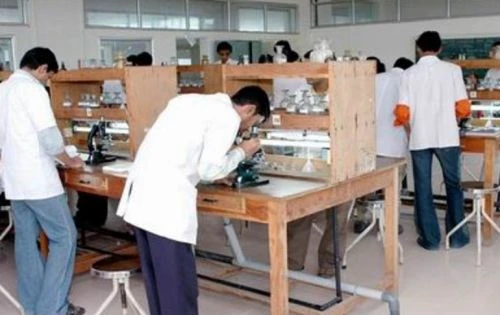
In this preview: 5 photos · 0 videos
Yes, ACPM Medical College is considered good for MBBS, particularly for students who value extensive clinical experience. The college's biggest strength is its attached hospital, which has a very high patient volume, providing ample hands-on training.
For the academic year 2024-25, the approximate MBBS fee for the Open category at ACPM Medical College is between ₹8.3 to ₹9.0 Lakhs per year. This fee is for tuition and does not include additional costs for hostel accommodation and mess charges.
Hostel rooms at ACPM Medical College in Dhule are typically shared accommodations. Single rooms are generally not available, with rooms usually being shared by three students.
All MBBS students at ACPM Medical College are required to fulfill a one-year rural service bond after completion of their degree. Students who do not wish to serve must pay a financial penalty, which is currently set at ₹10 Lakhs.
ACPM Medical College, Dhule, maintains a strict anti-ragging policy. Based on current student reviews and official reports, there have been no major ragging incidents reported on campus in recent years.
Share what future students should know about ACPM Medical College.
Student voices are not rewritten by colleges. We remove spam and abuse.
Wider admission question? Community PulseWhat should future students know?
Tell us which course you're considering. We'll help you work out the next step.
Get instant Partner access after mobile verification. Your public edits are reviewed before they go live.
Claim this college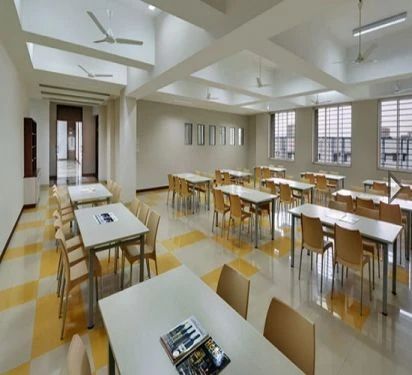
 Cafeteria
 Gym
Gym Hostel
 Medical
 Science Labs
 Sports Complex
 Study Library