
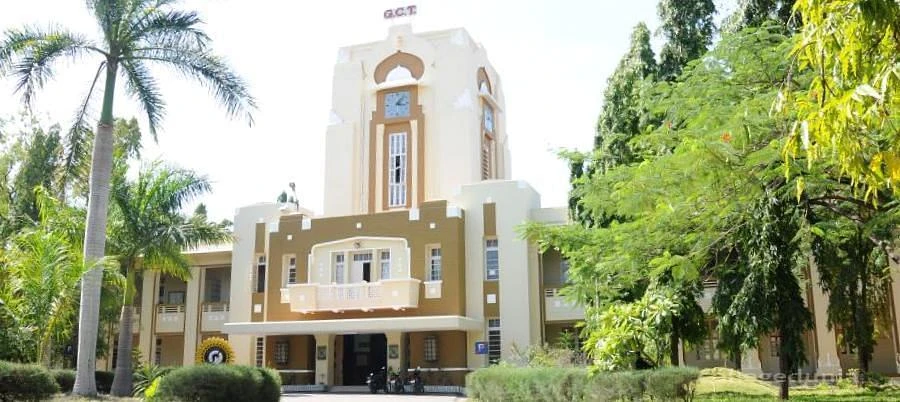

 Auditorium
 Cafeteria
 Computer Labs
 Gym
 Hostel
 Medical
 Science Labs
 Sports Complex
 Study Library
Hostel blocks and how the mess is organised
GCT’s official hostel information lists four separate girls’ hostel blocks and seven boys’ blocks, with stated boys’ accommodation capacity of 1,700. The page says the hostels are managed by a committee that includes students and faculty, operate on a no-loss/no-gain basis, and use a dividing system for mess bills. These details describe the published arrangement; they do not confirm a room for every admitted student or a current fee quote.
Students who expect to live on campus should ask the hostel office about current vacancy, allotment priority, room sharing, deposits, mess charges and the date when new residents can move in. The published site also links separate boarding rules, hostel rules and girls’ hostel visiting-hour information. Read the latest rule document directly before making travel plans, since a linked page may be updated independently of the hostel summary. Ask the relevant warden whether the rules differ by block or student category.
The “no loss, no gain” and dividing-system descriptions matter for budgeting: a mess bill may depend on the costs shared by residents rather than a fixed annual food charge. Do not treat a previous student’s bill or a general hostel figure as the amount you will owe. Confirm whether electricity, amenities, deposits, repairs and vacation periods are billed separately, and whether the current fee certificate covers hostel charges or only the academic fee.
Central, digital and department libraries
GCT’s library page describes a central library with more than one lakh documents, including technical books, reports, standards and journal back volumes. It also says departments maintain their own libraries and describes a digital library. The page lists a textbook bank and online journal resources, which can matter when comparing access for core engineering subjects, project work and individual study.
The same page gives operational figures for print periodicals, e-journals, bound volumes, textbook-bank books and digital-library computers. Those figures are displayed without a clear “as of” date, so they should be treated as published inventory rather than a guarantee that every title, database or device is available today. Check the current library catalogue, opening hours, borrowing rules, remote-access arrangements and whether students in each programme can use the departmental collections.
For a prospective student, a practical visit should test how the facilities support actual study: whether the library is open outside class hours, how group rooms or quiet areas are assigned, whether online resources work off campus, and how textbook-bank borrowing works when required books are in high demand. These are useful questions because the website describes the collection but does not state current access hours or service limits on the cited page.
Campus connectivity and shared services
GCT’s 2022-23 quality-assurance report describes 24-hour Wi-Fi availability on the campus and in hostels. That is a dated institutional report, not a real-time service-level guarantee. Ask current students or the college whether coverage reaches the rooms, labs and study spaces you expect to use, whether students need separate credentials, and whether the service has data or device restrictions.
The college website also links practical campus services and student-support committees, including an equal-opportunity cell, anti-ragging committee, grievance channels, an internal complaints committee and a women’s empowerment cell. These links provide starting points for finding responsible offices; they do not by themselves establish response times, staffing or a particular support outcome. Save the current contact details and escalation route when you enrol, and confirm that the linked information is current.
GCT’s 2025-26 AICTE mandatory disclosure also describes institution-level and department-level grievance mechanisms. Because committee membership and contact routes can change, use the latest disclosure or current college page when you need to raise an issue. For sensitive concerns, check which office is responsible and what confidential reporting route is available rather than assuming that a general committee link is the right channel.
GCT’s site separately lists facilities such as laboratories, a computer centre, sports, a cafeteria, medical support and an auditorium in its institutional profile. Availability, operating hours and access may depend on a student’s programme, timetable or campus rules. Ask the department which laboratories are used in the first year, how practical sessions are scheduled, and what students must bring or pay for; confirm cafeteria and medical-service hours if those affect your daily routine.
What to verify before choosing accommodation or services
The published facilities information is useful for identifying the services to investigate, but it leaves practical details open. Before accepting a hostel place, get the current fee schedule and allotment conditions in writing, including the mess billing method and refund rules. For library use, verify hours, loans, e-resource access and the availability of course textbooks. For connectivity, ask whether the dated Wi-Fi statement still reflects the current network. For student support, check the active contact person and whether an office has a confidential route for sensitive issues.
Keep facilities separate from academic outcomes. A large document collection does not establish a current course’s laboratory capacity, and a hostel block count does not establish vacancy. Match the facility information to the exact programme and academic year, then compare it with the current timetable, fee documents and written office guidance. GCT’s hostel page and library page are the best starting points in the captured official material; confirm current operational details with the college before relying on them.