

 Auditorium
 Bank & ATM
 Cafeteria
 Campus Security
 Computer Labs
 Gym
 Hostel
 Medical
 Science Labs
 Sports Complex
 Study Library
 Swimming Pool
Confirm the campus before comparing facilities
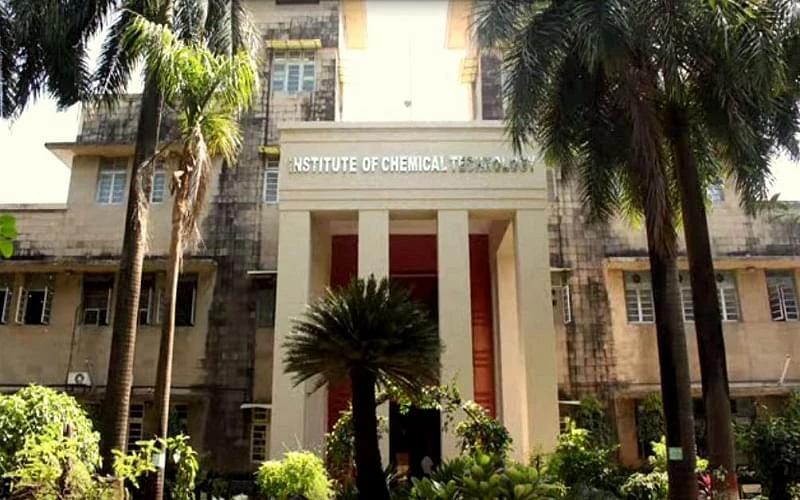
ICT’s handbook for 2024-25 describes three locations: the main campus in Mumbai and off-campus locations at Bhubaneswar, Odisha, and Marathwada, Jalna. The same edition describes the Mumbai campus as 16 acres. These are institution-reported, dated descriptions; they do not establish which current programme is taught at each location, current campus capacity, or whether every listed resource is available to every student. Read the ICT handbook.
For a shortlist, treat “ICT” and “ICT Mumbai” as insufficient location detail. Confirm the teaching campus for the exact degree, whether the course requires rotations or project work at another site, and where examinations, administrative work and student support are handled. The handbook covers the institution and its multiple locations, so a facility mentioned at institute level should not automatically be assumed to sit beside every programme.
The distinction affects day-to-day fit. A student living in Mumbai should estimate commute to the assigned campus, not the institute’s main address if the chosen programme is elsewhere. An out-of-city applicant should compare the assigned campus with available accommodation, public transport, food and essential services. Those are individual checks: the 2024-25 handbook does not document current travel times, current accommodation availability, or neighbourhood services for a 2027 entrant.
Facilities named in the available official handbook
The 2024-25 handbook includes information about the Professor M. M. Sharma Library, hostels, counselling and a central placement cell. That supports treating these as resources to ask ICT about, but it does not verify opening hours, seat or room capacity, service eligibility, current staffing, accessibility arrangements, or 2027-28 operating status. The handbook’s separate hostel-fee note says hostel fees are charged additionally when candidates opt for hostel accommodation. It does not confirm a room offer, current charge, mess inclusion or allocation priority.
Use the resource list to frame specific questions rather than as a quality rating:
- Library: Ask where the collection and reading spaces are located relative to your programme, what access is provided outside class hours, and whether digital resources can be used off campus.
- Hostel: Confirm which campus has student housing, who may apply, how places are allocated, what the current room and mess charges include, and what backup accommodation students use if no room is offered.
- Counselling: Ask which services are available to enrolled students, how appointments are booked, whether urgent support is available, and what accessibility or language options exist.
- Placement support: Confirm whether the central placement cell serves your specific programme and campus, what participation requirements apply, and where programme-level outcome data can be obtained. A central office’s existence does not establish a particular service level or placement result.
The handbook describes ICT’s Mumbai site as a 16-acre campus, but area alone cannot tell an applicant whether a route is accessible, whether a particular department is nearby, or how crowded common areas are. If these factors matter, request a current campus map and access information, and arrange a visit or remote walkthrough before making a non-refundable payment. Do not infer ramps, lifts, accessible rooms, health care or transport from a general campus description.
Check residence and support as separate decisions
Build your living plan in two stages. First, establish the campus and timetable for the programme. Then confirm whether you have a place to stay near that location and what it costs. ICT’s older handbook lists hostel accommodation and states that hostel fees are additional for students opting for it, but it gives no verified 2027-28 amount or guarantee of availability in the evidence used here. Keep accommodation and meals as separate budget lines until a current written schedule says they are bundled.
Before paying a deposit, request written answers to these questions:
- Which campus will host my full programme for the first year, and can that location change during the course?
- Is hostel accommodation available to this programme and campus for my admission year? What is the application deadline, allotment method and refund rule?
- Which facilities are on that campus, and which require travel to another location?
- How do students access library, counselling and placement services, and are there programme or eligibility limits?
- What accessibility arrangements are documented, and whom should an applicant contact to discuss an individual requirement?
- What are the current residence, mess, transport and other campus charges, and which are one-time or refundable?
Ask the admissions office or department for programme-location details, the hostel office for current accommodation rules and charges, and the relevant student-support office for service access. Save the reply with its date and year. If a current answer is not published, treat the item as unconfirmed and compare alternatives on the facilities you can verify rather than assuming the older handbook remains current.
A needs-based fit test
Write down the facilities that are essential for your daily routine and those that are preferences. For example, an applicant who needs on-campus housing should confirm allocation and costs before comparing a campus with a nearby private rental option. Someone who depends on accessible routes should ask about the specific teaching buildings and residences, not rely on a general campus statement. A student who expects intensive career guidance should ask how the central placement cell works with the exact programme and request outcomes with their cohort and denominator stated.
The material available for this page is the 2024-25 institutional handbook. It names several useful facilities and locations, but current programme allocation, service details, hostel availability, accessibility provisions and charges remain unverified for 2027-28. That is a meaningful evidence gap, not proof that a service is absent. Confirm each need with the responsible office and use the current answer to make the final campus comparison.