
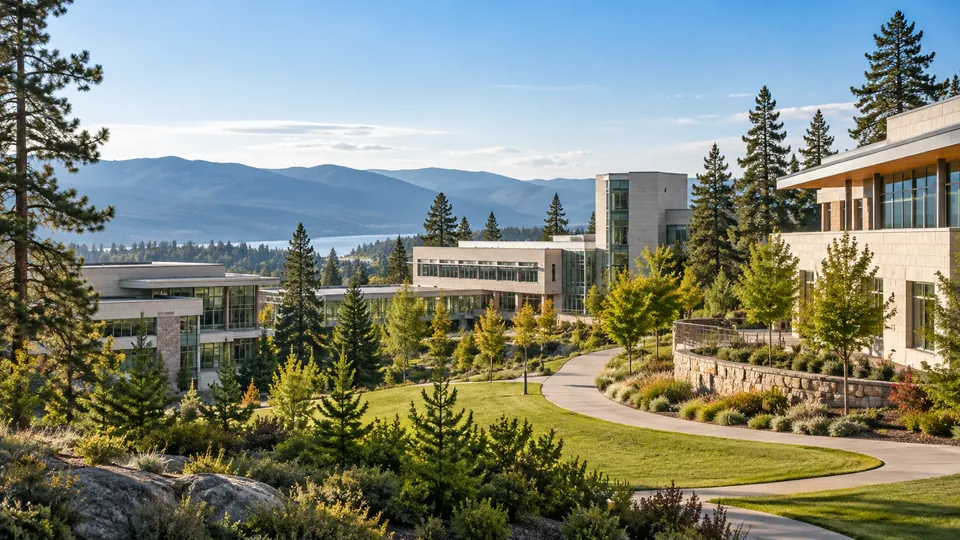

 Auditorium
 Cafeteria
 Medical
 Science Labs
 Sports Complex
 Study Library
NIFT Delhi campus facilities for design and technology study
NIFT’s New Delhi campus combines specialist making spaces with rooms for research, critique and presentation. The campus page describes design studios, pattern-making and garment-construction laboratories, textile and craft workshops, and computer-aided design facilities supporting its programmes. That range is relevant to applicants comparing a fashion campus with a lecture-only setting: students can expect coursework to involve both conceptual development and practical work with materials, garments and digital design tools. NIFT’s public page does not, however, give a room-by-room equipment inventory, software list, access hours or student-to-equipment ratios.
The campus has a long institutional history. NIFT says it began in Delhi in 1986 from a provisional two-room facility and moved to a permanent campus in 1994. The current building was conceived by architect Dr B.V. Doshi and draws on the Indian baoli, including a central step-well for rainwater conservation. This architectural feature gives the campus a visible connection to water management and the building’s design; it should not be read as a published measure of the campus’s environmental performance.
NIFT lists seven bachelor’s programmes and three master’s programmes at New Delhi. Its campus catalogue names Accessory Design, Apparel Production, Fashion Communication, Fashion Design, Knitwear Design, Leather Design and Textile Design at undergraduate level, with M.Des, M.F.M. and M.F.Tech. postgraduate programmes. The campus page says its studios, labs, workshops and CAD facilities support all ten programmes. For applicants, the useful question is how a named facility is used in the specific department: the needs of apparel production, textile work and fashion communication are different even if some shared campus spaces are available to all.
Research, display and campus activity
The campus page also lists a Resource Centre with books, periodicals and material samples, alongside an auditorium, exhibition spaces and seminar halls. These facilities give students places to research references and materials, present work, and take part in academic or industry discussions. The description is a useful campus-level catalogue, but it does not state the current collection size, opening hours, loan rules, digital database access or booking procedure. Applicants who rely on a particular material archive or study schedule should ask the relevant department or Resource Centre for current access details.
An August 2026 Handloom Day account on the same campus page shows how some spaces were used for one event: a mini craft bazaar occupied the third floor on 6 and 7 August, an exhibition of textile design student work was on the second floor, and a panel discussion took place in the fourth-floor auditorium. This is a dated example of student display and public programming, not proof that the same floors or halls are continuously open for general use. It does show a practical link between craft, student work and the campus’s exhibition and auditorium spaces.
The event account says the panel engaged first-semester students in discussion about design innovation and sustainable consumption. That is a concrete example of an auditorium being used for an academic conversation alongside the exhibition and bazaar, rather than as a purely ceremonial hall. The page does not say whether all students may attend every event, so ask the campus about notices, registration and access before planning a visit around a particular programme.
For a prospective student, exhibitions and critiques matter because finished design work has to be communicated as well as made. NIFT’s page identifies dedicated spaces for display and seminars, but does not provide a calendar of upcoming events, audience limits or rules for external visitors. Ask whether students can book space for course reviews, what display access is available to each department, and whether evening events require advance registration. A virtual tour is linked from the New Delhi campus page, which can help with orientation but cannot replace confirmation of current access arrangements.
Accommodation and amenities need direct confirmation
NIFT describes residential accommodation, sports facilities and student amenities as part of the New Delhi campus. The published overview does not state hostel capacity, room types, whether rooms are available to every year or programme, current charges, meals, sports equipment, access hours or the process for allotment. Applicants should therefore treat the listing as confirmation that these facilities are part of the campus profile, not as a guarantee of a hostel place or a particular service.
If living on campus is important to your decision, ask NIFT Delhi for the current hostel notice and the rules for the relevant intake. Confirm who may apply, how places are allotted, what charges are payable, whether meals or utilities are included, and when students receive an allotment decision. If you expect to commute, check the campus address and travel arrangements independently; this article does not estimate travel times or nearby rents.
The facilities description is strongest on academic infrastructure and less specific about day-to-day access. A useful campus visit or direct enquiry should focus on your intended programme: which studios are used in each semester, what work requires personal materials, how students access the computer-aided design labs, where projects are exhibited, and what happens when labs are booked. Ask current students and the department about accessibility, maintenance and operating schedules if those affect your study plan. NIFT’s public catalogue establishes the types of spaces present, while these operational details still need confirmation from the campus.