
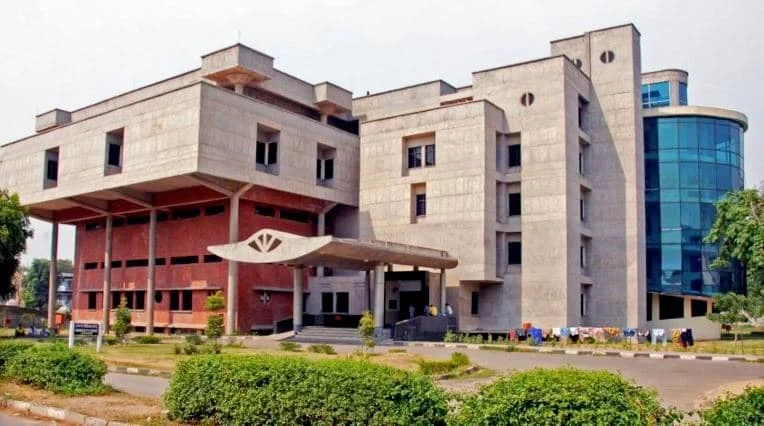

 Auditorium
 Cafeteria
 Campus Security
 Campus Wi-Fi
 Communication Centre
 Computer Labs
 Hostel
 Medical
 Science Labs
 Sports Complex
 Study Library
Resident housing is on campus, but allotment and charges need confirmation
PGIMER’s July 2025 MD/MS Part B prospectus describes partially furnished hostel accommodation within the institute campus. It says accommodation is allotted by the hostel warden, residents pay the normal charges, and a ₹5,000 security deposit is refundable when the room is vacated. The same prospectus says mess and canteen facilities are available on campus. These are useful planning details for the MD/MS session covered by that prospectus; they do not establish current room availability, the exact room assignment or current monthly hostel and mess charges for a 2027-28 entrant.
For sponsored candidates, the prospectus sets a different position: sponsored candidates are not provided hostel accommodation under the stated MD/MS terms. It also refers to foreign-national residents who are allotted hostel accommodation and says hostel charges are payable in advance for six months. Applicants should confirm their category’s current terms rather than extrapolating the non-sponsored resident rules. The prospectus describes hostel security and normal charges but does not give a current itemized room rent or mess tariff in the cited section.
Before accepting an offer, ask the Academic Section or the relevant hostel office whether your programme and category are eligible, how allotment priority works for the session, when rooms are assigned, what the current deposit and recurring charges are, and whether the mess arrangement is optional. Confirm what “partially furnished” means for your allocated hostel and room. A campus hostel reference does not guarantee that a place will be available to every admitted student, so make a backup accommodation plan until the allotment is confirmed in writing.
Library and study access
PGIMER’s Dr Tulsi Das Library is identified in the July 2025 MD/MS prospectus as a resource for faculty and postgraduate students. That document reports more than one lakh print books, bound journals and theses, about 2,000 e-journals and e-books including videos, and around 38 databases. It says members can access the digital material through the library gateway and that the library has a separate reading room for residents and members available for 24 hours. These are figures and access terms in a 2025 prospectus; check the Library’s current catalogue, subscriptions, membership rules and hours before relying on a specific database or visiting outside normal service hours.
PGIMER’s Library rules page lists the library itself as open from 9:30 a.m. to 6:00 a.m. and says the reading room operates around the clock except on gazetted holidays. It also lists different book and journal loan periods and requires a membership card for borrowing. These service details may be revised, so verify the live Library notice if a specific holiday, lending entitlement or access time matters. Digital access is described as a member service in the prospectus, which means the reported e-resource count should not be read as public access without an account.
For a prospective student, the practical questions are whether your course grants library membership, whether remote access works after enrolment, which databases your discipline can use, and whether reading-room hours change during holidays or maintenance. The sources establish the presence of an academic library and study room, but they do not guarantee uninterrupted access to every resource or a particular study seat.
Accessibility and movement across the campus
In PGIMER’s institution-submitted NIRF Overall 2025 data, the accessibility section reports lifts or ramps in more than 80% of the institution’s buildings. It also reports provision of walking aids, including wheelchairs, and transportation between buildings for students with disabilities, and specially designed toilets in more than 80% of buildings. This is a useful institution-level disclosure. It is not a route-by-route audit, does not establish that every hostel or classroom is accessible, and does not describe the condition of a particular lift or ramp today.
If you have a mobility, sensory or other access requirement, contact PGIMER before travel and ask about the exact department, hostel block, lecture or examination location, routes between buildings, accessible toilets and how to arrange a wheelchair or inter-building transport. Share the functional accommodation you need and request a written response for your planned location. The NIRF filing gives a broad picture of provisions reported by the institute, but a student should verify the practical details that affect their own daily route.
The prospectus and NIRF filing have different scopes: the MD/MS document describes resident facilities and the library, while the NIRF questionnaire reports institution-wide accessibility provisions. Keep those scopes separate when comparing PGIMER with another campus or evaluating an individual building.
Recreation and shared campus services
The July 2025 MD/MS prospectus lists indoor and outdoor activities including table tennis, badminton, cricket, lawn tennis and football. It also refers to a water-sports complex near the men’s hostel and describes an Institute Cultural Programmes Committee that organizes events and participation in cultural activities. These references support the presence of sports and cultural facilities in the institute’s prospectus. They do not state current opening hours, booking rules, membership charges, equipment availability or whether each activity is open to every programme and hostel category.
The same document mentions an auditorium and on-campus mess or canteen facilities. As with recreation areas, use these as indicators of campus services, then confirm schedules, access rules and current operating arrangements with the responsible office. PGIMER is a large medical institute, and a named facility may serve teaching, research, patient care or staff as well as students; a listing alone does not establish student access at all times.
For a realistic campus plan, verify three things close to your joining date: your accommodation allotment and current costs, access to the library and digital resources for your student category, and the route and support available for any accessibility requirement. The official sources give useful facilities context, but details that change by session or building should be confirmed directly rather than inferred from an old prospectus.