
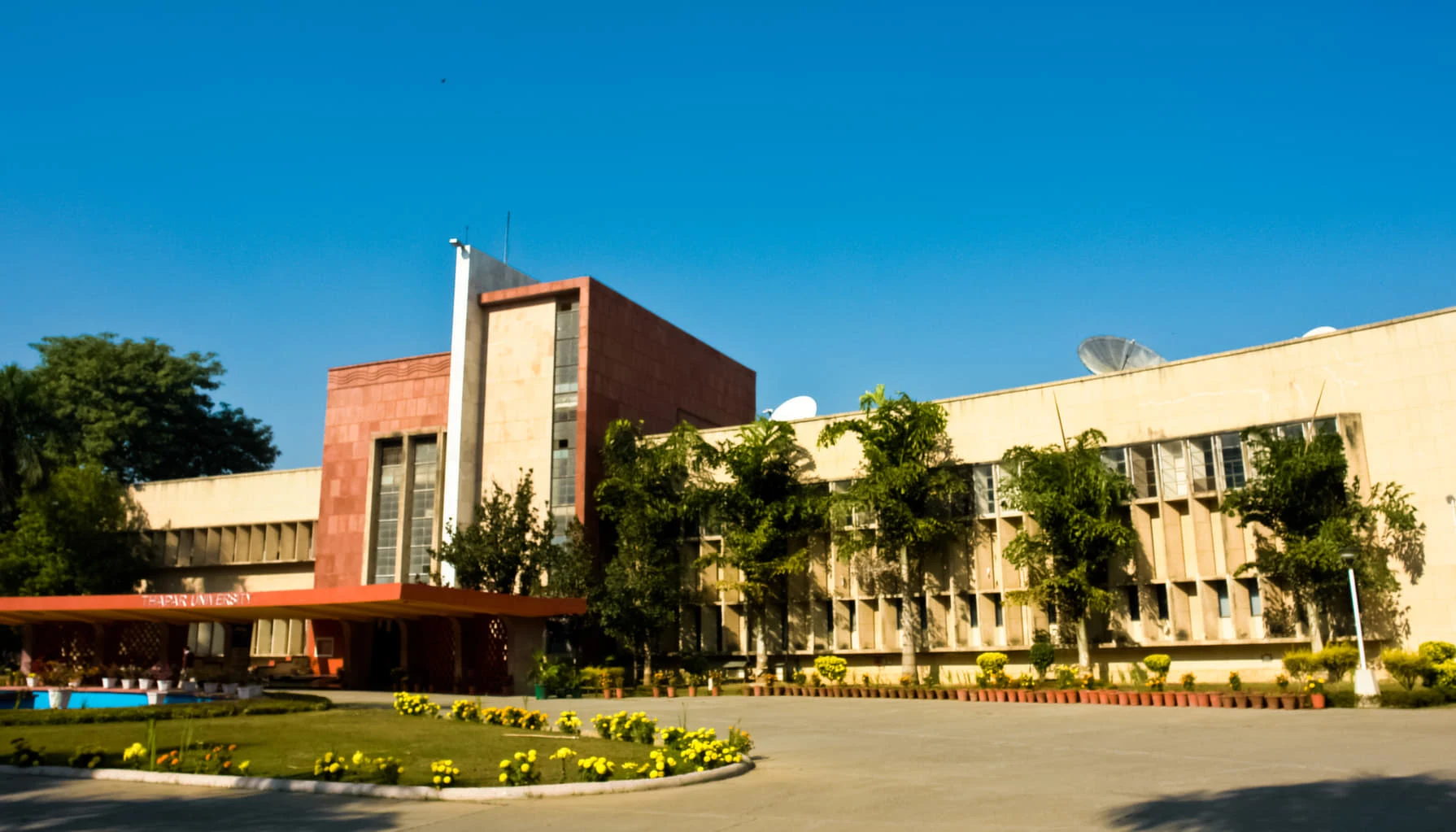

Thapar Institute admission guide: what 2027 applicants should verify
If you are planning for the 2027 intake at Thapar Institute of Engineering & Technology (TIET), use the 2026–27 material as a guide to the Institute’s published routes, not as a promise that the next cycle will repeat them. As checked on 15 November 2026, the official admissions portal labels 2026–27 applications closed; the Institute has not announced 2027–28 dates, eligibility, entrance routes, merit rules or counselling rounds on the pages reviewed. Start by checking the current official admissions portal and the session prospectus before paying or relying on any older notice. The Institute’s Patiala contact point is P.O. Box 32, Bhadson Road, Patiala, Punjab 147004; admissions enquiries are listed at 1800 202 4100 and [email protected]. TIET admissions portal · TIET programme catalogue
First identify the programme and applicant route
TIET’s programme catalogue separates undergraduate study, postgraduate study and PhD, and lists distinct options such as BE, BTech Biotechnology, lateral entry, the International Engineering Programme, ME/MTech, MCA, MSc, MA and doctoral study. Do not treat every programme as one common application. The 2026–27 admissions page also separates undergraduate and postgraduate documents, and the 2026–27 AICTE approval lists engineering programmes under their own names and levels. For applicants, the useful first step is to choose the exact degree and department, then open that programme’s session-specific admission document. A broad search result or an old programme page may describe the subject but not the current seat route or eligibility.
For a standard four-year BE Computer Engineering applicant, TIET’s programme page currently describes the duration as four years and lists “+2 and JEE Main” as eligibility. The page is a useful course identity check, but it is not a substitute for the 2027 prospectus: confirm the required subjects, marks threshold, entrance score handling, eligible examination year, application category and any branch-specific alternatives in the new session’s rules. Some programmes can have different qualifying subjects or entry methods. The 2026 admission portal’s programme list should therefore be read programme by programme; do not assume a route shown for a particular branch applies to all engineering degrees. BE Computer Engineering details
Applicants who already hold a diploma or are enrolled in another degree should check the separate lateral-entry notice rather than applying the first-year rule to themselves. TIET’s 2026–27 lateral-entry notice addresses entry into the second year, states a separate application fee and counselling process, and directs candidates to use the online application and watch their registered email for document verification and schedule details. Those particulars are cycle-bound. The notice also distinguishes reserved seats and merit scholarships; a seat category is not an exemption from the stated eligibility conditions. Confirm the 2027 rules, qualifying diploma discipline, marks, backlog restrictions, vacancies and counselling process from the next notice before applying.
The Institute’s programme pages and admissions system include courses outside engineering. TIET’s 2026–27 AICTE approval document lists undergraduate and postgraduate technical programmes, including MCA and multiple ME/MTech subjects, while its admission portal groups postgraduate material separately. The Institute’s own course catalogue identifies the broader academic structure. If you are applying for a master’s degree, use the document for that exact programme: a BE/BTech JEE-based route says nothing about MCA, MSc, MA or PhD selection. Likewise, the MBA link on TIET’s portal leads to LM Thapar School of Management, a separately named school with its own admissions materials; do not use an LMTSM MBA page as the admissions rule for a TIET engineering programme. 2026–27 AICTE approval
How to move from an application to counselling
TIET’s official admissions page describes the online sequence as registration with email and mobile, verification of details, filling the form, paying the application fee and uploading the required documents. For 2027, follow the steps in the live application page because the exact form fields, documents and fee are set by the cycle. Keep one email address and phone number active; save the application number, confirmation email, submitted form and payment receipt. Before submitting, compare the name, date of birth, category and qualifying examination entries against your certificates. A mismatch is harder to correct after the application window closes.
After submission, monitor the official portal and registered email rather than relying on third-party counselling calendars. The 2026–27 portal records notices and round-specific information for BE/BTech counselling, including score-based notices, schedules and document-verification updates. That is evidence of how the previous cycle communicated changes, not evidence that 2027 will use identical dates or thresholds. Do not read a cutoff from one round as a guaranteed admission score: a counselling threshold can depend on programme, round, category, seat pool and the rules stated in that notice. Compare only notices that match your programme and applicant category, and use the latest applicable round.
At document verification, keep originals and the requested copies available. Commonly relevant records include Class 10 and 12 certificates and marksheets, entrance scorecards where applicable, identity and category documents, and diploma or degree marksheets for an advanced-entry or postgraduate application. This is a preparation list, not a claim about the mandatory 2027 upload set; the prospectus and portal checklist control. If a certificate is pending or a name differs across records, contact admissions through the official channel before the deadline and retain the written response. Do not pay an agent or rely on a personal account promising a seat. TIET warns applicants to use its official admissions notices and contact channel.
What the previous cycle can and cannot tell you
For 2026–27, the official portal listed programme-specific routes, published separate undergraduate and postgraduate documents, and posted counselling and document-verification notices. Its online page now marks the cycle closed. The official portal lists broad programme families, and the current programme catalogue gives course-level descriptions; neither establishes a 2027 application opening date. The 2027 applicant should treat all exact dates, test requirements, subject combinations, minimum marks, fee amounts, reservation provisions, seat counts and scholarship criteria as awaiting confirmation until TIET publishes the new session’s prospectus or a dated notice.
If the application portal is still showing a closed cycle, do not interpret that as an invitation to use an old form or pay an old application fee. Check TIET’s admissions page for a new session heading and current documents, then open the exact course notice. For questions that the published document does not answer, contact the admissions team using the number or email above and save the reply. That gives you a verifiable basis for deciding whether you meet the rules and what to prepare, without carrying a 2026 deadline or cutoff into 2027 by assumption.
Before you submit
- Confirm the exact degree, department, entry year and campus or special programme.
- Read the new session prospectus and the programme-specific eligibility notice.
- Check whether the selection route depends on JEE Main, another test, prior marks, an interview or a separate counselling process.
- Verify application dates, fee, required uploads, category certificates and refund rules on the official page.
- Save your submitted form and receipts; follow only dated official counselling notices for later steps.
The verified next action for a prospective applicant is to monitor TIET’s admissions page for a 2027–28 notice and compare it with the exact programme page before applying. Until that notice appears, the 2026–27 information is historical context only.