
+2



Guru Gobind Singh Indraprastha University (GGSIPU)
State Univ.NAAC A++Computer ApplicationsEngineeringManagement
Undergraduate engineering courses
₹1,43,000
5
#47
26+
Undergraduate options first · Campus options first · 60 colleges shown
The list first matches the course and, for engineering, undergraduate level. It prioritizes source-verified recent subject NIRF ranks, then usable AG Scores and recorded NAAC grades. Unsourced ranking entries are secondary evidence, followed by college tier, student rating evidence and whether a matching course has a comparable recorded fee. Names break remaining ties. Check each source and admission route before making a choice.
Open the exact programme, fee period, admission route and source date before treating any row as a recommendation.
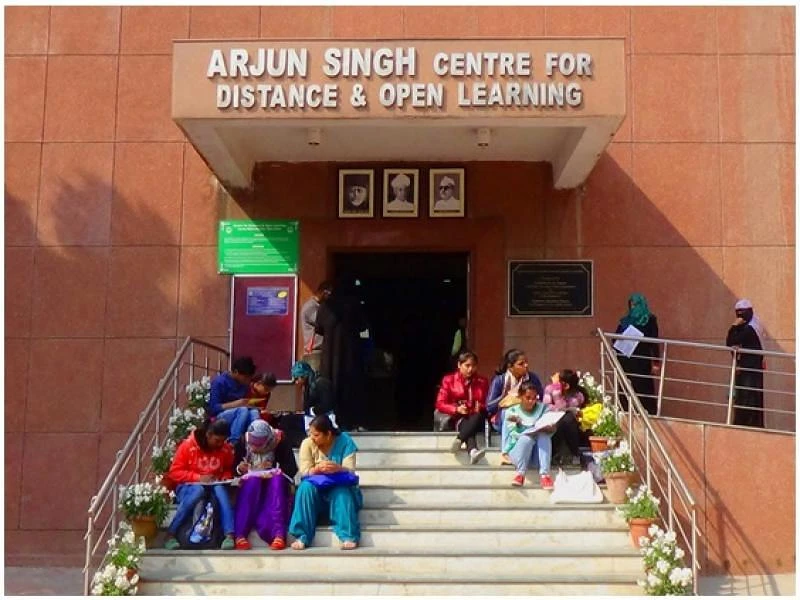






























Compare the exact programme, campus and admission route before deciding which engineering colleges in Delhi NCR belong on your shortlist. Delhi NCR is a search location, not one counselling authority. A nearby campus may use a different application process, merit rule or regional condition from another college on the same list.
Have a JEE Main rank and want national alternatives as well? The JEE Main College Predictor helps with supported JoSAA options. Keep that list separate from JAC Delhi and other institutional choices.
The first two rows follow JAC Delhi's 2026 admission brochure, page 45. They are not a claim that every programme at those institutions uses identical eligibility criteria. Architecture, for example, is a separate course choice.
For JoSAA, use the authority's own overview to confirm the participating system. An institution having “IIIT” in its name is not enough to assume its admission route.
Under the 2026 JAC brochure, Delhi-region classification normally follows the location of the recognised school or institution where the qualifying examination was passed, not simply the student's home address. NIOS and Patrachar cases use the examination-centre rule described there. The brochure sets out an 85% Delhi-region and 15% outside-Delhi allocation for Resident Indian Nationals.
Practical consequence: living in NCR does not by itself settle which regional list applies. Establish the correct region and category before comparing a past cutoff. Recheck the current JAC information bulletin and notices for the relevant cycle and any amendments.
A university name can hide a campus decision. Write down the exact campus and complete programme name in your shortlist. Then check whether the facilities, course options and outcome evidence you are reading actually describe that campus.
Start with these questions:
The college cards above are discovery records. Use their profile links to investigate, then open Compare colleges for the options you want to discuss with your family. A listing position should not become your preference order by default.
Keep one list for each admissions system you are using. Within a list, give every option the same fields: college, campus, programme, route, applicable rank or score, category/region, evidence date, budget and your personal reason for choosing it.
Suppose a Delhi campus offers your preferred branch but involves a difficult daily journey, while another option means hostel costs. Compare the actual tradeoff. Estimate both living arrangements using costs you have checked, then decide which timetable and expense your family can sustain. Neither the cheaper tuition figure nor the better-known name answers that on its own.
Next, order the options you would genuinely accept. Historical cutoffs help you understand the range of that list; they should not force you to prefer a programme you do not want. Keep attractive but uncertain choices and workable alternatives, without treating either group as a guaranteed outcome.
Finally, maintain a separate application record. Note what you submitted to each authority, where you stored the acknowledgement, and which official notice explains the next action. This makes parallel applications easier to follow without mixing their conditions.
Use the JEE tool for its supported JoSAA NIT, IIIT and GFTI options, not as a JAC Delhi or universal NCR admission calculator. It gives three distinct college previews, followed by a blurred continuation. Enter your name and mobile number and complete OTP verification to inspect the deeper personalised shortlist.
This lets you evaluate national options alongside your local research. It does not replace the programme's eligibility check or the authority's official application process. Keep the original result and relevant cutoff labels with the shortlist so another family member can understand how you reached it.
Admission-route references checked on 10 September 2026 for the 2026 cycle. No application deadline, available seat or current admission offer is implied by this directory.
No. A geographic directory includes institutions with different admission systems. Identify the exact programme and check its official application notice. JAC Delhi and JoSAA are separate processes, and other universities may have their own routes. Keep registrations, cutoff evidence and application records separate when using more than one.
Not automatically. The 2026 JAC rule normally looks at where you passed the qualifying examination, with a stated examination-centre rule for NIOS and Patrachar cases. Check that provision and your documents before selecting the regional cutoff. Your residential address alone does not establish the applicable region.
Compare the complete college-programme-campus choice. Read the syllabus, verify costs and travel, and check what the placement evidence covers. Then order options you would willingly accept. A stronger institution-wide headline cannot tell you whether a different branch at a different campus fits your interests and budget.
The current JEE college tool uses supported JoSAA evidence; it is not a JAC Delhi prediction model. Research DTU and NSUT choices through JAC's current programme rules and matching cutoff records. Use the tool alongside that work to explore its supported national options without mixing the two systems.