
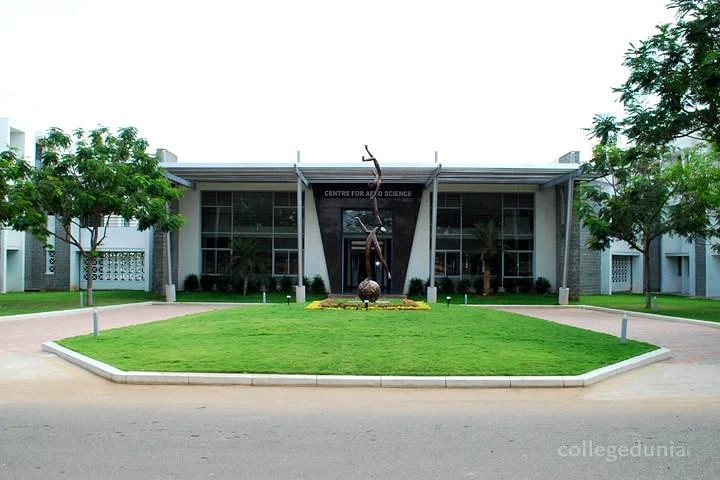

 Auditorium
 Cafeteria
 Computer Labs
 Gym
 Hostel
 Medical
 Science Labs
 Sports Complex
 Study Library
Campus setting and essential services
BIT’s 2026–27 information brochure describes the campus as 181 acres, with more than 30 lakh square feet of built-up area. It lists academic blocks, a medical centre and pharmacy, multi-cuisine cafeteria, cooperative store, ATMs, reverse-osmosis water, power backup, a sewage-treatment plant and community radio among the campus amenities. These are institutional descriptions, not a promise that every service operates at every hour or is included in student fees. The brochure is the current admissions-facing source for its claims; confirm service timings, charges and access with the institute before planning around them.
The campus facilities gallery gives a useful visual index of academic buildings, hostels, cafeteria, campus Wi-Fi, gym, Internet Centre, medical centre, Learning Centre, laundry, reprography, auditorium, data centre and community radio. It is an image catalogue rather than an operating schedule, so it helps identify what the college reports on campus but does not establish access eligibility, working hours or current availability. The official visitor information form lets visitors indicate an interest in academic departments, research facilities, infrastructure, hostels and sports; prospective students can use the institute’s current admissions contact page to ask for a guided visit.
The location is Alathukombai Post, Sathyamangalam, Erode district, Tamil Nadu. Students considering a residential course should compare the on-campus facilities with their programme timetable and travel needs. For routine purchases and services, the brochure and campus gallery list facilities inside the campus, while the institute’s admissions page provides current telephone contacts. The available sources do not establish public transport frequency, travel time to town, hostel curfew or the present operating hours of the medical centre, so those details should be checked directly rather than inferred from the campus map or photos.
Learning Centre and digital study support
BIT’s Learning Centre page describes a central, automated library with RFID-based circulation. It reports 96,000 volumes of text and reference books and a digital library with 100 computer systems for accessing electronic resources. The page also publishes borrowing rules: students may borrow up to six books, normally for a 14-day loan, with one renewal if another user has not reserved the item. Late returns carry a per-book daily charge according to the published rules. These figures and policies are the institute’s published service description; confirm current limits and hours with library staff, particularly before relying on a deadline during examination periods.
The Learning Centre page also links to competitive-examination resources and placement-preparation links. This makes the library relevant beyond course textbooks: students can use it for reference materials and access to online resources, subject to the institute’s membership and network arrangements. The college’s 2026–27 brochure separately says campus and hostels have Wi-Fi and cites 4 Gbps internet connectivity. That is an institutional campus-level description, not a measured personal device speed or a guarantee of uninterrupted service in every room. Ask about the current student login process and hostel coverage if connectivity is important for your study routine.
For branch-specific practical work, the brochure lists 36 special laboratories, described as 18 Product Innovation Centre and 18 Technology Development Centre labs. The source does not provide a branch-by-branch inventory or student access schedule. Applicants should ask the department how its laboratories are assigned to courses, projects and supervised research, and which facilities are open to undergraduates outside timetabled sessions.
Hostels and residential amenities
BIT’s AICTE mandatory disclosure for 2025–26 lists six boys’ hostels and seven girls’ hostels, with reported capacities of 3,897 and 2,147 respectively. These are aggregate capacity figures in an institutional disclosure, not current vacancies or a guarantee of a room for a particular applicant. Hostel eligibility, application windows, room sharing, mess charges and allocation priority should be confirmed with the Hostel Office for the admission year and category concerned.
The 2026–27 brochure describes the campus and hostels as Wi-Fi enabled and lists gym, indoor courts, laundry and safety features. The campus gallery includes separate boys’ and ladies’ hostel categories, laundry, cafeteria and a cooperative store. Together, these sources show that residential support is part of the campus plan; they do not establish the room type, equipment in an assigned room, staff availability at all hours or the cost of each service. Ask for the applicable hostel handbook, current fee schedule, room inventory and mess terms before accepting accommodation.
For medical support, the brochure identifies an on-campus medical centre and pharmacy. It does not state service hours, emergency cover, the scope of treatment or whether consultations carry separate charges. Students with ongoing healthcare needs should ask the institute which services are available on campus, what is referred outside, and where to access help after normal office hours. The same practical check applies to internet, laundry and campus transport: a listed amenity is useful to know about, but actual access depends on current rules and operating arrangements.
Sports, recreation and what to verify
BIT’s Sports Facilities page reports a 400-metre, eight-lane athletics track; football, cricket and hockey fields; courts for volleyball, ball badminton, handball and kabaddi; a sports complex with synthetic courts; and an indoor stadium with four badminton courts. It also describes separate gyms and open-gym equipment at the men’s and women’s hostels. These are institution-reported facilities. The page includes area and equipment figures, but does not give a current booking calendar, student eligibility rules, coaching schedule or maintenance status for each venue. Contact the sports office for those details rather than treating a facilities list as an access pass.
The brochure’s practical value is that it groups everyday services, connectivity, study areas, residence and sport in one place. For applicants, the most useful next step is to check four things against the current intake: whether a hostel room is available and what it costs, which facilities are included or separately charged, the hours and access rules for the Learning Centre and sports complex, and the actual coverage of Wi-Fi and medical support. If you visit, ask to see the spaces associated with your intended department and hostel rather than relying only on general campus photographs.
The figures on this page are dated by the source edition where one is available: hostel capacity comes from the 2025–26 AICTE disclosure and campus-wide statements come from the 2026–27 brochure. Other pages such as the Learning Centre and Sports Facilities describe their services but do not display a clear revision date in the page text reviewed for this update. Check the linked official pages for revisions before relying on operational details.