


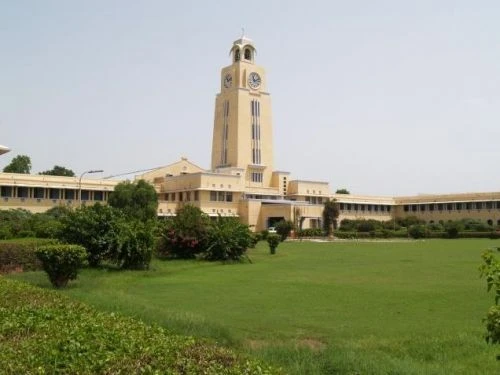
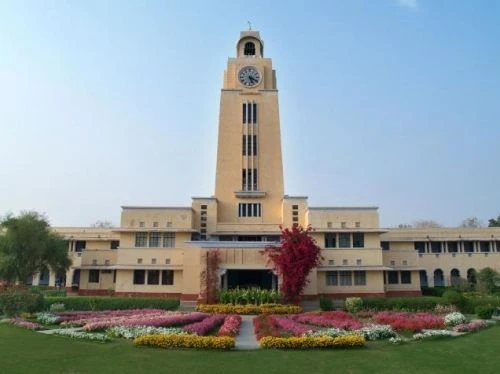



The Birla Institute of Technology and Science (BITS) Pilani operates a centralized placement process, typically aggregating data across its Pilani, Goa, and Hyderabad campuses rather than isolating Pilani-specific metrics. For the 2024-2025 academic year, the university hosted over 615 unique recruiters and placed more than 2,490 students, maintaining its position as a primary hiring hub for leading technology, finance, and core engineering firms.
The Practice School (PS) Pathway
A structural advantage of the BITS Pilani curriculum is the mandatory Practice School (PS) programme, which fundamentally alters the placement experience. The programme comprises two phases:
- PS-I: An 8-week exposure-oriented summer programme after the second year.
- PS-II: A 5.5-month (one semester) immersive project undertaken during the final year. Dual degree students often opt for two PS-II sessions, effectively spending nearly a full year in the industry.
Because PS-II stations allocate students to major firms based on their CGPA and skillset, a substantial proportion of the graduating class secures Pre-Placement Offers (PPOs) before the formal placement seasons even begin. This dual-track system (PPOs via PS-II alongside traditional campus interviews) reduces overall cohort reliance on the standard interview cycles.
Cohort Outcomes and Salary Context
Placement packages vary significantly depending on the hiring phase, the degree level, and whether the data includes all campuses.
- Overall Cohort (2024-2025): The university-wide median package stood at 19.05 LPA, with the overall average package reaching 22.28 LPA.
- Phase 1 Highlights: Students placed during the initial, highly competitive first phase of the season saw an average package surge to 31.63 LPA, validating historical trends that average between 20 LPA and 31 LPA depending on the exact measurement window. The highest domestic packages routinely exceed the 1 Crore mark, primarily driven by quantitative finance and top-tier software firms.
- Regulatory Data (B.Tech Specific): According to the institute's NIRF 2026 engineering submission, 2,324 students were placed out of a graduating B.Tech cohort of 2,643. This yields an approximate 88% placement rate for those seeking employment, with a median salary of 20.00 LPA.
Sectoral Disparities and Role Mix
Salary metrics differ heavily by sector and discipline. While the institute is known for computer science placements, its sectoral reporting reveals nuanced outcomes:
- Electronics and Semiconductors: This sector commands the highest reported medians, reaching 31.05 LPA. Hardware design and core electronics roles attract firms like Nvidia and Qualcomm.
- IT and Software Engineering: The median package for IT and software roles stood at 22.81 LPA. Major recruiters include Google, Microsoft, Amazon, Adobe, Cisco, Visa, and PayPal.
- Core Engineering (Mechanical, Chemical, Civil): Candidates taking up traditional core roles with recruiters like L&T, Schlumberger, ExxonMobil, and Maruti Suzuki generally see average packages between 10 LPA and 14 LPA. However, the academic flexibility at BITS allows many core engineering students to minor in finance or computing, enabling them to pivot into high-paying analytics, consulting, or IT roles.
- Department of Management: MBA candidates (specifically in Business Analytics) operate on a different schedule, concluding final placements in their third semester followed by a six-month PS. Recent summer internship data for the 2024-2026 MBA batch shows the top 50% securing an average stipend of 36,265 per month, peaking at 75,000 per month.
Placement Seasons and Logistics
Because the Practice School programme requires half of the final-year cohort to be off-campus working in the industry during any given semester, BITS Pilani organizes two distinct placement seasons annually (typically beginning in August and January). This ensures all students have access to campus interviews during their academic semester. Recruiters are invited two months in advance and face no registration charges, while eligible students apply for specific roles approximately one week before a company visits the campus.