Loading Admission Guardian content
Loading Admission Guardian content

Provisional score based on available data. It may change as more information is verified.
Selected ranking categories, with the recorded year beside each result. Open all records for the complete history.
1 published record · Lower numeric ranks are stronger
Find a program, read its fee details and explore the admission requirements.
Summary of the programs shown below. Total course fee. Check the note beside each amount for inclusions and exclusions.
| Course | Stream | Fees |
|---|---|---|
| Master of Business Administration [MBA] | Management | 41000 |
| Master of Engineering [ME] | Engineering | 60000 |
| Bachelor of Engineering [BE] | Engineering | 220000 |
| Bachelor of Technology [B.Tech] (Artificial Intelligence & Data Science) | Engineering | 220000 |
Specializations
All accepted exams
Eligibility: Graduation
Specializations
Eligibility: Graduation
Specializations
All accepted exams
Eligibility: 10+2 with 45% + TNEA
Specializations
All accepted exams
Eligibility: 10+2 with 45% + TNEA
2 exams with cutoff data available - showing recent entries
 Aditya Birla Group
 Amazon
 Apollo Munich
 Aspire Systems
 Bajaj Allianz
 Byju's
 Capgemini
 CMS India
 Cognizant
 CSS Corp
 Exide Life Insurance
 Federal bank
 Flextronics
 HCL
HCL HDFC Bank
 Hinduja Group
 ICICI Bank
 IDBI Bank
 Infoview
 Jaro Education
 Mahindra & Mahindra
 Maintec
 Muthoot Finance
 Naukri.com
 NFN Labs
 S&P Global
 Shriram Group
 Sundaram Finance
 Sutherland
 Syntel
 TCS
TCS Tech Mahindra
 Vdart Software Services
 Vernalis
 Vodafone
 Wipro
Wipro Zoho
ZohoCARE School of Engineering in Trichy is a bit of a paradox. You get a campus designed by the architect behind IIM buildings, an NAAC 'A' grade, and a surprisingly decent median package of 4 LPA for a private college established in 2009. But you also get a rulebook that feels like it's from a different era. It's a place where the physical environment gets rave reviews, but the placement claims require a reality check. If you're a student who values a serene, green campus for focused study and can navigate a structured system, CARE offers solid value, especially through the government quota. If you're chasing top-tier corporate recruitment or chafe at strict discipline, you might look elsewhere.
Affiliated with Anna University, CARE offers a standard set of engineering programs with a notable tilt towards computing. The B.Tech in Artificial Intelligence & Data Science, with an intake of 120, signals where the college sees demand. Computer Science also takes 120. Core branches like Mechanical and Civil have smaller intakes, around 30-60 seats, which reflects both industry trends and likely student preference.
Academically, they push an activity-based learning model. That means more projects and hands-on sessions over pure theory. It's a decent approach, but its effectiveness hinges entirely on the department. They've got MoUs with firms like VEI Technologies and Codeblind for training, which is good for internship pipelines. The student-teacher ratio is about 15:1, which isn't bad. Faculty accessibility gets positive marks in reviews, especially in the CSE and AI departments. A significant chunk of senior faculty hold PhDs, which adds some heft.
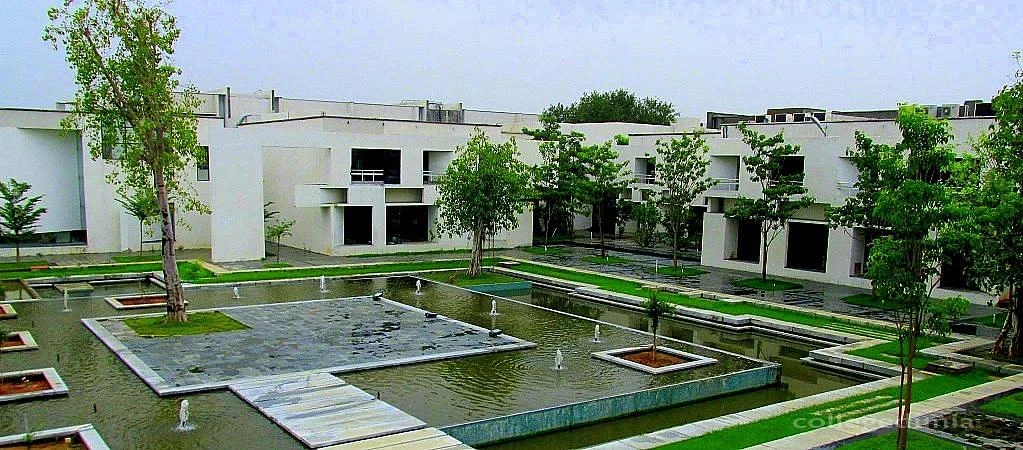
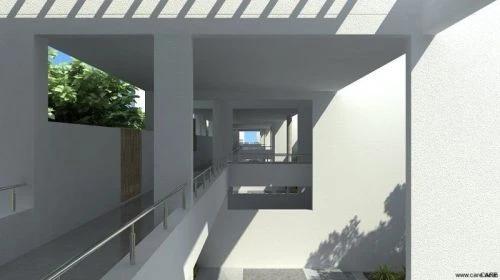
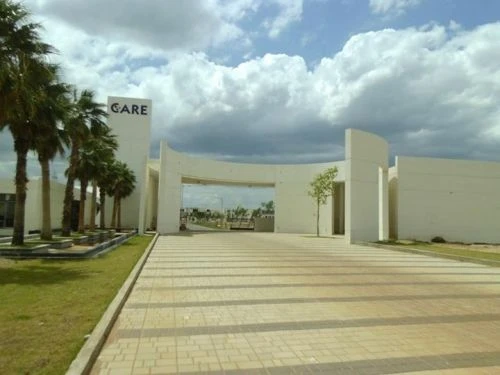
The real differentiator, academically, is the infrastructure itself. Classrooms are designed as open courtyards—no walls on two sides. It's not a gimmick. It makes the spaces airy and full of natural light, a stark contrast to the concrete boxes of older colleges. Whether that directly translates to better learning is debatable, but it certainly creates a less oppressive atmosphere.
This is where you need to read between the lines. The official placement percentage is touted between 90-99%. That's almost certainly optimistic. Dig into student reviews on platforms like CollegeDunia and Shiksha, and a more pragmatic figure emerges: around 60-70% for on-campus placements, with core branches at the lower end. CSE and AI&DS do better.
The package data tells a clearer story. The NIRF 2023 report, a more reliable source, lists a median package of ₹4.00 LPA for 4-year UG programs. That's a solid, honest number for a college of its profile and age. The average package bandied about is ₹2.4 to ₹3.5 LPA. The "highest package" is where marketing gets fuzzy. Brochures might whisper 12 LPA, but the consistent figure from credible sources is ₹6 to ₹8 LPA. That's a decent outcome for a top student here.
Recruiters are a mix of IT mass recruiters and some core names. TCS, Wipro, Infosys, Zoho, and Cognizant are regulars. For core, you see L&T and Ashok Leyland (more for internships). Companies like Byju's, Omega Healthcare, and Sutherland also recruit, often for blended tech-support roles. The placement cell is active, but students note that many opportunities come from pooled drives with other Anna University colleges. If you're in CSE, you've got a reasonable shot at a 3-4 LPA IT job. If you're in Mechanical, you'll need to hustle more, possibly looking off-campus.
The fee structure has a clear divide. If you secure a seat through the Tamil Nadu Engineering Admissions (TNEA) government quota, it's a bargain. Annual tuition is about ₹50,000. Add hostel and mess fees (₹64,000-₹66,000), and your total annual cost is around ₹1.15 lakhs. Over four years, that's roughly ₹4.6 to ₹5 lakhs.
Management quota seats are pricier. Tuition jumps to between ₹85,000 and ₹1,10,000 per year. The hostel fee remains the same. So your four-year cost balloons to ₹6.5-₹7.5 lakhs. At that price point, you should critically compare placement outcomes with other options.
The scholarship scheme is a major plus. It's directly tied to your TNEA cutoff score. Score 185+? You get a 100% tuition fee waiver. Scores of 171-184 get 75% off, 161-170 get 50%, and 151-160 get 25%. It's a transparent and effective way to reward academic merit. There's also the standard Tamil Nadu First Graduate Scholarship, which can shave off another ₹25,000 or so.
For B.E./B.Tech, it's all about the TNEA counseling. Your 12th standard marks (Physics, Chemistry, Mathematics) are converted into a cutoff score out of 200. That score determines your rank in the statewide pool. CARE's cutoff ranks for the 2024 general category give you a sense of demand:
AI&DS is the most sought-after, beating even CSE. Mechanical, as expected, has the most open rank. If your rank is within these bands, you have a good chance through TNEA. If not, there's the management quota route, which often involves a separate consortium exam and interview. For M.E. and MBA, admissions are via TANCET or GATE scores.
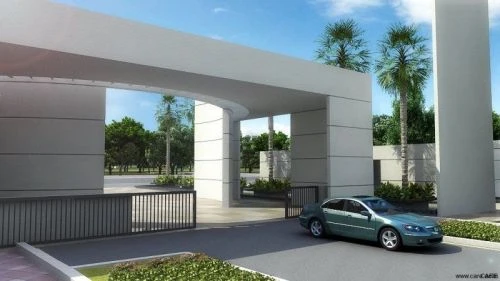
The campus is CARE's undisputed star. Designed by Sanjay Mohe of Mindspace, it's genuinely beautiful and eco-friendly. The 50-acre plot next to a lake feels more like a campus resort than an engineering college. The indoor sports stadium is massive—it can fit four basketball courts. There's a football ground, tennis courts, and a library with decent digital resources via DELNET and J-Gate. Labs are well-equipped for the curriculum.
Hostels are clean and well-maintained, typically four-sharing rooms with wardrobes. Capacity is limited (288 boys, 192 girls), so not everyone gets a spot. The mess food gets an average rating of 3.5/5—standard vegetarian and non-vegetarian fare.
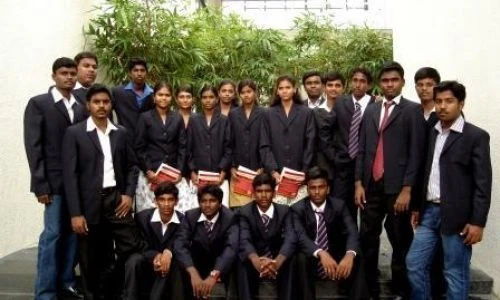
But here's the catch. Student life is governed by strict rules. The dress code is non-negotiable: formal wear for boys (with black shoes); salwar kameez with a pinned dupatta for girls. Leggings or short kurtis are a no-go. Mobile phones are discouraged in academic zones, with reports of sudden checks. Some students call it a "tech blackout" environment. The common sentiment, as one review put it, is "The campus is like a resort, but the rules are like a school." It's peaceful, but not exactly freewheeling.
Synthesizing feedback from review sites and forums, a clear consensus forms.
The Good: The infrastructure is almost universally praised as the best in Trichy. Faculty, particularly in the IT departments, are seen as supportive and knowledgeable. The open-classroom design and green campus create a positive, less stressful study environment. For students who want to avoid the cramped, chaotic feel of some city colleges, CARE is a breath of fresh air.
The Not-So-Good: The strict disciplinary code is the biggest gripe, especially the dress code for women. The placement reality doesn't always match the brochure promises, leading to some cynicism among final-year students. There are also murmurs about internal marks being used as a lever for compliance, though this is hard to verify. The location, while scenic, is a bit distant from Trichy city center, making you reliant on college buses.
One alumnus summed it up for many: "If you want a peaceful place to study without the typical 'jail' feeling of other TN colleges, CARE is good, but don't expect high-end placements."
It depends on your priorities and your quota. If you get a government quota seat, CARE School of Engineering presents strong value. For about ₹1.15 lakhs a year, you get a great campus, decent teaching, and a legitimate shot at a 3-4 LPA IT job. The merit scholarships sweeten the deal further. It's a smart choice for a student with a mid-tier TNEA rank who values a quality learning environment over a hyper-competitive, placement-centric atmosphere.
If you're paying the full management quota fee, the calculus changes. At nearly double the cost, you should scrutinize other colleges with similar or better placement records. CARE is also a poor fit if you prioritize absolute campus freedom or are targeting core engineering roles in manufacturing or R&D. The rules will frustrate you, and the recruitment is IT-heavy. Ultimately, CARE is for the student who wants a solid, aesthetically pleasing Anna University education without the frenzy—and is willing to follow the rules to get it.

In this preview: 5 photos · 0 videos
No, CARE College of Engineering is not an autonomous institution. It is currently an affiliated college of Anna University.
The Computer Science Engineering (CSE) department has the best placement record at CARE Trichy. Average packages are around 3.5 LPA, with top-performing students securing packages in the range of 6 to 8 LPA.
The dress code is strictly formal. For boys, it requires formal shirts and pants with black shoes. For girls, the prescribed attire is a Salwar Kameez with a pinned dupatta; leggings and short kurtis are not allowed.
Mobile phones are generally discouraged within academic zones. Furthermore, there are reports of sudden mobile phone checks being conducted in hostels and classrooms.
CARE is often preferred for its superior infrastructure and more modern campus environment. However, colleges like Saranathan and K. Ramakrishnan are generally considered to have a slight edge in terms of consistent placements for core engineering branches.
Share what future students should know about CARESE.
Student voices are not rewritten by colleges. We remove spam and abuse.
Wider admission question? Community PulseWhat should future students know?
Tell us which course you're considering. We'll help you work out the next step.
Get instant Partner access after mobile verification. Your public edits are reviewed before they go live.
Claim this college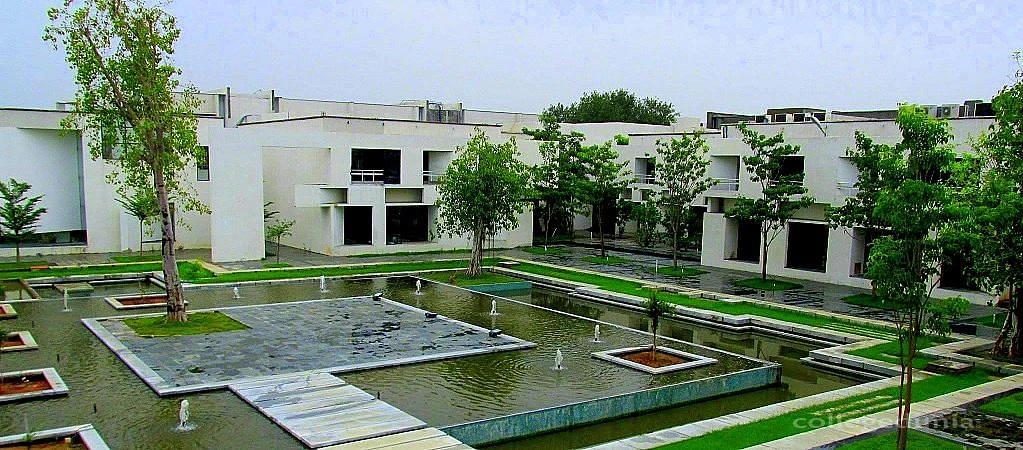
 Auditorium
 Cafeteria
 Computer Labs
 Gym
Gym Hostel
 Medical
 Science Labs
 Sports Complex
 Study Library